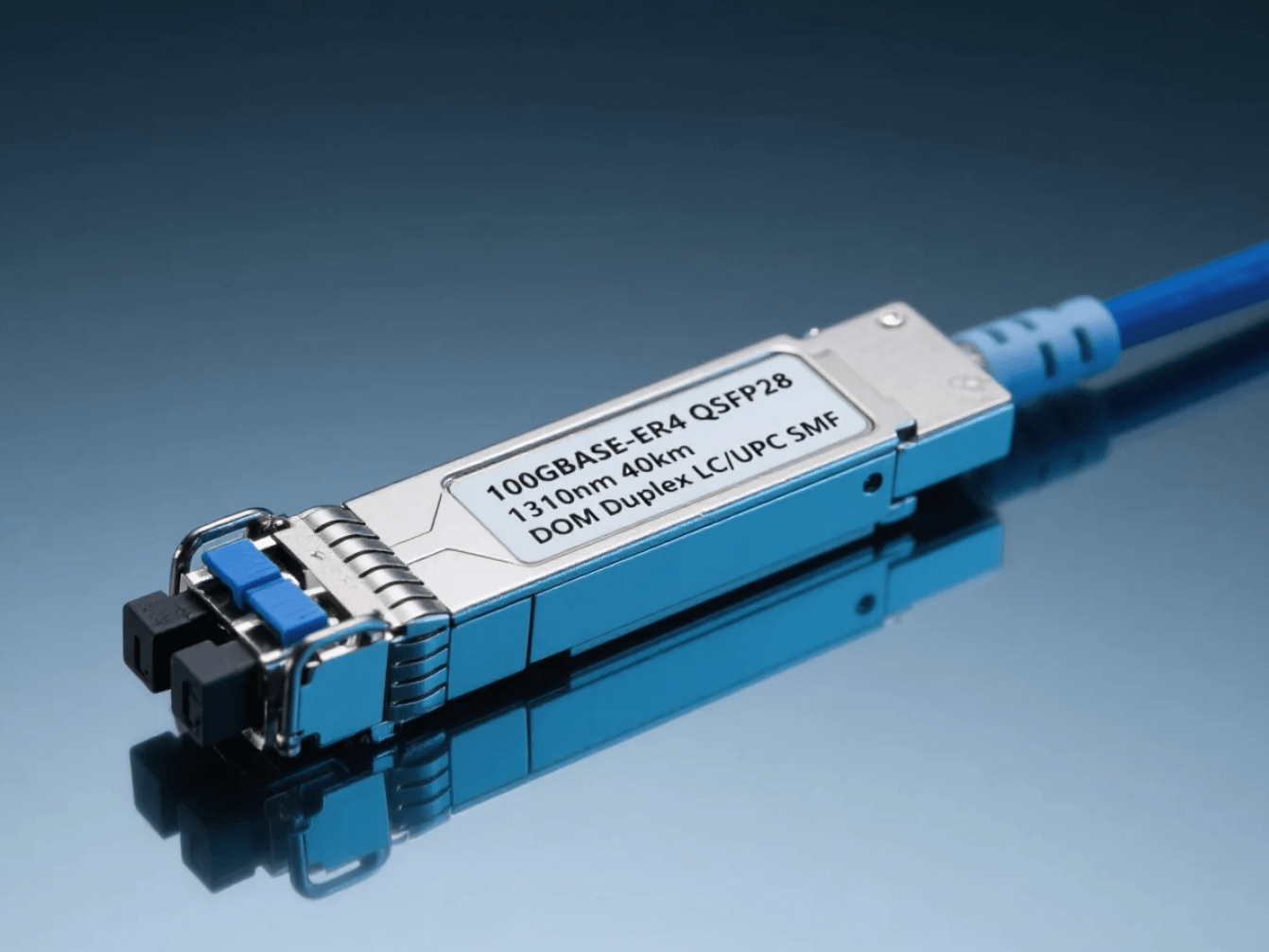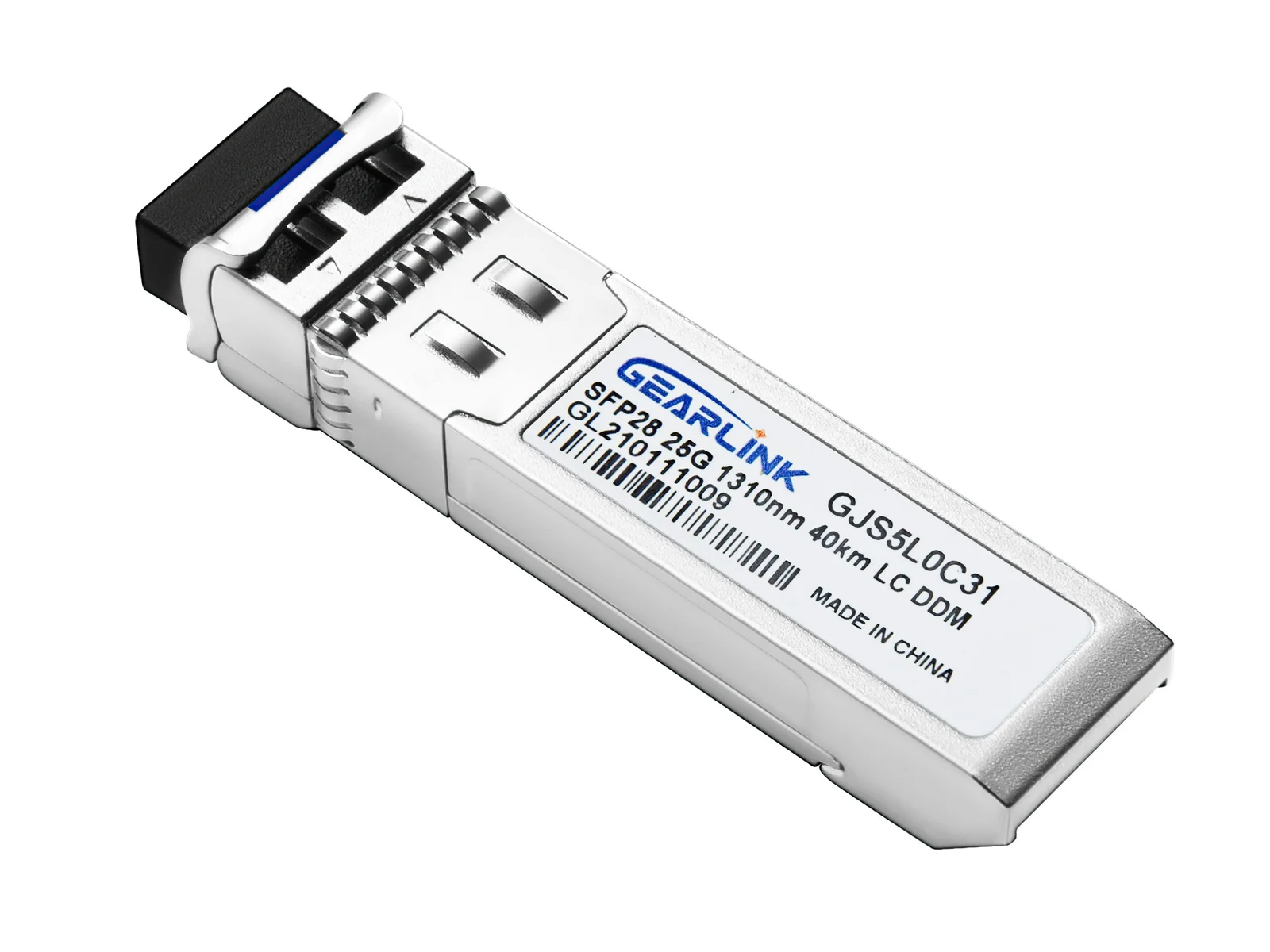
The rapid evolution of telecommunications and the global rollout of 5G networks have created a massive demand for higher bandwidth over longer distances. In the heart of this infrastructure transformation lies the 25G SFP28 ER module, a high-performance optical transceiver designed to bridge the gap between standard short-reach connections and expensive ultra-long-haul coherent optics. For network engineers and data center operators, the challenge has always been achieving a stable 25Gbps rate without suffering significant signal degradation over extended fiber spans. This article explores the technical nuances of the Extended Range (ER) standard, providing insights into why it has become the preferred choice for modern fronthaul and enterprise backbone deployments.
The Technical Architecture of Extended Range Connectivity
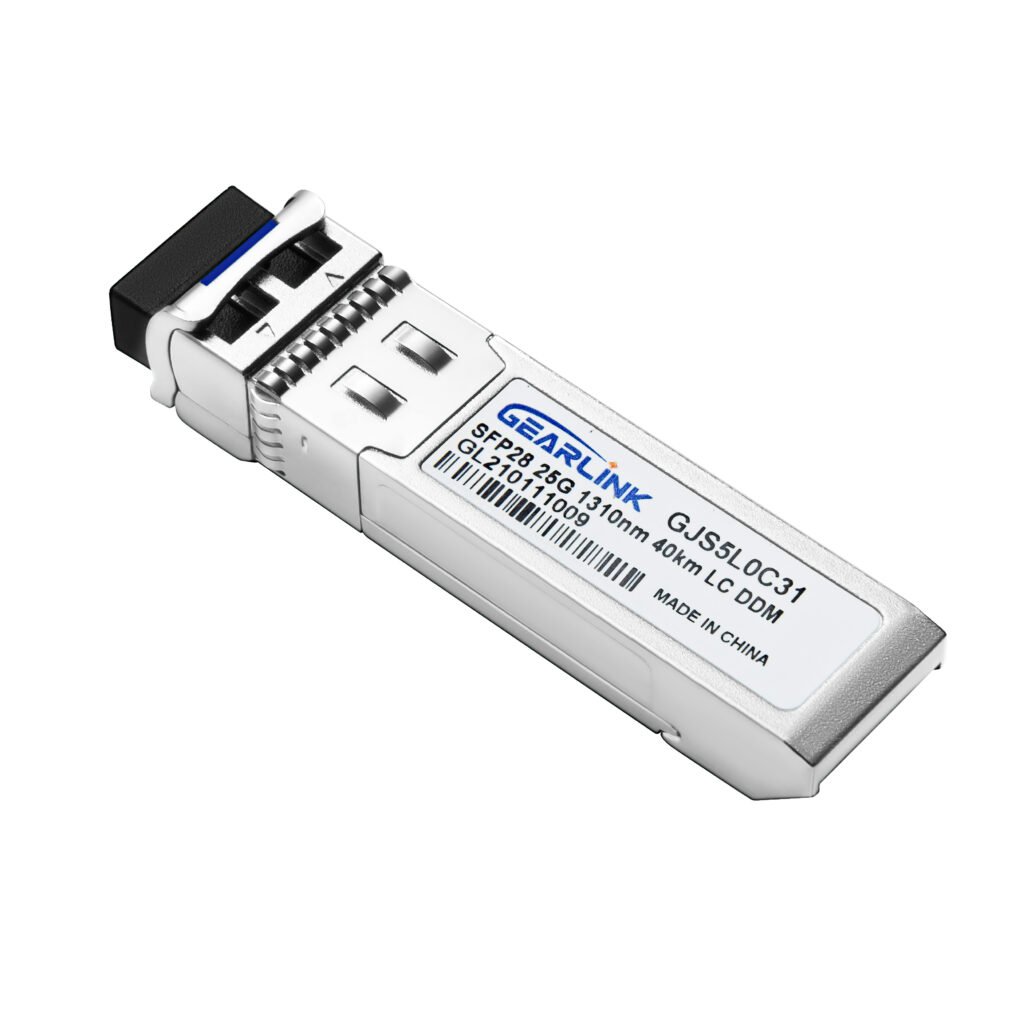
To understand the prowess of the 25G SFP28 ER, one must first look at its internal laser technology and optical budget. Unlike the shorter-range SR or LR variants that typically utilize VCSEL or DFB lasers, the ER version often employs a cooled EML (Electro-absorption Modulated Laser). This sophisticated light source is crucial because it offers a much narrower spectral width and higher stability against chromatic dispersion.
High-Performance EML Laser Technology
When data travels over 40 kilometers of single-mode fiber, the light pulses tend to spread out; however, the high-quality signal generated by the EML laser ensures that the receiver can still distinguish between bits with high precision. By integrating an electro-absorption modulator with a laser diode, the 25G SFP28 ER achieves lower “chirp” than direct-modulation lasers. This technical edge is what allows the module to maintain signal integrity at 25Gbps speeds over distances that would otherwise require signal regeneration.
APD Receivers and Optical Link Budgets
A defining characteristic of the 25G SFP28 ER is its impressive optical link budget, which typically hovers around 18dB. Because the ER module is designed for a 40km reach, it utilizes a highly sensitive APD (Avalanche Photodiode) receiver. Unlike standard PIN photodiodes used in short-reach optics, an APD provides internal gain, effectively amplifying the incoming optical signal before it is converted back into electrical data. This amplification is what allows the module to maintain a low bit-error rate even when the light signal has been significantly attenuated by the length of the fiber.
Operational Reliability in Industrial Environments
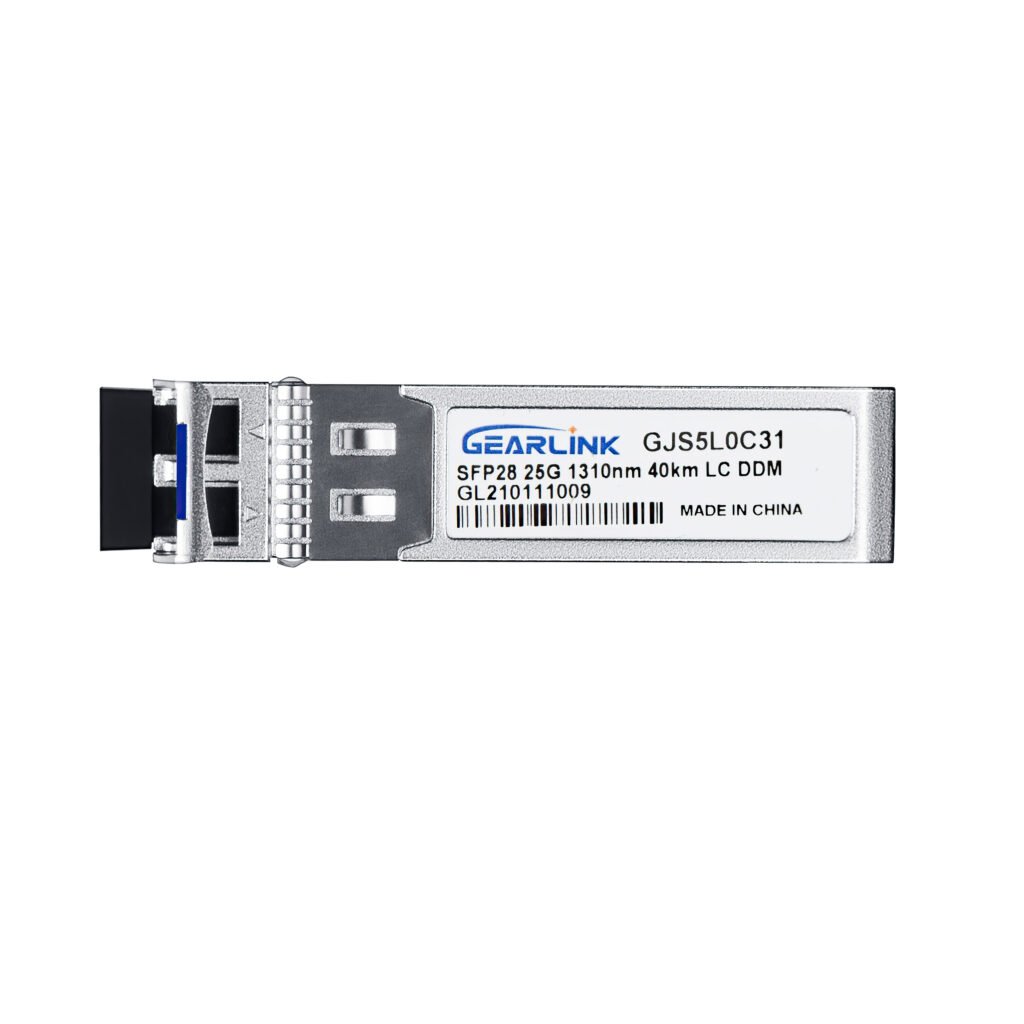
Given that many 25G SFP28 ER modules are deployed in outdoor 5G base stations or remote terminal boxes, thermal management becomes a critical engineering factor. The reliability of long-haul fiber links depends heavily on the transceiver’s ability to withstand fluctuating environmental conditions without frequency drift.
Thermal Management and TEC Cooling
The “cooled” nature of the EML laser refers to an internal Thermo-Electric Cooler (TEC) that maintains a constant operating temperature for the laser diode. This is vital because temperature fluctuations can cause the laser’s wavelength to drift, leading to signal loss. Consequently, the 25G SFP28 ER is often available in industrial temperature grades, ensuring that the network remains operational during scorching summers or freezing winters without the need for expensive climate-controlled housing.
Wavelength Stability and Signal Integrity
Wavelength stability is particularly important when these modules are used in WDM (Wavelength Division Multiplexing) environments. By maintaining a locked wavelength at 1310nm, the 25G SFP28 ER avoids interfering with adjacent channels. This precision ensures that high-speed data remains “clean” across the entire 40km span, providing the consistent performance that service providers require for Service Level Agreements (SLAs).
Strategic Applications in 5G and Enterprise Networks
The shift from 10G to 25G was a strategic move by the industry to align with the native signaling rates of modern processors and 5G radio units. In this context, the 25G SFP28 ER serves as the backbone of the mid-haul and fronthaul segments of the network.
Centralizing BBU Resources in 5G Fronthaul
By providing a 40km reach, the 25G SFP28 ER allows operators to centralize their Baseband Units (BBUs). Instead of having processing hardware at every cell tower, providers can use the ER reach to connect multiple remote radio heads to a single centralized hub. This centralization significantly reduces the cost of site power, physical security, and ongoing maintenance, making 5G deployments more economically viable.
Enterprise Backbone and Metropolitan Interconnects
For many enterprise users, the 25G SFP28 ER offers a compelling middle ground by quadrupling the bandwidth of traditional 10G links while utilizing the same SFP form factor. This allows for a “pay-as-you-grow” strategy where ports can be upgraded individually. Furthermore, since 25G uses a single lane of data, the complexity and power consumption are much lower than early 100G solutions, making the ER module an environmentally and financially responsible choice for connecting geographically dispersed corporate campuses.
The Future of 25G in an 800G World
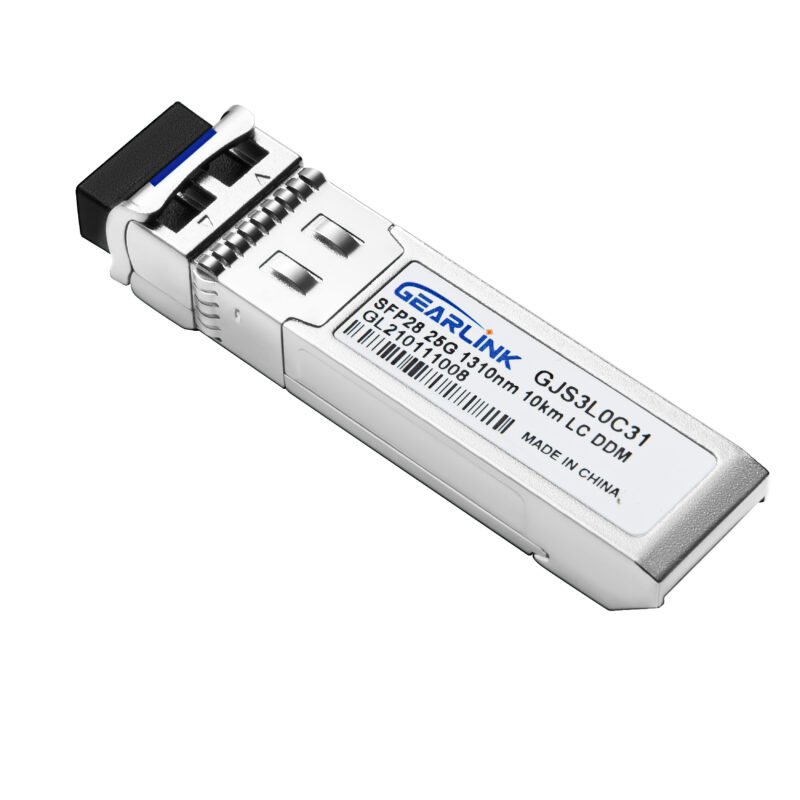
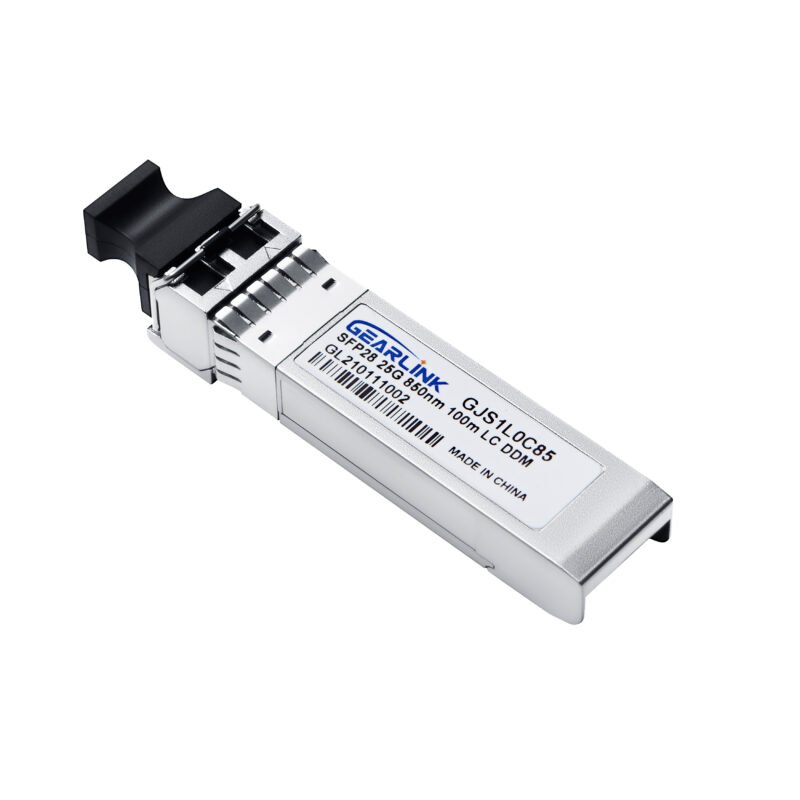
While the industry discusses 800G and 1.6T speeds for data center cores, the 25G SFP28 ER remains the workhorse of the “edge.” The cost-to-performance ratio of 25G technology continues to improve, ensuring its relevance for the next decade of network expansion.
Scalability and Digital Optical Monitoring (DOM)
Modern data center switches are optimized for SFP28 ports, and the integration of DOM technology within the 25G SFP28 ER allows for proactive network management. By providing real-time telemetry on laser power and temperature, administrators can detect fiber degradation before it causes a failure. This predictive maintenance is essential for high-availability networks that support critical infrastructure.
Engineering a Sustainable Optical Path
Ultimately, the choice to implement the 25G SFP28 ER reflects a commitment to future-proof engineering. As data consumption continues to soar, the ability to transmit vast amounts of information over long distances with minimal latency will remain a cornerstone of technological progress. This module plays a silent yet indispensable role in the global communication fabric, enabling the connectivity that powers our modern lives.
Frequently Asked Questions (FAQ)
Q1: Can a 25G SFP28 ER module be used for shorter distances, like 5km?
A: Yes, but you must use an optical attenuator. The powerful laser of the 25G SFP28 ER can saturate or even damage an APD receiver if the fiber link is too short.
Q2: What is the main difference between SFP28 LR and SFP28 ER?
A: The primary difference is the reach. The LR version is rated for up to 10km, while the 25G SFP28 ER is rated for up to 40km through the use of EML lasers and APD receivers.
Q3: Is FEC (Forward Error Correction) required for 40km transmission?
A: Yes, most 25G standards require Host FEC to be enabled to reach the full 40km distance while maintaining the required bit-error rate.
Q4: Does the 25G SFP28 ER work on multi-mode fiber?
A: No, the 25G SFP28 ER is exclusively designed for single-mode fiber (SMF) to achieve its high-speed, long-distance performance.