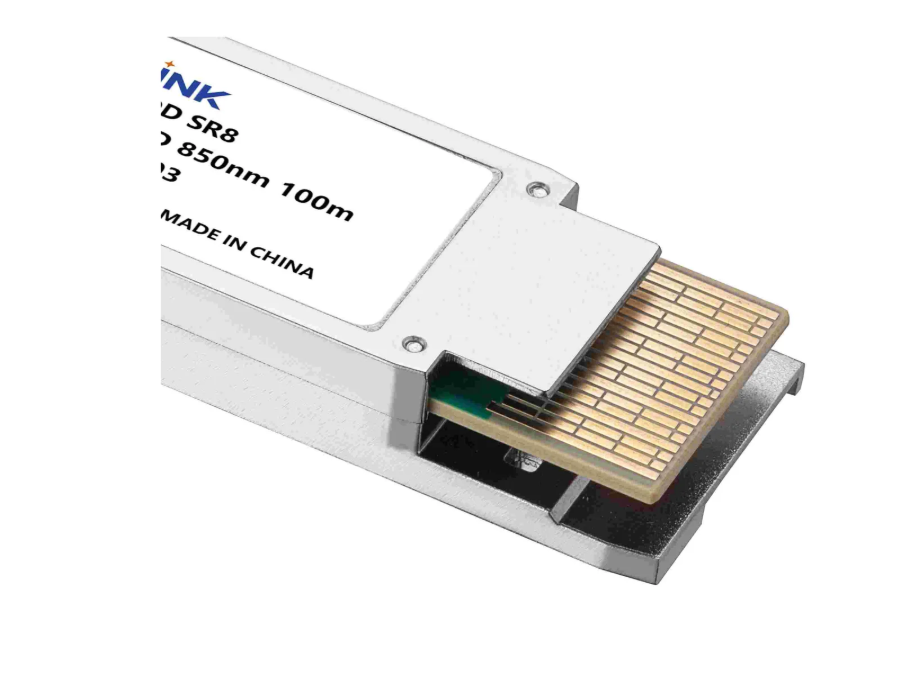
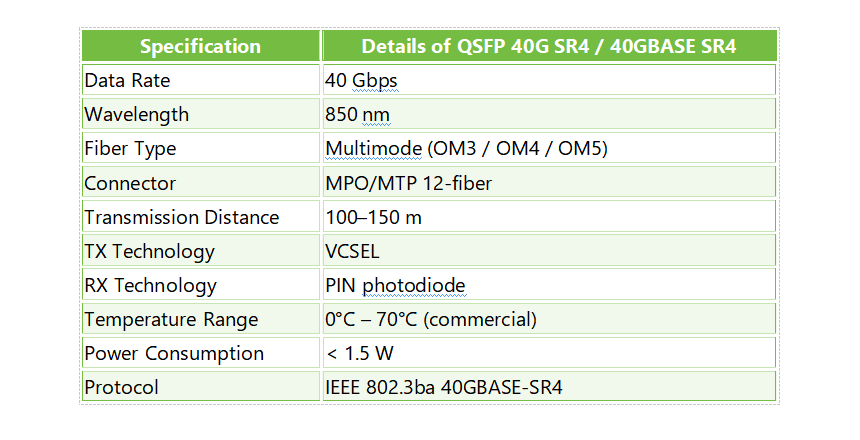
As the digital landscape continues to evolve at an unprecedented pace, the demand for high-speed, high-density networking solutions has become the driving force behind technological innovation. The transition from 100G to 400G is a landmark shift, fundamentally redefining what is possible within data centers, enterprise networks, and cloud computing environments. At the heart of this revolution lies the 400G OSFP SR4 optical transceiver, a crucial component that enables these networks to achieve next-generation performance. For network architects and procurement specialists, selecting the right 400G OSFP SR4 supplier is a strategic decision that extends far beyond a simple product purchase. This article explores the nuanced factors that truly distinguish leading suppliers in a competitive market and provides a comprehensive guide for making an informed choice.
Beyond the Datasheet: A Holistic View of Supplier Capabilities
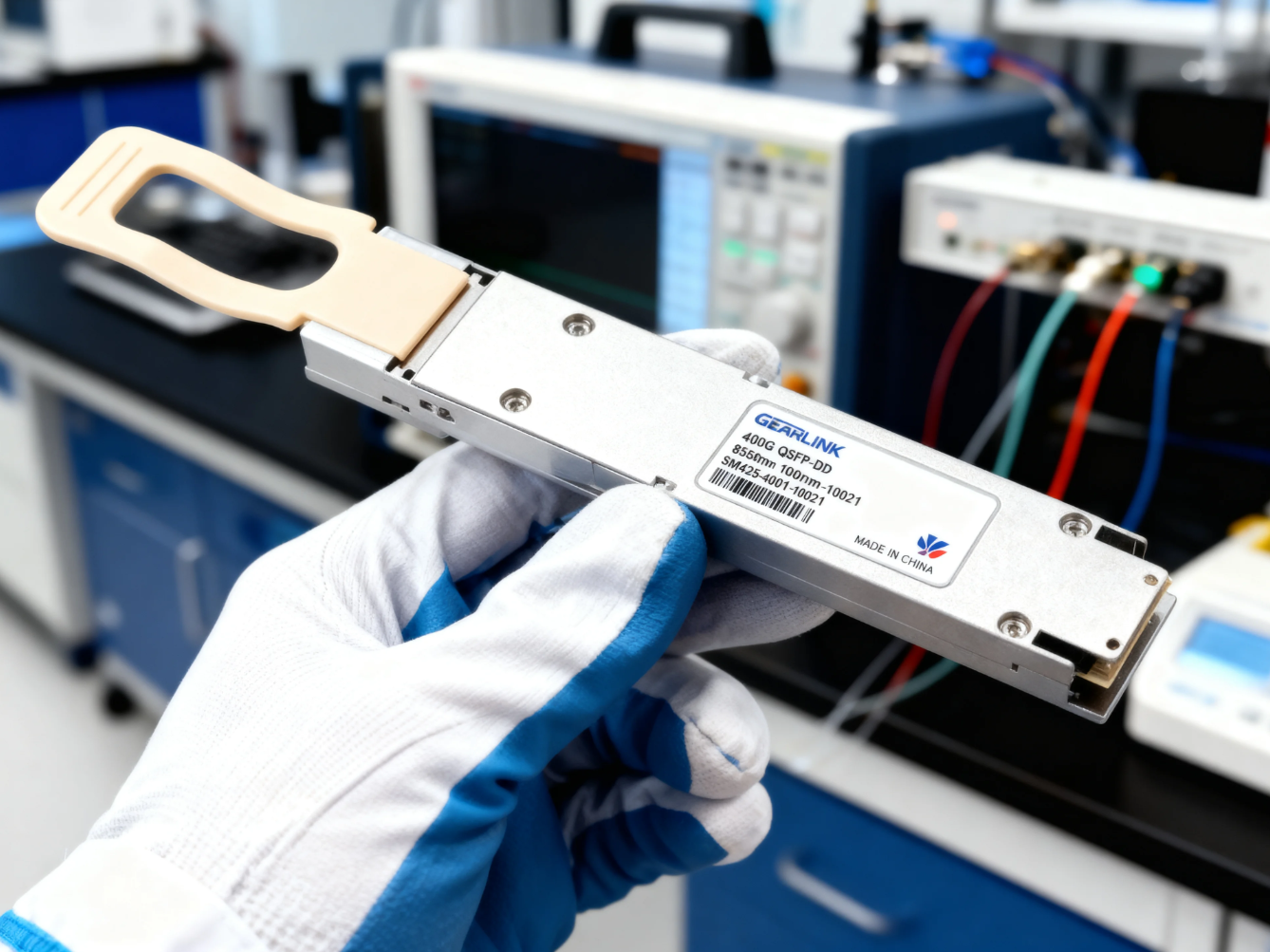
While product datasheets provide a necessary starting point, they only tell part of the story. A holistic evaluation of a supplier’s capabilities is essential for identifying a true market leader. This goes beyond raw specifications like data rate and form factor to include less tangible but equally critical elements. The best 400G OSFP SR4 suppliers understand that their role is not just to sell a component but to provide a comprehensive solution that supports a customer’s long-term network strategy. This involves a deep commitment to engineering excellence, quality assurance, and a partnership-oriented approach to customer relationships.
The Cornerstone of Excellence: Performance, Reliability, and Engineering Prowess
At the core of any top-tier supplier’s offering is the superior performance and unwavering reliability of their products. This isn’t achieved by chance but through significant investment in advanced research and development. Leading suppliers employ expert engineers who meticulously design modules to meet and exceed industry standards, such as those set by the Multi-Source Agreement (MSA). A critical aspect of this is thermal management. 400G OSFP SR4 modules operate at high power, and their ability to dissipate heat efficiently is paramount. A module that runs cooler not only reduces the risk of component degradation but also lowers the energy consumption of the entire networking rack, directly contributing to a data center’s Power Usage Effectiveness (PUE) and operational cost savings.
Moreover, reliability is a non-negotiable trait. A single module failure can lead to service disruptions and significant financial impact. Leading 400G OSFP SR4 suppliers conduct exhaustive testing to validate the durability and longevity of their products. This includes environmental stress testing, burn-in periods, and extensive data integrity checks. Suppliers like Optictran provide detailed performance reports and back their products with robust warranties, offering an added layer of security and demonstrating a deep confidence in their product’s quality.
Seamless Integration: The Crucial Role of Interoperability
In today’s complex networking ecosystems, where equipment from multiple vendors coexists, interoperability is a critical differentiating factor. A leading supplier invests heavily in ensuring that their 400G OSFP SR4 modules are fully compatible with a wide array of switches, routers, and host cards from major networking vendors like Cisco, Juniper, Arista, and others. This isn’t a simple plug-and-play process; it requires meticulous firmware development and rigorous compatibility testing. The firmware within the optical transceiver must be finely tuned to communicate correctly with the host device, including handling digital diagnostics monitoring (DDM) data and power negotiation.
A supplier that prioritizes interoperability provides network operators with flexibility and choice, preventing vendor lock-in. This enables them to source components from multiple suppliers, optimize their procurement process, and build a network that is both resilient and cost-effective. The compatibility matrix provided by a leading supplier is a testament to their commitment to this crucial aspect. It shows they have done the homework, saving the customer countless hours of troubleshooting and potential network downtime.
From Production Line to End User: The Value of Manufacturing and Logistics
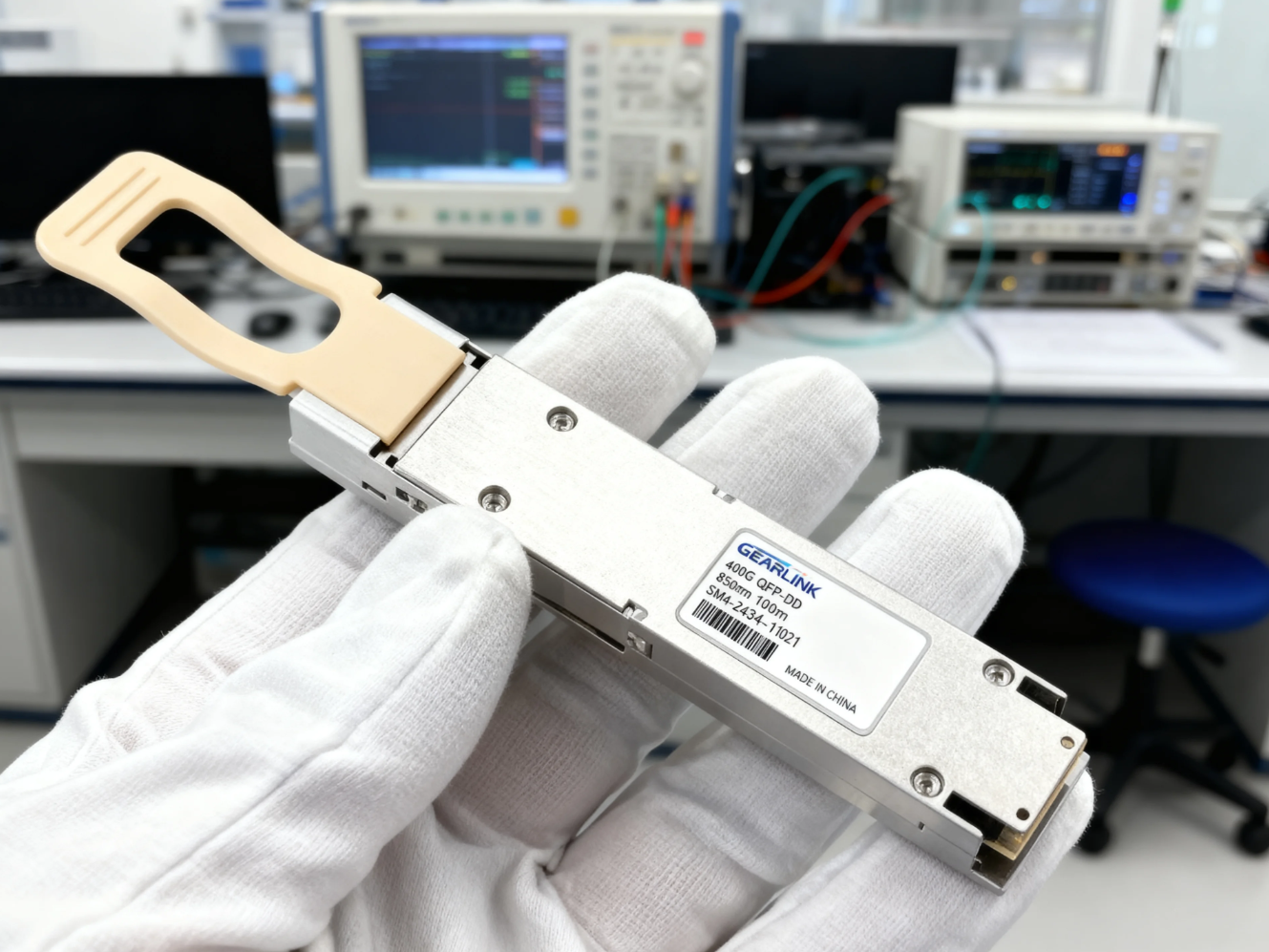
The journey of an optical module from raw materials to a functional component in a data center rack is a complex one, and the quality of this journey is a major differentiator. A top-tier 400G OSFP SR4 supplier operates a manufacturing process that adheres to the highest standards of quality control and operational efficiency.
Quality Control: A Non-Stop Process
Quality is not just a final inspection; it is an intrinsic part of the entire manufacturing process. Leading suppliers like Optictran have implemented comprehensive quality management systems (e.g., ISO 9001) that cover every stage, from component sourcing to final assembly and packaging. They maintain strict control over their supply chain, ensuring that all sub-components, such as lasers, drivers, and integrated circuits, are of the highest quality. Each module undergoes a multi-step testing process, including automated optical inspection, performance verification, and function-specific testing on a variety of host platforms. This rigorous approach ensures that every single module that leaves the facility is fully compliant with specifications and ready for deployment. The ability to provide detailed, serialized test data for each product offers unparalleled transparency and assurance to the customer.
Scalable and Efficient Manufacturing
The ability to meet high-volume demand is a hallmark of a mature and reliable supplier. With the rapid expansion of data centers, the need for 400G OSFP SR4 modules is growing exponentially. A leading supplier has the manufacturing capacity and logistical expertise to scale production efficiently without compromising on quality. This includes a robust inventory management system, streamlined production lines, and an efficient global logistics network. Timely delivery is often a critical factor for large-scale network deployments, and a supplier that can consistently meet these deadlines proves their reliability as a business partner.
The Partnership Factor: Technical Support and Customer Service
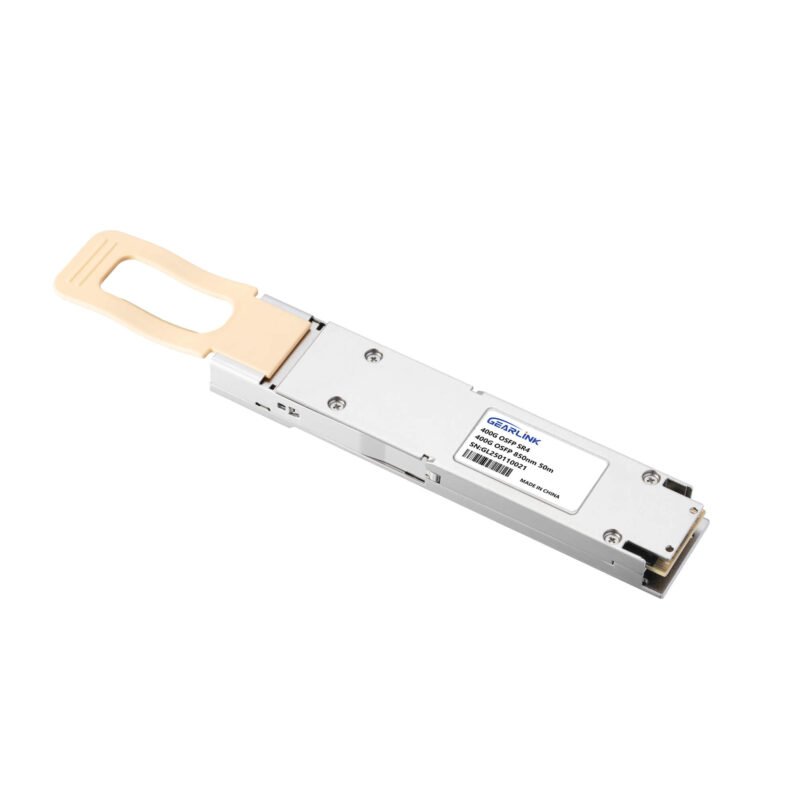
The final, and perhaps most significant, differentiator is the level of technical support and customer service offered. This is where a supplier transforms from a vendor into a true partner.
Accessible and Knowledgeable Technical Support
When a customer encounters an issue or has a technical question, a responsive and expert support team is invaluable. Leading 400G OSFP SR4 suppliers provide multiple channels for support, including phone, email, and live chat, staffed by experienced engineers who understand the complexities of optical networking. They can assist with a wide range of issues, from pre-sales questions about product compatibility and network design to post-sales troubleshooting. This level of personalized support builds trust and ensures that customers can quickly resolve any challenges they face.
A Commitment to Education and Long-Term Partnership
Beyond troubleshooting, a top-tier supplier acts as a trusted advisor. They stay abreast of the latest industry trends, standards, and technological advancements, and they share this knowledge with their customers. This can take the form of technical whitepapers, webinars, and one-on-one consultations. A supplier that invests in educating its customers helps them make strategic decisions that will benefit their network for years to come. Optictran’s dedication to this long-term partnership approach, offering not just products but also expertise and guidance, solidifies their position as a market leader.
Conclusion
In the demanding world of data center networking, the choice of a 400G OSFP SR4 supplier is a critical and multi-faceted decision. It requires a deep dive into factors that go far beyond basic price and specifications. The true leaders in this space are defined by their unwavering commitment to performance, reliability, and interoperability. They are distinguished by their manufacturing excellence and their ability to offer exceptional technical support and a partnership-oriented approach to customer service. By carefully evaluating these factors, network professionals can select a supplier that not only provides high-quality components but also serves as a reliable partner in building a future-proof network infrastructure, ready to handle the ever-increasing demands of the digital age.
FAQ
Q: Why is the OSFP form factor a good choice for 400G short-reach applications? A: The OSFP form factor is well-suited for 400G SR4 applications because its slightly larger size provides better thermal dissipation, which is crucial for high-power 400G modules. It also has a more robust electrical interface, making it an excellent choice for high-density, short-distance data center connections.
Q: What does “short-reach” mean in the context of 400G OSFP SR4? A: “Short-reach” (SR) refers to the maximum distance the optical signal can travel. For the 400G OSFP SR4, this distance is typically up to 100 meters over OM4 multi-mode fiber. This makes it ideal for inter-rack and intra-data center connections.
Q: How does a supplier’s quality control process affect my network’s reliability? A: A supplier with a rigorous quality control process, including comprehensive testing at every stage of production, provides modules with a significantly lower failure rate. This directly translates to higher network uptime, reduced maintenance costs, and greater overall network reliability.