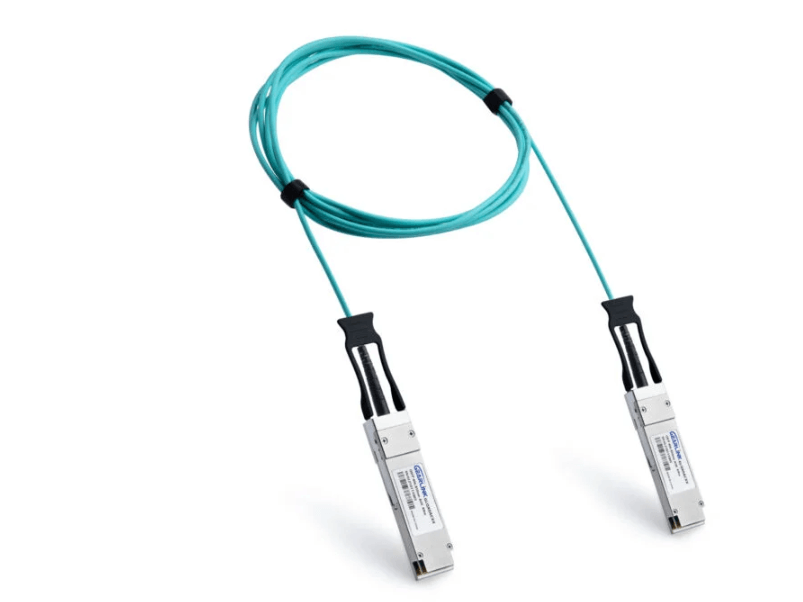
In the contemporary era of cloud computing and big data, the architecture of a network is only as strong as its weakest interconnect. As enterprises scale their operations into 2026, the demand for high-speed, low-latency links has led many to prioritize the 40g active optical cable over traditional copper solutions. While 100G and 400G technologies are essential for the network core, the 40G layer remains the critical “sweet spot” for many Top-of-Rack (ToR) to leaf switch connections. This integrated optical assembly offers a unique combination of long-distance reach and ease of use, eliminating the complexities associated with discrete transceivers. For network engineers who are tasked with maintaining 99.999% uptime, the reliability and electromagnetic immunity of this cable make it an indispensable tool. By exploring the technical advantages of this technology, we can see why it has become the default choice for modern high-density cabling environments.
Technical Architecture: The Inner Workings of AOC
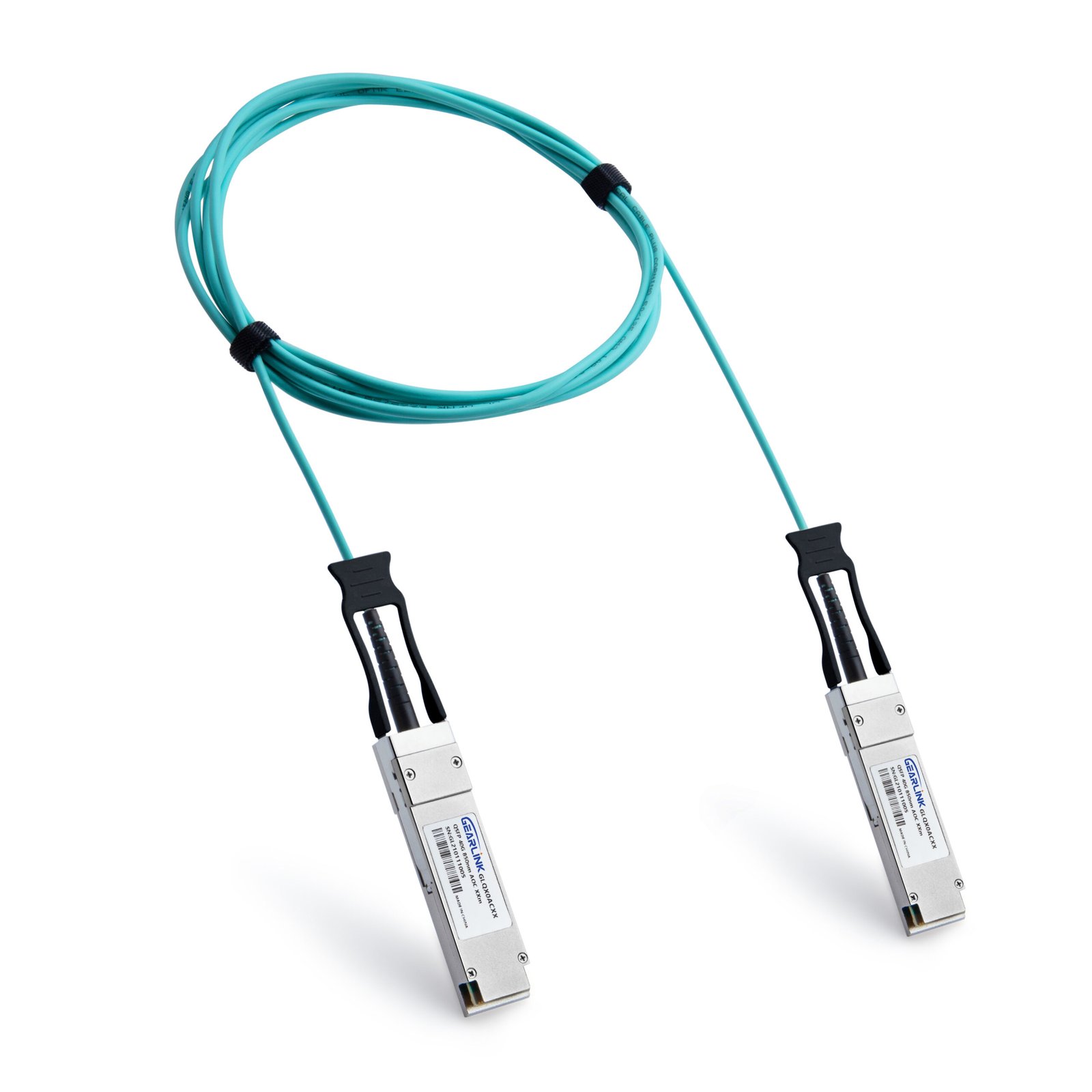
The 40g active optical cable is an engineering marvel that integrates the functions of transceivers and fiber optic cables into a single, pre-terminated unit. At its core, the cable utilizes four independent transmit and receive channels, each capable of handling 10 Gbps. These channels are housed within a QSFP+ (Quad Small Form-factor Pluggable Plus) connector, which contains a sophisticated array of VCSEL (Vertical-Cavity Surface-Emitting Laser) diodes and photodetectors.
Unlike passive copper cables, the AOC performs an active electrical-to-optical conversion inside the connector shell. This allows the signal to travel over lightweight multimode fiber rather than heavy copper wire. Because the conversion is self-contained, the user does not need to worry about the cleanliness of the optical interface or the precision of the fiber alignment. This “plug-and-play” simplicity significantly reduces the chance of human error during installation. Furthermore, the active electronics within the cable provide signal conditioning and equalization, ensuring that the data reaches its destination with minimal jitter and a very low bit-error rate.
Performance Comparison: AOC vs. DAC in Modern Racks
When deciding on a connectivity strategy, the comparison between the 40g active optical cable and Direct Attach Copper (DAC) is inevitable. While DAC is often chosen for extremely short distances (under 5 meters) due to its lower cost, it faces significant physical limitations as distances grow. Copper cables are thick, heavy, and susceptible to electromagnetic interference (EMI).
EMI Immunity and Signal Integrity
The most profound advantage of the 40g active optical cable is its complete immunity to EMI. In a dense server rack where hundreds of cables are bundled together, the electrical noise generated by power supplies and other high-speed links can degrade the performance of copper cables. Since the AOC transmits data via light pulses, it is unaffected by this interference. This ensures a clean, stable connection regardless of how many cables are packed into the cable management tray.
Airflow Optimization and Thermal Efficiency
From a physical standpoint, the AOC is significantly thinner and more flexible than its copper counterparts. In 2026, thermal management is a primary concern for data center operators. Thicker cables block the airflow from the front of the server to the exhaust fans at the back, leading to “hot spots” that can reduce the lifespan of expensive networking hardware. By using the 40g active optical cable, network managers can improve the airflow efficiency of their racks, leading to lower cooling costs and a more sustainable operation. This flexibility also allows for a much tighter bend radius, which is essential for maintaining organized cabling in modern, space-constrained environments.
Strategic Applications in Enterprise Networking
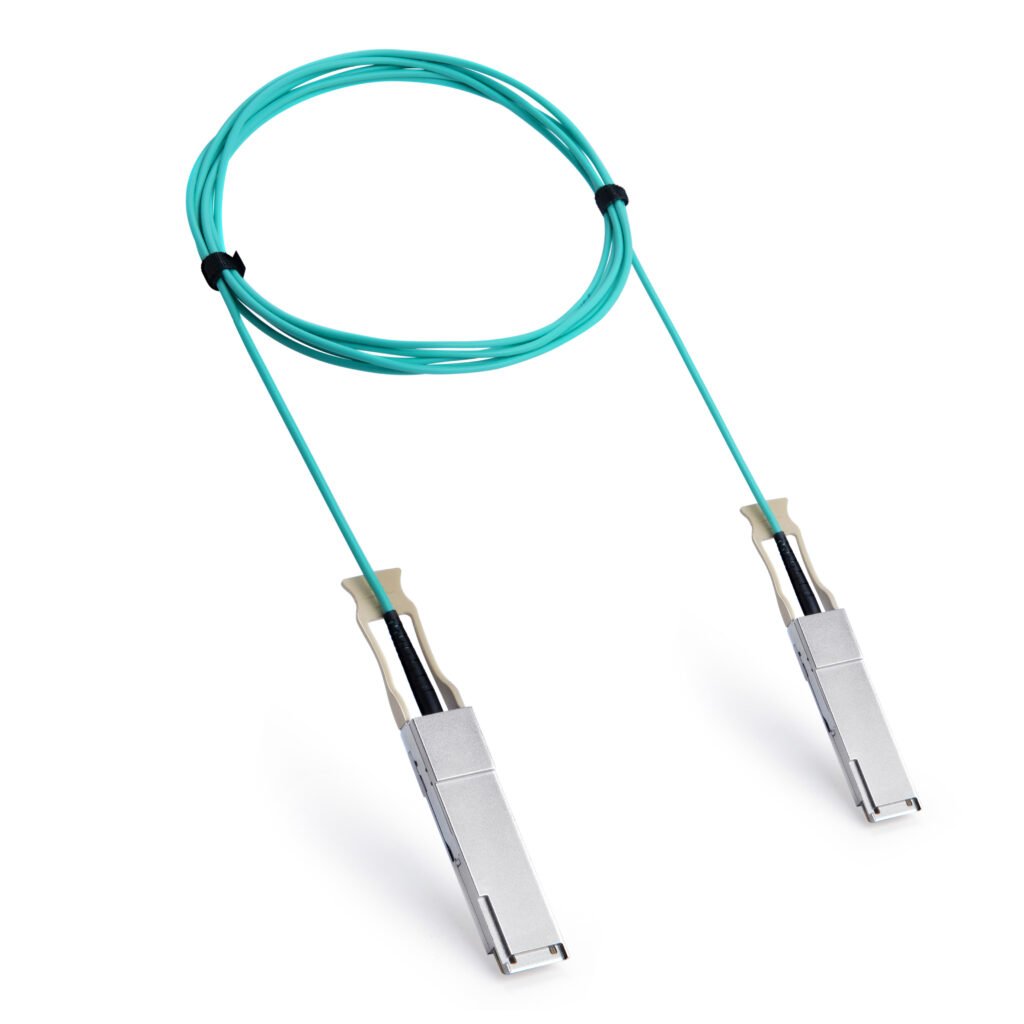
The deployment of the 40g active optical cable is not limited to just one type of environment. Its versatility makes it a preferred solution across various high-performance sectors.
High-Frequency Trading and Low-Latency Storage
In the world of high-frequency trading (HFT), every microsecond counts. The 40g active optical cable provides an extremely low-latency path for data, as the optical signal travels at the speed of light through the fiber core. This speed is also vital for modern storage area networks (SANs) that utilize NVMe-over-Fabrics. By ensuring that data can move between the server and the storage array without delay, the AOC helps organizations maximize the performance of their high-speed SSD investments.
Cloud Computing and Virtualized Environments
For cloud service providers, the ability to rapidly scale is a competitive necessity. Because the 40g active optical cable is a factory-tested, integrated unit, it can be deployed much faster than traditional transceiver-and-patch-cord combinations. There is no need for specialized cleaning kits or microscopic inspection tools. This allows for a “set it and forget it” installation process, which is ideal for the massive, automated deployments seen in modern hyper-scale data centers. As networks grow, the ease of managing a single part number for an entire link simplifies the logistics and inventory management for the IT team.
Reliability and Quality Standards in 2026
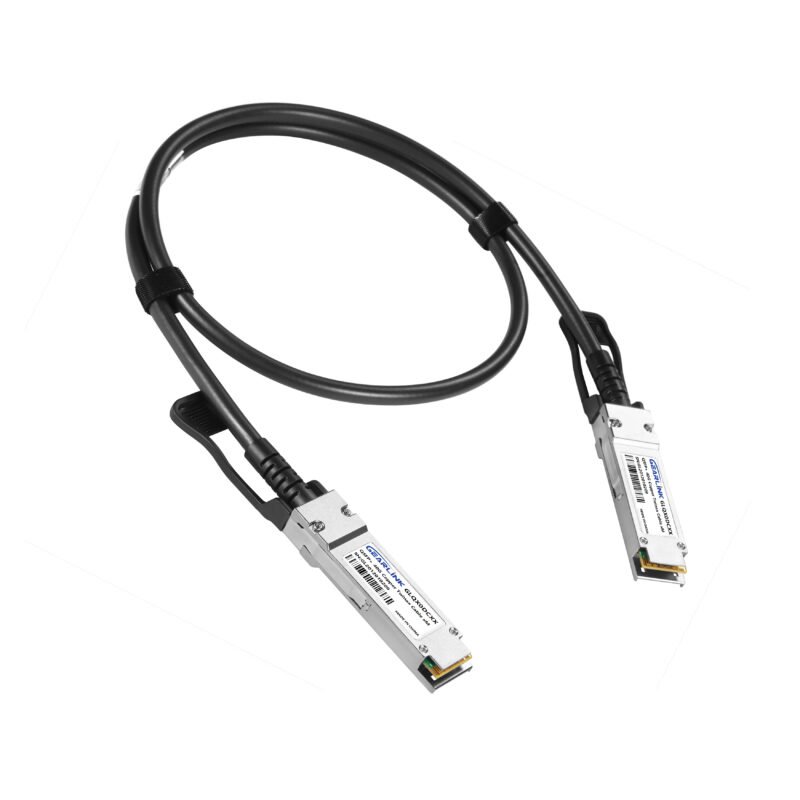
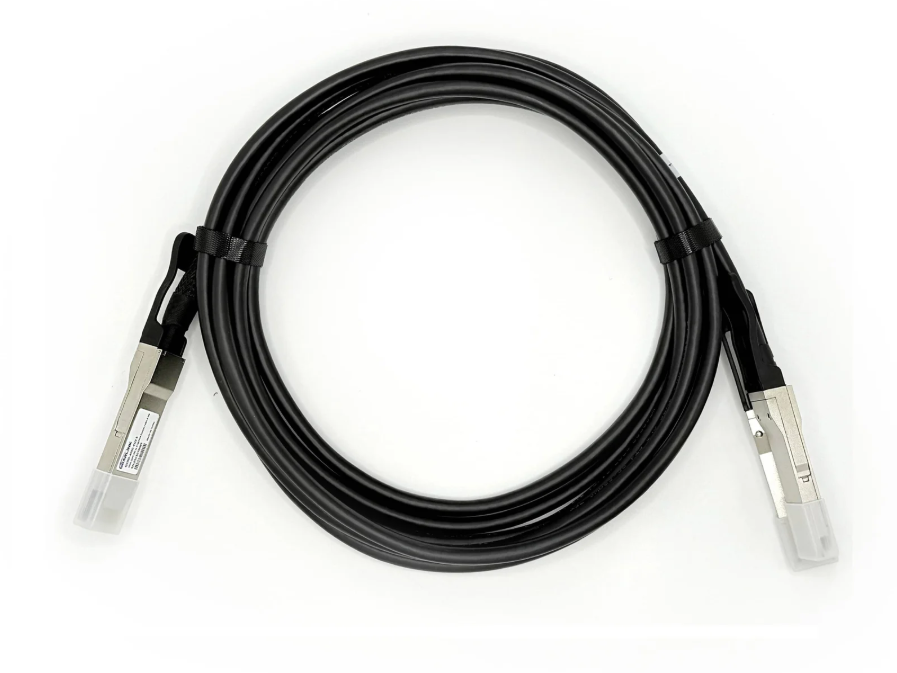
40G QSFP+ Active Direct Attach Copper Cable
Price range: NT$17 through NT$21
At OpticTran, we believe that the value of a 40g active optical cable is defined by its reliability over years of continuous operation. To achieve this, every cable must adhere to the strict Multi-Source Agreement (MSA) standards. This ensures that the cable will handshake correctly with switches and routers from any major hardware vendor.
Intelligent Monitoring with DDM
A critical feature of a professional-grade 40g active optical cable is the inclusion of Digital Diagnostics Monitoring (DDM). This allows the network switch to read the real-time status of the cable, including its temperature, laser power, and voltage levels. In the automated networks of 2026, this telemetry data is used by AI-driven management systems to predict when a cable might be nearing the end of its life. By identifying a potential failure before it happens, administrators can perform maintenance during scheduled windows, thereby avoiding costly emergency downtime.
Sustainable Manufacturing and Values
Finally, the transition to optical technology represents a commitment to energy efficiency. By consuming less power than older high-speed copper alternatives, the 40g active optical cable helps organizations reduce their overall carbon footprint. Choosing high-quality components from a trusted partner like OpticTran ensures that your network is not only fast and reliable but also built on a foundation of responsible engineering. This alignment of performance and ethics is what defines the leaders of the digital infrastructure industry today.
Frequently Asked Questions (FAQ)
Q1: What is the maximum reach of a 40g active optical cable?
A: Most AOCs are optimized for distances up to 100 meters on OM3 or OM4 multimode fiber. For connections requiring several kilometers, single-mode fiber and discrete QSFP+ transceivers are usually the recommended solution.
Q2: Are these cables compatible with 10G SFP+ ports using an adapter?
A: No, a 40g active optical cable requires a native QSFP+ port. However, you can use a “breakout” version of the AOC (QSFP+ to 4x SFP+) to connect a 40G port on one switch to four 10G ports on another.
Q3: Why should I choose AOC over buying two transceivers and a fiber cable?
A: The AOC is generally more cost-effective for short-to-medium distances. More importantly, it is a sealed unit that prevents dust and dirt from contaminating the optical interface, which is the most common cause of network errors in traditional fiber setups.