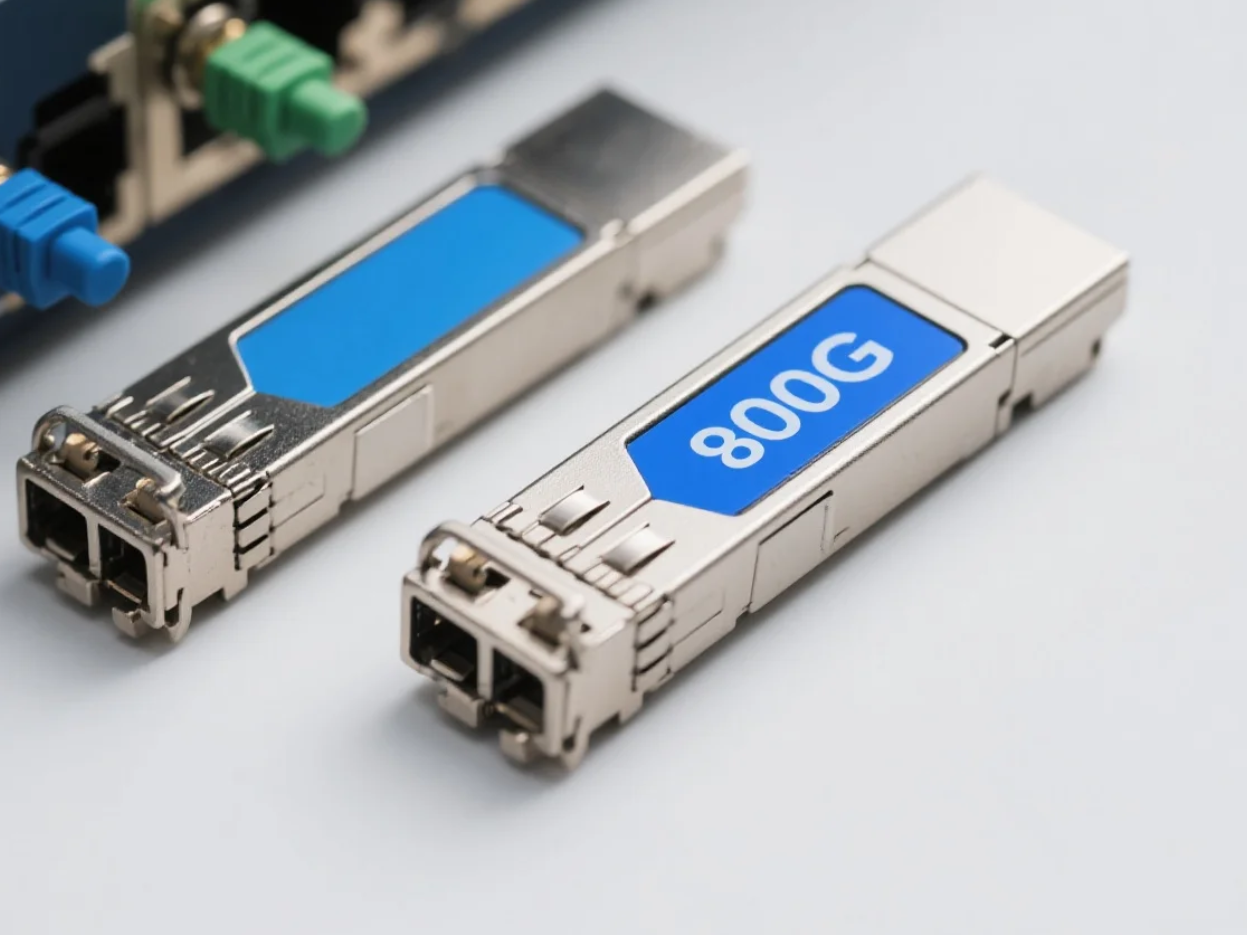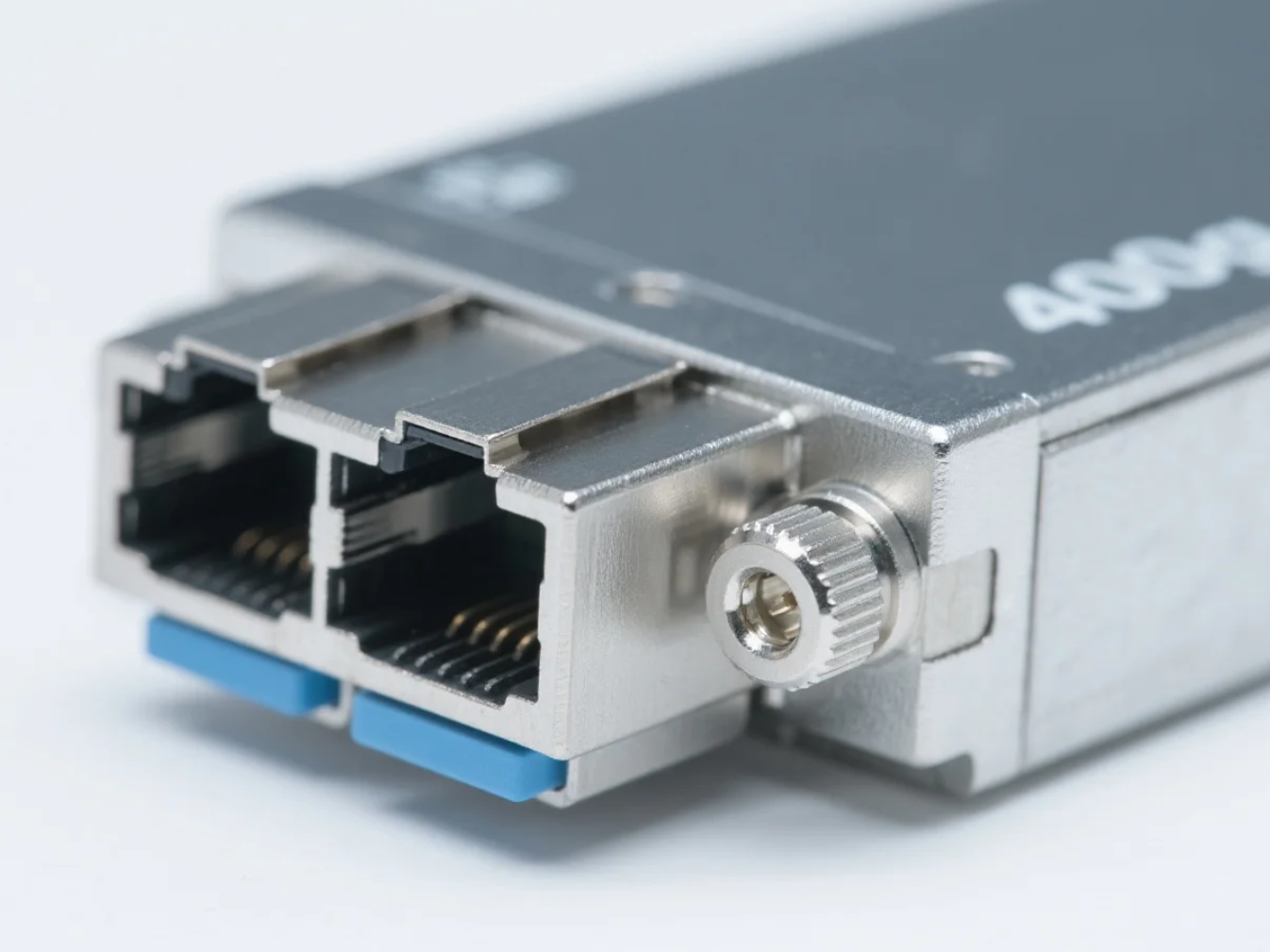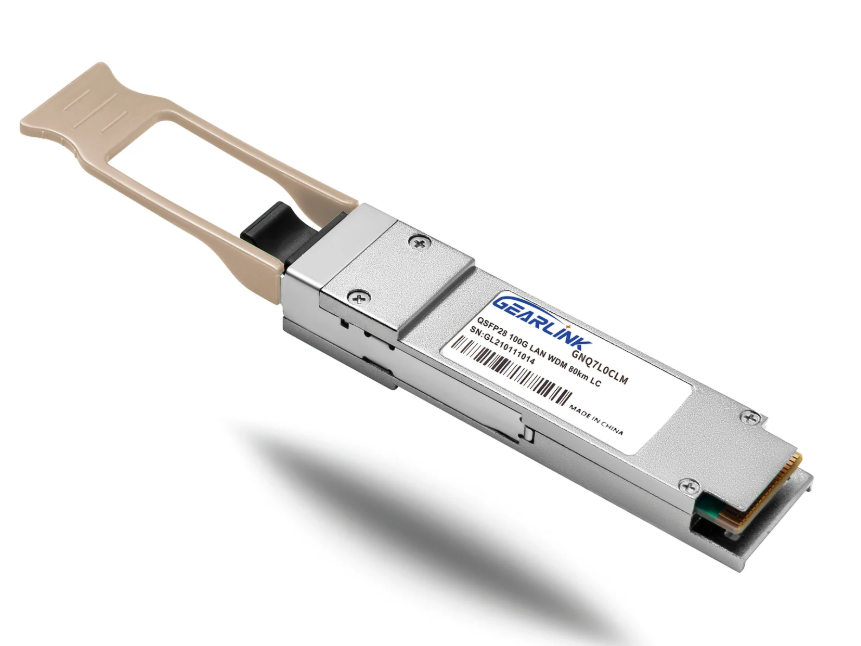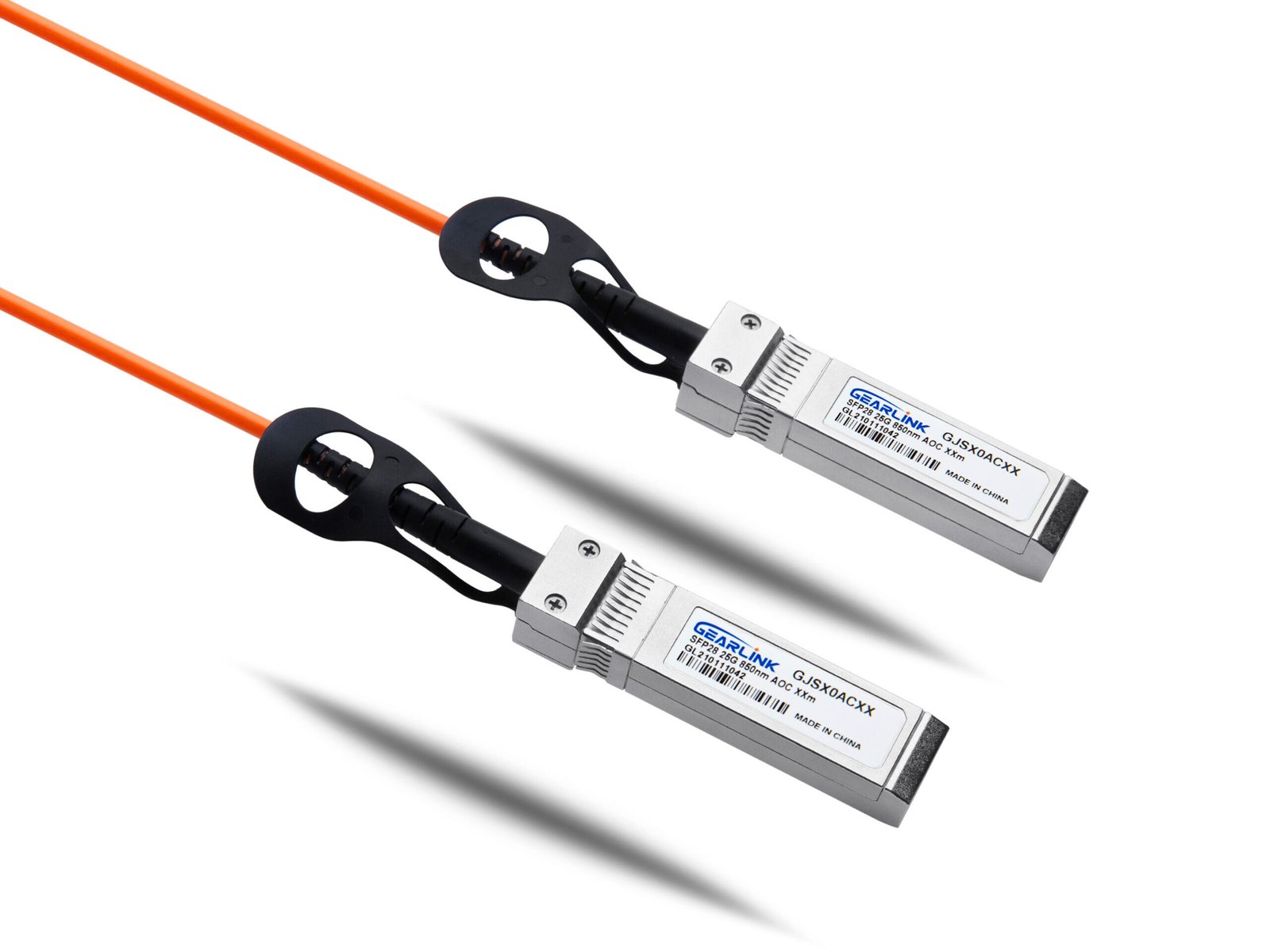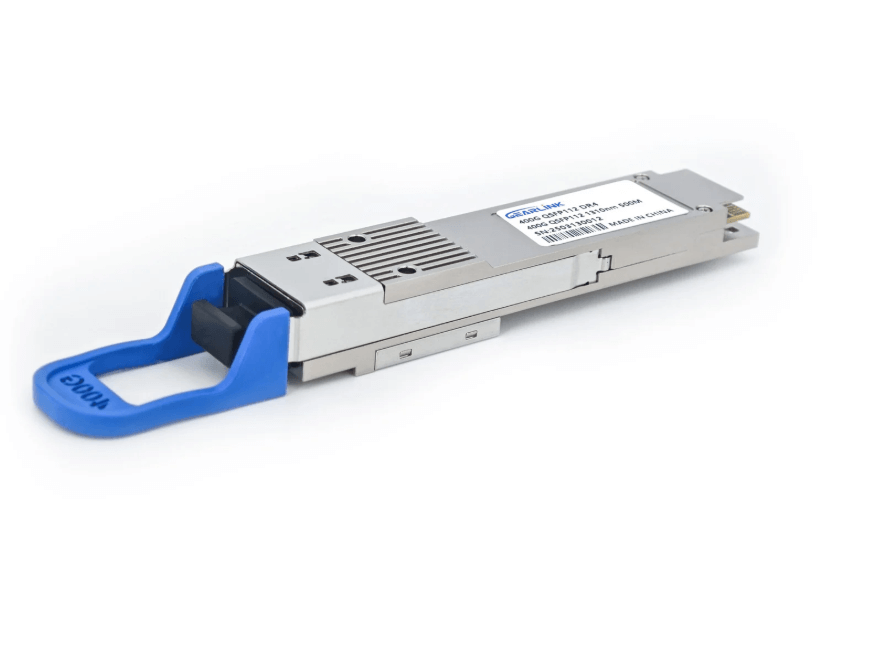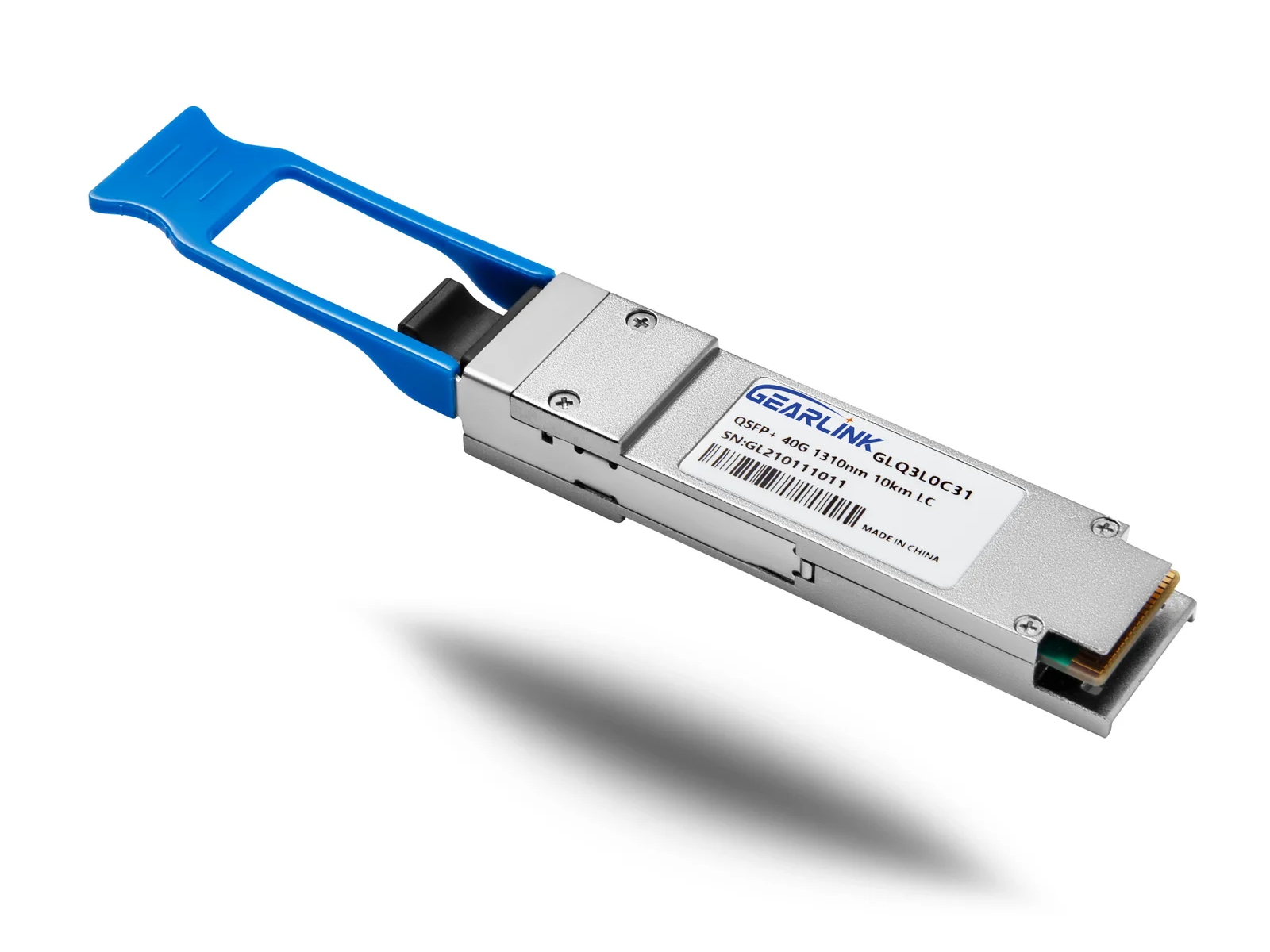
In the rapidly evolving landscape of telecommunications, the transition toward higher bandwidth has never been more urgent. As data centers and enterprise networks expand, the demand for reliable, long-distance interconnects has solidified the position of the 40G QSFP+ LR4 as a cornerstone of modern fiber optics. While newer 100G and 400G standards continue to emerge, this specific transceiver remains an essential asset for those bridging the gap between legacy 10G infrastructures and next-generation high-speed environments. Designed to facilitate 40Gbps data rates over single-mode fiber, the 40G QSFP+ LR4 offers a unique balance of cost-efficiency and technical performance. For network engineers and IT procurement professionals, understanding the intricate mechanics of this module is not merely about hardware selection; it is about ensuring the long-term stability and scalability of their digital foundations. This article provides a comprehensive analysis of the technology, its structural advantages, and its specialized applications in the field of high-speed networking.
Technical Architecture: The Power of CWDM Technology
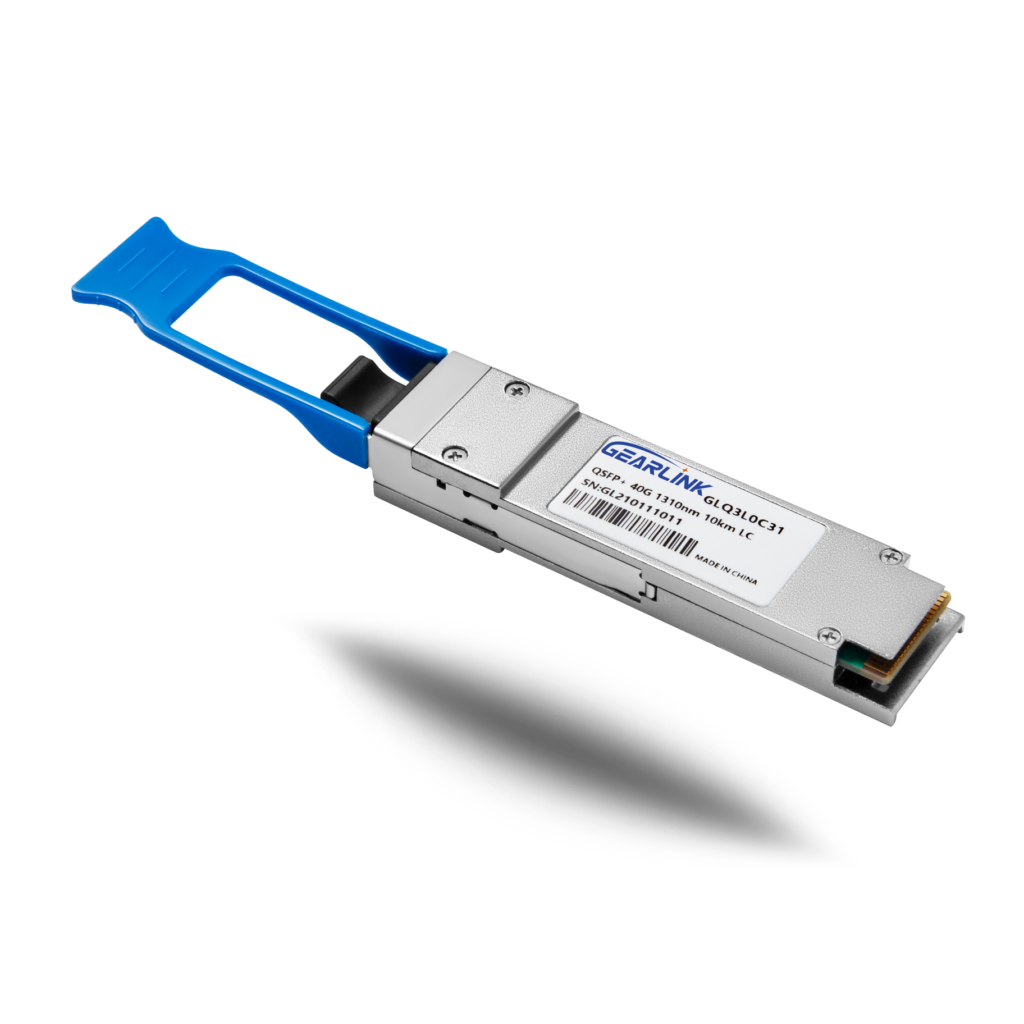
The technical brilliance of the 40G QSFP+ LR4 lies in its utilization of CWDM (Coarse Wavelength Division Multiplexing) technology. Unlike short-reach modules that rely on multiple parallel fiber strands, the LR4 variant is engineered to transmit and receive data over a single pair of standard single-mode fibers. This approach significantly simplifies the physical cabling requirements within a facility.
Four-Lane Wavelength Multiplexing
Internally, the module converts four independent input channels of 10Gbps electrical data into four distinct optical signals. These signals operate at wavelengths of 1271nm, 1291nm, 1311nm, and 1331nm. By multiplexing these four wavelengths into a single optical stream, the 40G QSFP+ LR4 maximizes the efficiency of the existing fiber plant, significantly reducing the cost associated with cable installation.
Signal De-multiplexing and LC Connectivity
On the receiving end, the process is reversed. An integrated de-multiplexer separates the combined optical signal back into its four constituent wavelengths, which are then converted back into electrical data for the host switch. The use of the LC duplex connector ensures compatibility with the most common fiber patching standards found in enterprise environments. By integrating these complex optical components into the compact QSFP+ footprint, the 40G QSFP+ LR4 provides a high-density solution that does not compromise on thermal management or power efficiency.
Performance Metrics: Achieving 10km Reach with Precision
One of the most compelling characteristics of the 40G QSFP+ LR4 is its reach. While multimode solutions like the SR4 are limited to approximately 300 to 400 meters, the LR4 standard is specifically optimized for G.652 single-mode fiber, making it the primary choice for campus backbones and metropolitan area networks.
Low Attenuation and Zero-Dispersion Optimization
The inherent low attenuation of single-mode fiber allows the 40G QSFP+ LR4 to maintain a clean signal over the full 10km span without the need for intermediate amplification. Moreover, because it operates within the 1310nm window—the zero-dispersion point for standard single-mode fiber—it minimizes chromatic dispersion. This technical advantage ensures that the high-speed pulses of light do not “spread out” as they travel, which is a common cause of bit errors in long-distance links.
Consistent Low Latency for Real-Time Data
Consequently, network administrators can rely on the 40G QSFP+ LR4 to deliver a consistent, low-latency connection. This is essential for modern real-time applications such as financial trading, high-definition video conferencing, and large-scale cloud synchronization. The stability of the 1310nm signal ensures that packets arrive in order and without the jitter often associated with more complex, distance-stretching technologies.
Operational Excellence: Power Efficiency and Diagnostics
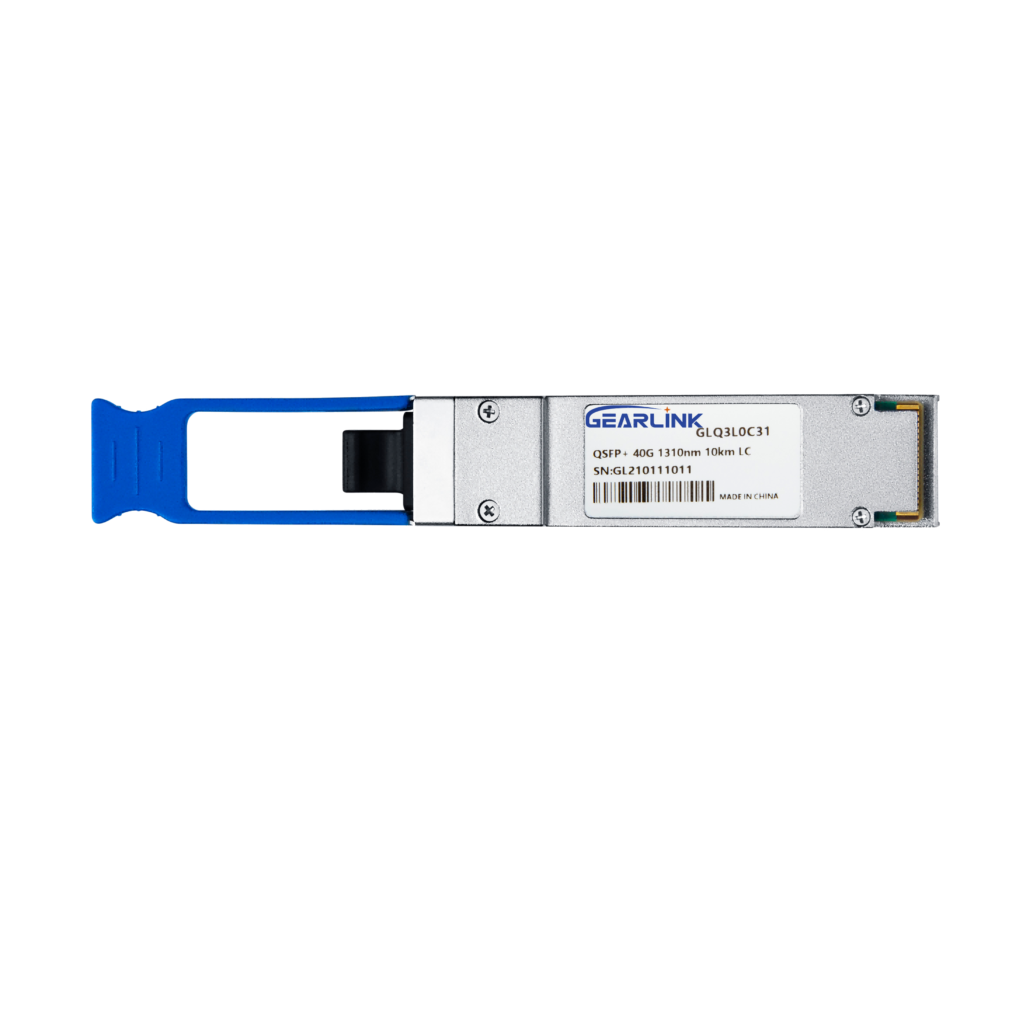
From an operational perspective, the 40G QSFP+ LR4 is valued for its hot-pluggable nature and low power consumption. Most modern modules are designed to consume less than 3.5 watts, which is a vital consideration in high-density switch environments where heat dissipation is a constant challenge.
Thermal Management in High-Density Racks
By choosing the 40G QSFP+ LR4, data center managers can increase their port density without exceeding the thermal limits of their cooling infrastructure. This efficiency also contributes to a lower total cost of ownership (TCO) over the lifecycle of the network equipment. Reduced power consumption leads to lower utility costs and extended hardware longevity, aligning with the professional value of sustainable infrastructure.
Intelligent Monitoring with DDM/DOM
Moreover, the integration of Digital Diagnostics Monitoring (DDM) allows for real-time tracking of the module’s health. Technicians can monitor parameters such as optical output power, temperature, and supply voltage directly from the switch’s command-line interface. This proactive approach ensures that potential issues within a 40G QSFP+ LR4 link can be identified and mitigated before they lead to a service disruption.
Strategic Value: Future-Proofing Your Fiber Investment
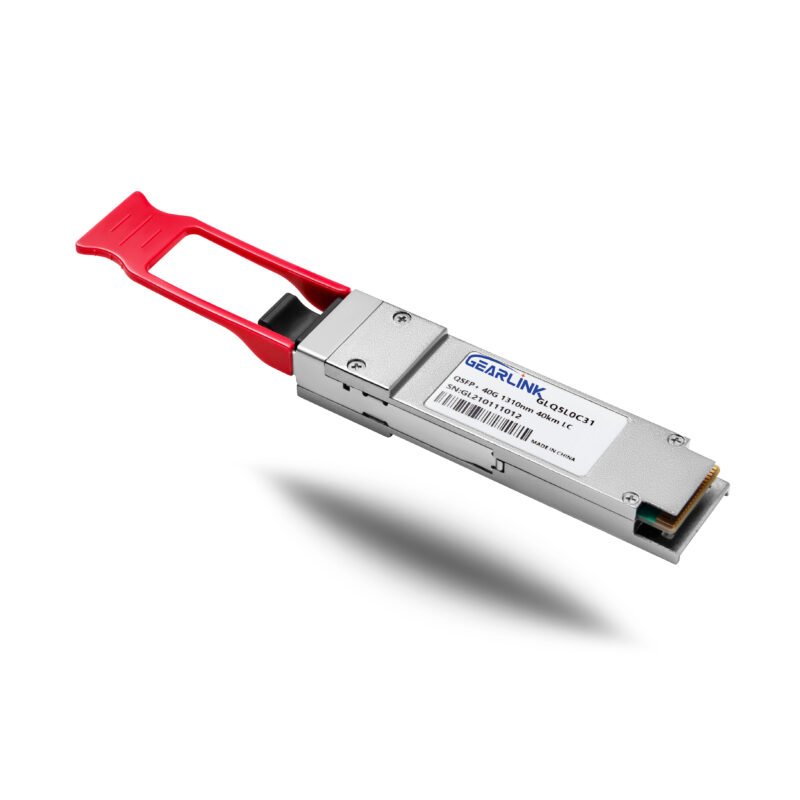
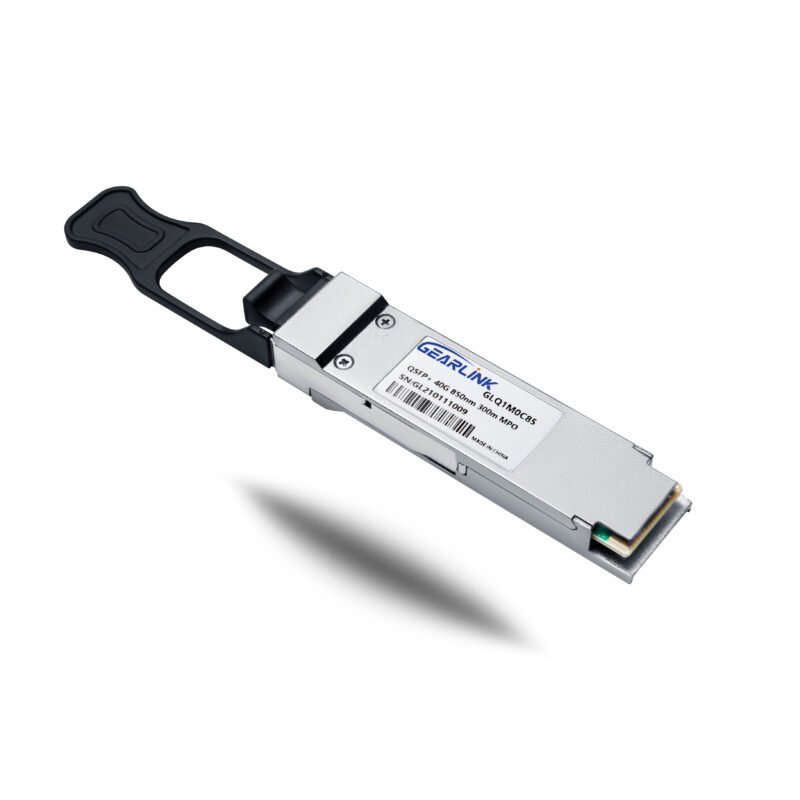
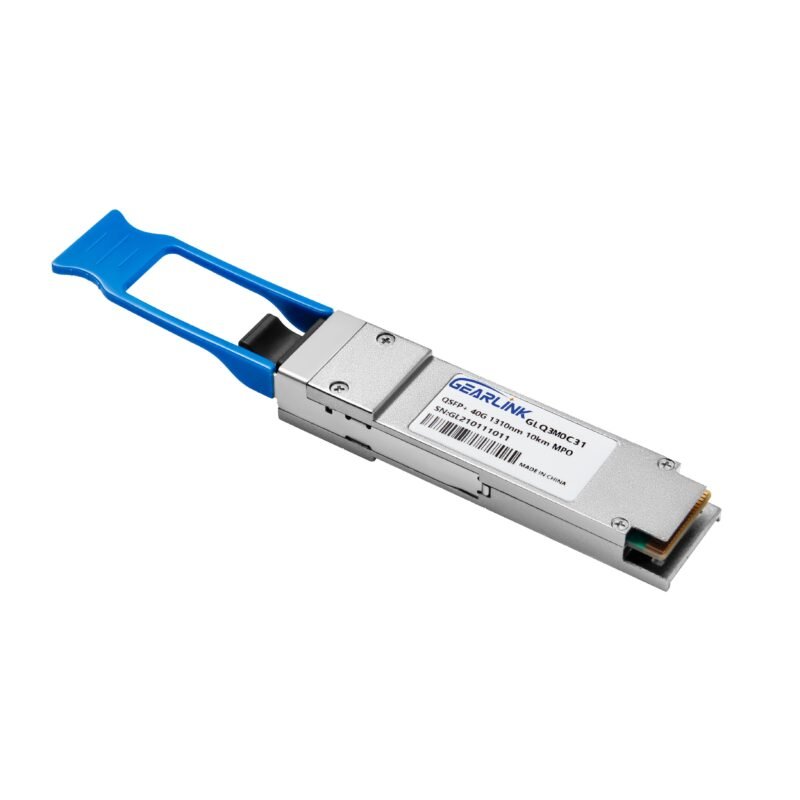
As the industry moves toward 100G and beyond, the 40G QSFP+ LR4 remains a highly cost-effective method for expanding existing 40G networks without requiring a complete hardware overhaul. Because it uses standard single-mode fiber, the cabling infrastructure installed today for LR4 links will remain perfectly compatible with future upgrades.
Scalability and Legacy Integration
This modular approach to network growth aligns with a responsible engineering philosophy. By investing in the 40G QSFP+ LR4, organizations can meet their current bandwidth requirements with precision while simultaneously laying the groundwork for future expansion. The reliability of the 1310nm CWDM technology has been proven over years of field deployment, making it one of the most trusted solutions in the optical transceiver market.
Professional Reliability in Global Networking
Whether for a service provider looking to connect edge nodes or an enterprise building a resilient disaster recovery site, the 40G QSFP+ LR4 continues to deliver the professional performance required in the digital economy. At OpticTran, we believe that providing high-quality modules like the 40G QSFP+ LR4 is about more than just connectivity; it is about building the resilient highways of information that power global progress.
Frequently Asked Questions (FAQ)
Q1: What is the maximum distance supported by a 40G QSFP+ LR4?
A: The standard 40G QSFP+ LR4 is designed to support a transmission distance of up to 10 kilometers over standard G.652 single-mode fiber (SMF).
Q2: Does the 40G QSFP+ LR4 use MPO/MTP or LC connectors?
A: It utilizes a Duplex LC connector. This is because it multiplexes four wavelengths onto a single fiber pair for efficient two-strand transmission.
Q3: Is the 40G QSFP+ LR4 compatible with multimode fiber?
A: No, the 40G QSFP+ LR4 is strictly designed for single-mode fiber. Using it with multimode fiber will result in extreme signal loss and very limited distance.
Q4: Can I use a 40G QSFP+ LR4 in a 100G QSFP28 port?
A: In many switches, yes. Most 100G QSFP28 ports are backward compatible with QSFP+ modules. However, the port will operate at 40G speeds, not 100G.
Q5: What is the difference between 40G LR4 and 40G PLR4?
A: While the 40G QSFP+ LR4 uses 2 fibers and CWDM technology, the PLR4 (Parallel LR4) uses 8 fibers and MPO connectors. PLR4 is typically used for “breakout” applications where one 40G port connects to four 10G LR ports.