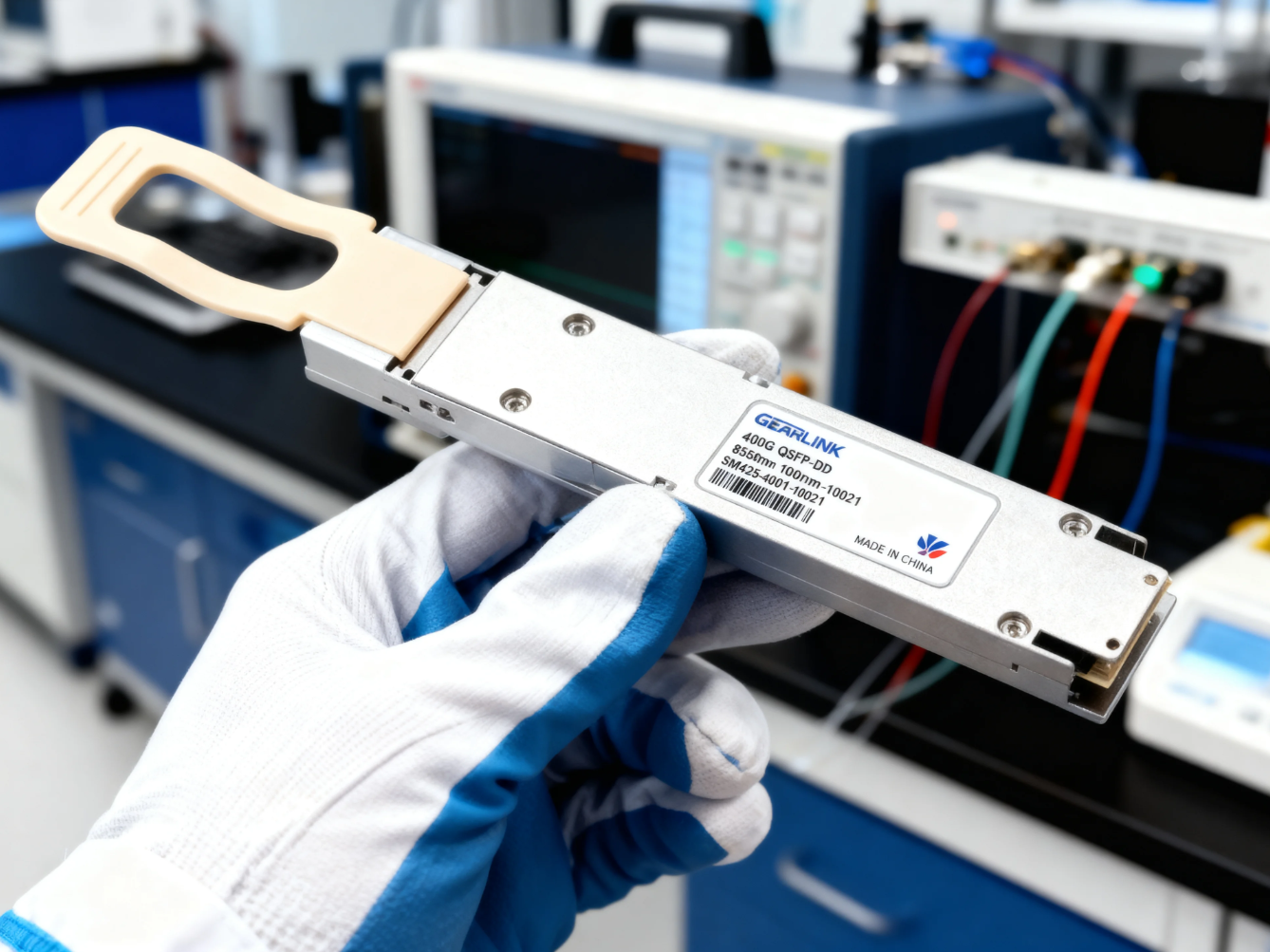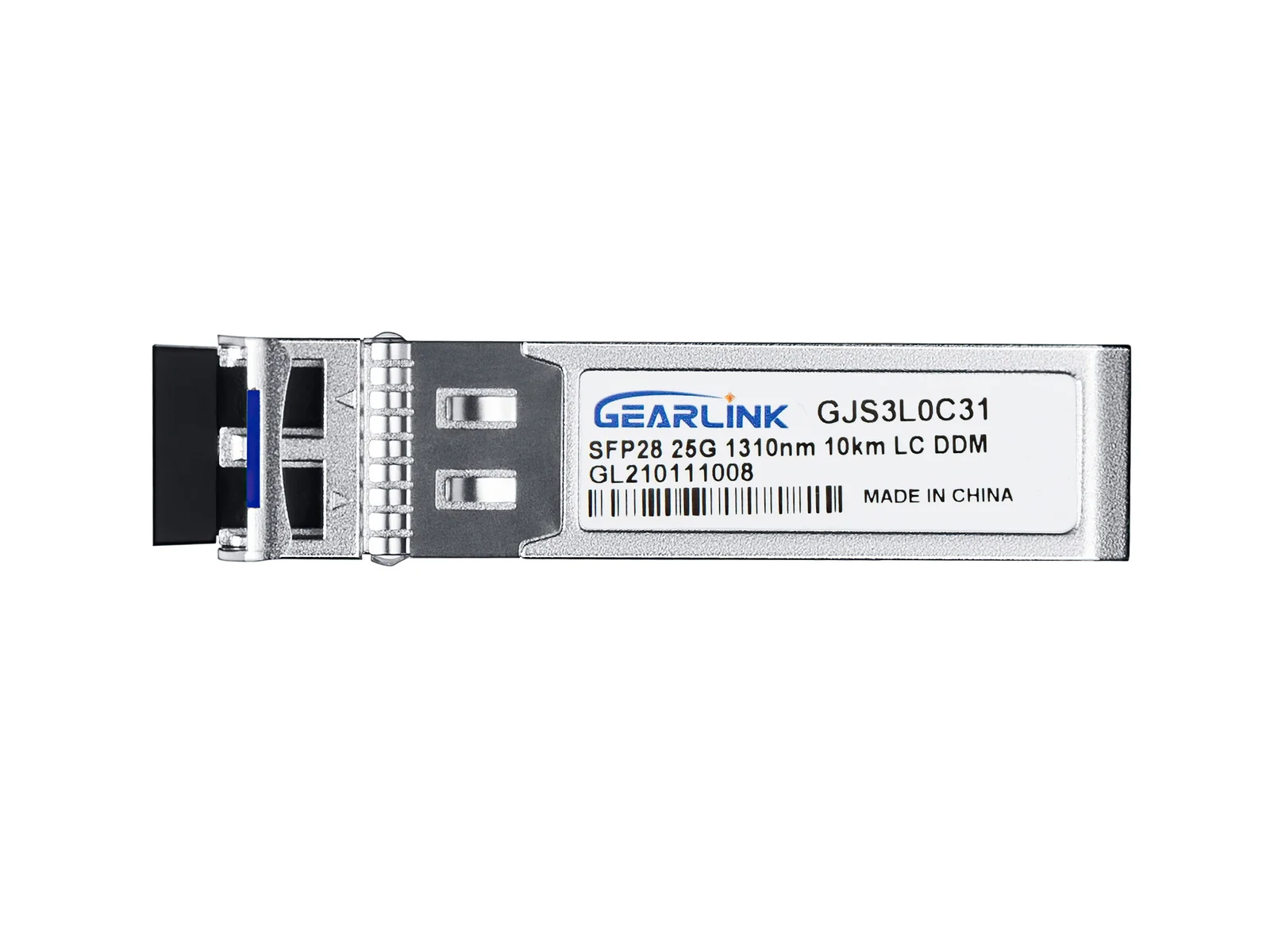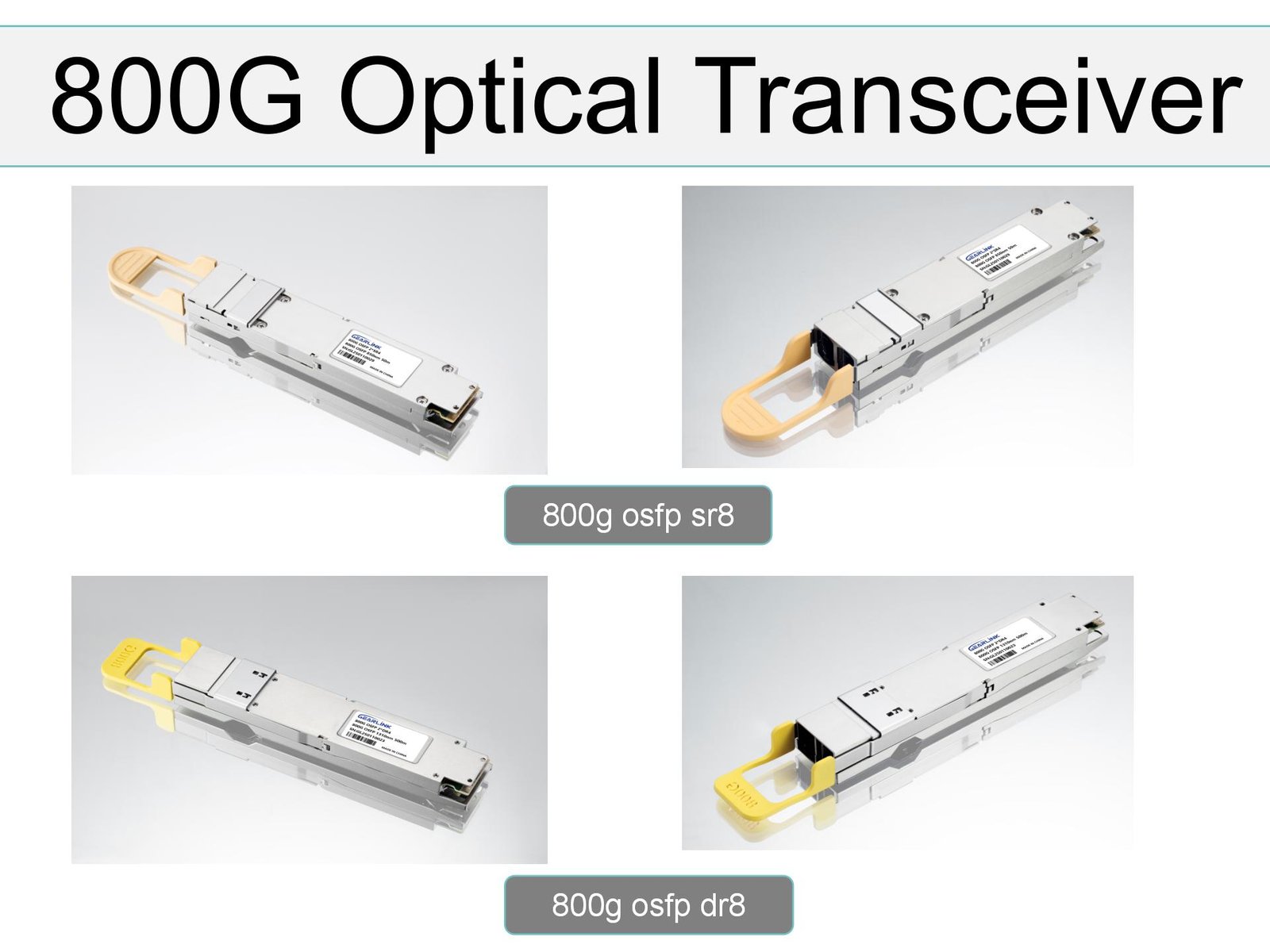
The 800G optical transceiver has been regarded as the next-generation solution for data center and telecom networks. With the increasing demand for AI computing, high-performance networking, and large-scale cloud applications, the market for 800G optical modules has been rapidly expanded. In this article, the technology, standards, market growth, power consumption, and vendor offerings of 800G optical transceivers will be analyzed.
Introduction to 800G Optical Transceiver
The 800G optical transceiver has been defined as an advanced optical communication module capable of transmitting data at 800 gigabits per second. It is primarily deployed in hyperscale data centers, AI clusters, and high-performance computing environments.
What is an optical transceiver?
An optical transceiver is a device used to convert electrical signals into optical signals and back into electrical signals at the receiving side. When the 800G optical transceiver is applied, ultra-high bandwidth can be achieved to support next-generation Ethernet networks.
Technical Features of 800G Optical Transceiver
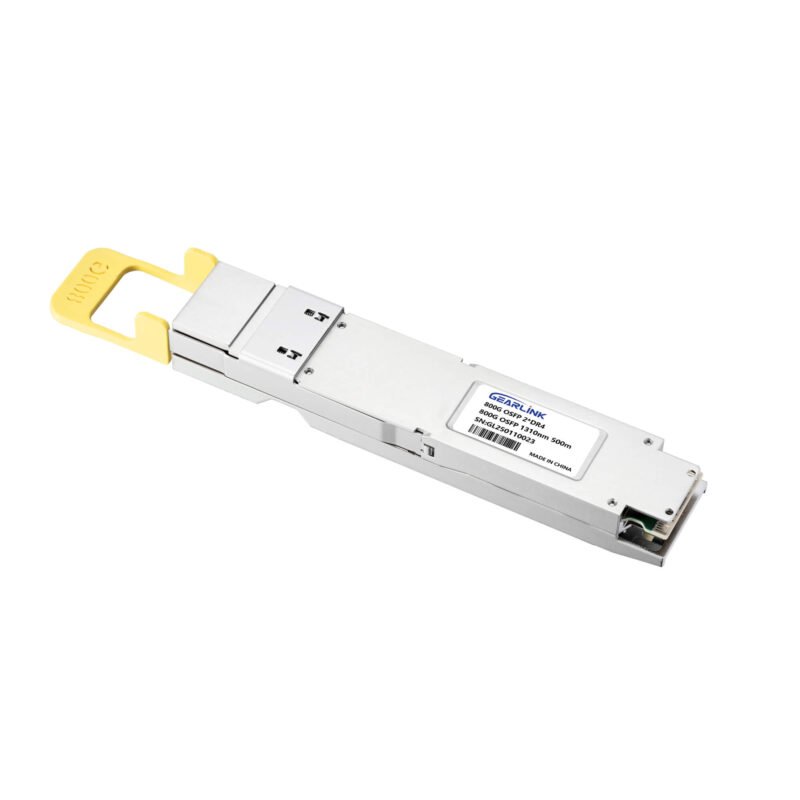
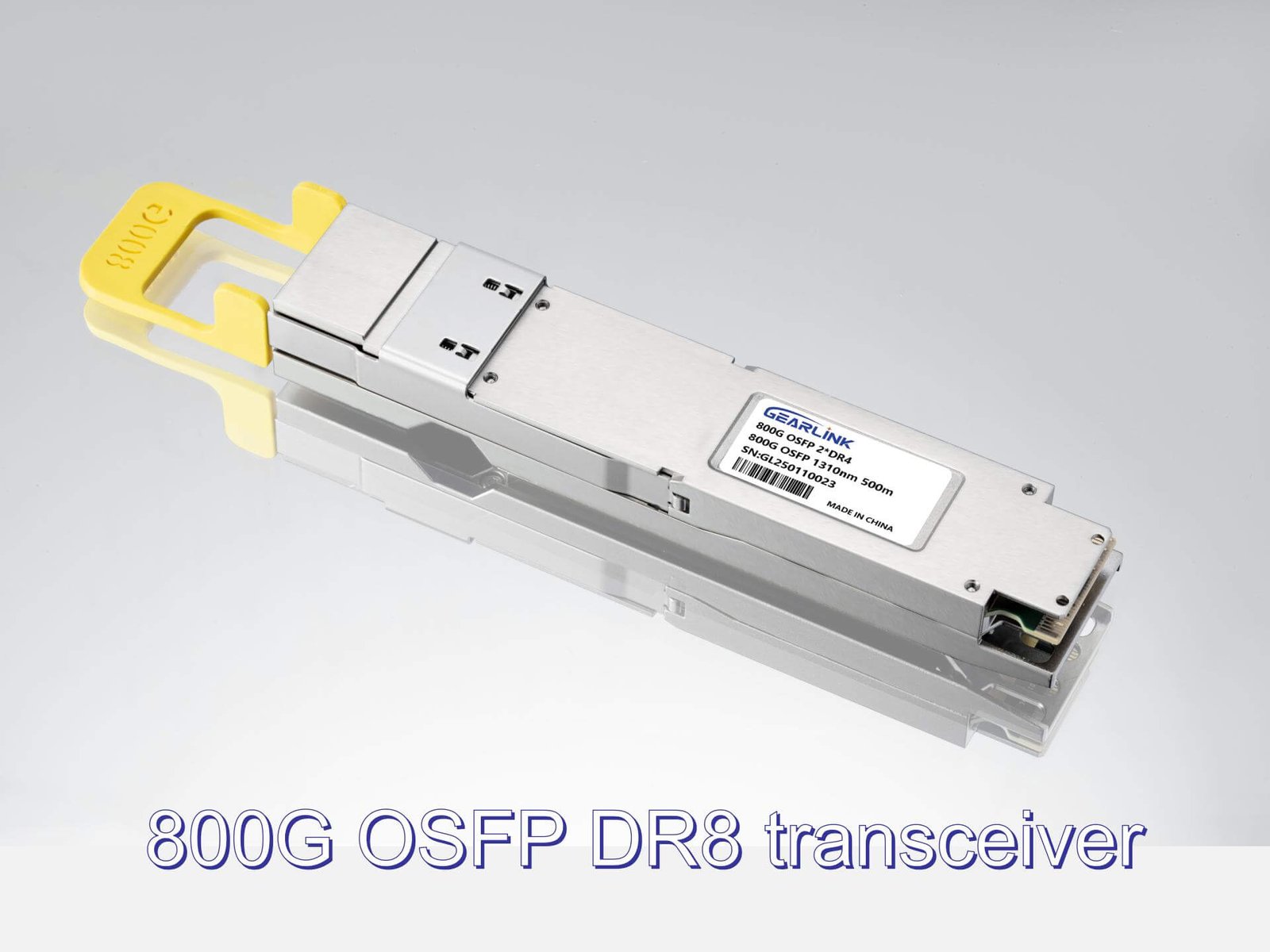
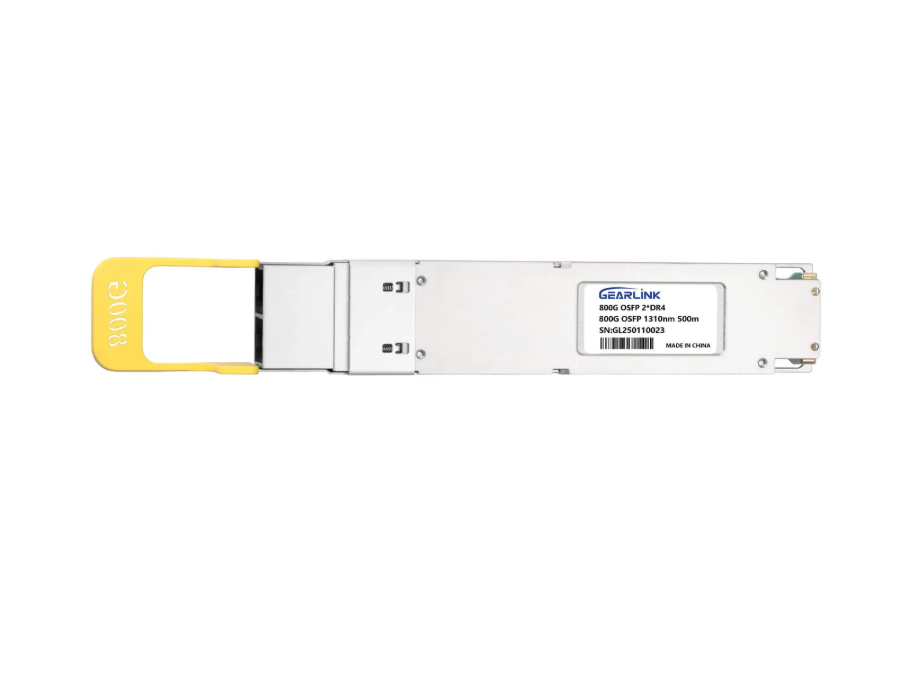
800GBASE 2 x DR4/DR8 OSFP PAM4 1310nm 500m DOM Dual MPO-12/APC SMF Optical Transceiver Module
Price range: NT$1,699 through NT$1,768
Form Factors of 800G Optical Modules
The 800G optical transceiver has been standardized into multiple form factors. Among them, OSFP 800G optical transceiver and QSFP-DD 800G optical transceiver have been widely adopted.
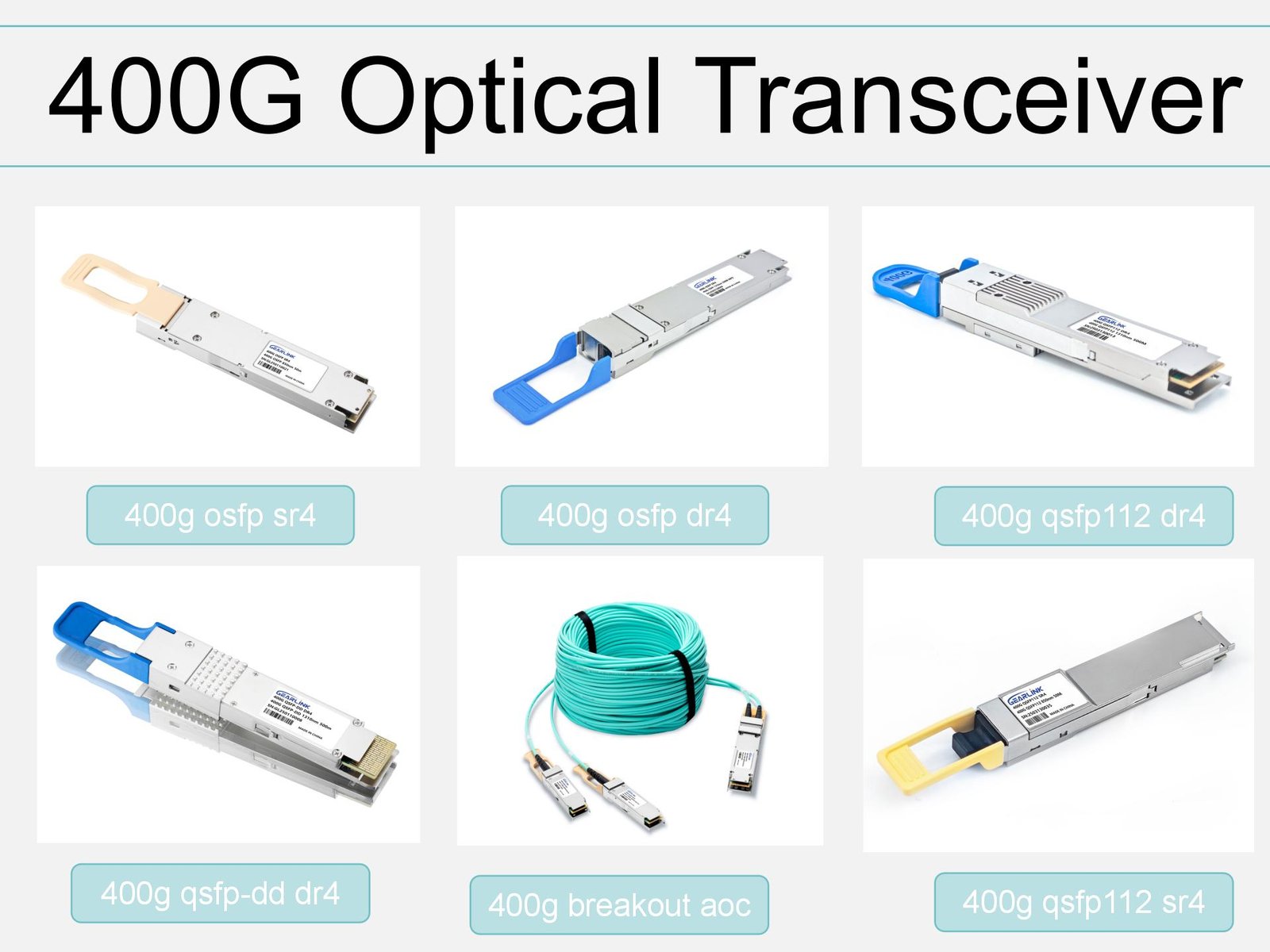
800G QSFP-DD: This format has been used for backward compatibility with existing 400G networks, making it highly flexible.
800G OSFP optical transceiver: This type has been designed with higher thermal capacity and better cooling performance.
Power Consumption of 800G Optical Transceivers
One of the most critical factors is the 800G optical transceiver power consumption. Depending on the type, typical consumption ranges between 14W and 20W. Advanced DSP chips and PAM4 modulation have been applied to reduce energy costs.
Transmission Distance and Applications
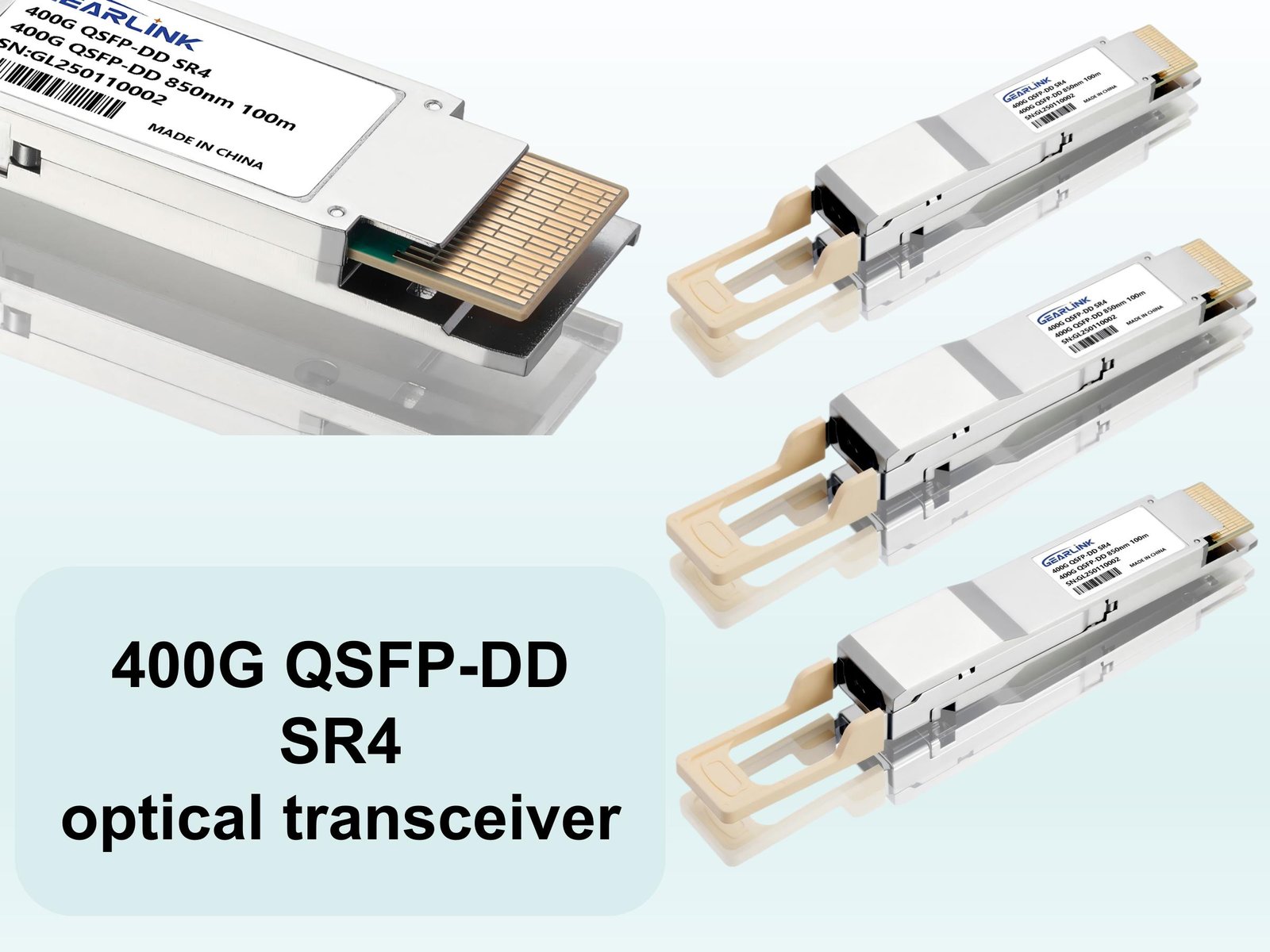
Short-reach modules such as 800G SR8 have been applied for up to 100m over multimode fiber.
Long-reach modules such as 800G DR8 and 800G LR8 have been deployed for 500m to 10km over single-mode fiber.
Market Analysis of 800G Optical Transceivers
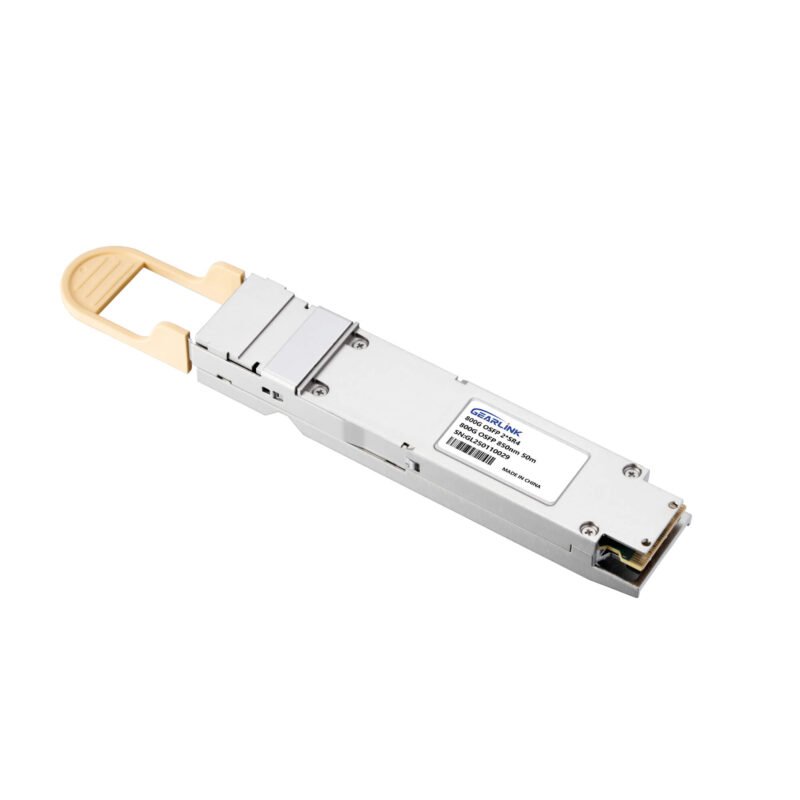
800G OSFP SR8-800GBASE 2 x SR4/SR8 OSFP PAM4 850nm 50m DOM Dual MPO-12/APC MMF InfiniBand NDR Optical Transceiver Module
Price range: NT$539 through NT$808
Global 800G Optical Transceiver Market
The 800G optical transceiver market has been driven by AI adoption, hyperscale data centers, and 5G expansion. According to industry research, the 800G optical transceiver market share has been predicted to increase rapidly from 2024 to 2030.
Price Trends of 800G Optical Transceivers
The 800G optical transceiver price has been kept relatively high due to the complexity of DSPs and advanced optics.
Standard short-reach 800G QSFP-DD optical transceivers are priced lower.
Long-distance modules such as 800G LR8 are more expensive.
Overall, the 800G optical transceiver cost has been decreasing gradually with mass production.
Vendors and Industry Leaders
Several major vendors have introduced 800G optical transceivers:
Intel 800G optical transceiver has been launched to support AI networking platforms.
Juniper QDD 2x400G-DR4 has been offered as a flexible solution to support 2×400G connectivity.
Juniper common optics have also been applied to optimize 400G and 800G deployments.
Applications of 800G Optical Modules
Hyperscale Data Centers
The 800G optical transceiver has been deployed in hyperscale data centers where massive data transfer and cloud workloads are required.
AI and Machine Learning
As AI clusters demand higher bandwidth, 800G optical modules have been considered the preferred option.
Telecom and Metro Networks
The 800G optical module market has also been expanding in telecom carriers for 5G and metro backbone networks.
Future Outlook of 800G Optical Transceivers
The 800G optical transceiver market has been expected to grow significantly in the coming years. Market analysts have predicted that 800G optical transceiver market share will surpass 400G in certain high-end applications by 2027. With advances in photonic integration, lower power consumption and reduced price will be achieved.
Conclusion
The 800G optical transceiver has been recognized as the key enabler of next-generation networks. With increasing demand from AI, cloud computing, and telecom operators, the adoption of 800G optical modules has been accelerated. Both 800G QSFP-DD optical transceiver and 800G OSFP optical transceiver are shaping the future of high-speed connectivity.
FAQ
Q1: What is an 800G optical transceiver?
A1: An 800G optical transceiver is a module used to transmit and receive 800 gigabit Ethernet signals through fiber optic cables.
Q2: What is the difference between 800G QSFP-DD and OSFP?
A2: The QSFP-DD 800G optical transceiver provides backward compatibility with 400G, while the OSFP 800G optical transceiver offers better cooling and higher power capacity.
Q3: How much power does an 800G optical transceiver consume?
A3: The 800G optical transceiver power consumption typically ranges between 14W and 20W depending on the module type.
Q4: What is the current 800G optical transceiver price?
A4: The 800G optical transceiver price depends on type and vendor. Short-reach modules are less expensive, while long-reach modules cost more.
Q5: Which vendors supply 800G optical modules?
A5: Major suppliers include Intel 800G optical transceiver, Juniper QDD 2x400G-DR4, and other manufacturers offering common optics solutions.