Introduction to the Core of 100G Networking: Understanding the QSFP-100G-LR4-S
The exponential demand for data—fueled by cloud computing, AI, and hyper-scale data centers—has driven a critical need for higher bandwidth and greater network density. For network architects and procurement specialists focused on 100 Gigabit Ethernet (100GbE) deployments, selecting the appropriate optical transceiver is a decision that directly impacts performance, capital expenditure, and operational efficiency. Amidst a complex landscape of 100G standards, the QSFP-100G-LR4-S module stands out as a highly specialized, high-density solution.
This module is an integral part of the Quad Small Form-factor Pluggable 28 (QSFP28) family, which is widely preferred in modern optical networking due to its compact size and low power consumption. Crucially, the QSFP-100G-LR4-S is engineered to enable 100Gbps transmission over distances up to 10 kilometers (approximately 6.2 miles) using duplex single-mode fiber (SMF) with LC connectors. This capability is achieved by leveraging sophisticated wavelength division multiplexing (WDM) technology, a topic explored in greater depth below. This detailed technical exploration aims to provide substantial, actionable insights, helping users in the optical module product space make an informed, value-driven decision for their network infrastructure.
Delving into the Technology: How the QSFP-100G-LR4-S Achieves 10km Reach
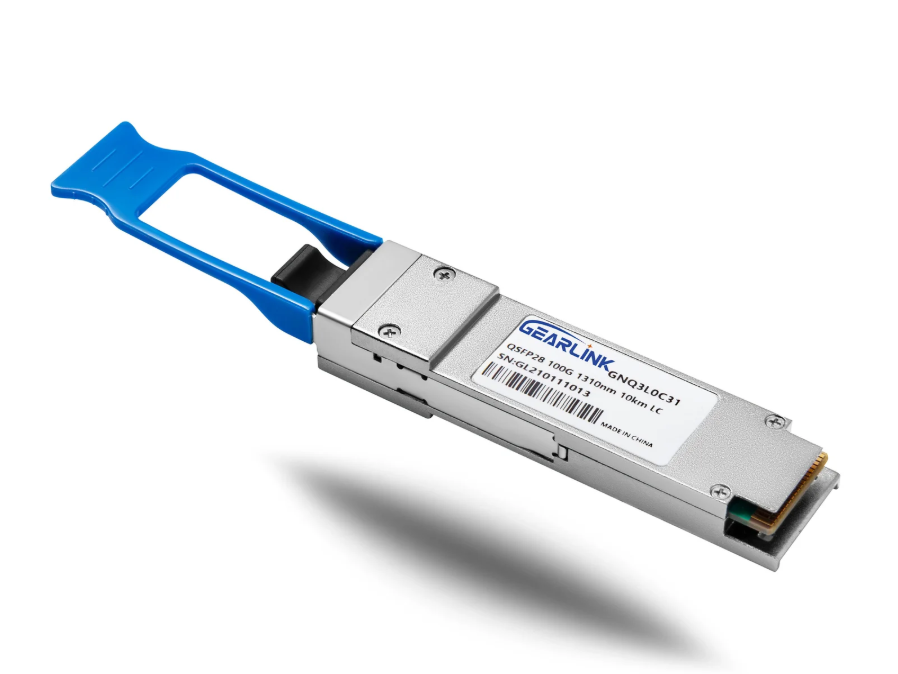
The ability of the QSFP-100G-LR4-S to extend 100GbE connectivity to 10km links over dual-fiber SMF is rooted in its adherence to the 100GBASE-LR4 standard, further defined by a manufacturer-specific ‘-S’ variant which often indicates optimization for specific operating environments, such as commercial temperature ranges. This architecture represents a significant technological leap over previous generations.
The Power of LAN Wavelength Division Multiplexing (LAN-WDM)
The foundational principle of the QSFP-100G-LR4-S is its use of LAN WDM. In essence, the module does not transmit all 100Gbps as a single electrical signal. Instead, the 100Gbps electrical signal is partitioned into four independent data streams, each running at approximately 25.78 Gbps.
Following this electronic division, four distinct optical signals are generated, each assigned a specific, tightly controlled wavelength within the 1310 nm window (typically near 1295.56 nm, 1300.05 nm, 1304.58 nm, and 1309.14 nm). These four separate optical channels are then multiplexed onto a single strand of single-mode fiber using an integrated optical multiplexer. Conversely, the receiving module demultiplexes the incoming signal back into the four original wavelengths, which are then converted back into electrical signals and reassembled to form the full 100Gbps data stream. This technique efficiently utilizes a single fiber pair, conserving fiber resources which is a primary cost driver in long-reach optical links.
Form Factor and Core Electrical Interface
As a QSFP28 module, the QSFP-100G-LR4-S benefits from a high-density, hot-pluggable form factor. This design ensures that a substantial number of 100G ports can be supported within a single switch or router chassis, offering superior port density compared to older CFP or CFP2 modules. Internally, the QSFP28 form factor provides four electrical lanes, each handling 25 Gbps (4 x 25G architecture), which is precisely what the LR4-S optical conversion mechanism requires. The module is also equipped with Digital Diagnostics Monitoring (DDM/DOM) capabilities, allowing network operators to monitor critical operating parameters—such as transmit/receive power, temperature, and voltage—in real time. This functionality is essential for preventative maintenance and rapid troubleshooting, directly contributing to network reliability.
Strategic Applications in the Optical Domain: Where the QSFP-100G-LR4-S Excels
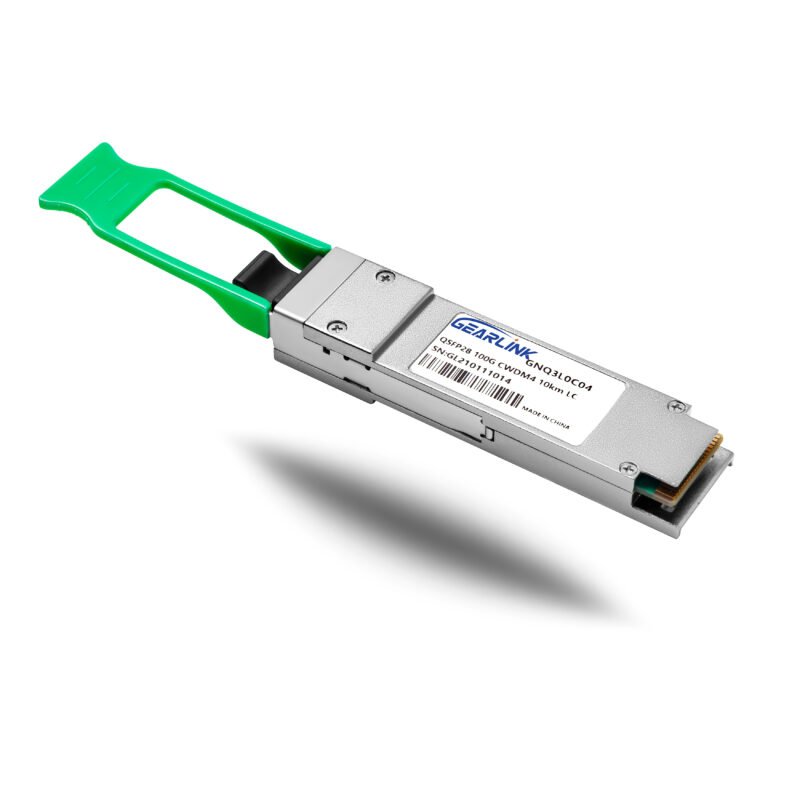
100GBASE-CWDM4 QSFP28 1310nm 2km DOM Duplex LC/UPC SMF Optical Transceiver Module
NT$99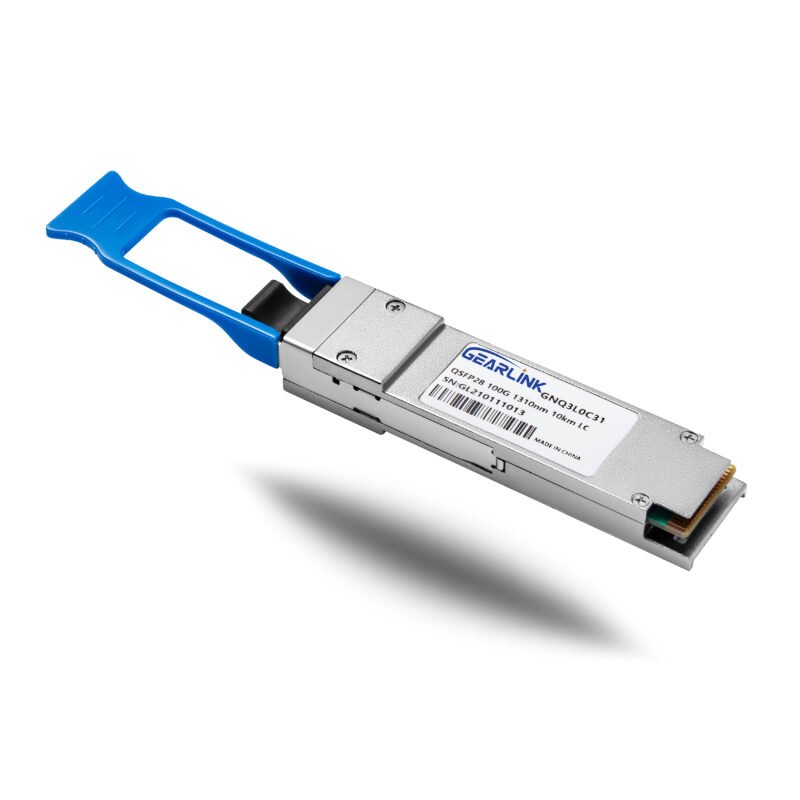
100GBASE-LR4 QSFP28 1310nm 10km DOM Duplex LC/UPC SMF Optical Transceiver Module
NT$179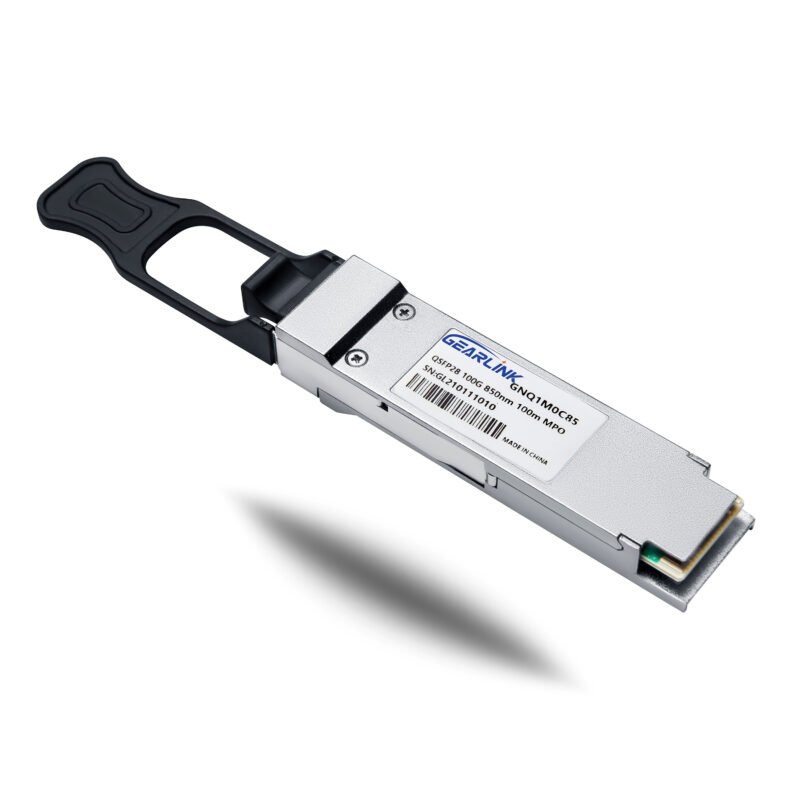
100GBASE-SR4 QSFP28 850nm 100m DOM MPO-12 MMF Optical Transceiver Module
NT$38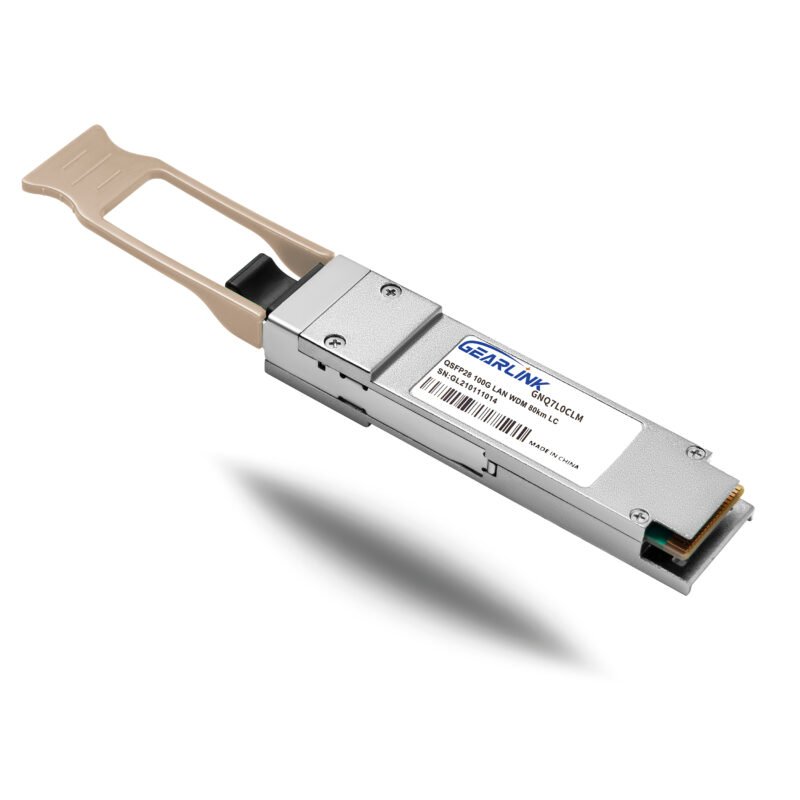
100GBASE-ZR4 QSFP28 1310nm 80km DOM Duplex LC/UPC SMF Optical Transceiver Module
NT$1,500
For professionals managing large, high-speed networks, the application of the QSFP-100G-LR4-S is predominantly focused on medium-to-long-reach single-mode fiber connectivity. Its 10km range and use of duplex SMF position it perfectly for several key deployment scenarios in the modern networking ecosystem.
Data Center Interconnect (DCI) and Campus Networks
The module is a workhorse for connecting geographically separated data centers or major points within a large campus network where the distance exceeds the short-reach capabilities of solutions like 100GBASE-SR4 (which is limited to 70-100 meters over Multimode Fiber). Data Center Interconnect (DCI) requires reliable, high-bandwidth links for functions like data replication, load balancing, and business continuity/disaster recovery. The QSFP-100G-LR4-S provides the necessary bandwidth and reach while efficiently using the installed SMF infrastructure.
Enterprise Core and Aggregation Layers
In extensive enterprise networks, the core and aggregation layers—the backbone of the internal network—demand massive bandwidth to consolidate traffic from numerous access switches. Deploying the QSFP-100G-LR4-S at these critical inter-switch links ensures that the network is not bottlenecked. Moreover, its standardized interface allows for seamless interoperability with other IEEE-compliant 100GBASE-LR4 equipment, providing flexibility across multi-vendor environments.
Service Provider and Telecom Access Networks
Service providers and telecommunication companies utilize this type of module in their metropolitan and access networks. These networks often involve connections between central offices, distribution points, and various points of presence (PoPs) that are spaced up to 10km apart. The LR4-S variant, being a cost-optimized version of the standard LR4, allows service providers to deploy high-speed 100G links more economically without compromising the required distance performance, a major advantage in competitive markets.
Value Proposition and Competitive Advantage
When evaluating the total cost of ownership (TCO) for 100G deployment, the value proposition of the QSFP-100G-LR4-S becomes evident. Although the purchase price of an LR4-type module is higher than a short-reach SR4, the LR4-S significantly reduces long-term operational costs by requiring only a single pair of inexpensive, widely available single-mode fiber strands. By contrast, a solution like PSM4 would require eight fiber strands (four transmit, four receive) for the same distance, drastically increasing fiber cabling and management expenses. Therefore, for links between 300 meters and 10 kilometers, the QSFP-100G-LR4-S typically presents the most practical and cost-effective solution. The module’s high quality and reliable performance solidify its position as a cornerstone of scalable, high-speed optical networking.
Conclusion: Making the Right 100G Selection
The question of whether the QSFP-100G-LR4-S transceiver offers optimal value is definitively answered by examining its technical specifications against real-world network requirements. It masterfully solves the challenge of medium-to-long-distance 100G transmission using minimal fiber resources through sophisticated WDM technology. For network professionals building or upgrading their core infrastructure—particularly those managing high-density data centers and campus backbones—this transceiver provides a powerful, reliable, and fiber-efficient means of achieving 100GbE connectivity up to 10km. Its adherence to industry standards, coupled with practical features like DDM, ensures that networks are not only fast but also manageable and future-ready.
Frequently Asked Questions (FAQ)
Q1: What is the main difference between the standard QSFP-100G-LR4 and the QSFP-100G-LR4-S?
A: The primary difference typically lies in the operating temperature range and overall robustness specifications. The ‘S’ variant often denotes a model optimized for more constrained operating conditions, frequently a commercial temperature range of 0 to 70, which can make it a more cost-effective choice for controlled data center environments compared to industrial or extended-range versions. Functionally, both modules are designed to support 100G over 10km using LAN-WDM technology on SMF.
Q2: Can the QSFP-100G-LR4-S be used with multi-mode fiber (MMF)?
A: No. The QSFP-100G-LR4-S operates using wavelengths in the 1310 nm range and is specifically designed for single-mode fiber (SMF), which is necessary for achieving the 10km reach. Using it with multi-mode fiber will result in extremely short, non-compliant link distances due to high signal dispersion and attenuation.
Q3: Is the QSFP-100G-LR4-S interoperable with other 100GBASE-LR4 modules?
A: Yes. Since the QSFP-100G-LR4-S is compliant with the IEEE 802.3ba 100GBASE-LR4 standard, it is designed to be fully interoperable with any other vendor’s module that is also compliant with the same standard. Interoperability is a key feature of the IEEE standards, ensuring flexibility and competitive sourcing for optical components.