The relentless expansion of cloud computing, Artificial Intelligence (AI) workloads, and Big Data analytics has placed immense pressure on network infrastructures worldwide. Consequently, the demand for higher bandwidth, increased port density, and reduced power consumption in the optical networking sphere has surged dramatically. At the vanguard of this critical transition stands the 100G QSFP28 optical transceiver, a small form-factor, high-speed module that has fundamentally reshaped how data centers and high-performance computing (HPC) environments are interconnected. As network operators and optical product users seek sustainable, scalable solutions, understanding the profound impact and technical superiority of the 100G QSFP28 is more vital than ever. This deep dive aims to illuminate the core value proposition and diverse applications of this foundational technology within the optical module landscape.
The Evolution and Core Technology of the 100G QSFP28
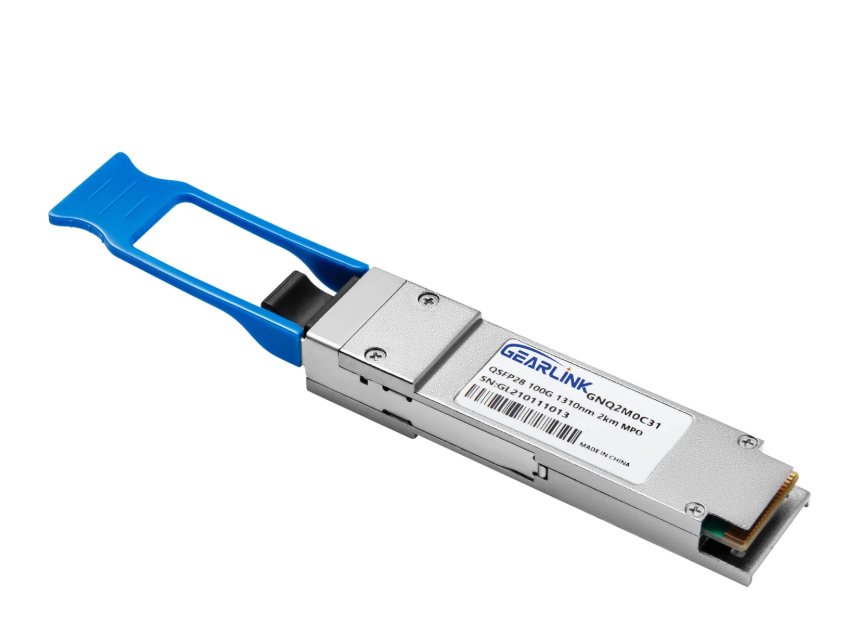
To appreciate the significance of the 100G QSFP28, it is essential to first trace its lineage and grasp its technical architecture. The term “QSFP” is an acronym for Quad Small Form-factor Pluggable, indicating a module with four independent transmit and receive channels. The “28” denotes that each of these four lanes can handle a data rate of up to 28 Gigabits per second (Gbps), culminating in a total aggregated bandwidth of 100 Gbps. This design principle, known as 4x25G, is a major reason why the 100G QSFP28 has become the dominant 100G form factor, effectively succeeding earlier, bulkier standards like CFP, CFP2, and CFP4.
A key advantage of the 100G QSFP28 is its ability to deliver the same 100G throughput while maintaining the compact physical dimensions of the older 40G QSFP+ module. This size compatibility is a significant logistical and economic benefit. Furthermore, the module functions by converting four lanes of 25G electrical signals into four corresponding 25G optical signals, which are then transmitted across the fiber optic cable. This hot-pluggable design ensures ease of maintenance and integration, facilitating seamless upgrades to existing network infrastructure without requiring a complete system overhaul. The module’s design is a testament to the industry’s drive for efficiency, maximizing throughput per unit of rack space, which is a crucial metric for modern hyperscale data centers.
The Defining Features that Confer Superiority
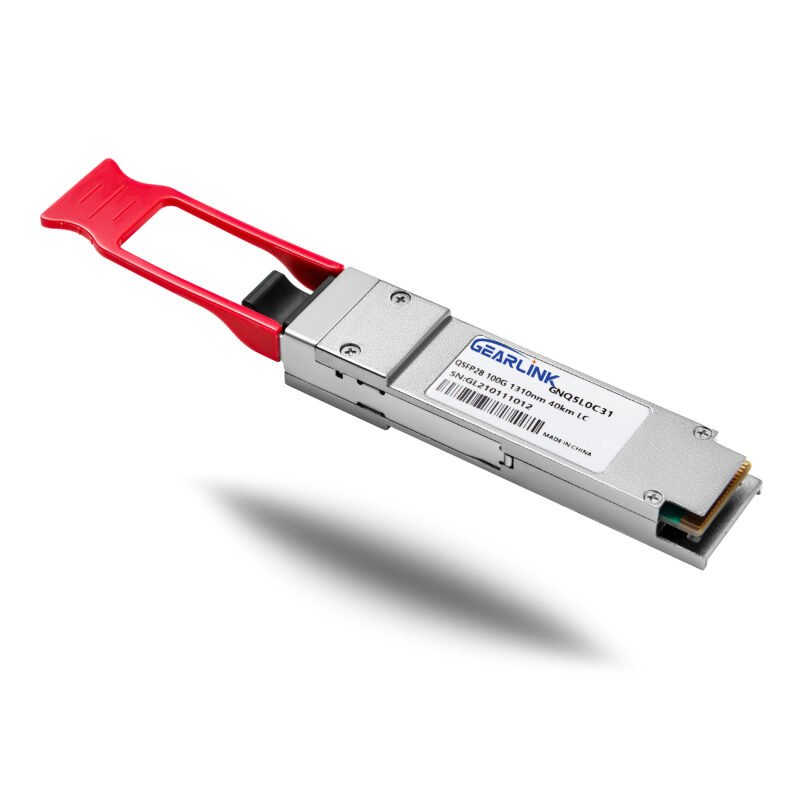
100GBASE-ER4 QSFP28 1310nm 40km DOM Duplex LC/UPC SMF Optical Transceiver Module
NT$800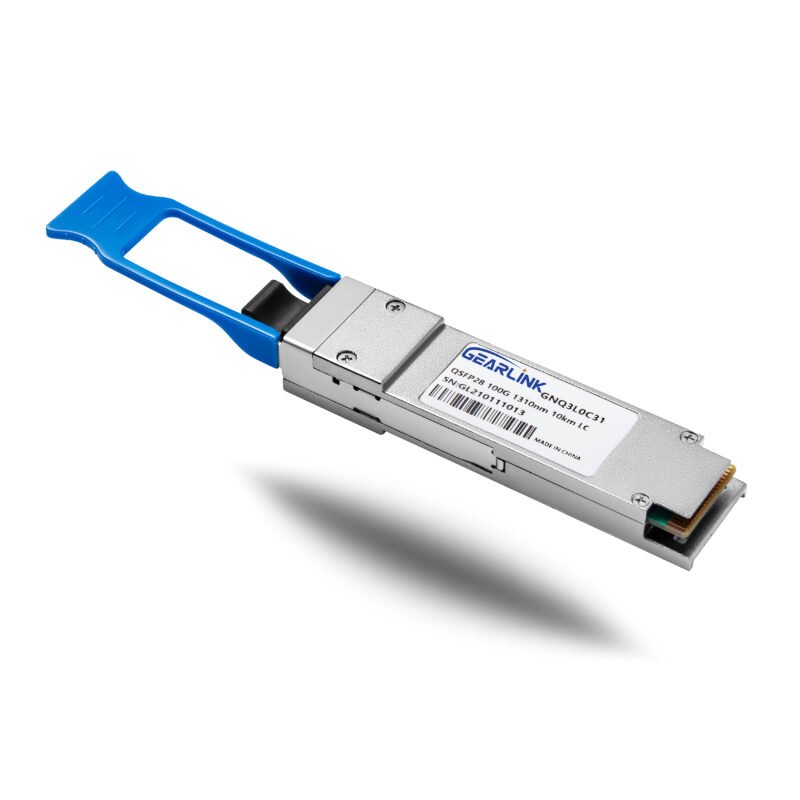
100GBASE-LR4 QSFP28 1310nm 10km DOM Duplex LC/UPC SMF Optical Transceiver Module
NT$179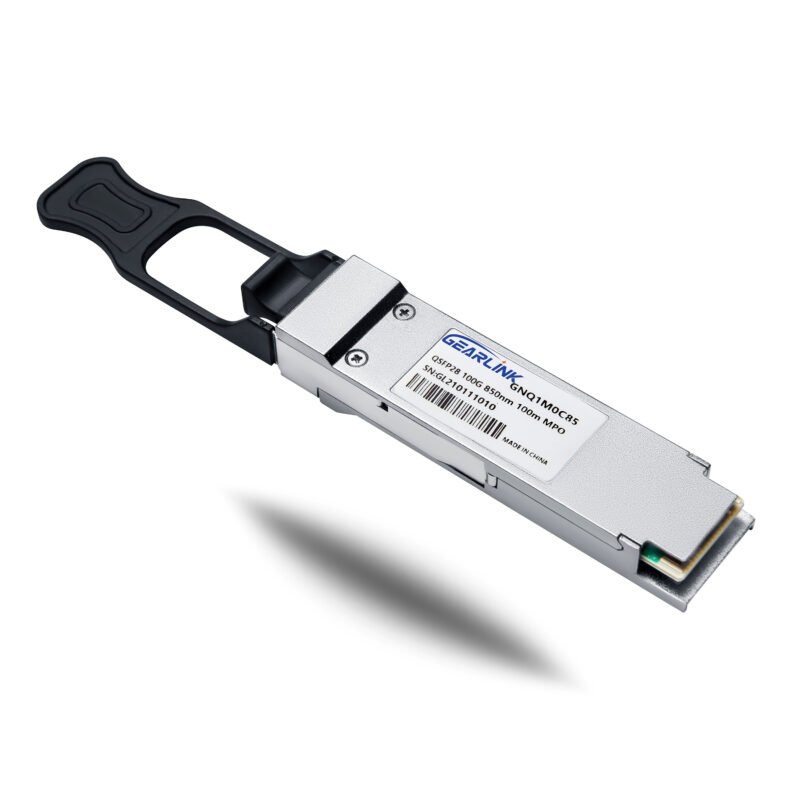
100GBASE-SR4 QSFP28 850nm 100m DOM MPO-12 MMF Optical Transceiver Module
NT$38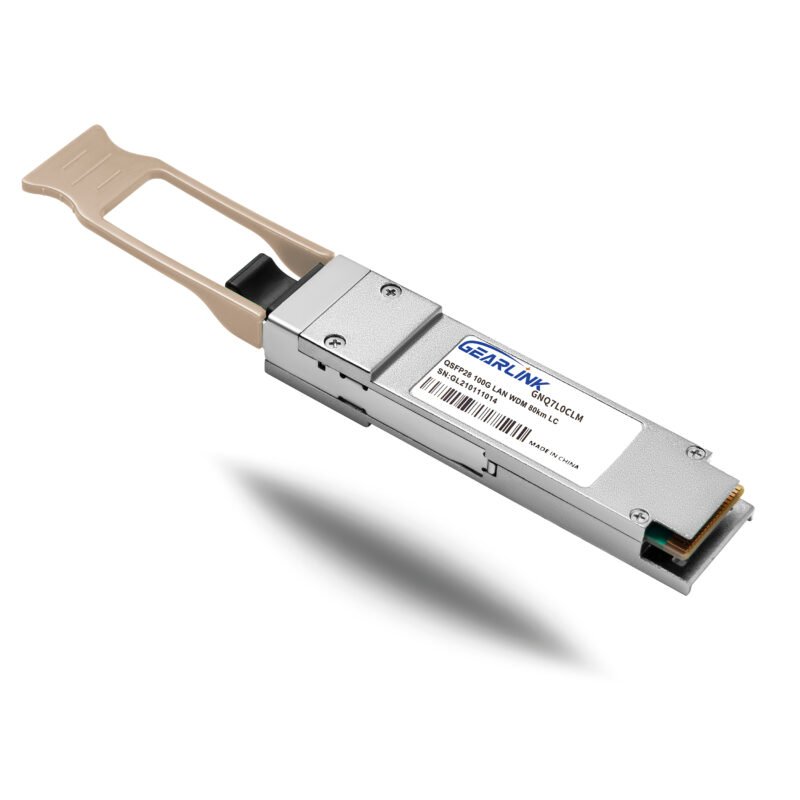
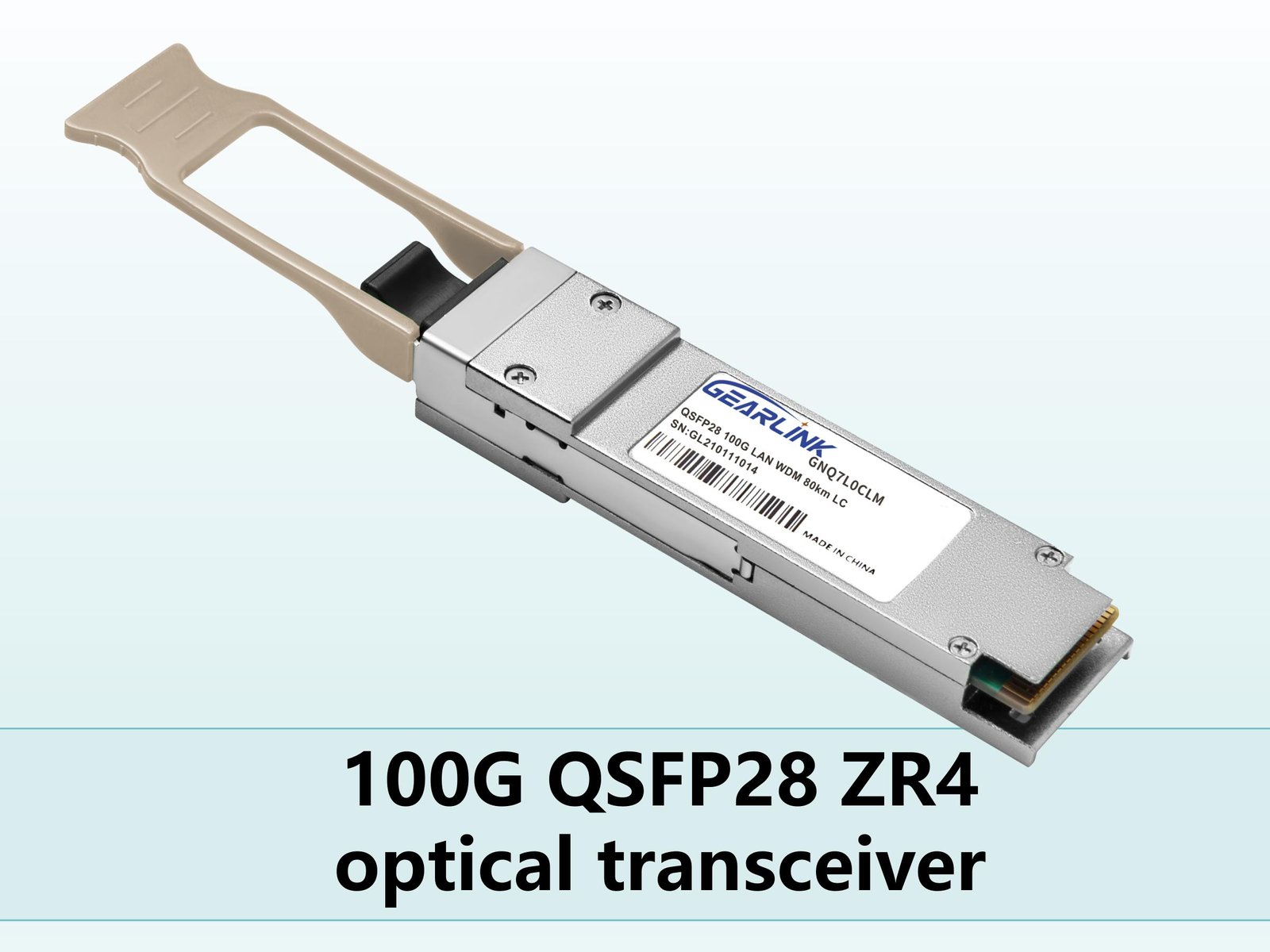
100GBASE-ZR4 QSFP28 1310nm 80km DOM Duplex LC/UPC SMF Optical Transceiver Module
NT$1,500
The ascendancy of the 100G QSFP28 in the optical networking market is not accidental; it is driven by a compelling set of features that address the core challenges of high-speed data transmission. These attributes translate directly into lower operational expenditure and greater network flexibility for the end-user.
Unprecedented Port Density and Space Efficiency
One of the most immediate and tangible benefits of the 100G QSFP28 is its compact form factor. This small size allows for significantly higher port density on networking equipment such as switches and routers. Where older 100G modules would limit the number of available ports on a single line card, the 100G QSFP28 allows vendors to install up to 36 ports on a 1U-sized switch. Consequently, data center operators can dramatically increase their network capacity without consuming additional valuable rack space. This maximisation of physical space is directly correlated with a lower cost per bit, which is a fundamental economic driver in scaling network operations. The fact that the physical footprint remained the same as the 40G QSFP+ meant that switch vendors were able to offer a 2.5x increase in traffic throughput without needing to completely redesign their hardware chassis.
Outstanding Power Efficiency
In a world increasingly focused on sustainability and reducing the carbon footprint of digital infrastructure, power consumption is a paramount concern. The 100G QSFP28 stands out for its remarkably low power consumption, typically drawing less than 3.5 Watts, which is substantially lower than its predecessors. For large-scale data centers, where tens of thousands of transceivers are deployed, this power efficiency results in enormous savings on both electricity bills and cooling costs. Less heat generated by the modules means the overall cooling requirements for the facility are reduced, contributing to a lower total cost of ownership (TCO) and a more environmentally responsible network operation. This commitment to ‘green’ technology aligns perfectly with contemporary corporate values focused on sustainability.
Versatility Across Diverse Link Distances
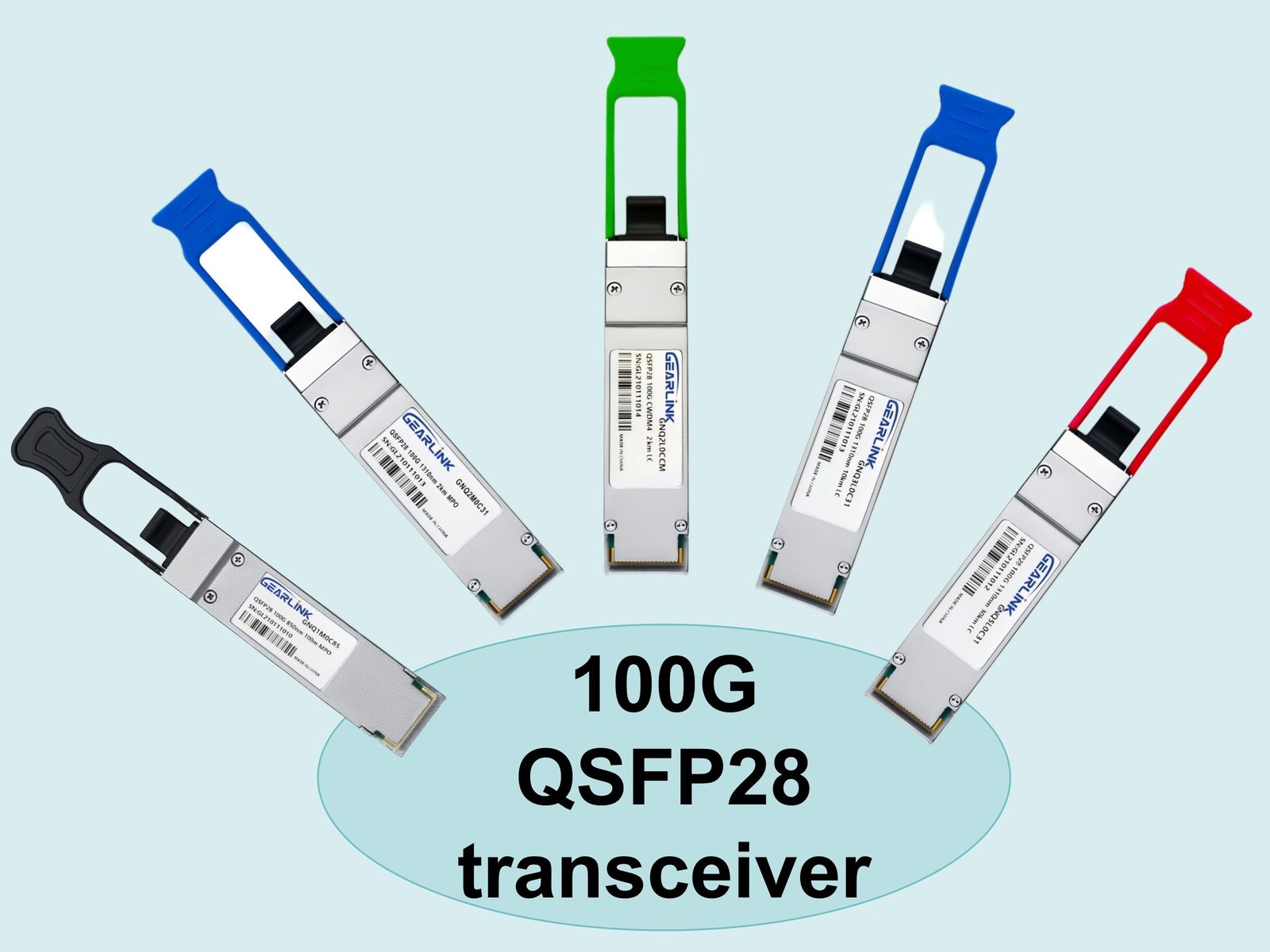
The term 100G QSFP28 is not a monolithic product; it is a family of modules, each tailored for different transmission distances and fiber types. This versatility makes it an optimal choice for a wide array of optical applications. For instance:
- 100G QSFP28 SR4 (Short Reach): Utilising Multimode Fiber (MMF) and MPO connectors, the SR4 is the workhorse for high-volume, short-distance links, typically up to 100 meters, primarily used for server-to-switch and inter-rack connectivity within a data center.
- 100G QSFP28 PSM4/CWDM4 (Mid Reach): These modules utilize Single-Mode Fiber (SMF) to cover distances up to 500m (PSM4) or 2km (CWDM4), bridging connections between aggregation switches and core routers, or for small campus interconnects. The CWDM4 uses Coarse Wavelength Division Multiplexing to transmit the four 25G lanes over a single pair of fibers, conserving fiber infrastructure.
- 100G QSFP28 LR4/ER4 (Long Reach): Employing Single-Mode Fiber and LC Duplex connectors, the LR4 reaches up to 10km, ideal for Data Center Interconnects (DCI) across metropolitan areas. The ER4 further extends this reach up to 40km, addressing long-haul telecom and metro-area network requirements.
This expansive product portfolio ensures that for virtually any 100G requirement, a corresponding, energy-efficient 100G QSFP28 solution is readily available.
Strategic Applications in the Optical Module Landscape
The primary beneficiaries of the 100G QSFP28 technology are the modern data center and the extensive telecommunication backbone. Here, the module’s advantages are leveraged to meet the demanding requirements of high-speed, high-density traffic.
Hyper-scale and Enterprise Data Centers
Data centers constitute the most significant deployment environment for 100G QSFP28 transceivers. The spine-leaf architecture, which is prevalent in modern cloud data centers, relies heavily on high-speed, low-latency links. The 100G QSFP28 SR4 is extensively used for the leaf-to-spine connections, delivering the massive East-West traffic throughput required by virtualized environments, machine learning training clusters, and distributed storage systems. Conversely, the LR4 and CWDM4 variants are essential for DCI, linking separate data center campuses to ensure data synchronisation and redundancy. The capability to seamlessly break out a single 100G link into four 25G links using specific modules and breakout cables provides exceptional granular control and scalability, future-proofing the network for the inevitable shift to 200G and 400G standards.
Telecommunications and 5G Backhaul
Beyond the traditional data center, the 100G QSFP28 is also instrumental in the telecommunications sector. The rapid deployment of 5G networks necessitates a substantial increase in backhaul capacity to transport vast amounts of data from the base stations to the core network. The high-capacity and extended reach of the LR4 and ER4 modules make them perfectly suited for this role, providing reliable, high-speed connectivity over long distances. The introduction of single-lambda 100G technology within the QSFP28 form factor further simplifies network architecture and reduces costs by utilizing fewer components, offering a streamlined solution for carriers striving for both performance and affordability.
High-Performance Computing (HPC)
In HPC environments, where latency is the enemy and massive parallel processing is the norm, the 100G QSFP28 shines. Applications such as scientific simulations, financial modeling, and AI training require extremely fast, low-latency interconnects between computing nodes and storage arrays. The QSFP28, supporting protocols like EDR InfiniBand alongside Ethernet, ensures that data can be moved with minimal delay, maximizing the computational efficiency of these multi-million dollar supercomputing clusters.
The Path Forward: A Foundation for Future Growth
The continued dominance of the 100G QSFP28 is a clear indication of its intrinsic value. As the industry advances toward 400G and 800G, the principles established by the QSFP28—high density, low power, and flexible reach—continue to guide the development of new optical form factors like QSFP-DD (Double Density). Crucially, the 100G QSFP28 is positioned not as a legacy component, but as a critical building block in the multi-generational journey of optical networking. For many network operators, the transition to 100G using these modules represents the most significant step toward future-proofing their infrastructure, delivering performance that is both economically viable and technologically robust. Optictran is committed to providing a comprehensive portfolio of high-quality 100G QSFP28 transceivers that meet rigorous industry standards, ensuring seamless interoperability and long-term reliability for demanding user applications. Ultimately, the 100G QSFP28 is more than just an optical module; it is the cornerstone of the modern high-speed digital economy, empowering the next wave of technological innovation with its blend of efficiency and performance.
Frequently Asked Questions (FAQ)
Q1: What is the main difference between a 100G QSFP28 and a 40G QSFP+ module?
A: The main difference lies in the lane data rate. Both share the same compact physical size. However, the 40G QSFP+ uses four 10 Gbps lanes (4x10G), while the 100G QSFP28 utilizes four 25 Gbps lanes (4x25G), providing 2.5 times the bandwidth in the same footprint.
Q2: Can I use a 100G QSFP28 port for 40G traffic?
A: Yes, in most modern switch platforms, a 100G QSFP28 port can generally be configured to accept a 40G QSFP+ module, or a 100G QSFP28 module can be configured to operate in 4x25G or 4x10G breakout mode, connecting to four separate 25G SFP28 or 10G SFP+ ports using breakout cables.
Q3: Which QSFP28 type should I choose for a 2km link over Single-Mode Fiber (SMF)?
A: For a 2km link over SMF, the 100G QSFP28 CWDM4 module is the most appropriate and cost-effective choice. It is specifically designed to meet the 2km distance requirement for high-density data center interconnects, utilizing two fibers and four wavelengths.