The relentless demand for bandwidth, driven by cloud computing, 5G deployments, and data center interconnection (DCI), has made 100 Gigabit Ethernet (100GbE) a fundamental requirement in modern optical networks. Within this landscape, system architects and network operators are constantly seeking transceiver solutions that offer a delicate balance of high performance, high density, and cost-effectiveness for long-haul applications. This introductory paragraph immediately highlights the core component: the QSFP 100G ZR4 S module, positioning it as a key contender in the competitive 100G long-reach market.
This article delves into the technical capabilities and critical value proposition of the QSFP 100G ZR4 S transceiver, specifically focusing on its indispensable role in simplifying high-density, long-reach 100GbE deployments over distances up to 80 kilometers. It is a comprehensive guide tailored for optical module product users who need a deep understanding of this crucial component for network planning and infrastructure upgrades.
Unpacking the Technology Behind QSFP 100G ZR4 S
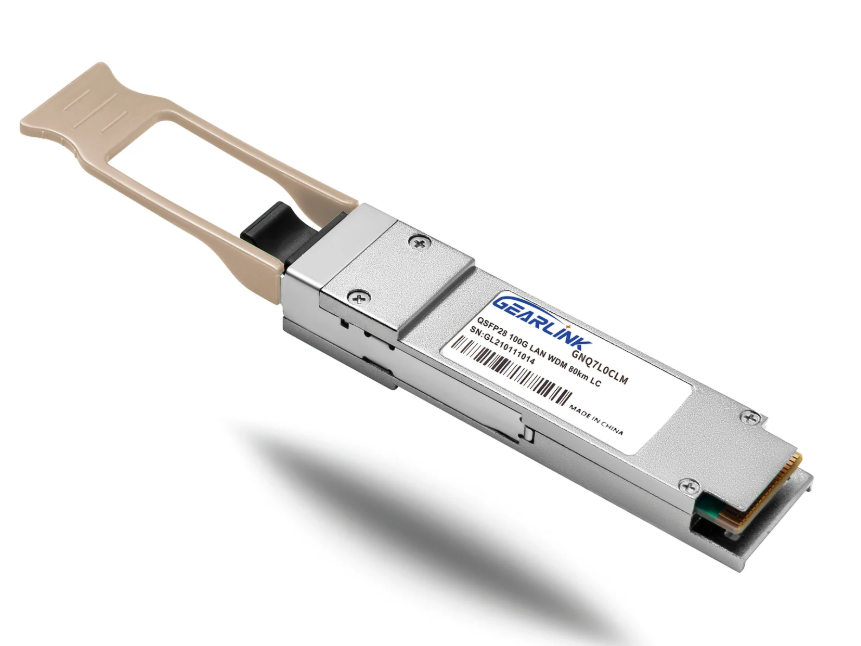
The QSFP 100G ZR4 S is a high-performance, hot-pluggable Quad Small Form-factor Pluggable (QSFP28) module designed for 100GbE data transmission. The “ZR4” designation is critical, signifying its capability for extended reach (up to 80km) over a standard single-mode fiber (SMF), typically without the need for additional, costly Dispersion Compensation Modules (DCMs). Furthermore, the “S” suffix often denotes an enhanced or commercial-grade version, optimized for specific reliability or power characteristics within the standard 100GBASE-ZR4 framework.
The module operates by employing a set of advanced technological features, primarily the integration of the four-lane (4 x 25.78Gbps) electrical interface on the host side and converting this signal to four distinct optical wavelengths. Specifically, the technology utilizes a Coarse Wavelength Division Multiplexing (CWDM) grid to combine these four optical signals onto a single strand of SMF. This approach dramatically increases the data carrying capacity of existing fiber infrastructure. Subsequently, at the receiving end, a demultiplexer separates the four wavelengths, which are then detected and converted back into the electrical 100GbE signal. This sophisticated electro-optical integration is precisely what allows the compact QSFP28 form factor to achieve the demanding 80km link budget.
A significant challenge in long-reach optics is chromatic dispersion, which broadens the optical pulses and limits transmission distance. The design of the QSFP 100G ZR4 S module carefully manages this through precise laser modulation and receiver sensitivity, making it a plug-and-play solution for metropolitan networks where existing fiber plants can introduce significant signal degradation.
The Distinct Advantages of Choosing QSFP 100G ZR4 S in Optical Networks
For network operators facing the twin pressures of growing capacity and containing capital expenditure (CapEx), the QSFP 100G ZR4 S offers several compelling advantages that make it an attractive choice over alternative long-haul solutions.
Density and Power Efficiency in High-Capacity Deployment
The QSFP28 form factor is globally recognized for its superior density. By fitting 100GbE capability into a compact footprint, network equipment vendors can dramatically increase the port count on their line cards. Consequently, a single rack unit (RU) of a switch or router can accommodate significantly more 100G connections compared to older, larger form factors like CFP or CFP2. Moreover, the QSFP 100G ZR4 S is engineered for optimal thermal performance and a relatively low power consumption compared to full coherent Digital Signal Processor (DSP)-based modules. This efficiency translates directly into lower operating expenses (OpEx) for cooling and power in densely packed data centers and central offices.
Cost-Effective 80km Reach Without External Amplification
Traditionally, reaching 80 kilometers with 100GbE required expensive and complex coherent optics or cascaded, amplified non-coherent solutions. Conversely, the QSFP 100G ZR4 S is positioned as a premium non-coherent solution. It delivers the necessary link budget to bridge the 80km gap using standard optics and a high-power DML (Directly Modulated Laser) or EML (Electro-absorption Modulated Laser) design, often leveraging Forward Error Correction (FEC) built into the host switch. This eliminates the requirement for separate transponders, sophisticated coherent receivers, and dedicated dispersion compensation equipment, thereby reducing both the equipment list and the complexity of network deployment. Thus, for non-critical, point-to-point metro links, the total cost of ownership (TCO) is substantially lower.
Simplified Integration and Interoperability
As a QSFP28 module, the QSFP 100G ZR4 S adheres to well-defined industry standards, ensuring seamless interoperability with a vast array of networking equipment from different vendors. This standardization is a critical factor for large-scale network deployments, allowing engineers to quickly deploy and replace modules without compatibility concerns. Furthermore, the hot-pluggable nature facilitates easier maintenance and upgrades, ensuring minimal network downtime during expansion or troubleshooting phases. Ultimately, the simplicity of integrating a plug-and-play module directly into existing switching and routing platforms dramatically accelerates time-to-service.
Key Applications in the Optical Module Landscape
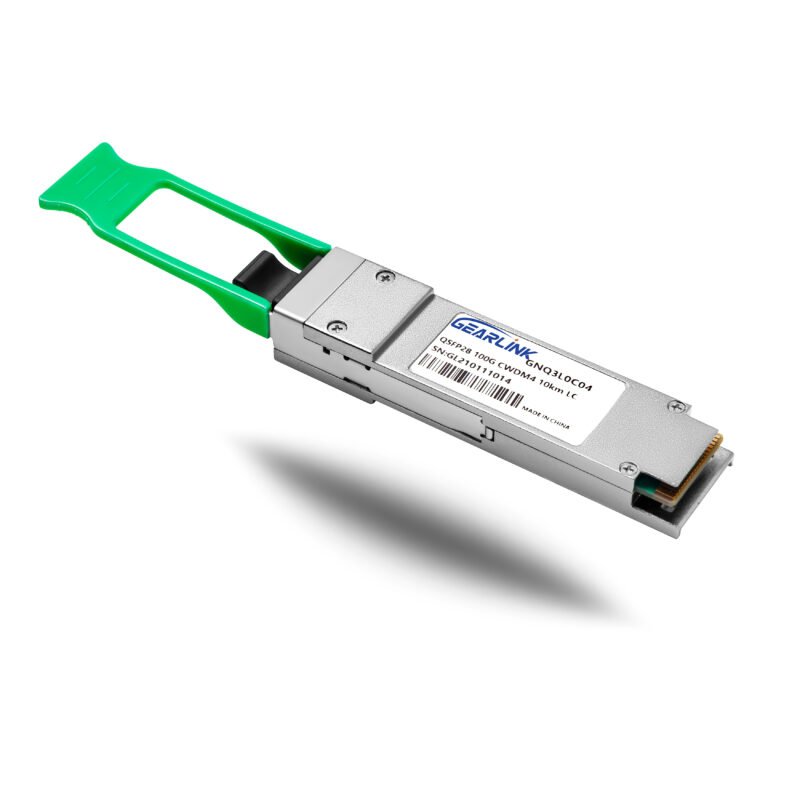
100GBASE-CWDM4 QSFP28 1310nm 2km DOM Duplex LC/UPC SMF Optical Transceiver Module
NT$99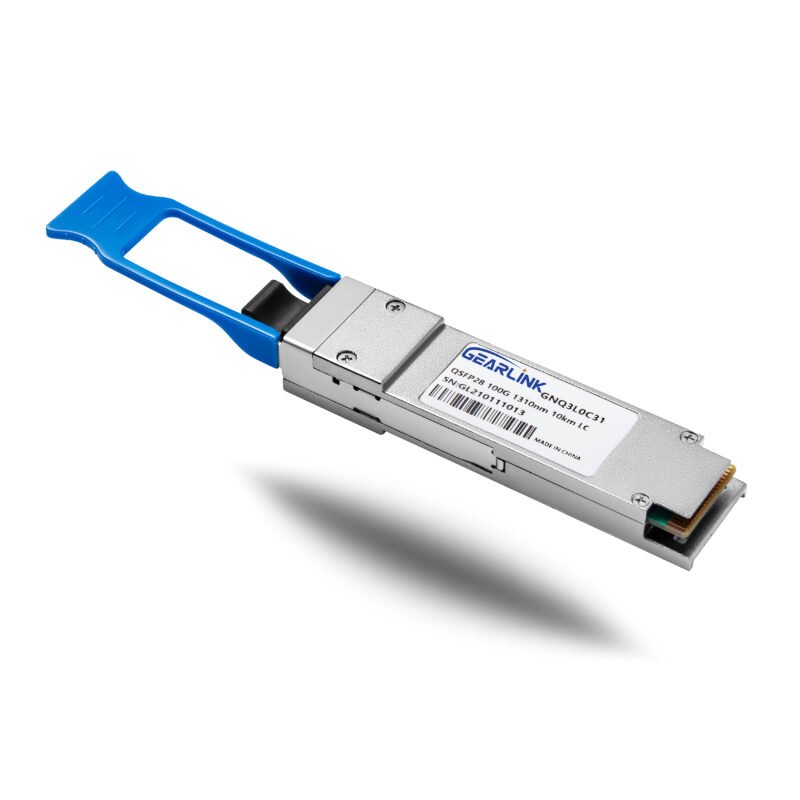
100GBASE-LR4 QSFP28 1310nm 10km DOM Duplex LC/UPC SMF Optical Transceiver Module
NT$179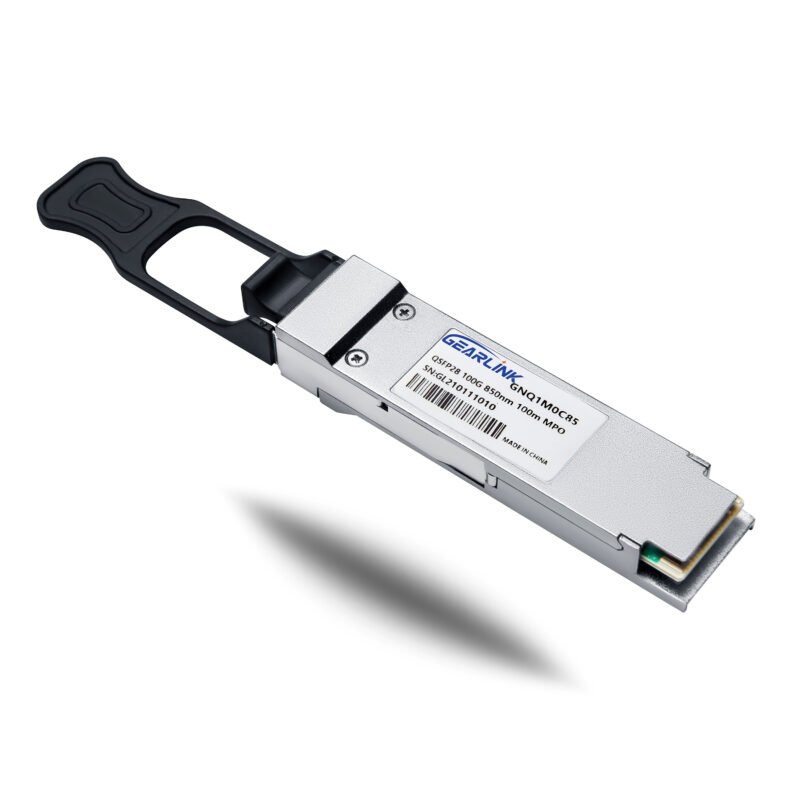
100GBASE-SR4 QSFP28 850nm 100m DOM MPO-12 MMF Optical Transceiver Module
NT$38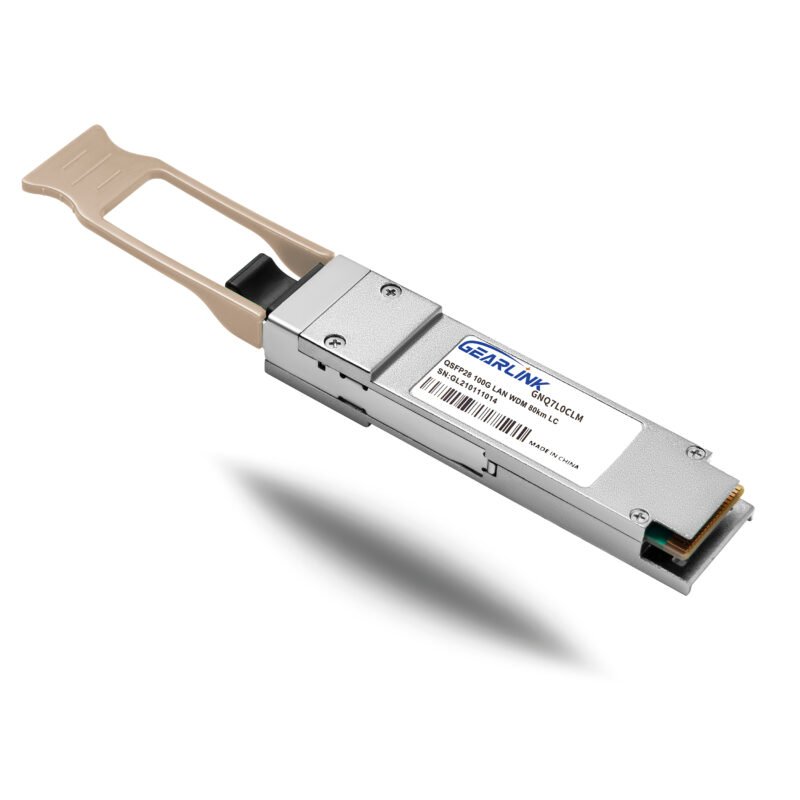
100GBASE-ZR4 QSFP28 1310nm 80km DOM Duplex LC/UPC SMF Optical Transceiver Module
NT$1,500
The technical attributes of the QSFP 100G ZR4 S make it uniquely suited for specific, high-value applications within the optical communication ecosystem. The primary focus of this module is the long-reach segment of the network where density and simplicity are paramount.
Data Center Interconnect (DCI)
The most prominent application is connecting geographically separated Data Centers (DCs). As organizations expand their cloud infrastructure, the need for high-speed, low-latency links between DCs, often separated by distances up to 80km, has grown exponentially. The QSFP 100G ZR4 S provides a direct, cost-optimized, single-fiber solution for these links, effectively bypassing the need for expensive DWDM systems when dedicated point-to-point fiber is available. This is particularly valuable for campus networks and metropolitan area networks (MANs) where the DC cluster spans a wide geographical area.
Metropolitan Area Network (MAN) Backbones
In the metropolitan core, the module is instrumental in creating the high-capacity backbone links connecting central offices (COs) and aggregation points. These links are essential for transporting aggregated traffic from numerous access points, including 5G cell sites, FTTH nodes, and business services. The 80km reach of the QSFP 100G ZR4 S is perfectly aligned with the typical span lengths in large metropolitan areas, enabling a straightforward, high-throughput path between major peering and exchange points. This ensures the network can efficiently handle the constant surge in city-wide data traffic.
Carrier Edge and Service Provider Access Rings
Service providers utilize the QSFP 100G ZR4 S at the edge of their network to extend 100G services to large enterprise customers or to build high-speed access rings. Because it integrates directly into standard router ports, it allows carriers to offer a highly scalable and differentiated service without needing dedicated fiber-optic transport equipment for every link. This makes network provisioning faster and significantly more scalable as customer demands evolve.
Value Proposition and Future Outlook
The prevailing technological trend is toward even greater integration and miniaturization. The QSFP 100G ZR4 S represents a mature and highly optimized point on the curve, offering a specialized and high-value product. It embodies a strategy focused on maximizing the utility of existing fiber assets through non-coherent, long-reach technology.
OpticTran is committed to providing network professionals with certified and reliable optical solutions that meet stringent industry specifications. The value of this module lies not just in its specifications, but in its ability to simplify network topology and significantly reduce operational complexity for long-distance 100G links. Furthermore, the focus on continuous improvement in power efficiency and thermal management ensures that the QSFP 100G ZR4 S remains relevant as networks continue to densify. For any professional building or upgrading a long-haul 100G network, a careful assessment of this module’s cost-to-performance ratio is undoubtedly warranted.
Frequently Asked Questions (FAQ)
What is the main difference between QSFP 100G ZR4 S and 100G LR4?
A1: The primary difference is the reach. The 100G LR4 is designed for distances up to 10km, whereas the QSFP 100G ZR4 S is engineered to support much longer links, typically up to 80km, without external amplification or dispersion compensation. This makes the ZR4 S module the preferred choice for long-reach metro and DCI applications.
Does the QSFP 100G ZR4 S require Forward Error Correction (FEC)?
A2: Yes, typically it does. To achieve the 80km link budget with a standard non-coherent design, the module is designed to operate with the host device’s built-in FEC capabilities. This is necessary to maintain the required Bit Error Rate (BER) over the extended distance and fiber loss.
Can the QSFP 100G ZR4 S module be used with G.652 standard Single-Mode Fiber (SMF)?
A3: Absolutely. The module is specifically designed to operate over standard G.652 SMF, which is the most common type of fiber deployed in current metropolitan and long-haul networks. Its robust optical design effectively handles the chromatic dispersion found in these fiber plants.