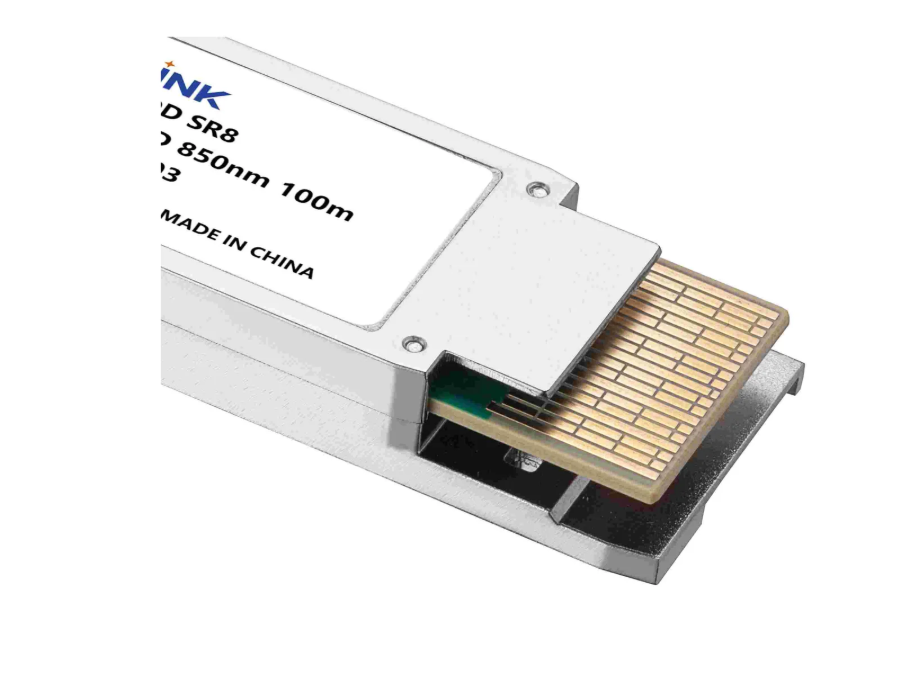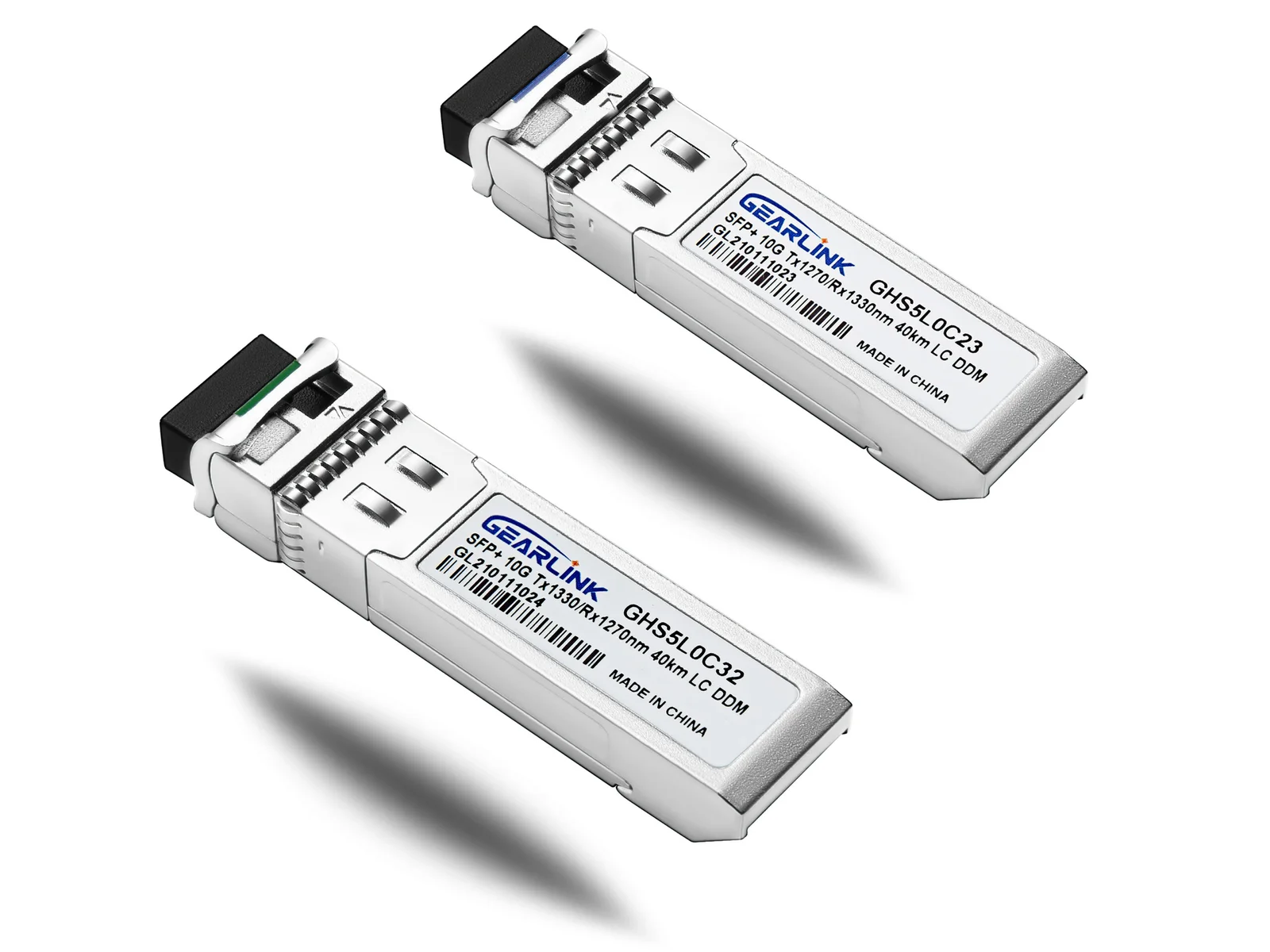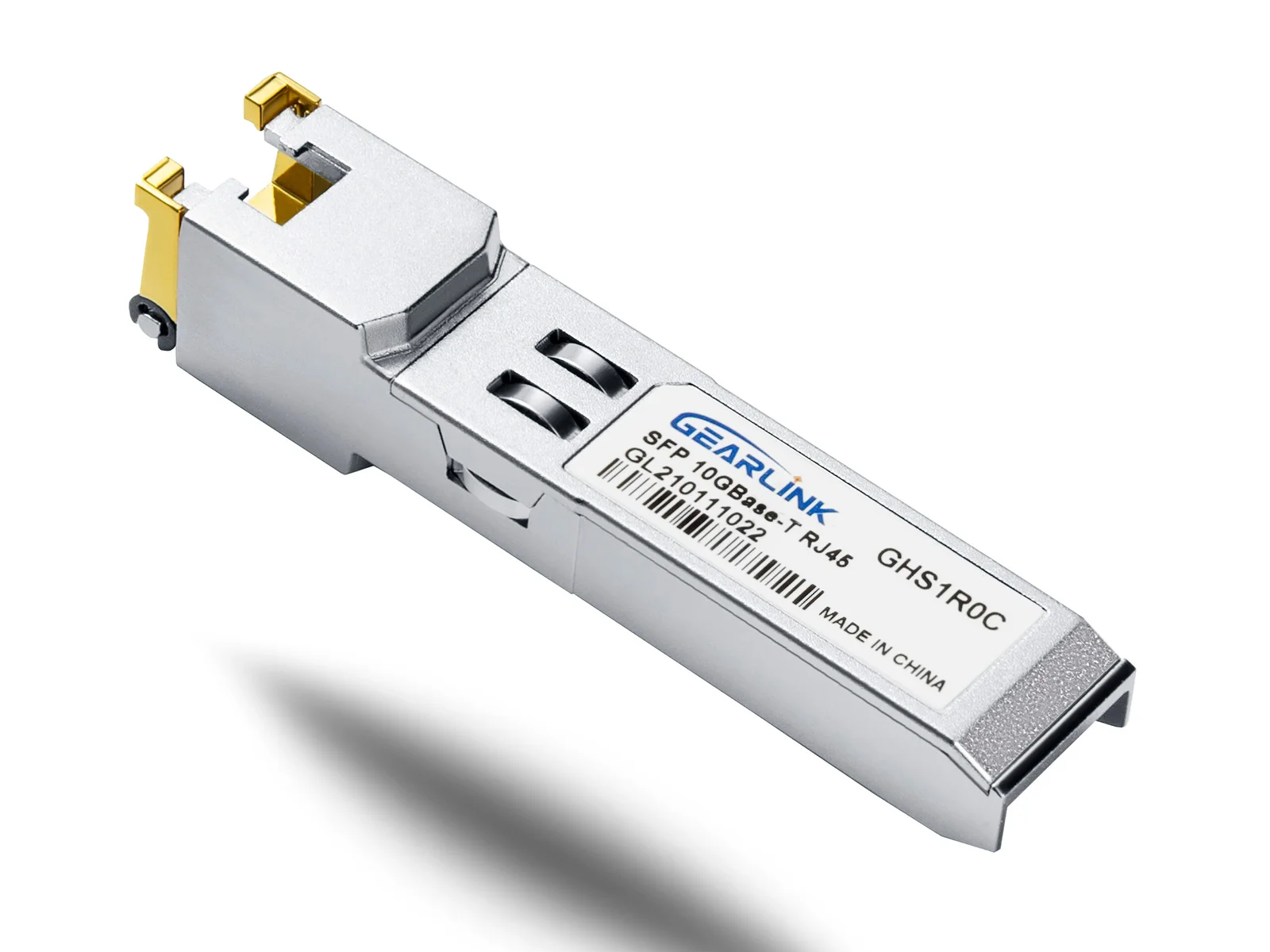
In the constantly evolving world of network infrastructure, the demand for higher bandwidth drives constant technical innovation. While fiber optics dominate high-speed long-haul connections, short-reach links within data centers require solutions that balance performance, cost, and deployment simplicity. The 10G SFP+ T, or 10 Gigabit Small Form-Factor Pluggable Plus Copper Transceiver, was developed specifically for this challenging environment, enabling 10 Gigabit Ethernet (10GbE) speeds over existing twisted-pair copper cabling.
For IT professionals and network buyers focused on maximizing efficiency while controlling capital expenditure, the choice between fiber, Direct Attach Copper (DAC), and the 10G SFP+ T is a critical one. This technology, which integrates complex signal processing into a compact form factor, allows administrators to leverage pervasive copper infrastructure for high-speed connectivity. This comprehensive guide will dissect the unique technology behind the 10G SFP+ T, analyze its performance metrics and limitations, and detail the strategic scenarios where its deployment offers maximum value in the optical module landscape.
Understanding the Engineering Feat of the 10G SFP+ T
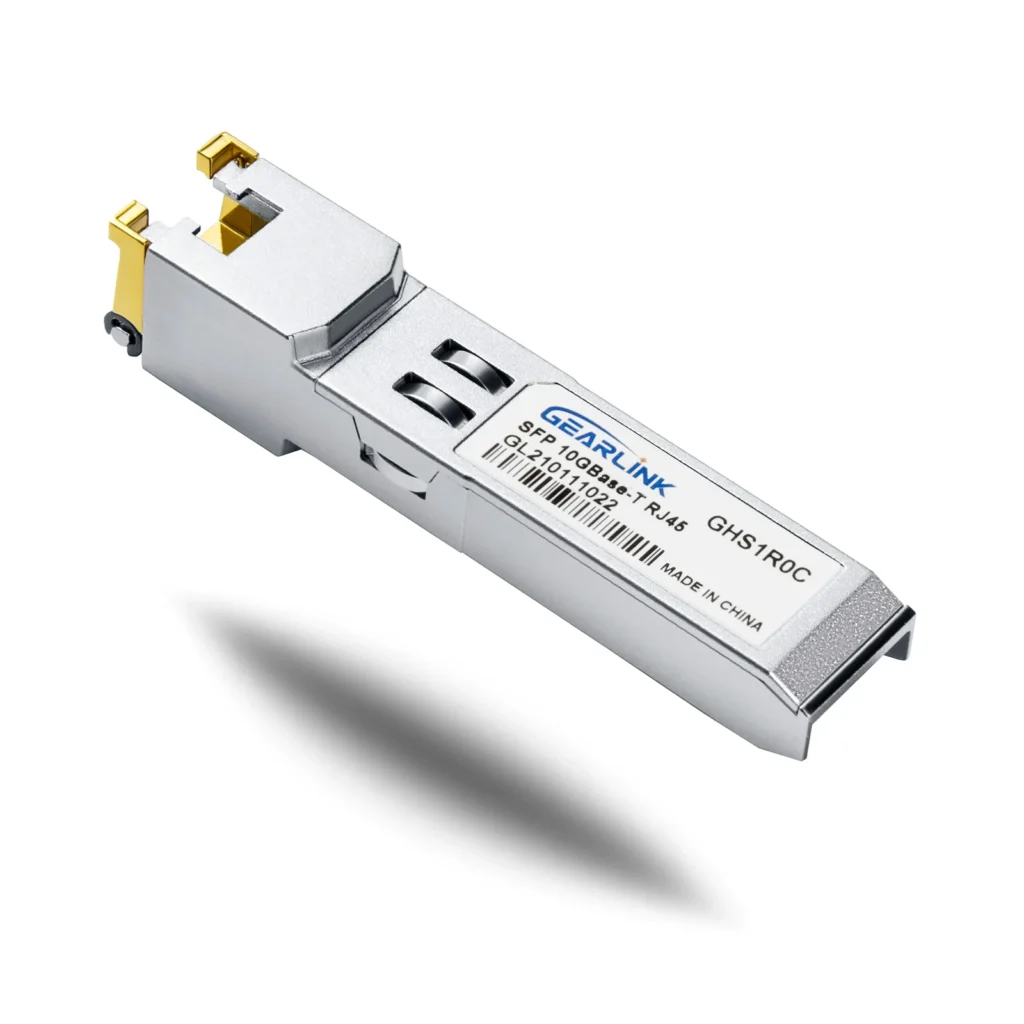
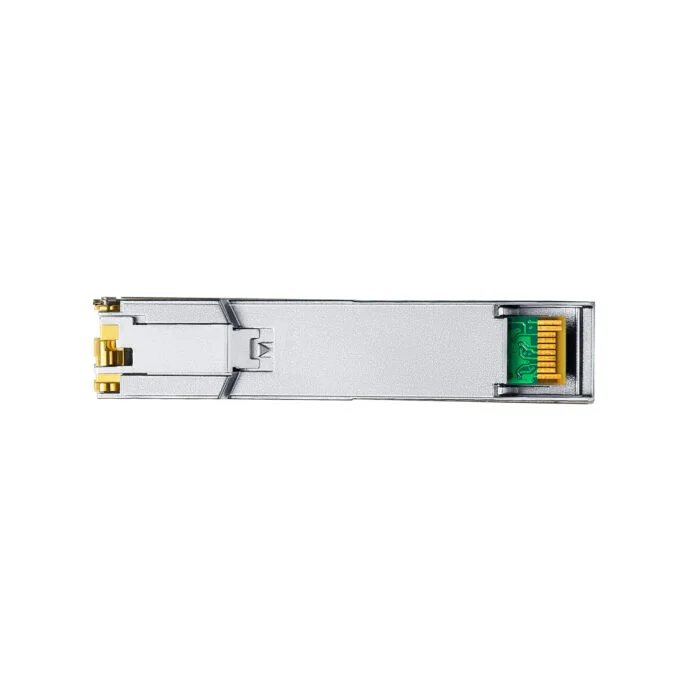
The 10G SFP+ T module is an impressive piece of miniaturized engineering, successfully integrating a powerful signal processing capability within the constraints of the SFP+ form factor to deliver high-speed data over traditional wiring.
Bridging the Digital Divide with Advanced Signal Processing
The inherent complexity in designing the 10G SFP+ T lies in packaging the necessary Physical Layer (PHY) chip—the component responsible for electrical signal processing—into the tiny SFP+ housing while effectively managing power and heat. The SFP+ standard was originally optimized for optical transmission, which has simpler electrical requirements at the module level. The 10G SFP+ T effectively takes the electrical signal from the switch and meticulously prepares it for robust 10Gbps transmission across Category 6a (Cat6a) or Category 7 (Cat7) copper cabling. This preparation involves employing advanced equalization and sophisticated signal coding techniques to counteract the severe signal attenuation and crosstalk that naturally occur when pushing 10 Gigabit speeds through copper wires. This successful miniaturization allows network administrators to utilize the widely available SFP+ port on their switching gear for cost-effective copper connectivity, introducing a flexibility that was previously restricted to fiber optic connections.
Performance Constraints and Cabling Dependencies
The sustained performance of the 10G SFP+ T is directly dependent on the quality and maximum length of the copper cabling utilized. To maintain a reliable 10GbE link, the system requires, at minimum, Cat6a or Cat7 shielded twisted-pair cabling. Significantly, the operational reach of the 10G SFP+ T is limited compared to fiber; while fiber modules can transmit data over many kilometers, the copper transceiver is standardized to reliably reach up to 30 meters when using the specified high-quality cabling. This distance constraint immediately defines its optimal application: it is best suited for short-distance horizontal runs, such as connecting servers to a Top-of-Rack (ToR) switch within the same cabinet, or linking closely adjacent networking closets. Because the advanced signal processing consumes considerable energy, the power consumption of the copper SFP+ module is noticeably higher than that of its optical counterpart.
Strategic Advantages in Network Deployment
The decision to integrate the 10G SFP+ T into a network design is often a strategic choice driven by cost-effectiveness, infrastructure longevity, and installation simplicity.
Optimizing Investment in Existing Infrastructure
One of the most compelling strategic arguments for the 10G SFP+ T is its role in network upgrades. Many legacy data centers and large enterprise offices possess an extensive infrastructure based on high-grade copper cabling (like Cat6a) originally installed for 1 Gigabit speeds. Migrating these environments entirely to fiber would involve the highly expensive, time-consuming, and disruptive process of installing thousands of feet of new fiber optic cable. By deploying the 10G SFP+ T module, organizations can bypass the need for this extensive re-cabling effort. They are able to leverage their existing copper investment, instantaneously upgrading the connection speed to 10GbE simply by plugging the transceivers into their switches. This strategy maximizes the return on prior cabling investments and significantly accelerates the overall timeline for crucial bandwidth increases.
Cost Analysis Against Alternative Technologies
From a total cost perspective, the 10G SFP+ T presents a unique balance. The module itself generally costs more than a standard optical SFP+ module because of the sophisticated internal PHY chip and complex thermal management requirements. However, this higher module cost is typically offset by the considerably lower material and labor costs associated with Cat6a or Cat7 copper cabling compared to fiber optic cable and its associated termination hardware. Moreover, the 10G SFP+ T offers greater flexibility than Direct Attach Copper (DAC) cables; while DAC provides a cheap, low-power fixed link, the 10G SFP+ T enables the use of flexible, permanent structured copper cabling infrastructure. Therefore, for short-to-medium length links where the structured cabling needs to be retained, the copper module offers the most economical solution.
Enhancing Flexibility in Mixed-Media Environments
Modern network topology rarely relies on a single cable type. The 10G SFP+ T is crucial in environments where switches must interface with a variety of endpoints over different media. For instance, a core switch might connect to external locations using long-range optical SFP+ modules, link to adjacent switches using DAC, and then connect to legacy network appliances, patch panels, or high-performance copper workstations using the 10G SFP+ T. This ability to seamlessly deploy the appropriate physical layer technology on a per-port basis, all while maintaining the standardized SFP+ port interface, allows network designers to create highly optimized, cost-aware, and purpose-built infrastructure.
Operational Best Practices and Thermal Considerations
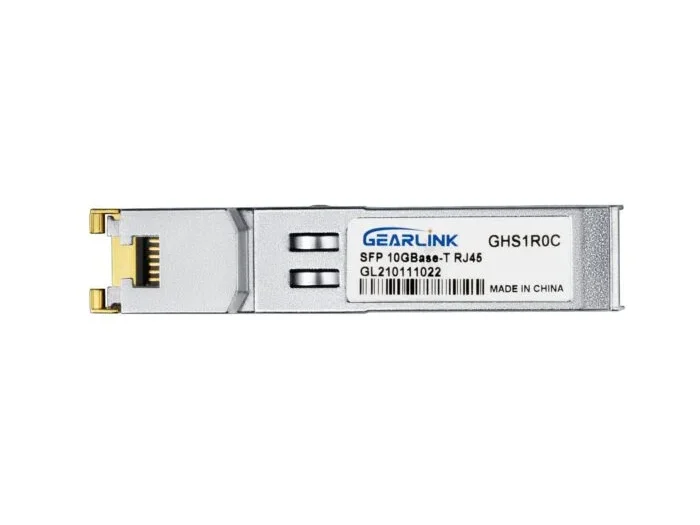
Deploying the 10G SFP+ T successfully requires careful attention to its operational characteristics, particularly its power consumption and the resulting heat load.
Managing the Thermal Footprint in High Density
Due to the internal signal processing, the 10G SFP+ T module consumes significantly more power—often in the range of 2.5W to 4W—than its optical counterparts. This high power consumption translates directly into increased heat generation within the network switch chassis. In scenarios where multiple 10G SFP+ T modules are concentrated in adjacent ports, the heat load can be substantial. For this reason, network administrators must be vigilant about thermal management. It is often recommended that the switch vendor’s guidelines be consulted, as some vendors may impose limits on the number of copper SFP+ modules that can be powered on simultaneously in a single line card to prevent overheating and ensure component longevity. Proper airflow and cool ambient temperatures are crucial for maintaining the stable operation of the copper transceiver links.
Diagnostic Capabilities and Signal Stability
Reliability is a key metric in data transmission. While fiber connections are typically robust against electrical noise, the copper channel is inherently susceptible to interference. High-quality 10G SFP+ T modules are engineered with advanced diagnostic capabilities and error correction algorithms to constantly monitor and adjust signal integrity over the copper link. When procuring these specialized transceivers, it is highly important to source them from vendors that adhere strictly to industry standards and provide proven interoperability across major switching platforms. This diligence minimizes the risk of intermittent connection drops or poor performance stemming from electromagnetic interference (EMI) or thermal strain.
Supporting Multi-Gigabit Speeds for Future Flexibility
A feature that dramatically enhances the future utility of the 10G SFP+ T is its backward compatibility with Multi-Gigabit standards, specifically 2.5 Gigabit (2.5GBASE-T) and 5 Gigabit (5GBASE-T) Ethernet. Many contemporary 10G SFP+ T modules are capable of auto-negotiating down to these speeds, allowing them to establish stable, high-speed connections even when connecting to older cabling (such as Cat5e or Cat6) that cannot reliably handle the full 10Gbps bandwidth. This backward compatibility allows organizations to purchase and install 10G-capable switches today while ensuring connectivity to devices that may only support 2.5G or 5G, providing a vital bridge for gradual infrastructure modernization.
Frequently Asked Questions (FAQ)
Q1: What is the primary difference between a 10G SFP+ T module and a DAC cable?
A: A DAC cable is a fixed-length cable assembly that connects two ports directly. The 10G SFP+ T is a transceiver module that plugs into a switch port, allowing the use of standard, field-terminated copper structured cabling (Cat6a/Cat7) for a flexible link.
Q2: Why must I use Cat6a or Cat7 cabling for the 10G SFP+ T?
A: These higher-grade cables feature superior shielding and tighter twisting that significantly reduces crosstalk and signal loss. This robust construction is necessary to reliably support the high frequency and bandwidth demands of the 10 Gigabit signal over the required distance.
Q3: Can the 10G SFP+ T be used for distances greater than 30 meters?
A: While some links may function under ideal conditions, the 10G SFP+ T is engineered and standardized only to reliably guarantee 10Gbps performance up to 30 meters. For links longer than 30 meters, fiber optic SFP+ modules are the mandatory and reliable alternative.