The continuous evolution of server technology, virtualization, and high-performance computing has led to an exponential increase in bandwidth demand within data centers, pushing connectivity speeds from 10 Gigabit Ethernet (10GbE) to the current standard of 25GbE per lane. This critical shift necessitates interconnection solutions that are not only faster but also more efficient, reliable, and capable of spanning necessary distances while controlling heat and power consumption. The 25G Active Optical Cable (AOC) has emerged as a high-performance, plug-and-play assembly specifically engineered to meet these demanding requirements, directly addressing the limitations inherent in traditional copper cables over longer reaches. For network architects, procurement specialists, and product users focusing on dense, high-speed infrastructure, the question is fundamental: Does the 25G Active Optical Cable offer the optimal balance of reach, low power, and robust signal integrity to be the definitive link technology for modern data centers and cloud deployments? This comprehensive guide will dissect the unique construction, analyze the technical performance metrics, and detail the strategic advantages of deploying the 25G Active Optical Cable in 25G Ethernet environments.
Technical Design: The Unique Architecture of the 25G Active Optical Cable
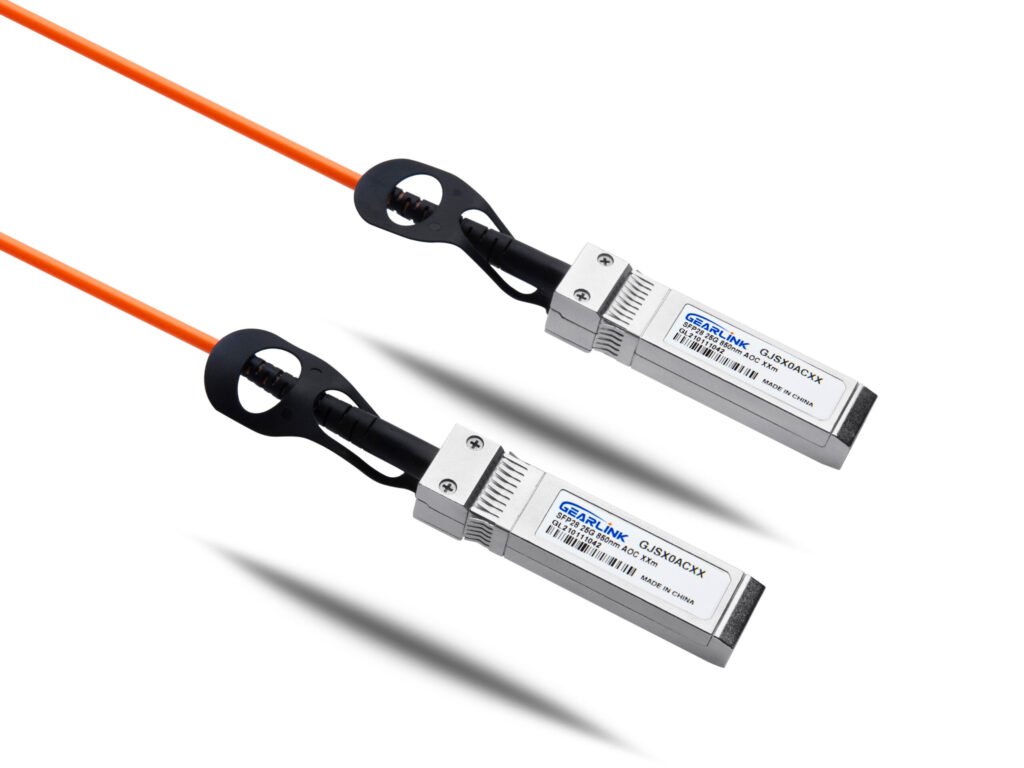
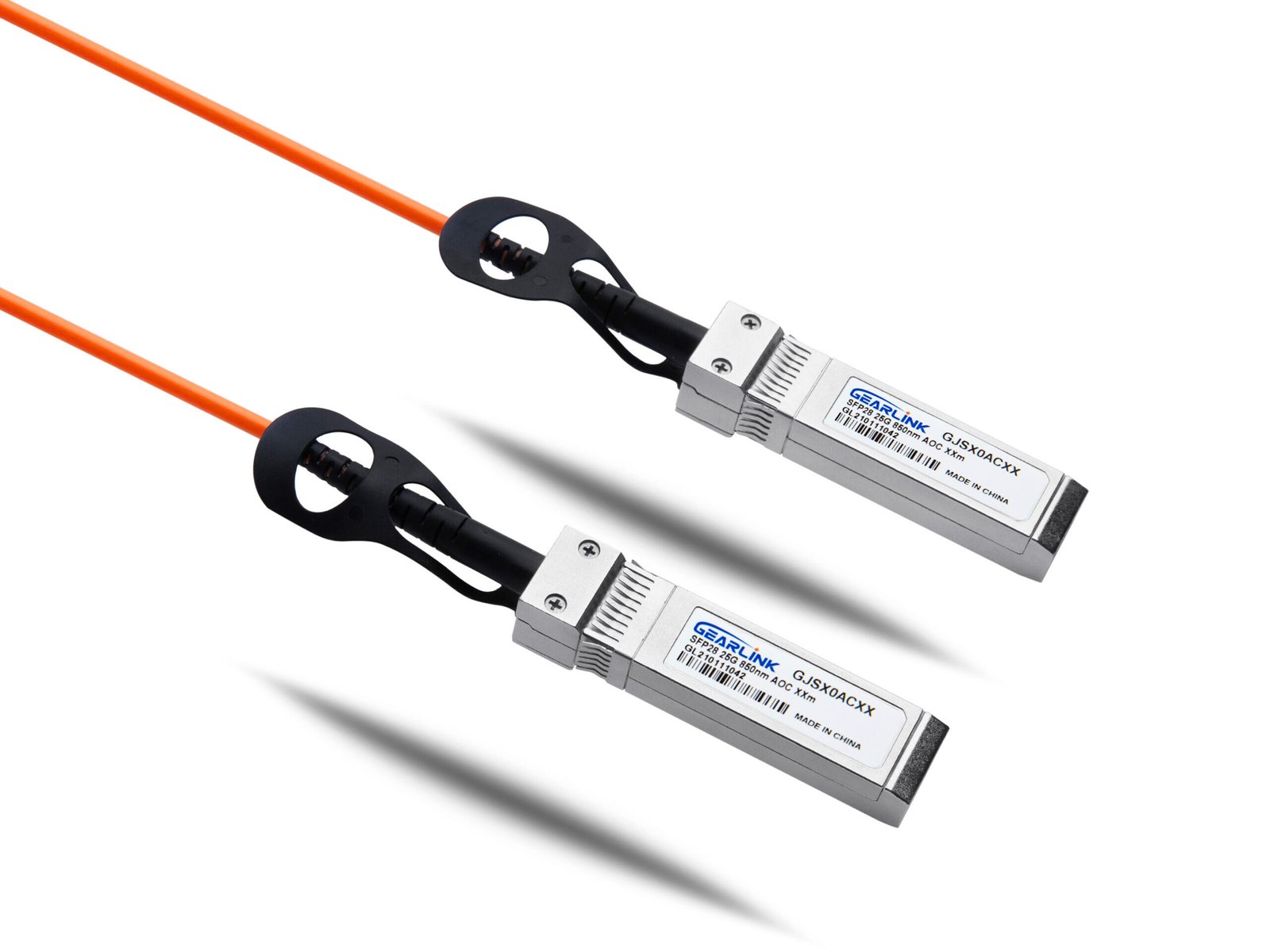
The 25G Active Optical Cable represents a specialized product category that cleverly merges the simplicity of copper cabling with the high-speed, long-reach benefits of fiber optics.
Merging Fiber Performance with Copper Simplicity
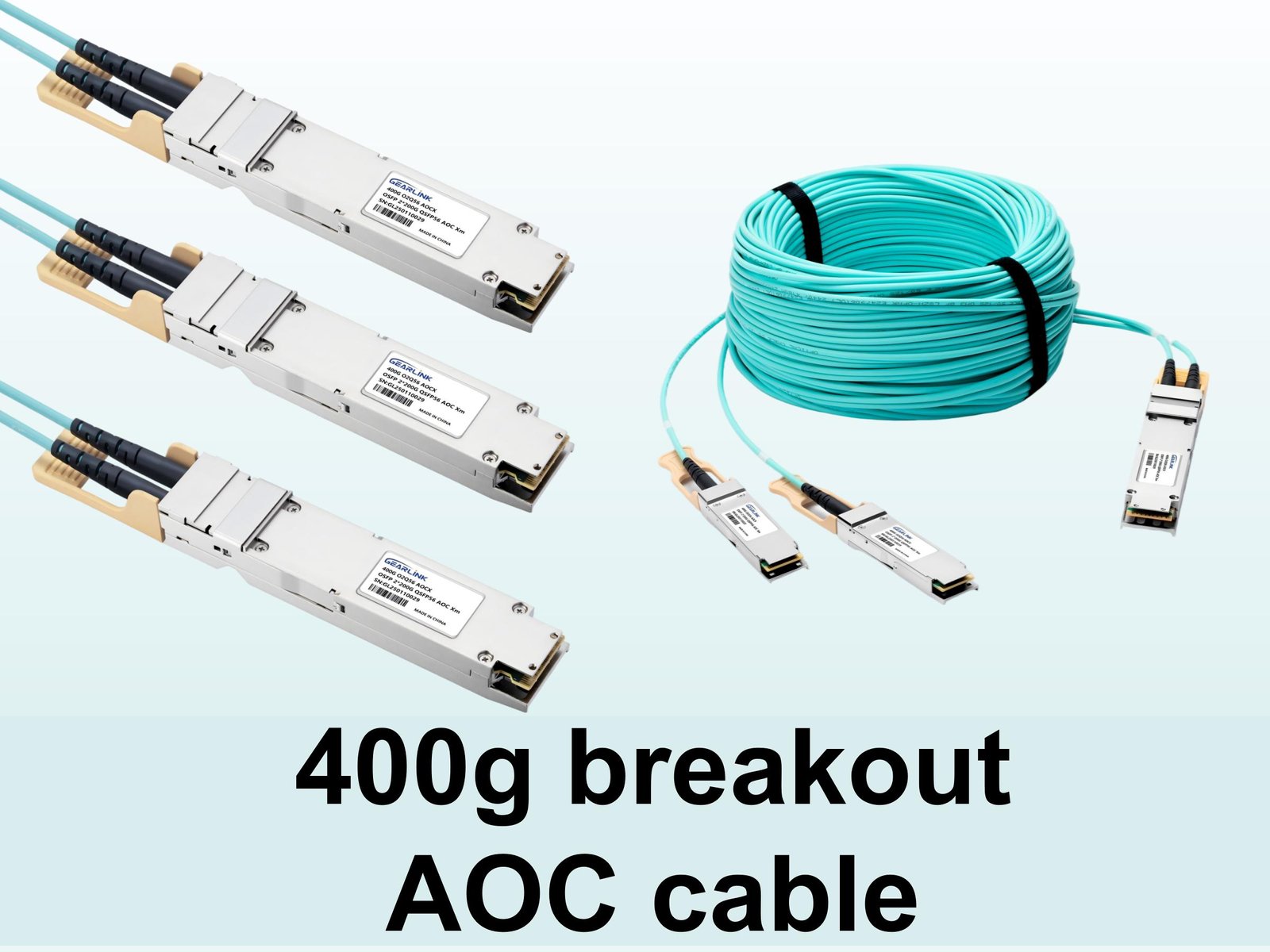
Unlike standard optical transceivers, which require separate, delicate optical patch cords, the 25G Active Optical Cable is a single, integrated assembly consisting of two transceiver heads permanently affixed to a length of fiber optic cable. This unique, factory-terminated design eliminates the complexities and potential signal losses associated with field termination and cleaning of optical connectors. The “Active” component refers to the embedded electronics within the head of the cable, which performs the crucial function of converting the host device’s electrical signal into an optical signal for transmission across the fiber, and then converting it back to electrical signal at the receiving end. This integration ensures guaranteed signal integrity and makes the AOC a true plug-and-play solution, combining fiber’s high-speed capability with the ease of use typically associated with copper cables.
Overcoming Limitations of Direct Attach Copper (DAC)
While Direct Attach Copper (DAC) cables are the preferred, low-power choice for very short links (typically under 5 meters) within the same rack, their performance degrades severely beyond this distance due to signal attenuation and crosstalk. The heavy gauge of copper required for longer high-speed links also makes DAC cables thick, bulky, and difficult to manage in dense rack environments. The 25G Active Optical Cable directly solves these issues: by transmitting data over thin, lightweight fiber optic strands, the AOC can reliably reach distances up to 70 or 100 meters without signal loss or regeneration. Furthermore, the fiber optic cable assembly is significantly thinner and lighter than its copper counterpart, drastically improving airflow and cable management within high-density server racks.
Operational Efficiency in Data Center Environments
The strategic value of the 25G Active Optical Cable lies in its contribution to the overall operational efficiency, particularly concerning power consumption and cooling requirements.
Achieving Superior Power Efficiency
Power consumption is a major concern in large-scale data centers, impacting both electricity costs and cooling loads. The 25G Active Optical Cable is engineered to be highly power efficient. Although the embedded optical components require power for conversion (hence “Active”), the overall power consumption of the AOC is typically much lower than using traditional optical transceivers paired with separate high-power laser modules, especially over medium distances. This efficiency is paramount for server and Top-of-Rack (ToR) switch manufacturers, as lower power draw per port allows for higher port density and reduces the thermal footprint, which directly contributes to a lower total cost of ownership (TCO) for the end-user.
Enhancing Airflow and Cable Management
The physical properties of the 25G Active Optical Cable offer a significant advantage in dense network environments. The lightweight and small-diameter fiber cable assembly requires substantially less physical space than the bulky copper DAC assemblies needed for 25G links. This reduced bulk allows technicians to manage cables more easily and, critically, improves airflow through the server racks. Better airflow is essential for effective cooling, mitigating hotspots, and maintaining optimal operating temperatures for high-density switches and servers. This simple physical characteristic translates into better reliability and longer component lifespan across the entire IT infrastructure.
Key Applications of the 25G Active Optical Cable
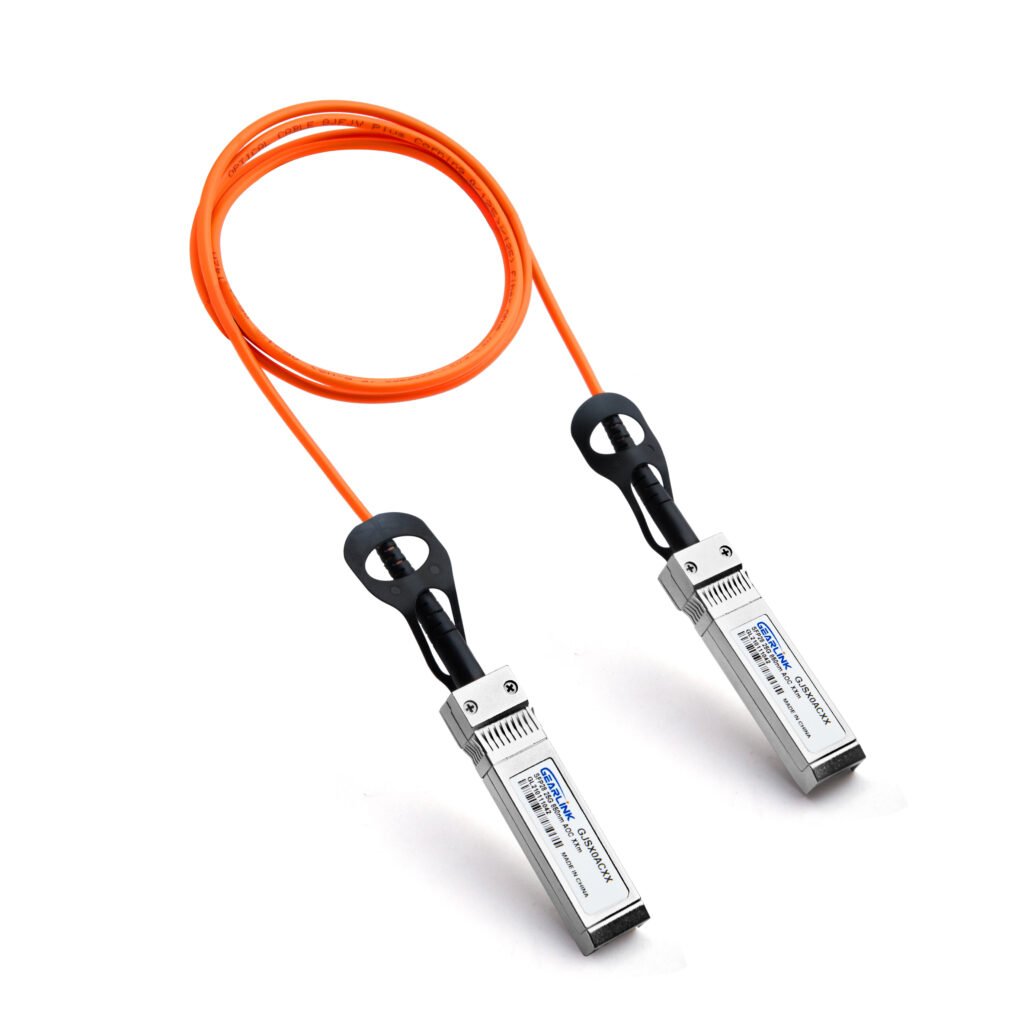
The 25G Active Optical Cable is primarily used in scenarios requiring high-speed links over distances beyond the effective limit of copper, making it critical for the current generation of hyperscale and enterprise networks.
Server-to-Top-of-Rack (ToR) Switching
In the common spine-and-leaf architecture, 25GbE is the standard interface speed for server uplink ports connecting directly to the leaf switches, often located in the same rack (ToR). While DAC cables suffice for the shortest links, the 25G Active Optical Cable becomes essential when the server is placed further down the rack, or when the connection needs to span to an adjacent rack where the run length exceeds 5 to 7 meters. The AOC ensures that the low latency and high bandwidth of the 25G connection are maintained seamlessly across these extended in-cabinet or adjacent-cabinet links, supporting high-throughput applications like software-defined networking (SDN) and intensive data processing.
High-Density Computing and Storage Interconnects
For high-performance computing (HPC) clusters, machine learning systems, and high-speed storage arrays, the inter-node and inter-switch links require minimal latency and guaranteed bandwidth. Here, the 25G Active Optical Cable provides a reliable, high-speed optical path for linking dedicated storage devices (like NVMe-oF arrays) to computing resources. The AOC’s robust signal integrity ensures that data transmission is error-free, which is vital for maintaining the computational accuracy and speed necessary for massive parallel processing tasks in scientific and financial modeling.
Transition to Higher Speeds (100G and Beyond)
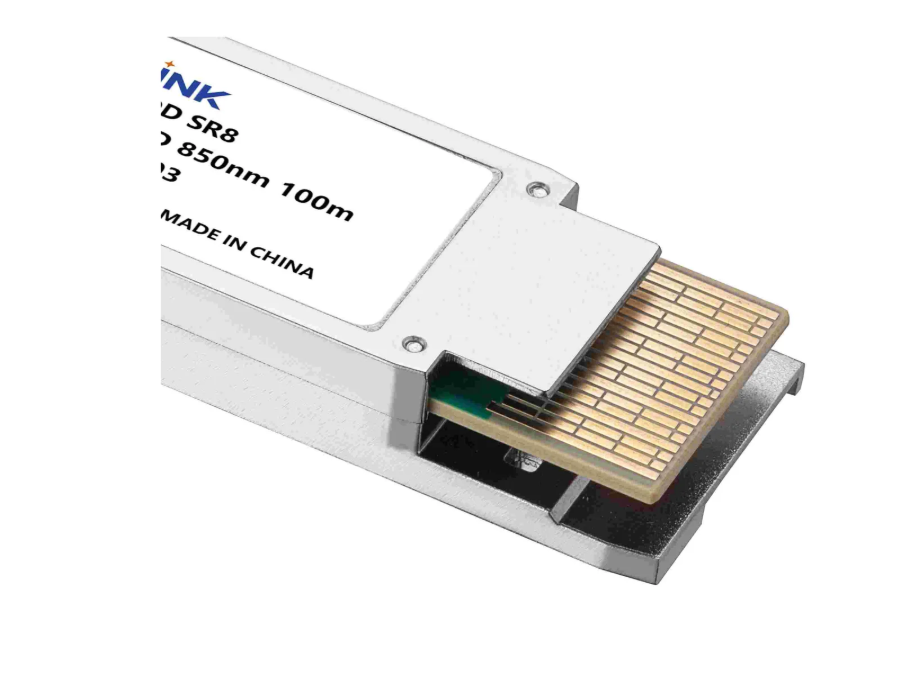
The 25G Active Optical Cable is foundational to the current standard of 100GbE, which is achieved by bundling four 25GbE lanes together (4 x 25G = 100G). Many 100G AOCs are effectively four-lane 25G AOCs integrated into a single QSFP28 form factor. Understanding the performance characteristics of the single-lane 25G Active Optical Cable is therefore directly applicable to the deployment and troubleshooting of higher-speed aggregated links, establishing it as a core building block for scalability towards 200G and 400G networks.
Installation, Reliability, and Procurement Factors
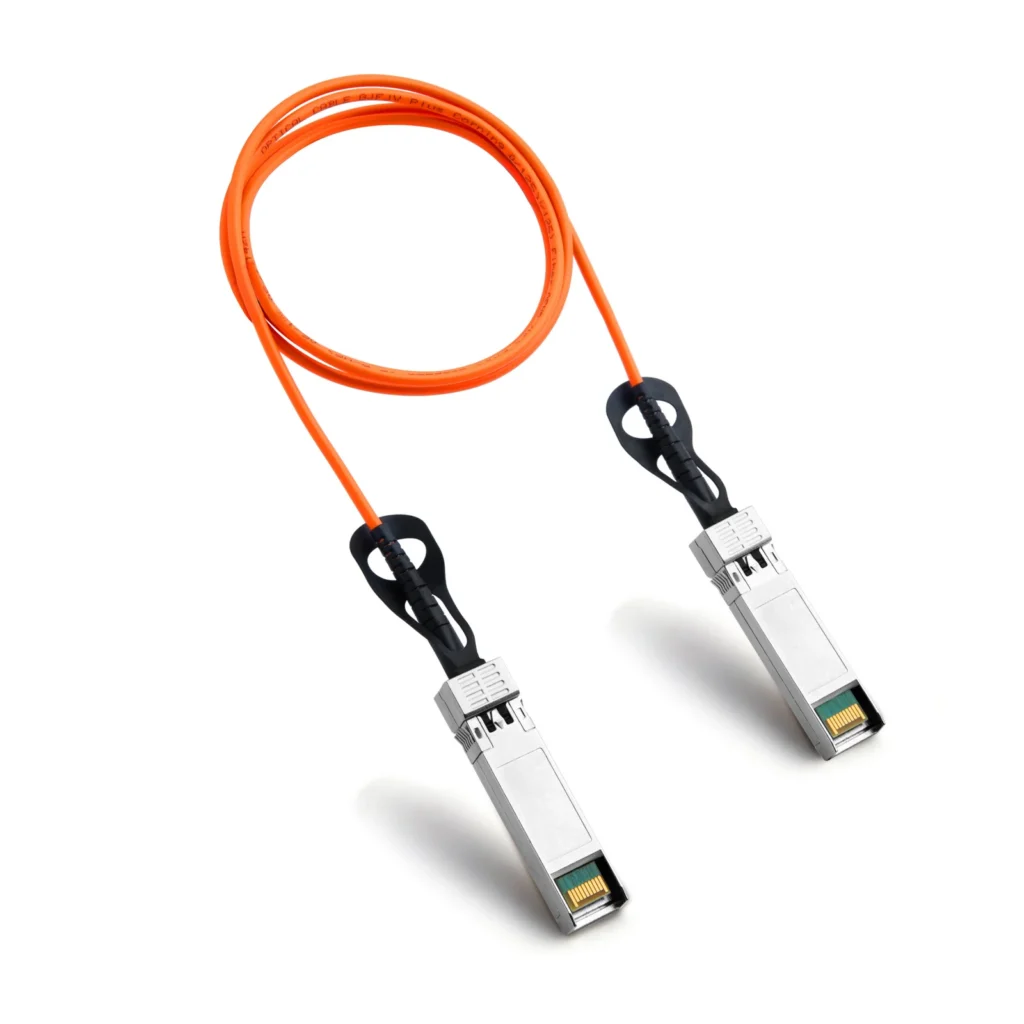
Successful deployment of the 25G Active Optical Cable requires attention to installation practices, long-term reliability concerns, and smart procurement decisions.
Installation Simplicity and Robustness
One of the greatest benefits of the 25G Active Optical Cable is its relative robustness compared to loose fiber patch cords. Since the sensitive optical components and connectors are permanently sealed within the transceiver head at the factory, the cable is far less susceptible to damage from dust, crushing, or incorrect cleaning procedures common in field installations. Installation is remarkably straightforward: simply plug and play. This simplicity drastically reduces the requirement for specialized fiber handling skills among installation technicians and minimizes deployment errors, which translates directly to faster commissioning times for new network hardware.
Signal Integrity and Error Rate Performance
The active electronics inside the 25G Active Optical Cable are critical for maintaining high signal integrity. The circuitry not only performs the electro-optical conversion but also includes signal conditioning features such as equalization and amplification. These functions compensate for minor signal degradation that may occur over the fiber and ensure that the digital signal delivered to the host port is clean and meets the required bit error rate (BER) specifications. This engineered signal quality is a key differentiator from passive copper cables, whose signal quality is highly susceptible to external noise and cable imperfections, particularly at 25G speeds.
Vendor Compatibility and Procurement Strategy
When sourcing 25G Active Optical Cables, network operators must carefully consider vendor compatibility. Although the AOC form factors (like SFP28) are standardized, many switch and server manufacturers implement proprietary coding in the transceiver memory to ensure interoperability and performance within their equipment. Therefore, procurement strategies should focus on high-quality, third-party vendors who provide guaranteed, multi-platform compatibility, ensuring the AOCs will function correctly across a diverse mix of networking hardware. This strategy allows operators to optimize costs without compromising the reliability or warranty of their critical infrastructure.
Frequently Asked Questions (FAQ)
Q1: What is the main difference between a 25G Active Optical Cable and a Passive DAC cable?
A: A DAC cable is passive and uses only copper for transmission, limiting its reliable reach to about 5-7 meters. The 25G Active Optical Cable uses integrated optical components to convert the electrical signal to light and transmit it over lightweight fiber, allowing reliable reach up to 70-100 meters with lower power consumption and better airflow management.
Q2: Why is the 25G Active Optical Cable considered power efficient?
A: Although the cable is “active” (requiring power), the embedded electronics are typically highly optimized for power consumption and are often more power-efficient overall than using separate optical transceivers and high-powered lasers required for equivalent distances, especially when considering the thermal load savings.
Q3: Is the 25G Active Optical Cable used for 100 Gigabit Ethernet (100GbE)?
A: Yes, the underlying technology of the 25G Active Optical Cable is the core building block for 100GbE. A 100G AOC (QSFP28 form factor) typically bundles four separate 25GbE optical lanes into a single assembly (4x25G).