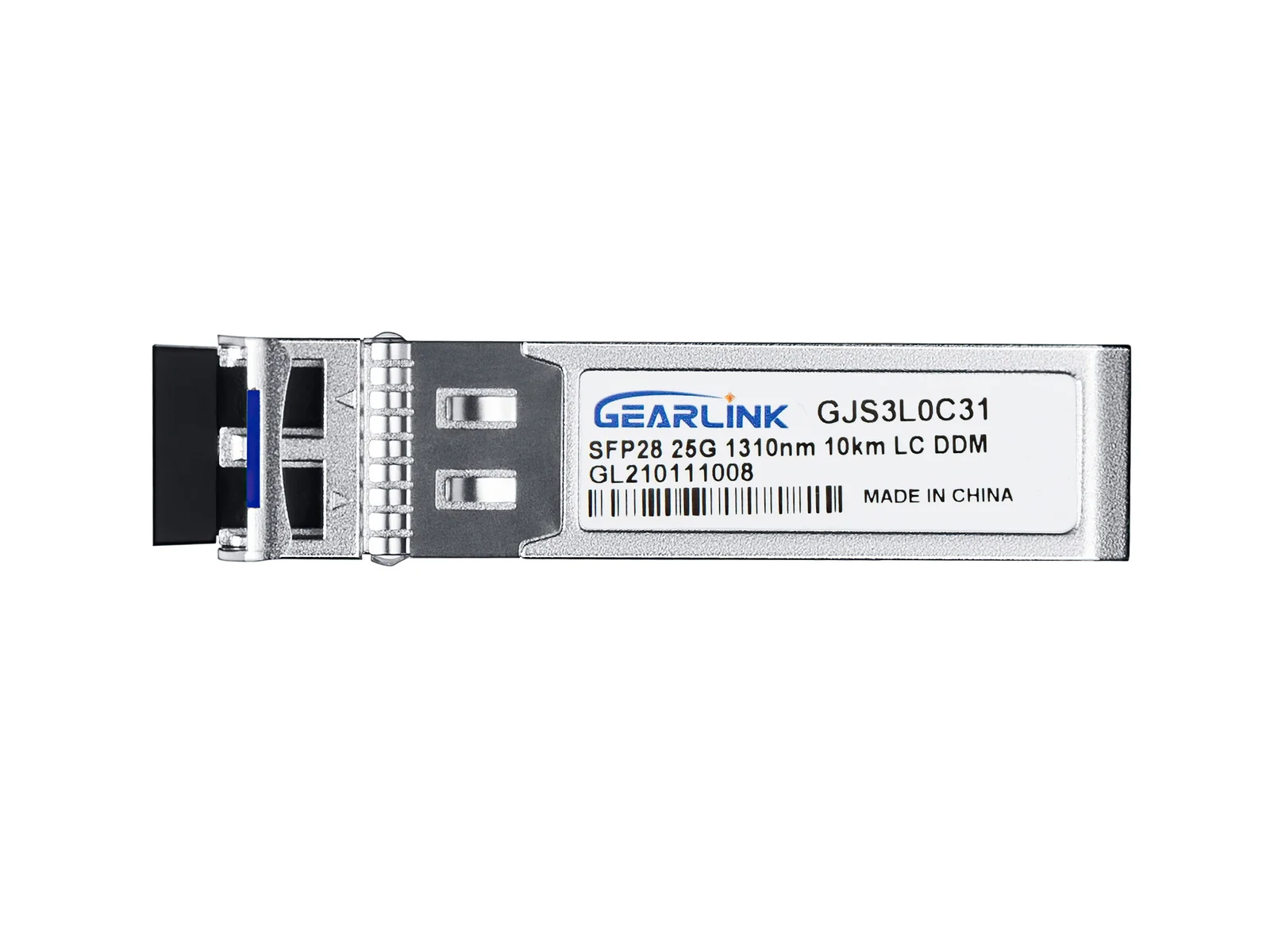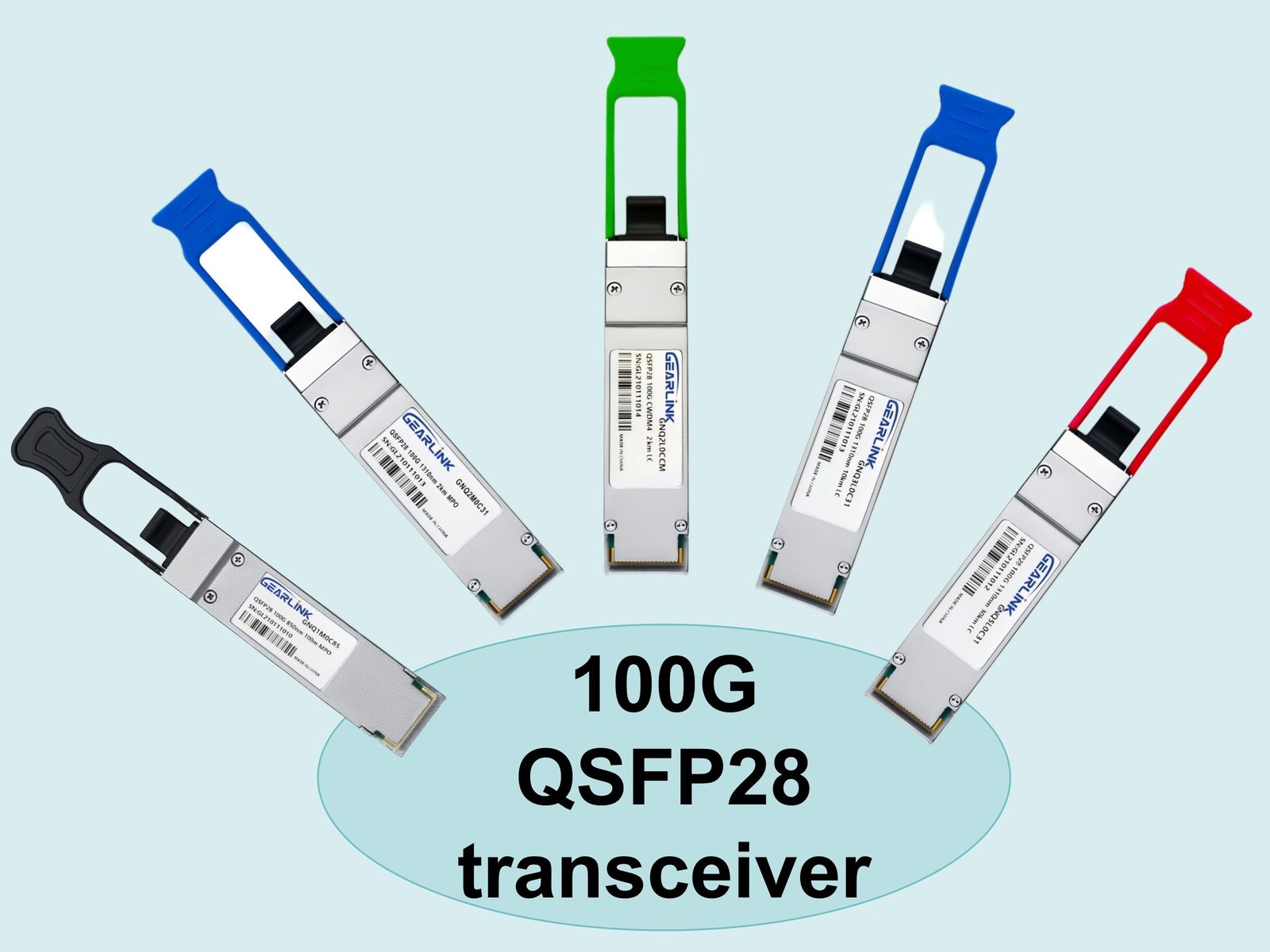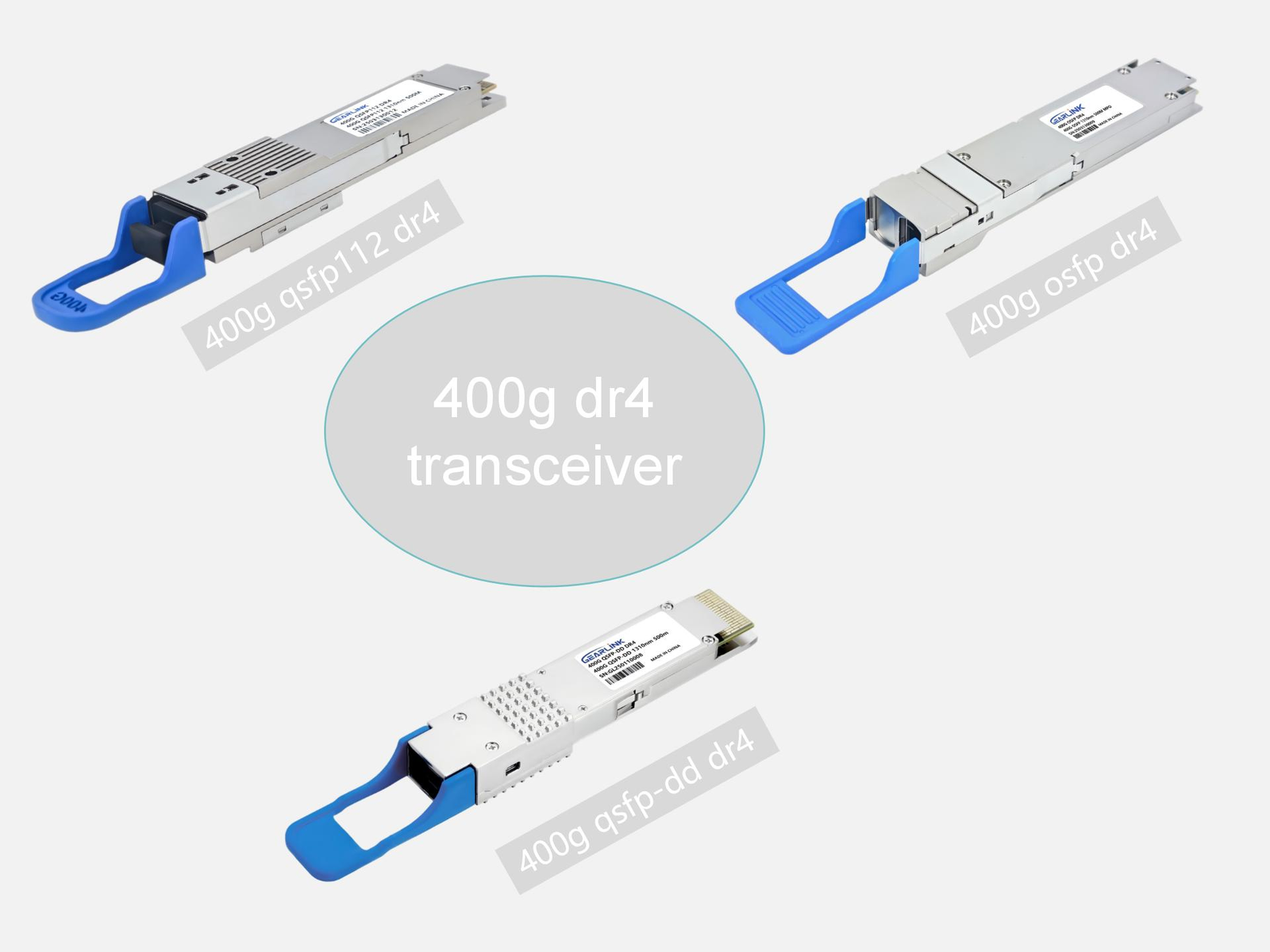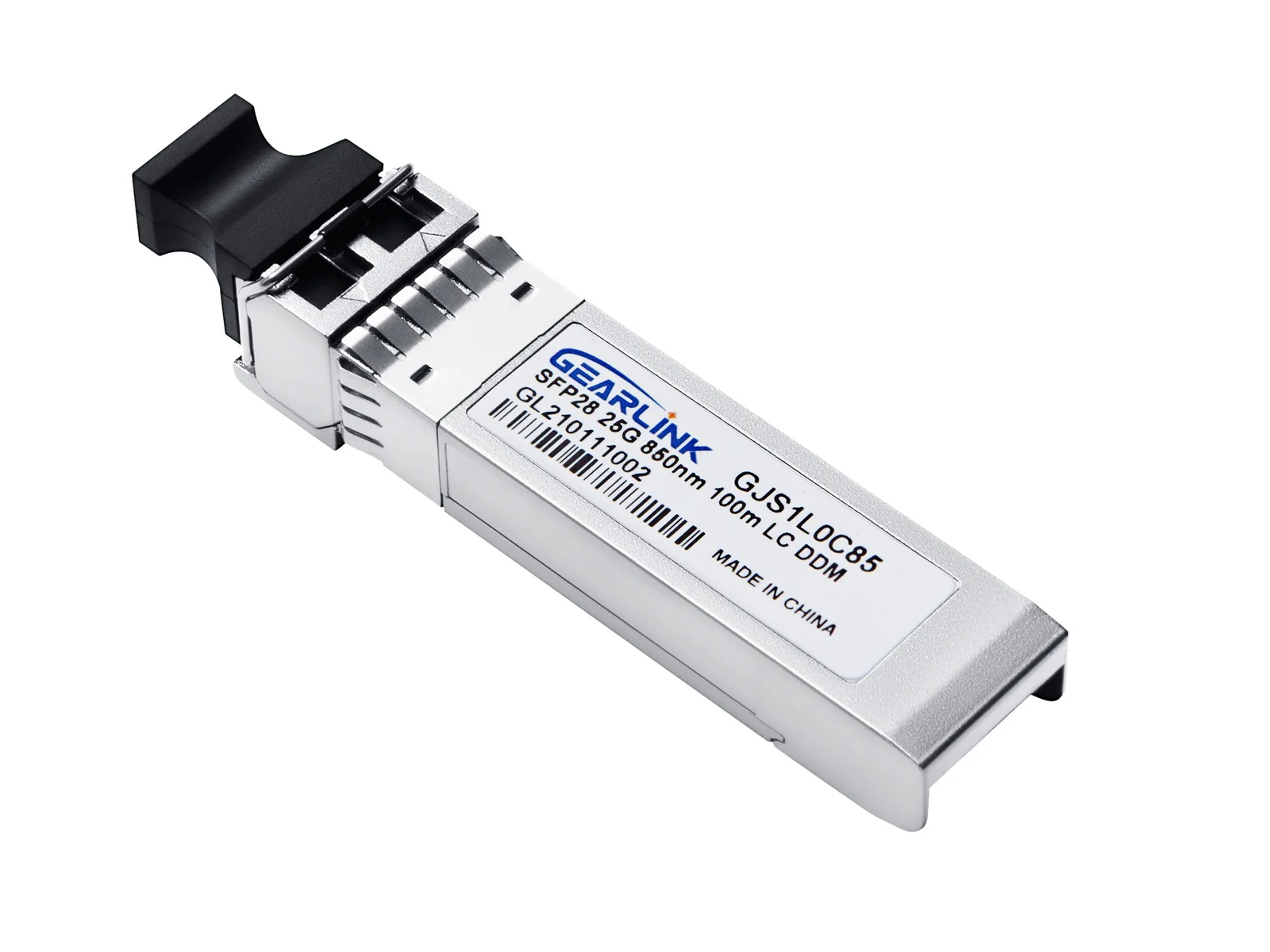
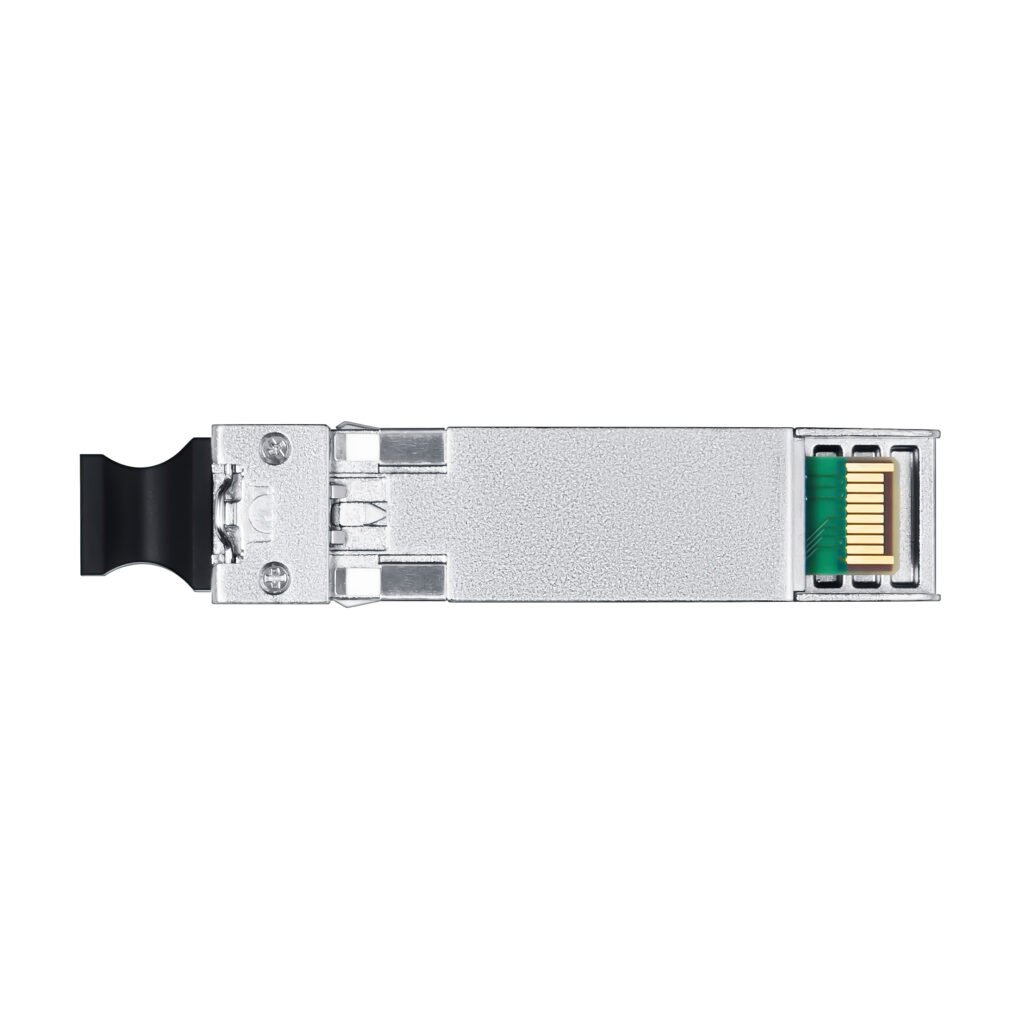
The rapid expansion of cloud computing, artificial intelligence, and high-frequency trading has pushed traditional 10G networks to their absolute breaking point. As network architects look toward the future, the transition to higher speeds has become a matter of “when” rather than “if.” Among the various solutions available in the optical interconnect market, the 25G SFP28 SR transceiver has emerged as a pivotal technology for short-reach applications. This module is not merely an incremental speed boost; it represents a fundamental shift in how data centers handle high-density traffic. By leveraging the SFP28 form factor, which is physically identical to the legacy SFP+ but capable of 2.5 times the throughput, engineers can achieve significant bandwidth gains without overhauling their existing rack infrastructure. For users seeking to optimize their Top-of-Rack (ToR) switching and server connectivity, understanding the technical nuances of the 25G SFP28 SR is essential for maintaining a competitive edge in 2026.
Technical Architecture and Single-Lane Efficiency
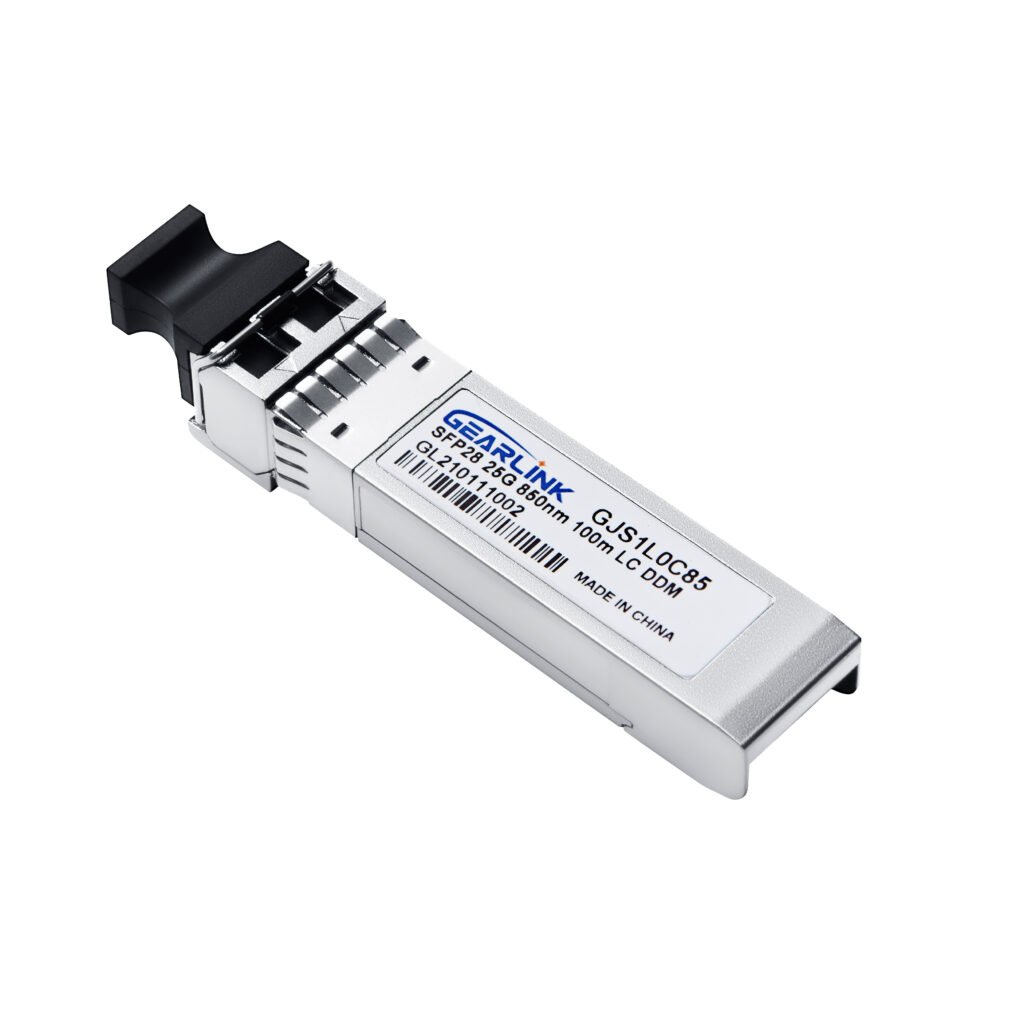
The brilliance of the 25G SFP28 SR lies in its refined internal architecture, which focuses on a single-lane 25Gbps electrical and optical interface. Historically, achieving 100G required the aggregation of ten 10G lanes, leading to high power consumption and complex cabling structures. However, the SFP28 standard streamlines this by utilizing a single 25G lane, which serves as the fundamental building block for modern 100G (4x25G) and even 400G networks. This single-lane approach simplifies the host board design and reduces the number of components, which in turn improves the overall Mean Time Between Failures (MTBF).
VCSEL Technology and Signal Integrity
The “SR” designation stands for Short Reach, meaning this module is optimized for multimode fiber (MMF). Inside the housing, a high-performance 850nm Vertical-Cavity Surface-Emitting Laser (VCSEL) converts electrical data into light pulses. This allows for reliable transmission distances of up to 100 meters on OM4 or OM5 fiber. To maintain signal integrity at 25Gbps, the 25G SFP28 SR relies heavily on Forward Error Correction (FEC). By adding redundant parity bits to the data stream, FEC allows the receiving switch to correct minor bit errors caused by dispersion or noise. This ensures a stable link even when the fiber is near its maximum reach, a critical factor for high-performance computing clusters where data loss is unacceptable.
Thermal Management and Power Consumption
In high-density environments, cooling costs can account for a significant portion of the operational budget. Because the 25G SFP28 SR utilizes a simplified single-channel design, it typically consumes less than 1 Watt of power. By reducing the heat signature per gigabit of data, these modules enable a more sustainable cooling strategy. Furthermore, the integration of Digital Diagnostics Monitoring (DDM) allows network administrators to monitor laser bias current and internal temperature in real-time. This proactive telemetry ensures that any thermal anomalies are detected before they lead to hardware degradation or catastrophic link failure.
Strategic Benefits for Modern Network Migration
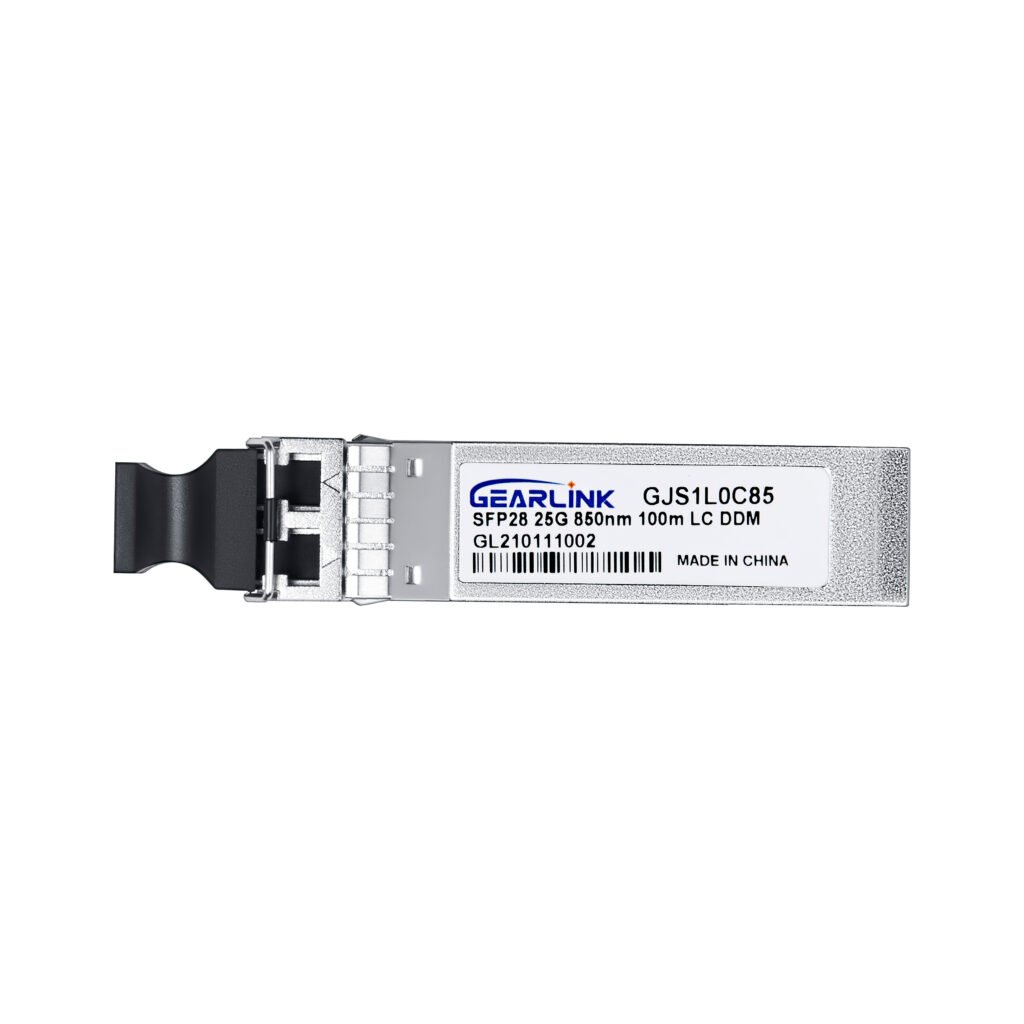
In the context of data center design, the choice of cabling is often dictated by the balance between upfront cost and long-term performance. The 25G SFP28 SR is specifically designed for use with LC duplex multimode fiber, which remains the most economical cabling solution for intra-rack and inter-rack connections. While single-mode fiber offers longer reach, the associated transceivers are significantly more expensive. For the vast majority of server-to-switch links, which rarely exceed 100 meters, the multimode approach provided by the 25G SFP28 SR offers the highest return on investment.
Seamless Backward Compatibility
The transition from 10G to 25G is remarkably smooth because the 25G SFP28 SR is backward compatible with SFP+ ports in many enterprise-grade switches. This allow organizations to upgrade their hardware incrementally. For instance, a company can install 25G-capable switches today while still utilizing their existing 10G fiber plant. As the demand for bandwidth increases, they can swap to 25G modules without changing a single fiber patch cord. This flexibility prevents expensive “forklift upgrades” and preserves capital for other critical digital transformation initiatives.
High-Density Breakout Applications
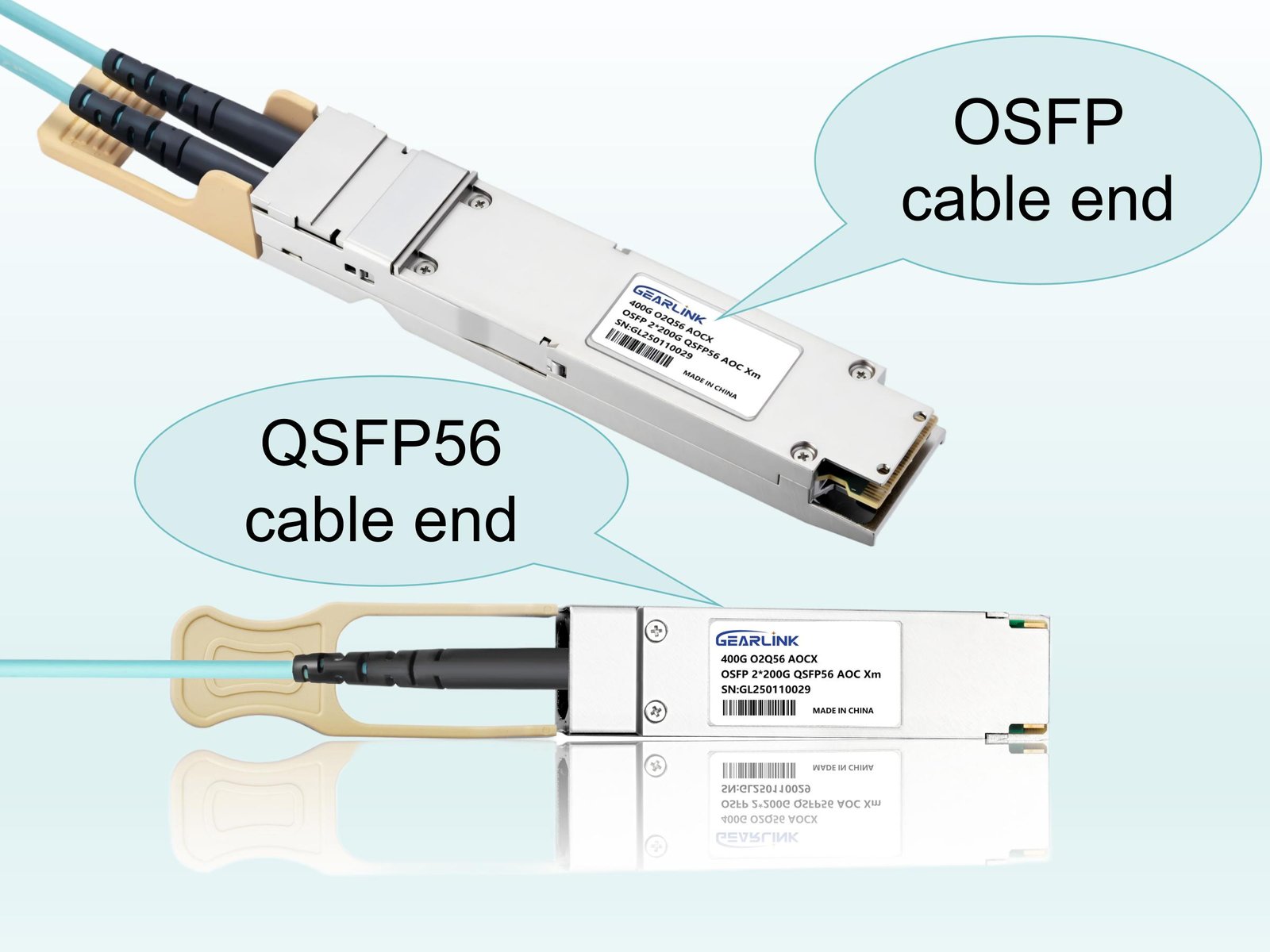
One of the most compelling arguments for adopting the 25G SFP28 SR is its role as a prerequisite for 100G ecosystems. In a spine-leaf architecture, four 25G leaf switches can be aggregated into a single 100G spine port using a QSFP28 to 4x SFP28 breakout cable. This symmetry simplifies network management and inventory. OpticTran emphasizes this scalability as a core value for long-term planning; investing in 25G SFP28 SR technology today ensures that your physical layer is ready for the higher-speed demands of tomorrow without the need for complex gearboxing or speed conversion hardware.
Conclusion: Driving Excellence in Optical Connectivity
In conclusion, the 25G SFP28 SR represents the perfect equilibrium of speed, power efficiency, and cost-effectiveness. It provides a clear, standardized migration path from legacy 10G systems while laying the groundwork for future 100G and 400G expansion. By utilizing advanced VCSEL technology and maintaining an ultra-low power profile, this module solves the bandwidth bottlenecks that plague modern enterprise networks. Choosing high-quality optics from a trusted partner like OpticTran ensures that your network remains robust, energy-efficient, and ready for the data-heavy workloads of the AI era. As we move further into 2026, the SFP28 SR will continue to be the cornerstone of short-reach optical interconnects.
Frequently Asked Questions (FAQ)
Q1: What is the maximum distance supported by 25G SFP28 SR on different fibers?
A: The 25G SFP28 SR supports up to 70 meters on OM3 multimode fiber and up to 100 meters on OM4 or OM5 multimode fiber. If your link exceeds 100 meters, you should consider a single-mode 25G LR transceiver.
Q2: Does the 25G SFP28 SR require FEC to be enabled on the switch?
A: Yes, according to the IEEE 802.3by standard, Forward Error Correction (typically RS-FEC) is required to ensure a reliable 25Gbps link over the full 100-meter reach. Without FEC, the link may experience high bit-error rates.
Q3: Can I use a 25G SFP28 SR with an older 10G SFP+ transceiver?
A: While they share the same physical port size, the speeds must match. If you want to connect a 25G port to a 10G port, the 25G switch port must be manually configured to operate at 10G speed, and a 10G transceiver must be used at both ends.