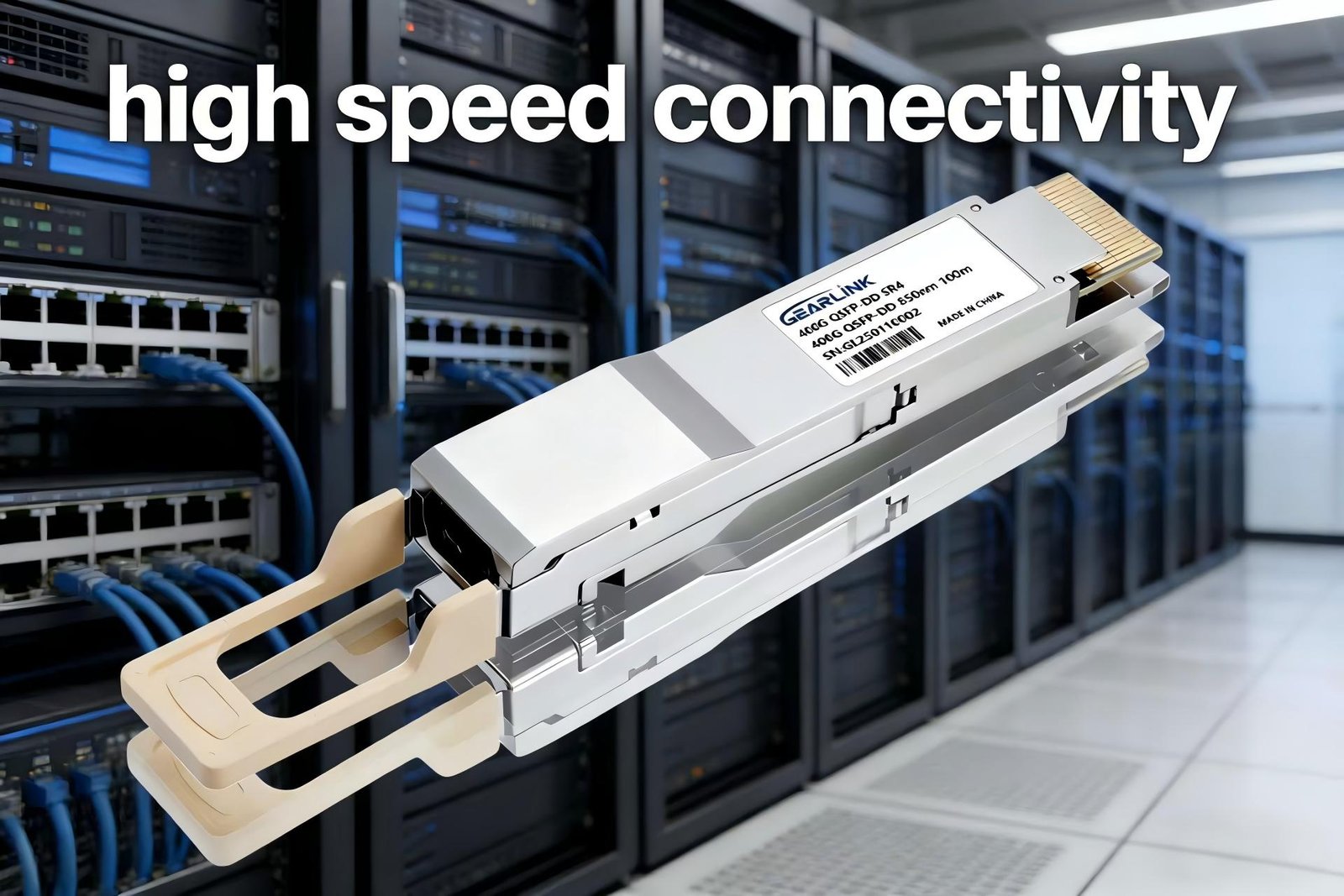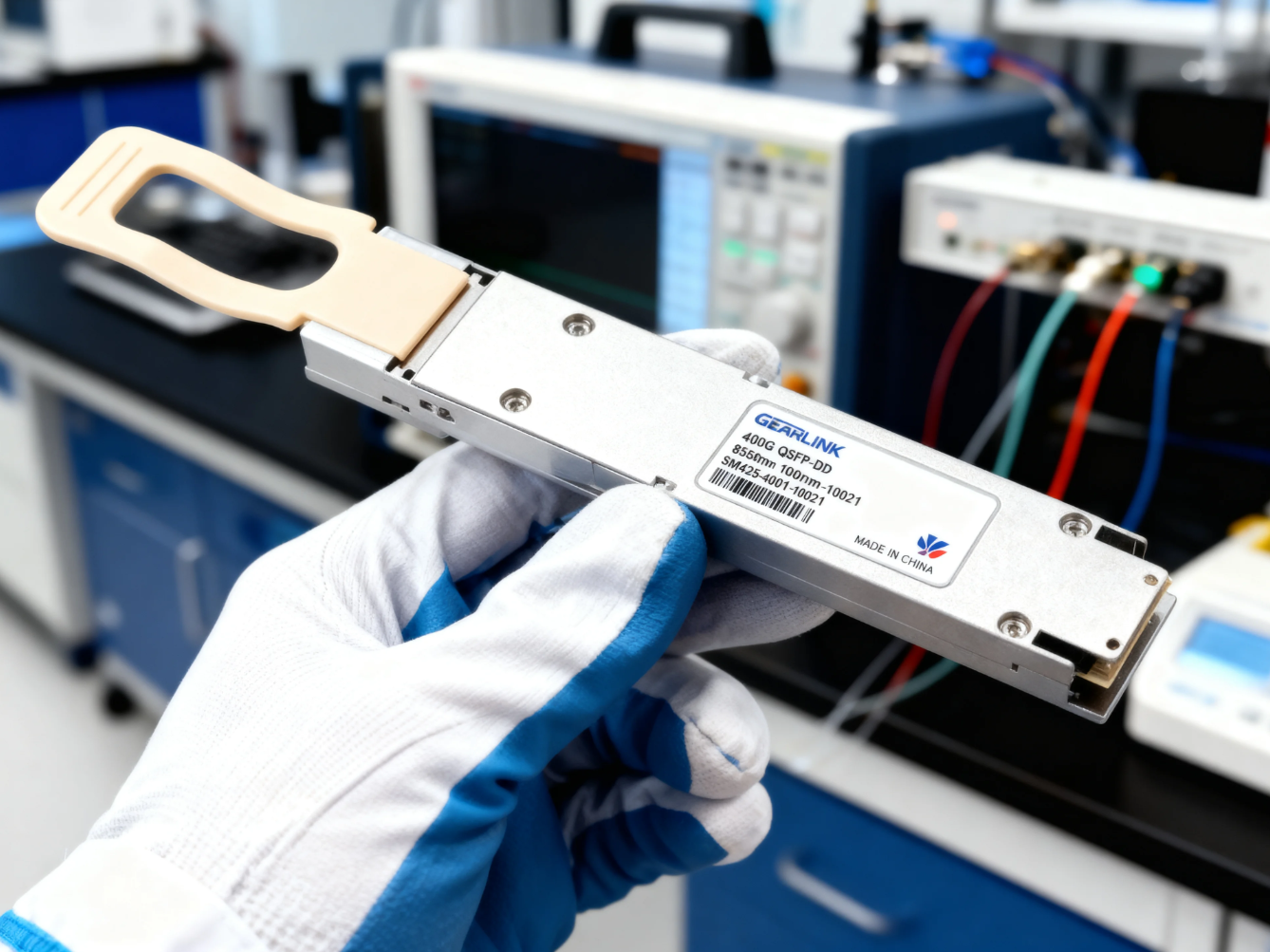
The transition to next-generation networking requires more than just a simple hardware swap; it demands a strategic understanding of the optical landscape. As data centers migrate from 100G to higher throughputs to support AI and cloud computing, navigating a 400G transceiver selection guide has become a fundamental task for network architects. Selecting the right module involves balancing power consumption, thermal management, and transmission distance against budget constraints. At Optictran, we believe that providing a technical roadmap is essential for users to achieve seamless connectivity and long-term infrastructure stability in an increasingly demanding digital environment.
Understanding the Physical and Electrical Architecture of 400G Modules

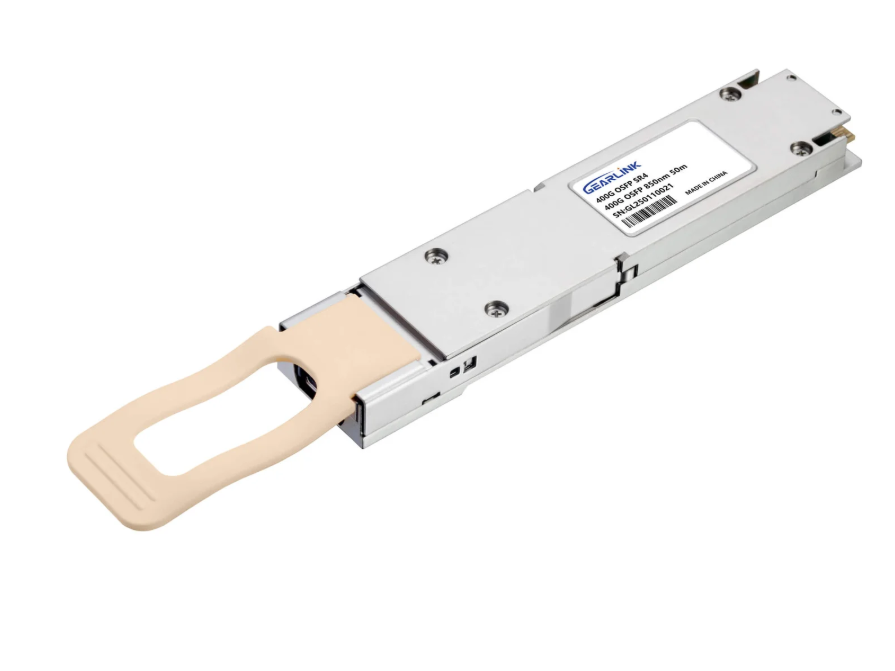
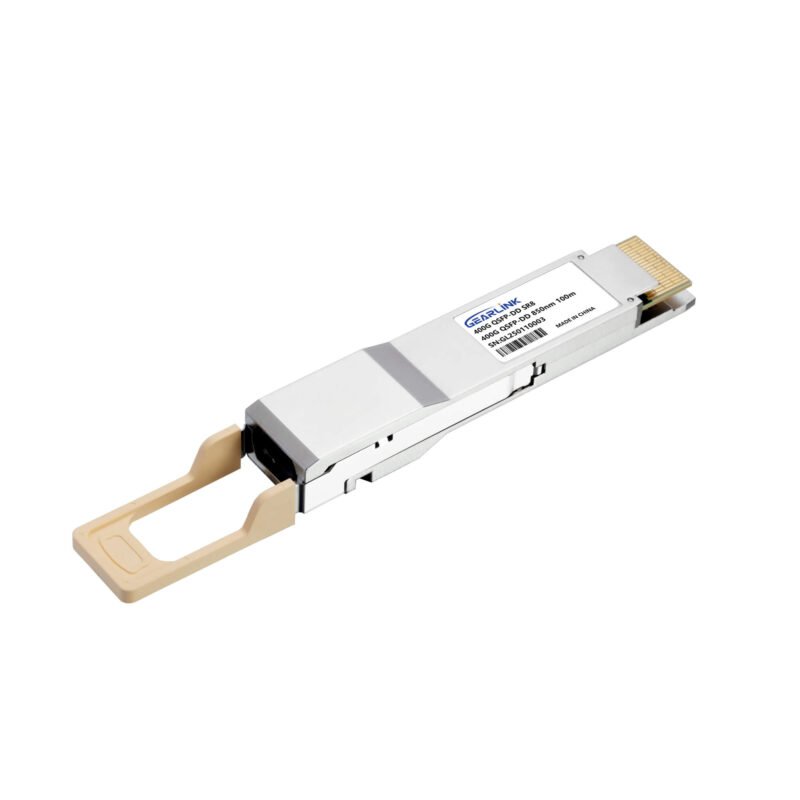
The first step in any 400G transceiver selection guide is deciphering the physical form factors that dominate the current market. Currently, the industry has largely converged on two primary designs: the QSFP-DD (Quad Small Form-factor Pluggable Double Density) and the OSFP (Octal Small Form-factor Pluggable). While both are capable of delivering 400 Gbps, they serve different operational philosophies. The QSFP-DD is favored for its backward compatibility with legacy QSFP28 ports, allowing for a smoother transition in existing enterprise environments. Conversely, the OSFP is slightly larger and was designed with the future of 800G in mind, offering superior thermal headroom for high-power applications.
PAM4 Signaling and DSP Complexity
Beyond the physical shell, the electrical interface is what powers the data throughput. Most 400G modules utilize 8 lanes of 50G PAM4 (Pulse Amplitude Modulation) to reach their target speed. This leap from the older NRZ (Non-Return to Zero) signaling used in 100G networks allows for higher data density but introduces increased complexity in signal integrity management. Consequently, a robust 400G transceiver selection guide must emphasize the importance of choosing modules with high-quality Digital Signal Processors (DSPs) that can effectively mitigate chromatic dispersion and maintain a low bit-error rate over various fiber types.
Strategic Categorization by Transmission Distance and Medium
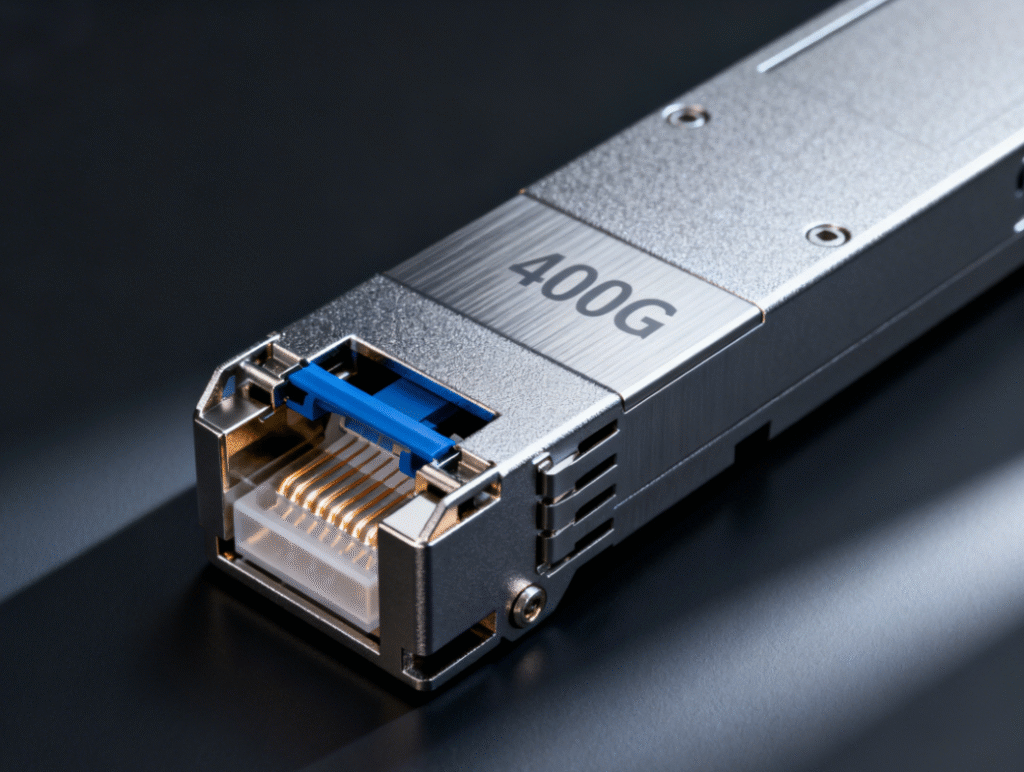
A critical component of a comprehensive 400G transceiver selection guide involves matching the optical interface with the physical distance of the fiber link. For short-reach applications within a single rack or between adjacent rows, SR8 (Short Reach) modules utilizing Multimode Fiber (MMF) are the most cost-effective choice. These modules typically cover distances up to 100 meters and are ideal for the massive leaf-spine interconnects found in modern hyperscale architectures. However, as the distance increases, the industry shifts toward Single Mode Fiber (SMF) solutions, which offer significantly lower attenuation.
Parallel Fiber vs. Wavelength Division Multiplexing
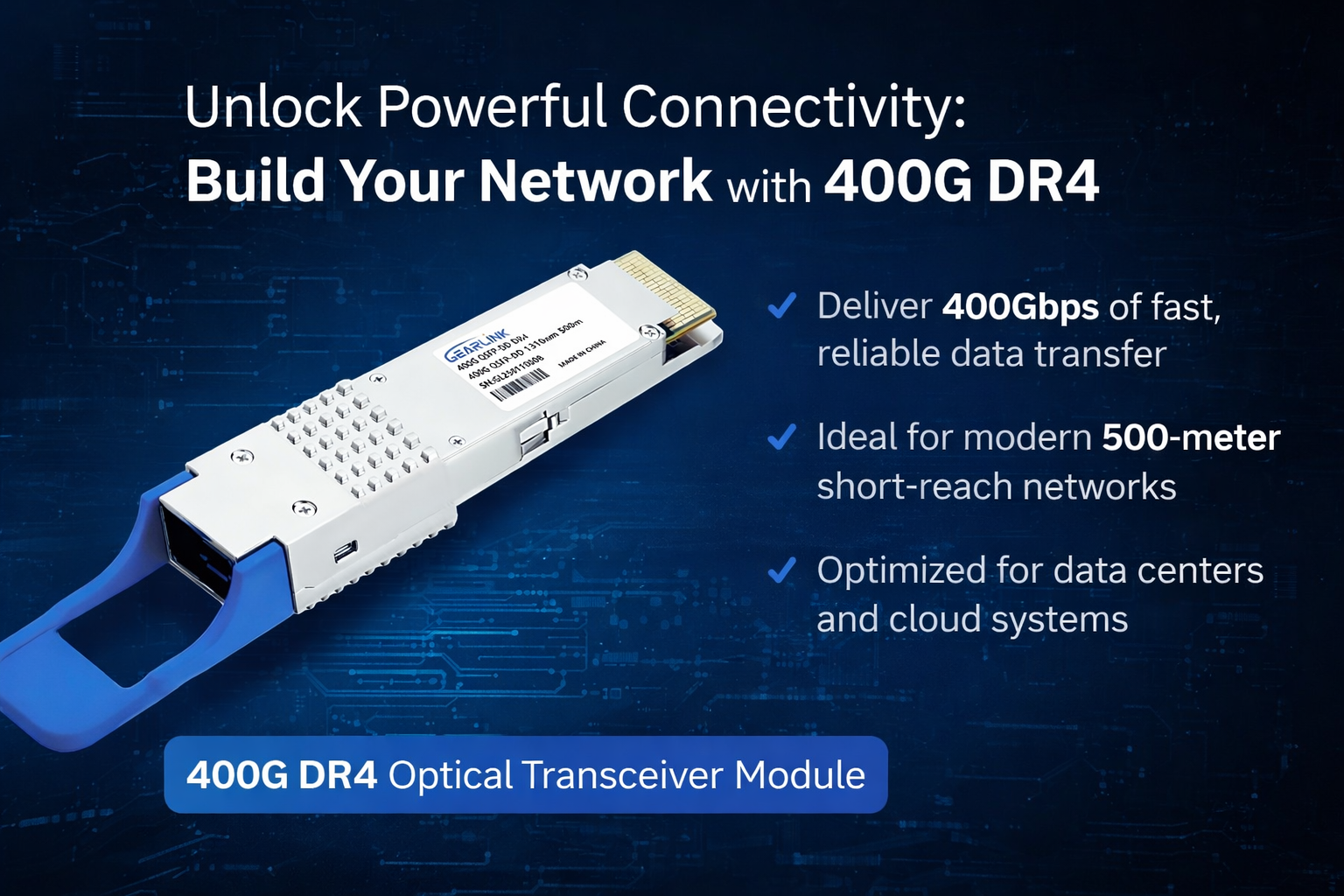
For medium-range connections spanning 500 meters to 2 kilometers, the DR4 and FR4 standards are the primary contenders. The DR4 (Datacenter Reach) uses four parallel fibers, while the FR4 (Fiber Reach) employs Wavelength Division Multiplexing (WDM) to send four signals over a single pair of fibers. This distinction is vital in any 400G transceiver selection guide because it impacts the complexity of the cabling infrastructure. Choosing FR4 can significantly reduce fiber consumption, making it a sustainable choice for large-scale deployments where conduit space is at a premium and expansion costs are high.
Thermal Management and Power Efficiency in High-Density Environments
In the realm of high-speed optics, heat is the ultimate adversary. As modules become more powerful, they consume more electricity, which is subsequently converted into heat. This reality makes thermal performance a cornerstone of this 400G transceiver selection guide. The OSFP form factor, with its integrated heat sink, provides an advantage in environments where airflow is restricted or where 800G upgrades are planned. Proper thermal management ensures that the laser diode remains stable, preventing wavelength drift that can lead to intermittent link failures.
The Evolution of 7nm and 5nm DSP Nodes
Furthermore, power efficiency is no longer just a “green” initiative; it is a technical necessity for maintaining port density. A module that consumes 12W versus 10W might not seem significantly different on an individual basis, but when multiplied across a 32-port switch, the cumulative heat load can strain cooling systems and reduce the lifespan of the switch silicon. Therefore, a modern 400G transceiver selection guide prioritizes optics that utilize the latest 7nm or 5nm DSP technology, as these chips offer the lowest power-per-bit ratios currently available on the market, ensuring that your network remains cool and reliable under heavy workloads.
Evaluating Long-Reach and Coherent Solutions for Edge and Metro Links
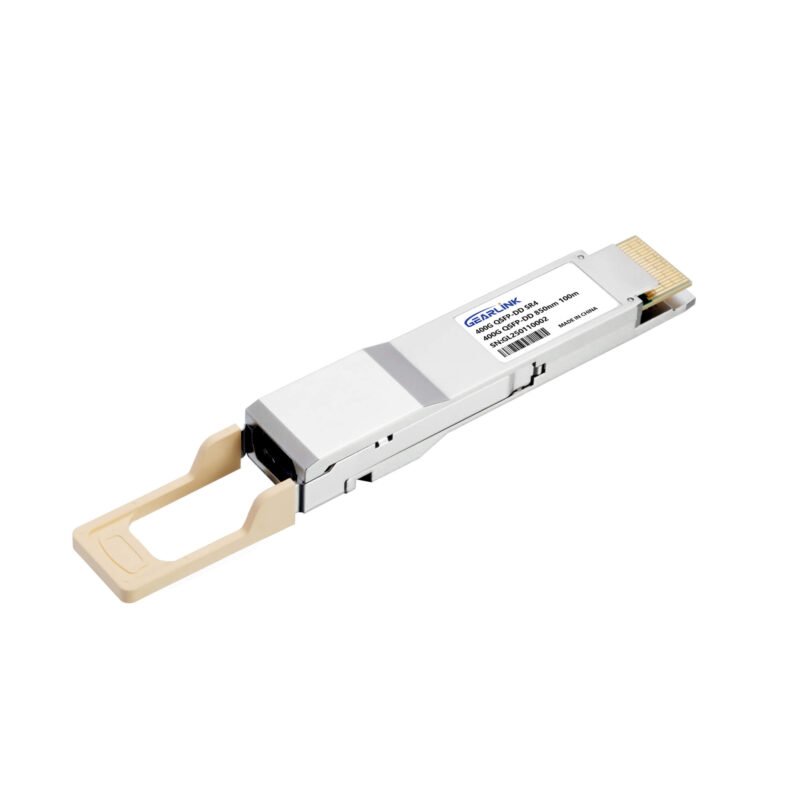
As the 400G ecosystem matures, the demand for longer transmission distances—exceeding 10 kilometers—is growing. This is where the LR4 (Long Reach) and 400G ZR solutions enter the conversation. The LR4 is designed for traditional campus or metro-area networks, providing reliable connectivity over 10km of single-mode fiber without the need for complex amplification. However, for even longer spans or DCI (Data Center Interconnect) applications, 400G ZR and ZR+ modules utilize coherent technology to reach distances of 80km or more.
Coherent Optics and IP-over-DWDM Integration
Integrating coherent optics into a standard pluggable form factor represents a major engineering milestone. This 400G transceiver selection guide identifies coherent modules as a game-changer for service providers who wish to eliminate expensive transponder shelves and move toward IP-over-DWDM architectures. While these modules are more expensive and consume more power than their short-reach counterparts, the reduction in overall network complexity and floor space often results in a significantly lower total cost of ownership over the project’s lifecycle.
Conclusion: Implementing a Future-Proof 400G Selection Strategy
In conclusion, the path to a successful 400G deployment is paved with informed technical choices. By utilizing a structured 400G transceiver selection guide, network professionals can navigate the trade-offs between form factors, transmission distances, and thermal requirements. Whether you are optimizing a high-frequency trading floor that requires the lowest possible latency or a massive cloud facility focused on power efficiency, the right transceiver is the linchpin of your infrastructure. At Optictran, we are dedicated to providing the high-performance modules and expert guidance needed to ensure your network is not only fast today but also ready for the innovations of tomorrow.
Frequently Asked Questions (FAQ)
Q: Is 400G ZR compatible with any standard switch port?
A: Not necessarily. 400G ZR modules consume significantly more power (up to 15W-20W). You must ensure your switch port is designed to provide the necessary power and cooling before following a 400G transceiver selection guide for coherent optics.
Q: Which form factor is better, QSFP-DD or OSFP?
A: This depends on your existing hardware. If you require backward compatibility with 100G QSFP28, QSFP-DD is the standard choice. If you are building a new greenfield site and plan to migrate to 800G soon, the OSFP offers better thermal headroom.
Q: Can I use 400G SR8 modules with existing OM4 fiber?
A: Yes, 400G SR8 is fully compatible with OM4 multimode fiber, typically supporting distances up to 100 meters, which is a key detail in any 400G transceiver selection guide.
Q: What is the difference between 400G DR4 and 400G FR4?
A: DR4 uses four parallel fibers (MPO-12 connector) to transmit 500m, while FR4 uses LC connectors and WDM technology to transmit over a single pair of fibers for up to 2km.