Data centers are facing unprecedented traffic surges. As 100G links become saturated, the move to 400G is no longer optional; it is a strategic necessity for scalability. The 400g qsfp-dd form factor has emerged as the leading standard for this migration. It offers high port density and essential backward compatibility. However, selecting the specific module requires navigating complex specifications and distinct interface types. In this guide, I will help you evaluate the key technical factors to ensure a successful network upgrade.
Understanding the 400G QSFP DD Transceiver Architecture
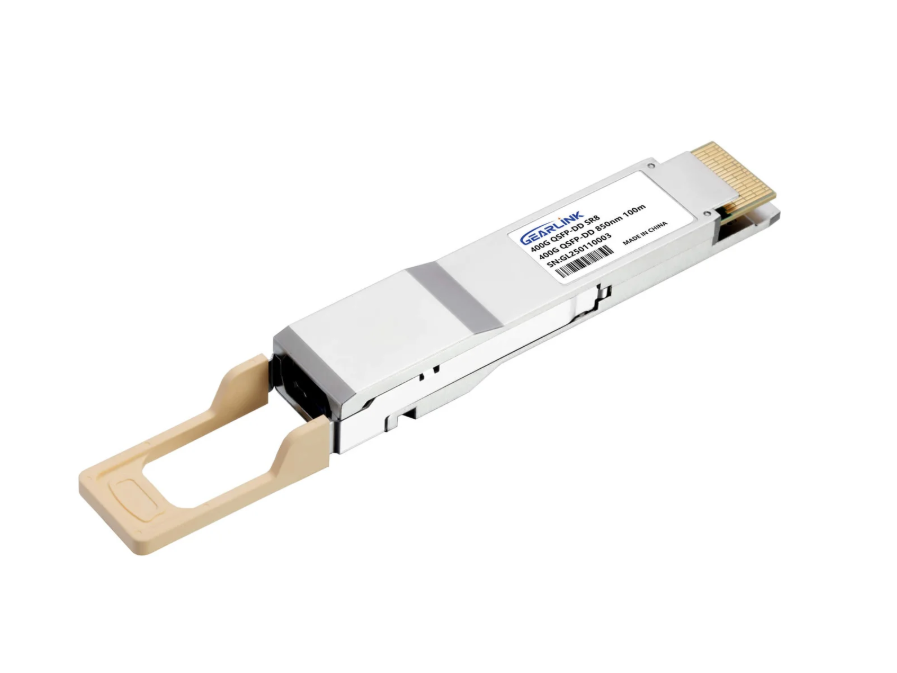
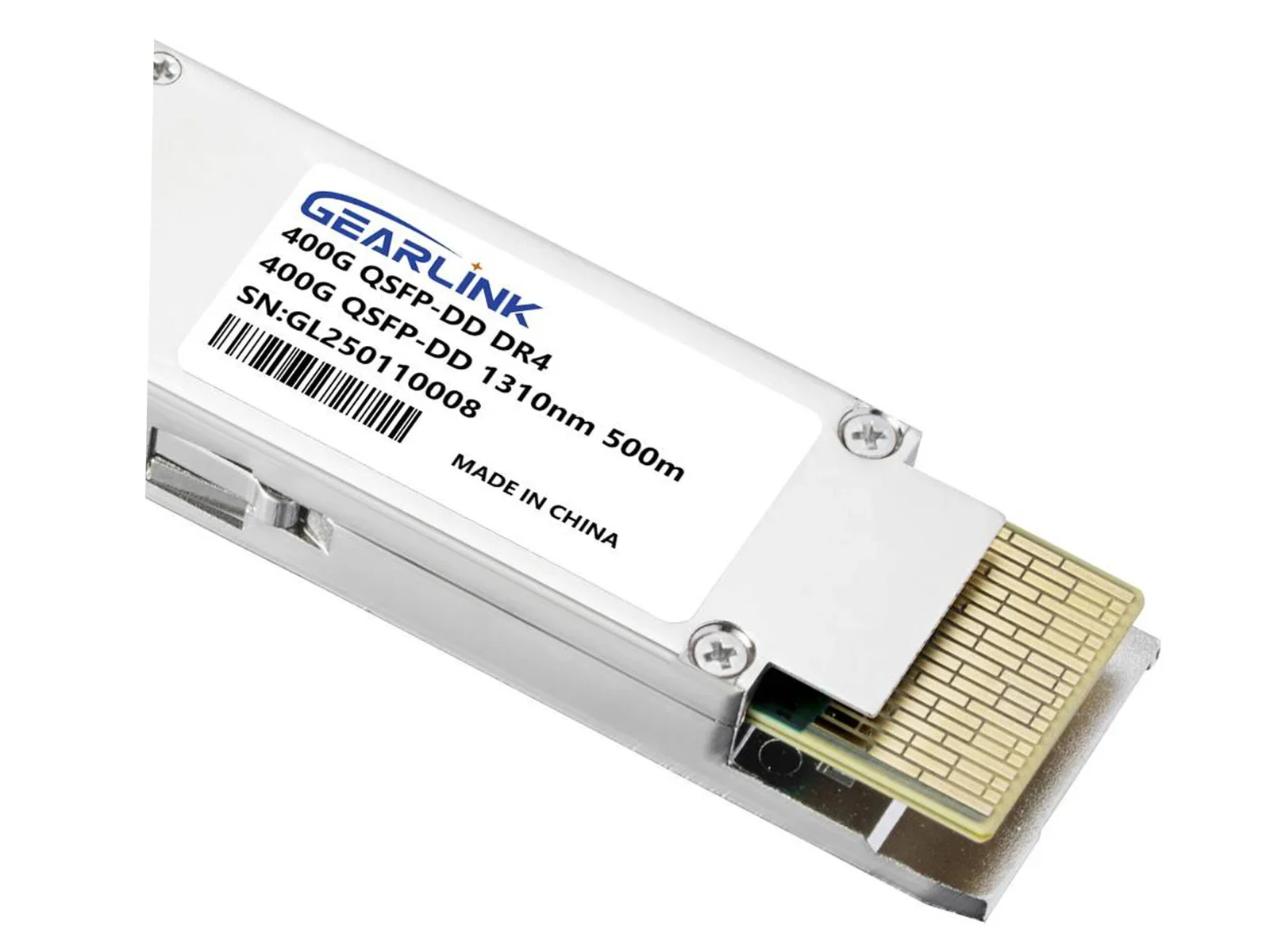
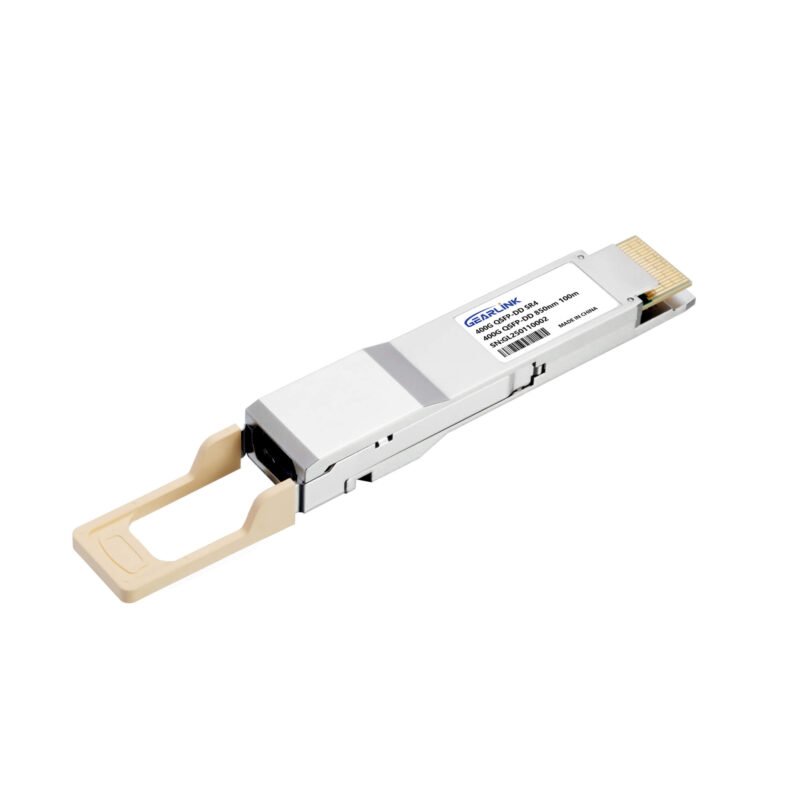
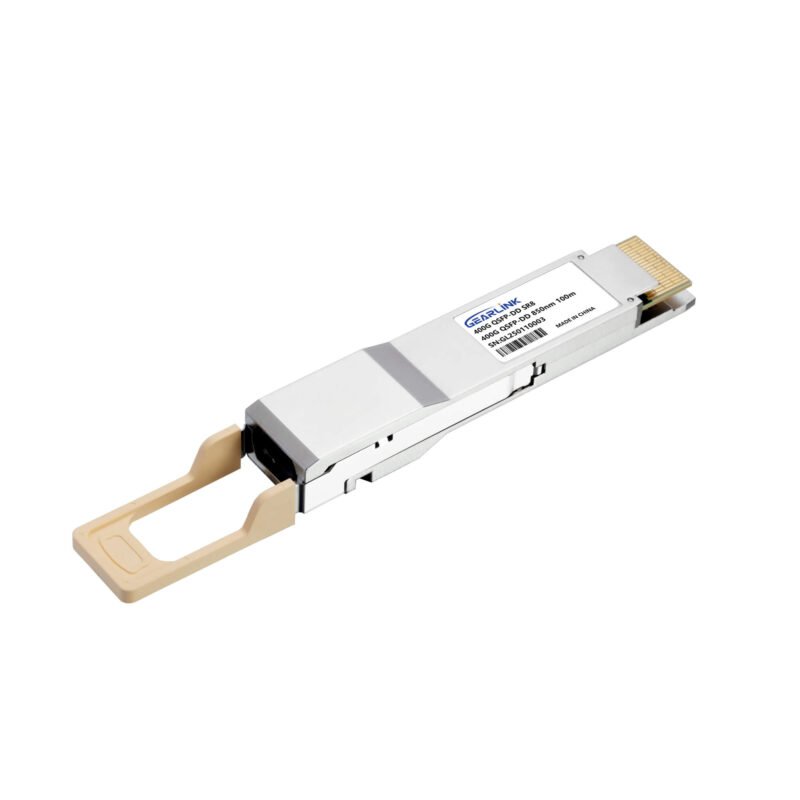
To make an informed purchase, you must first understand what sets this form factor apart. The “DD” stands for “Double Density.” A standard QSFP interface uses four electrical lanes. The 400g qsfp dd transceiver doubles this to eight lanes.
Each lane operates at 50Gb/s using PAM4 modulation. This aggregation results in a total throughput of 400Gb/s. This architecture is crucial for B2B buyers to understand because it dictates switch compatibility.
The physical size is almost identical to the legacy QSFP28. This allows network engineers to maximize faceplate density on switches. You do not need to replace your entire rack infrastructure to accommodate larger plugs like OSFP. This specific design choice drives the massive adoption of QSFP-DD in hyperscale environments.
Comparing SR8 and DR4 Module Types
Choosing the correct optical interface is the most critical decision in your procurement process. Not all 400G modules serve the same purpose. Your choice depends entirely on your fiber infrastructure and distance requirements.
SR8 (Short Reach)
This module uses Multi-Mode Fiber (MMF). It is designed for short distances, typically up to 100 meters. It uses 16 fibers (8 transmit, 8 receive) via an MPO-16 connector. If you have existing OM4 cabling, this is a cost-effective option for switch-to-switch interconnects.
DR4 (Datacenter Reach)
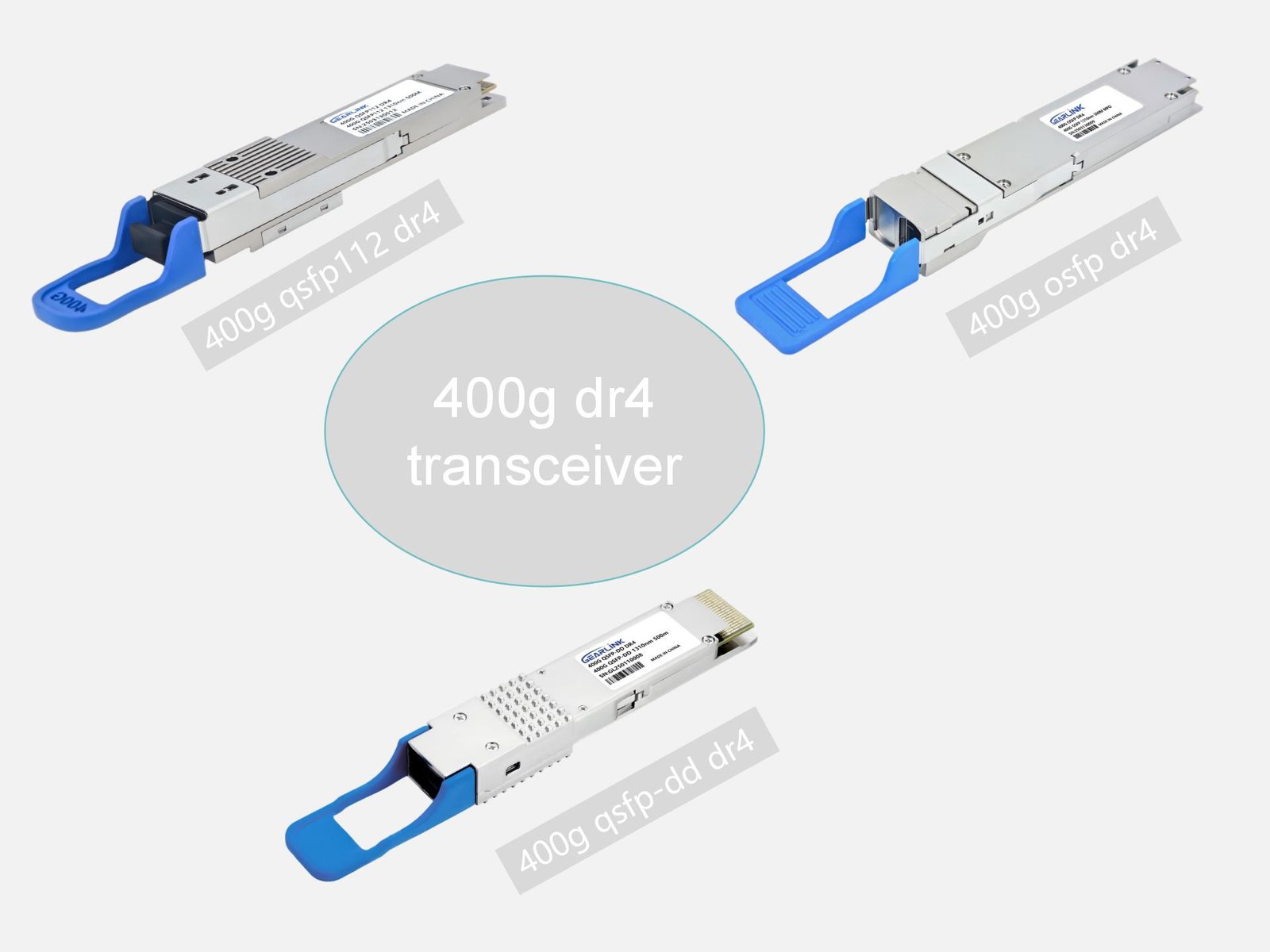
The DR4 is a versatile powerhouse for modern leaf-spine architectures. It supports up to 500 meters on Single-Mode Fiber (SMF). Crucially, it allows for breakout applications. You can split one 400G port into four 100G links. This is ideal for connecting new aggregation switches to existing 100G servers.
Thermal Management and Power Efficiency
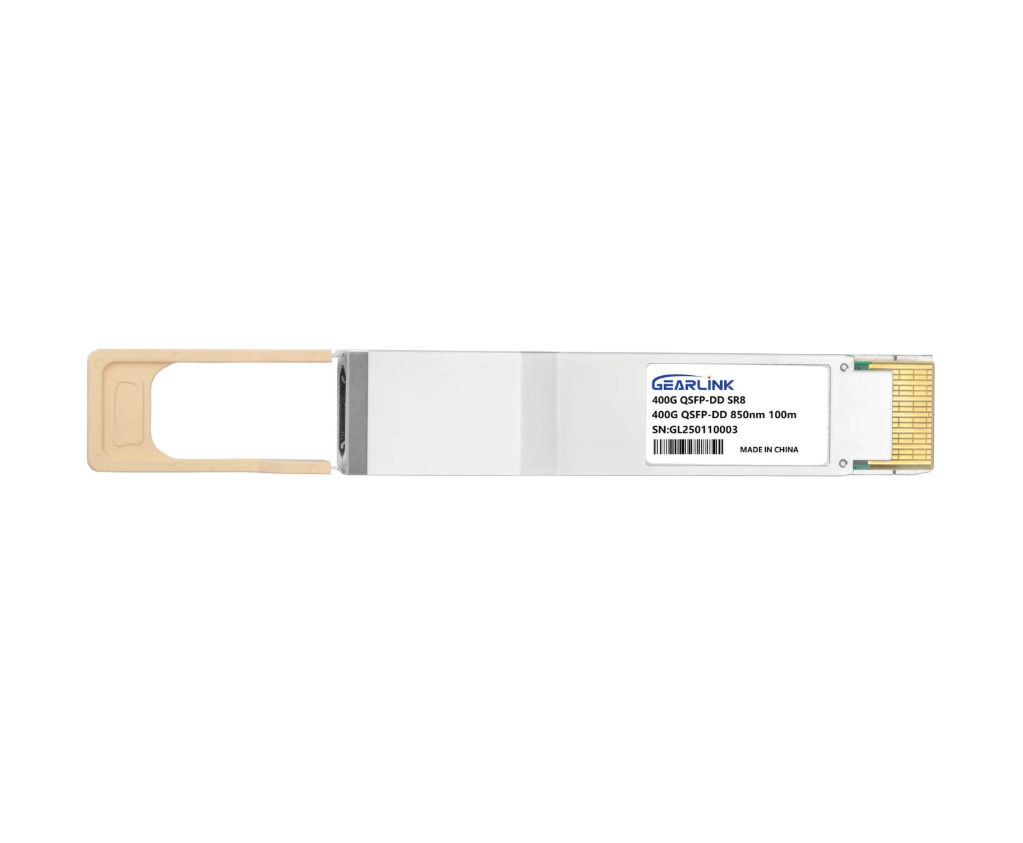
One of the biggest concerns for facility managers is heat. Moving data at 400Gb/s generates significant thermal energy. A standard 400g qsfp-dd module consumes between 10W and 14W of power.
This is significantly higher than the 3.5W typical of 100G modules. When sourcing 400g qsfp dd wholesale , you must verify the thermal design of the transceiver. Look for modules that feature internal heat spreaders or optimized component layouts.
If a module runs too hot, it can trigger switch fans to run at maximum speed. This increases overall data center energy costs. It can also lead to premature component failure. Always ask suppliers for power consumption data under full load before bulk ordering.
Evaluating Factors for Wholesale Procurement
When purchasing for enterprise or commercial use, consistency is key. A single faulty module can disrupt a critical link. Therefore, vetting the supply chain is as important as checking the specs.
MSA Compliance
Ensure the transceivers adhere strictly to the QSFP-DD Multi-Source Agreement (MSA). This guarantees that the mechanical fit and electrical pinout match any standard switch. Proprietary coding can sometimes block third-party optics, but MSA compliance is the baseline for hardware compatibility.
Firmware Coding
Switches from major brands (like Cisco, Arista, or Juniper) require specific identification data. The transceiver must be coded correctly to be recognized by the host device. When discussing orders with vendors, confirm their ability to flash the correct firmware for your specific equipment.
How to Verify Supplier Reliability
Finding a reliable partner for optical components reduces long-term operational risks. As you move toward the purchasing phase, you need a clear set of criteria to judge potential suppliers.
First, look for detailed data sheets. A reputable supplier will provide explicit details on wavelength, power budget, and connector types. If the technical documentation is vague, consider it a red flag.
Second, prioritize compatibility assurance. You need to know if the modules have been tested on the specific switches you manage. Third-party testing reports are excellent indicators of quality.
Finally, consider the range of options available. A supplier that offers a comprehensive portfolio—from SR8 to ZR—demonstrates deep industry expertise. For those ready to explore specific product specifications and compatibility options, you can view the catalog at OpticTran. This will allow you to compare different interface types against your current network topology.
Summary
Selecting the right 400g qsfp-dd transceiver involves balancing distance needs, fiber infrastructure, and thermal constraints. Whether you require DR4 for breakouts or FR4 for longer spans, technical validation is essential. Prioritize MSA compliance and proper firmware coding when seeking 400g qsfp dd wholesale sources to ensure a stable, high-performance network upgrade.
FAQ
Q1: Is QSFP-DD backwards compatible with QSFP28?
Yes, QSFP-DD ports are generally backwards compatible. You can plug a 100G QSFP28 or 40G QSFP+ module into a QSFP-DD port, and it will function at the lower speed.
Q2: What is the difference between OSFP and QSFP-DD?
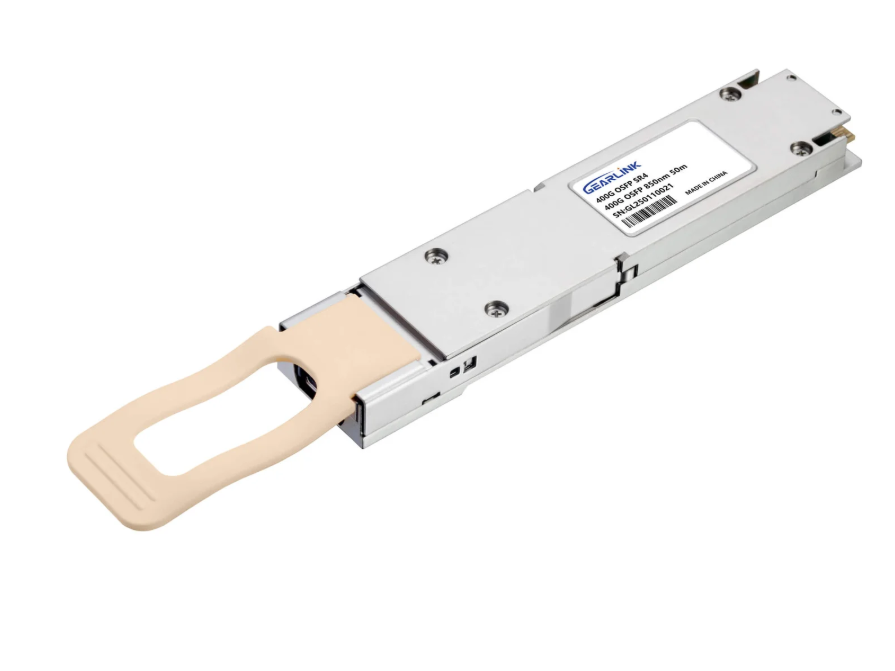
OSFP is physically larger and offers slightly better thermal management, but it is not backwards compatible with QSFP28. QSFP-DD is smaller and allows for backward compatibility, making it more popular for data centers.
Q3: Can I use a breakout cable with a 400G QSFP-DD transceiver?
Yes, specifically with the DR4 module type. You can use an MPO-12 breakout cable to split one 400G port into four separate 100G DR connections.
Q4: What is the maximum distance for a 400G QSFP-DD ZR module?
The 400G ZR and ZR+ modules are designed for Data Center Interconnect (DCI) and can reach distances from 80km up to 120km or more, depending on amplification.
Q5: Why is PAM4 modulation important for 400G?
PAM4 (Pulse Amplitude Modulation 4-level) allows twice as much data to be transmitted per cycle compared to NRZ. This efficiency is required to achieve 400G speeds without unmanageable frequency increases.
Reference Sources
QSFP-DD MSA Group. “QSFP-DD Hardware Specification.” QSFP-DD MSA.
IEEE 802.3 Ethernet Working Group. “IEEE 802.3bs 200 Gb/s and 400 Gb/s Ethernet.” IEEE Standards Association.
Optical Internetworking Forum (OIF). “400ZR Implementation Agreement.” OIF.