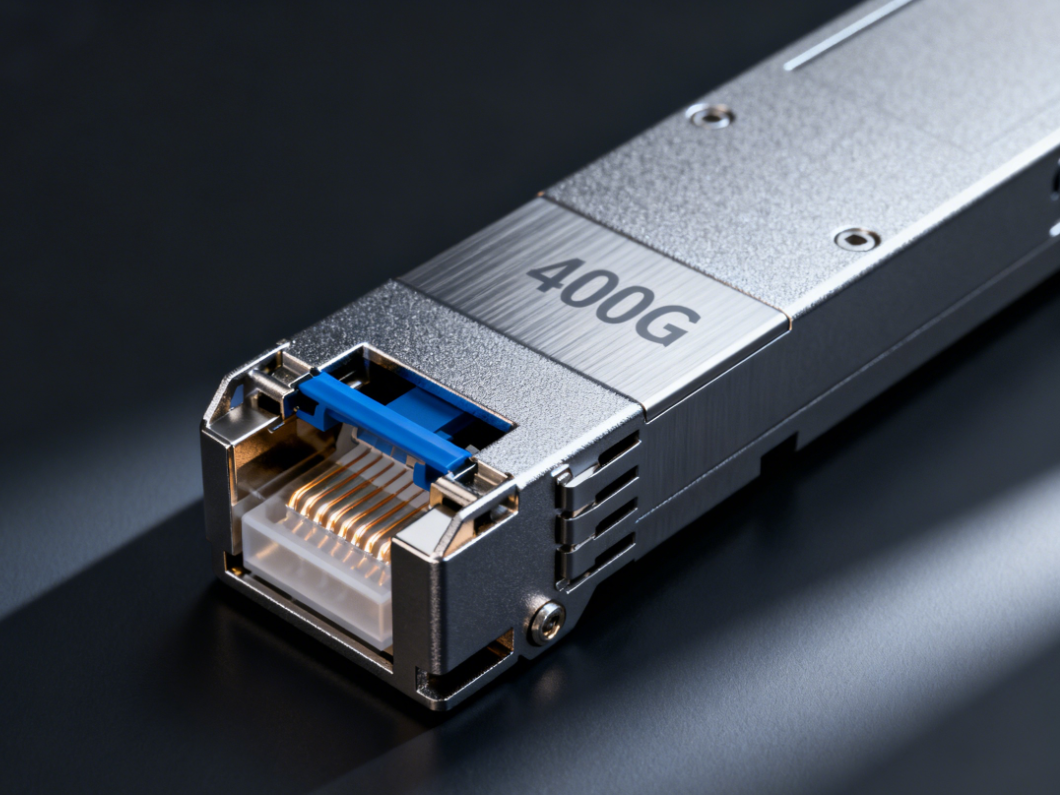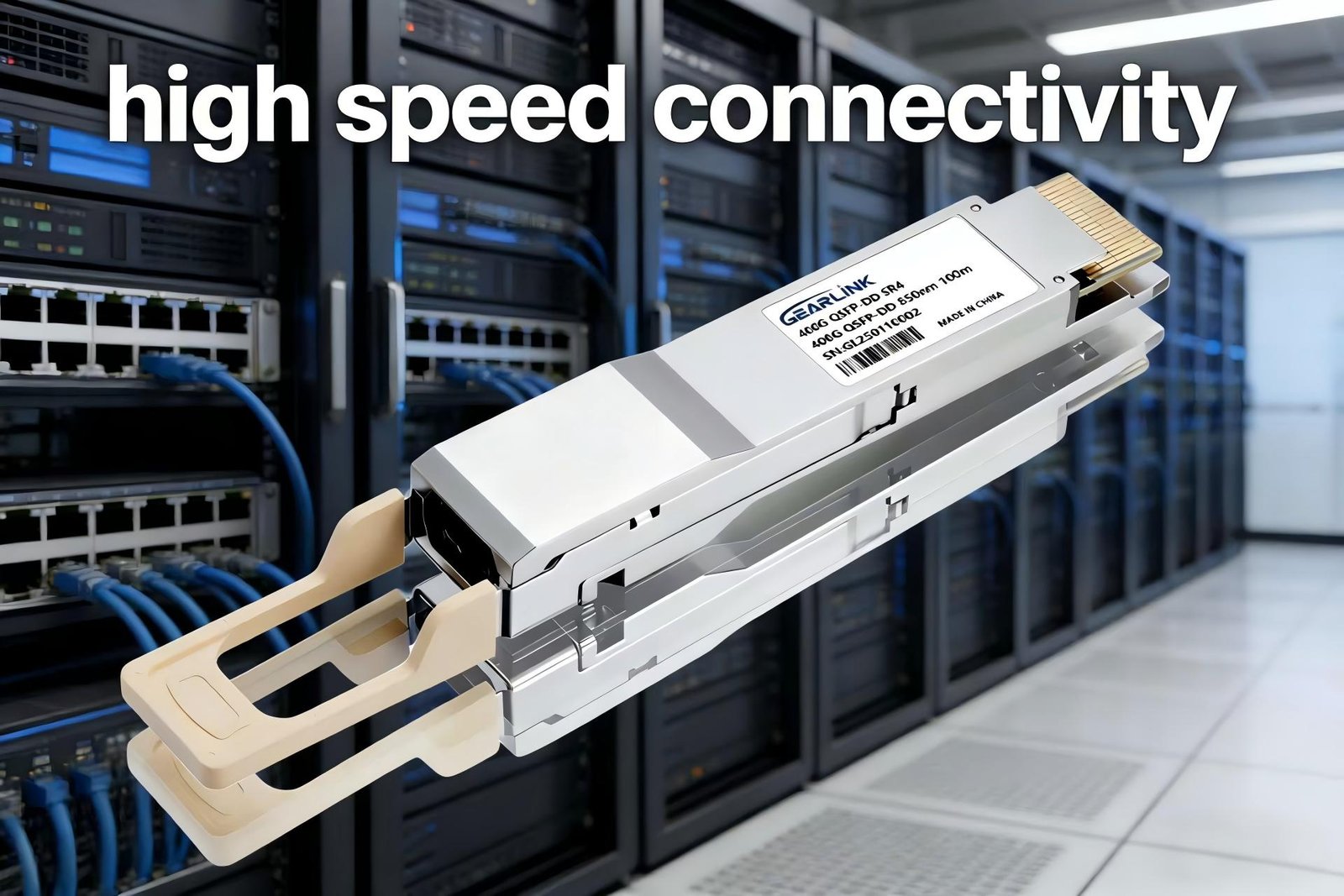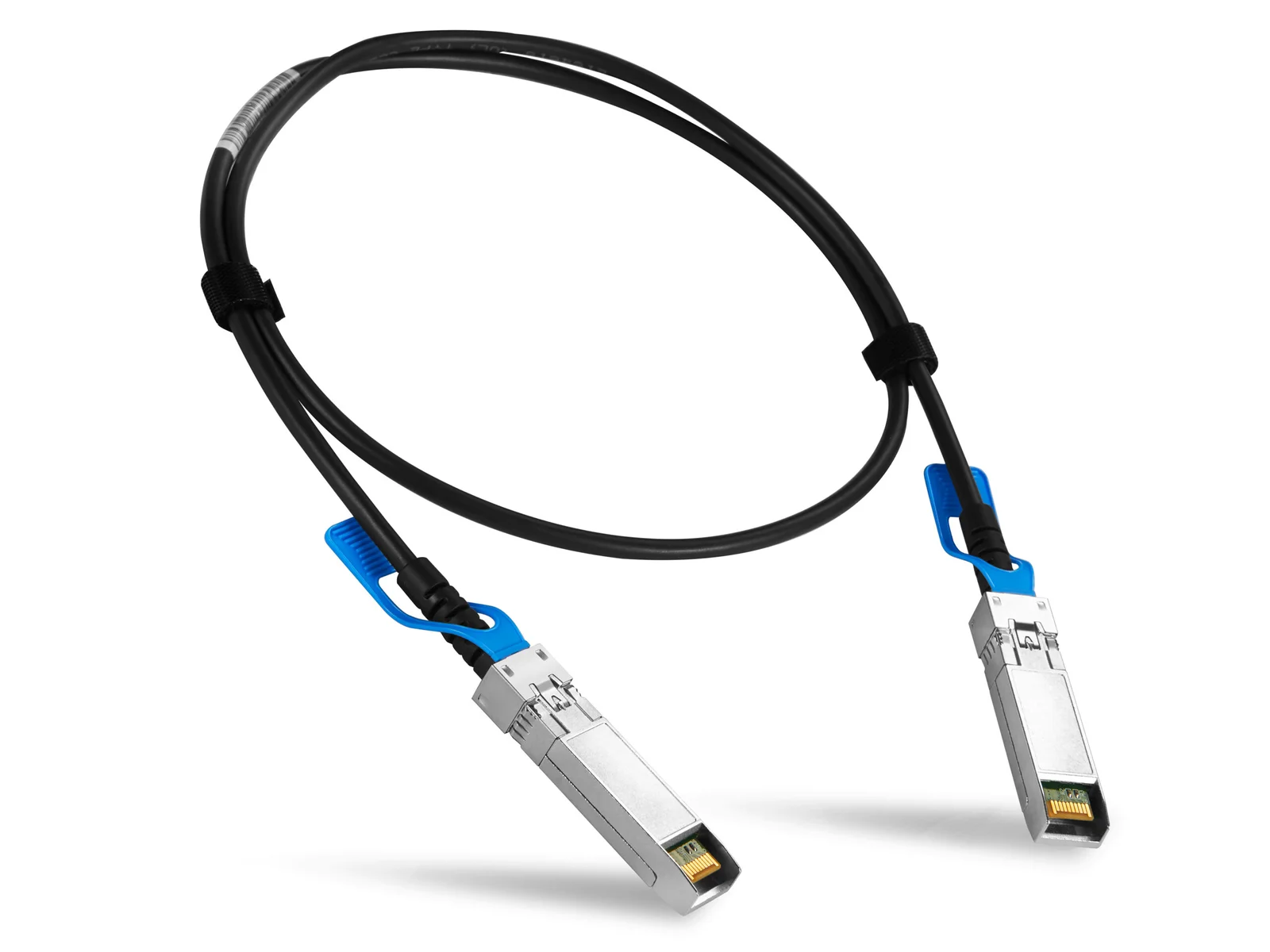
Scaling data center bandwidth is a high-stakes operational challenge. You need to migrate to 100G speeds without compromising network uptime or blowing your budget. The 100g qsfp28 optical transceiver has become the industry standard for this transition due to its high density. However, navigating the variations in reach, connector types, and manufacturer quality is difficult. I will help you analyze the technical specifications to ensure you select the correct hardware for your infrastructure.
Understanding the Architecture of QSFP28 Technology
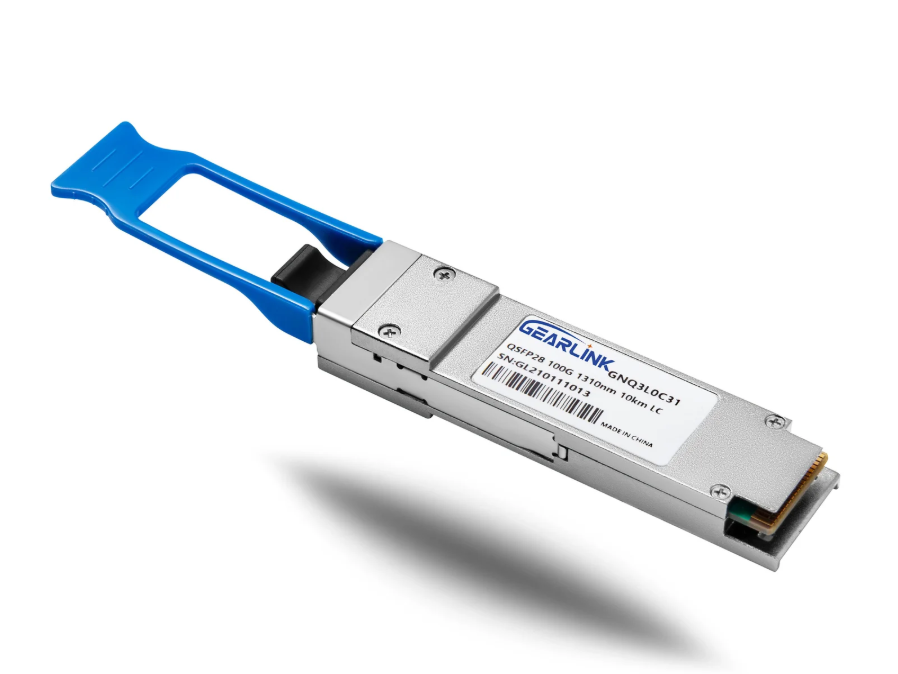
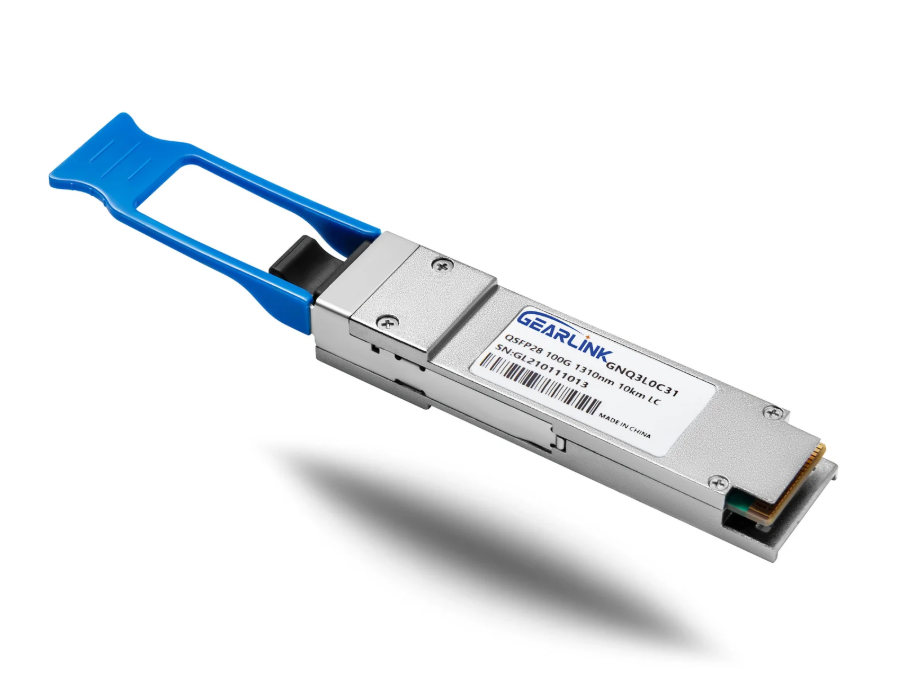
To make an informed purchase, you must understand how this form factor operates. The QSFP28 (Quad Small Form-factor Pluggable 28) differs significantly from older 100G standards like CFP. It utilizes four distinct transmitting and receiving channels. Each lane operates at data rates up to 28 Gbps.
This 4x25G architecture is what makes the QSFP28 so efficient. It allows for high port density on your switches compared to larger modules. When evaluating these modules, you will typically encounter SR4, LR4, and CWDM4 standards.
Your choice depends entirely on your fiber plant and distance requirements. For example, the LR4 standard uses Wavelength Division Multiplexing (LAN WDM). It multiplexes four wavelengths onto a single Single-Mode Fiber (SMF) pair. This capability is essential for long-haul connections up to 10 kilometers.
Selecting a Reliable 100G QSFP28 Transceiver Supplier
The market is flooded with third-party compatible modules. Finding a trustworthy 100g qsfp28 transceiver supplier is often more critical than the hardware spec itself. The manufacturing process determines the longevity of the optical laser.
A reliable supplier enforces strict quality control on the TOSA and ROSA components. These are the transmitter and receiver sub-assemblies that handle the optical signal. If these components are subpar, you will experience packet loss or early link failure.
You should look for suppliers who perform temperature cycling tests. Industrial environments fluctuate, and your transceivers must withstand heat inside a rack. Ask potential partners about their specific burn-in testing procedures. This data validates that the module can handle continuous operation under load.
The Role of China in the 100G Supply Chain
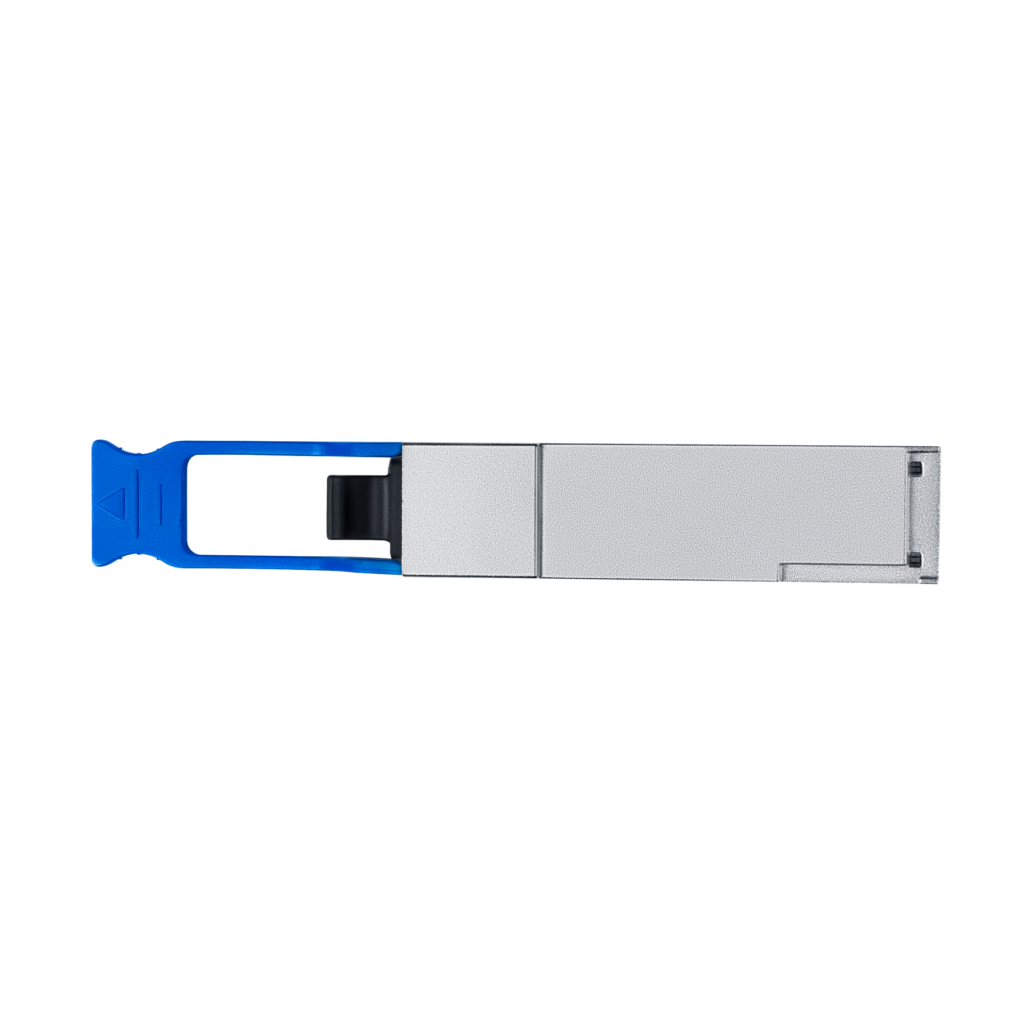
It is an open industry secret that the majority of optical components originate in Asia. Sourcing a China 100g qsfp28 transceiver is a standard strategic move for cost efficiency. The distinction lies in the engineering oversight provided by the manufacturer.
Top-tier Chinese manufacturers adhere strictly to the Multi-Source Agreement (MSA). This agreement ensures that the physical form factor and electrical interface are universal. A module from China that is MSA-compliant will physically fit any standard QSFP28 port.
However, compliance goes beyond physical dimensions. The EEPROM coding must be programmed correctly to communicate with your specific switch brand. Whether you use Cisco, Juniper, or Arista, the transceiver must identify itself as a valid component. Always verify that your supplier has specific coding capabilities for your hardware environment.
Critical Parameters for Performance Validation
You cannot rely on a datasheet alone when finalizing a B2B procurement. I recommend validating specific performance metrics before deploying modules into a live network.
First, check the Receiver Sensitivity. This metric defines the weakest optical signal the module can error-free detect. For an LR4 module, this should typically be better than -10.6 dBm.
Second, monitor Power Consumption. One of the main advantages of QSFP28 is energy efficiency. A high-quality 100g qsfp28 optical transceiver generally consumes less than 3.5 Watts. Modules that run hot draw more power and tax your cooling systems. High power draw is often a sign of inefficient design or inferior internal components.
Criteria for Selecting High-Performance LR4 Modules
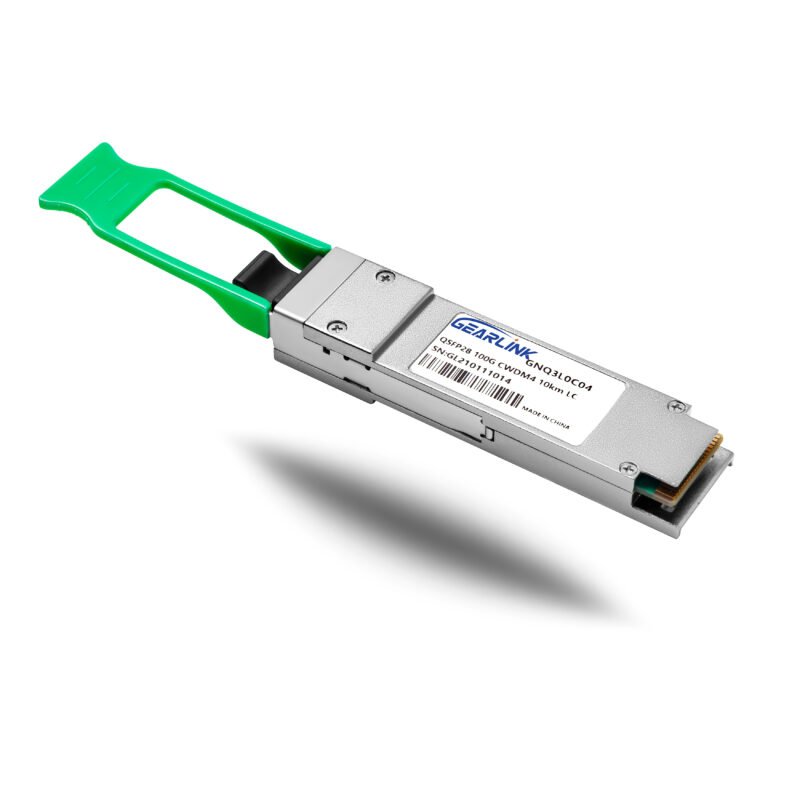
100GBASE-CWDM4 QSFP28 1310nm 2km DOM Duplex LC/UPC SMF Optical Transceiver Module
NT$99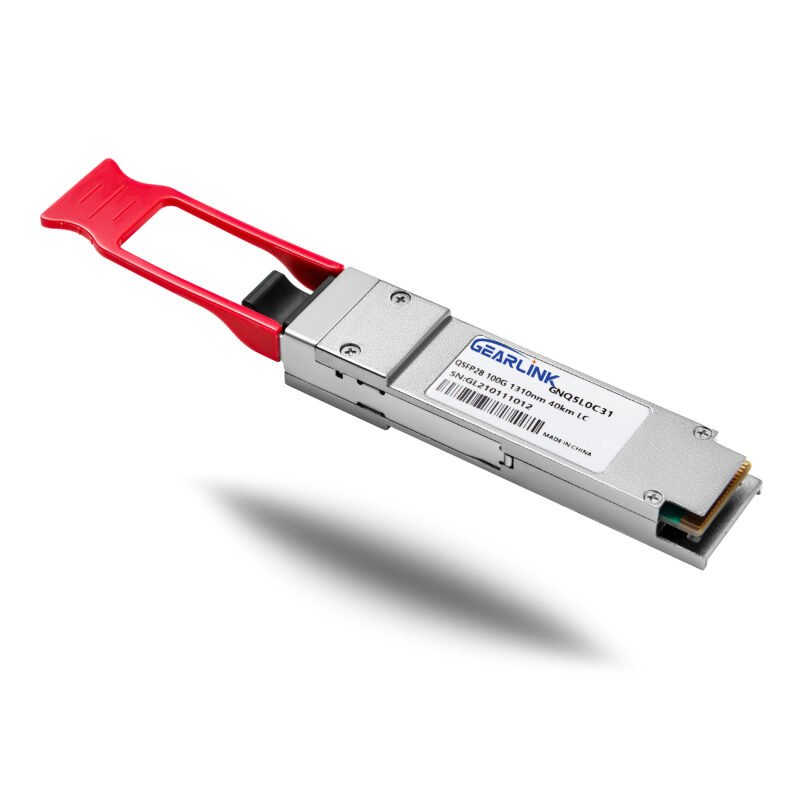
100GBASE-ER4 QSFP28 1310nm 40km DOM Duplex LC/UPC SMF Optical Transceiver Module
NT$800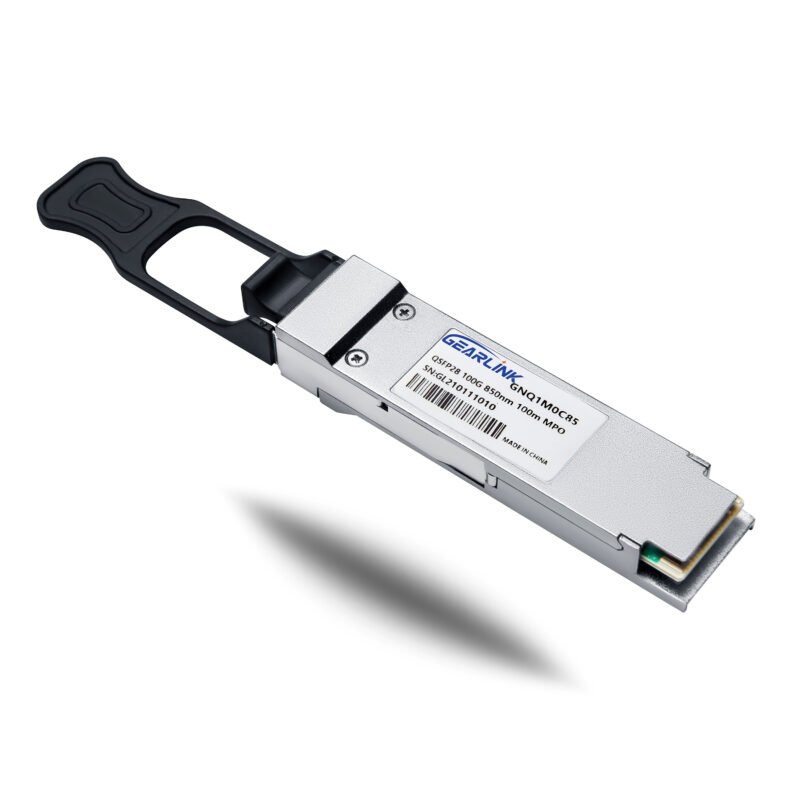
100GBASE-SR4 QSFP28 850nm 100m DOM MPO-12 MMF Optical Transceiver Module
NT$38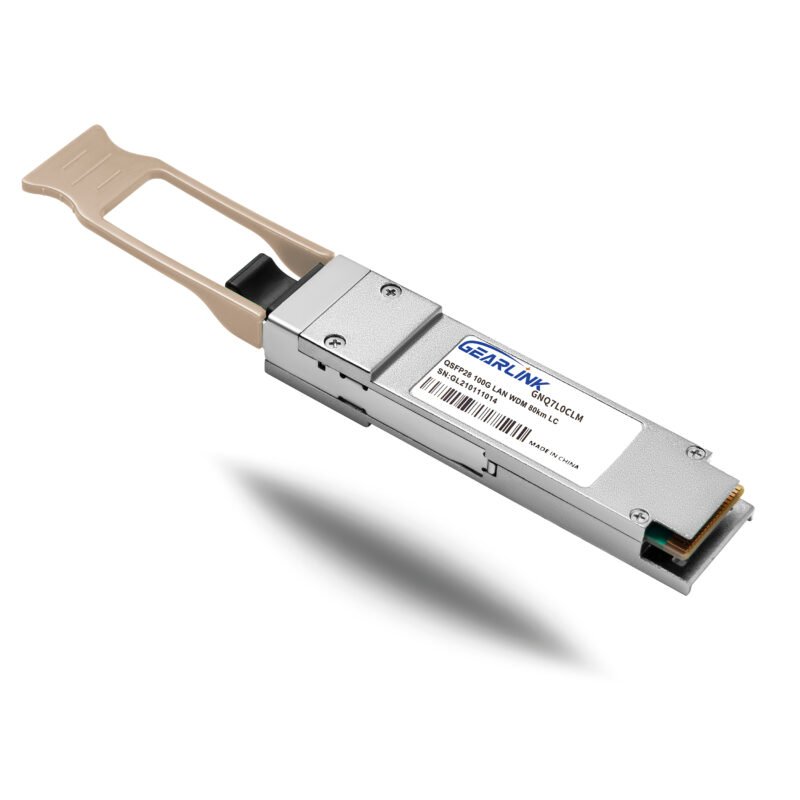
100GBASE-ZR4 QSFP28 1310nm 80km DOM Duplex LC/UPC SMF Optical Transceiver Module
NT$1,500
When you are ready to select a specific module, you need a checklist to finalize your decision. This is particularly important for long-range applications using the LR4 standard. You must ensure the device offers robust interference rejection and stable wavelength transmission.
Key selection factors include:
- Wavelength Stability: Does the module maintain LAN WDM spacing effectively?
- Thermal Management: Can the module operate under 3.5W to prevent switch overheating?
- Warranty and Support: Does the supplier offer direct technical support for coding issues?
Focusing on these technical criteria minimizes the risk of network jitter. If you are currently evaluating long-range options, the Optictran 100G QSFP28 LR4 is engineered to meet these rigorous stability requirements. It provides a balanced solution for enterprises requiring consistent 10km reach over single-mode fiber.
Summary
Choosing the right 100g qsfp28 optical transceiver requires balancing technical specifications with supplier reliability. You must prioritize MSA compliance, proper EEPROM coding, and rigorous thermal testing. By focusing on these verifiable metrics, you ensure a stable, high-performance network upgrade.
FAQ
Q: What is the maximum distance a 100G QSFP28 LR4 transceiver can reach?
A: An LR4 transceiver is designed to reach up to 10 kilometers (approximately 6.2 miles) using single-mode fiber (SMF).
Q: Can I plug a QSFP28 transceiver into a QSFP+ port?
A: No, while they share a similar physical form factor, a QSFP28 module is not backward compatible with a 40G QSFP+ port due to different electrical interfaces.
Q: Why is power consumption important for 100G transceivers?
A: Lower power consumption (typically <3.5W) reduces heat generation, lowers cooling costs, and increases the lifespan of both the module and the host switch.
Q: Are third-party transceivers compatible with major switch brands like Cisco or Huawei?
A: Yes, as long as the supplier follows MSA standards and programs the EEPROM coding correctly for the specific switch manufacturer.
Reference Sources
- QSFP-DD MSA Group
- IEEE 802.3 Ethernet Working Group
- InfiniBand Trade Association (IBTA)