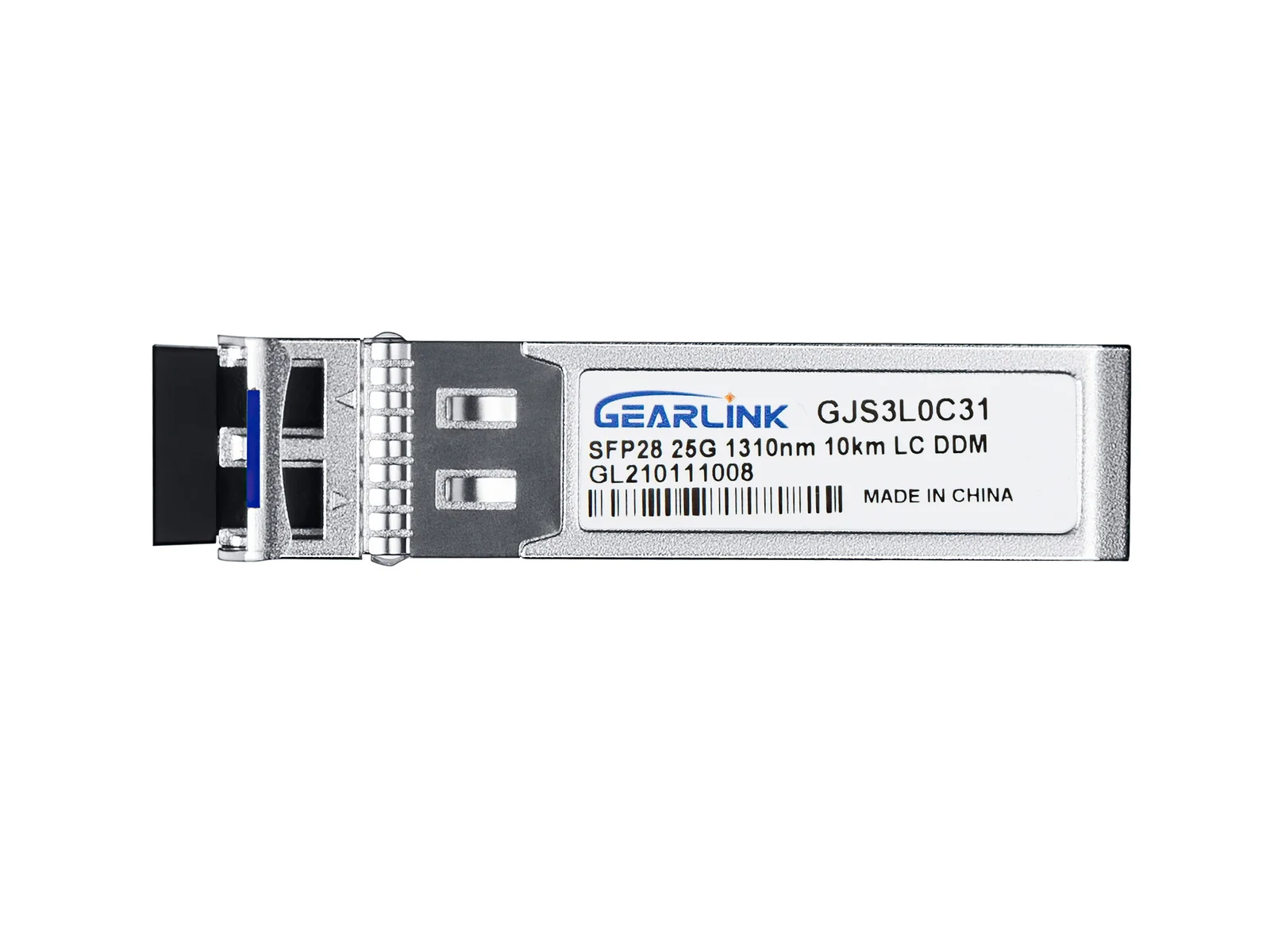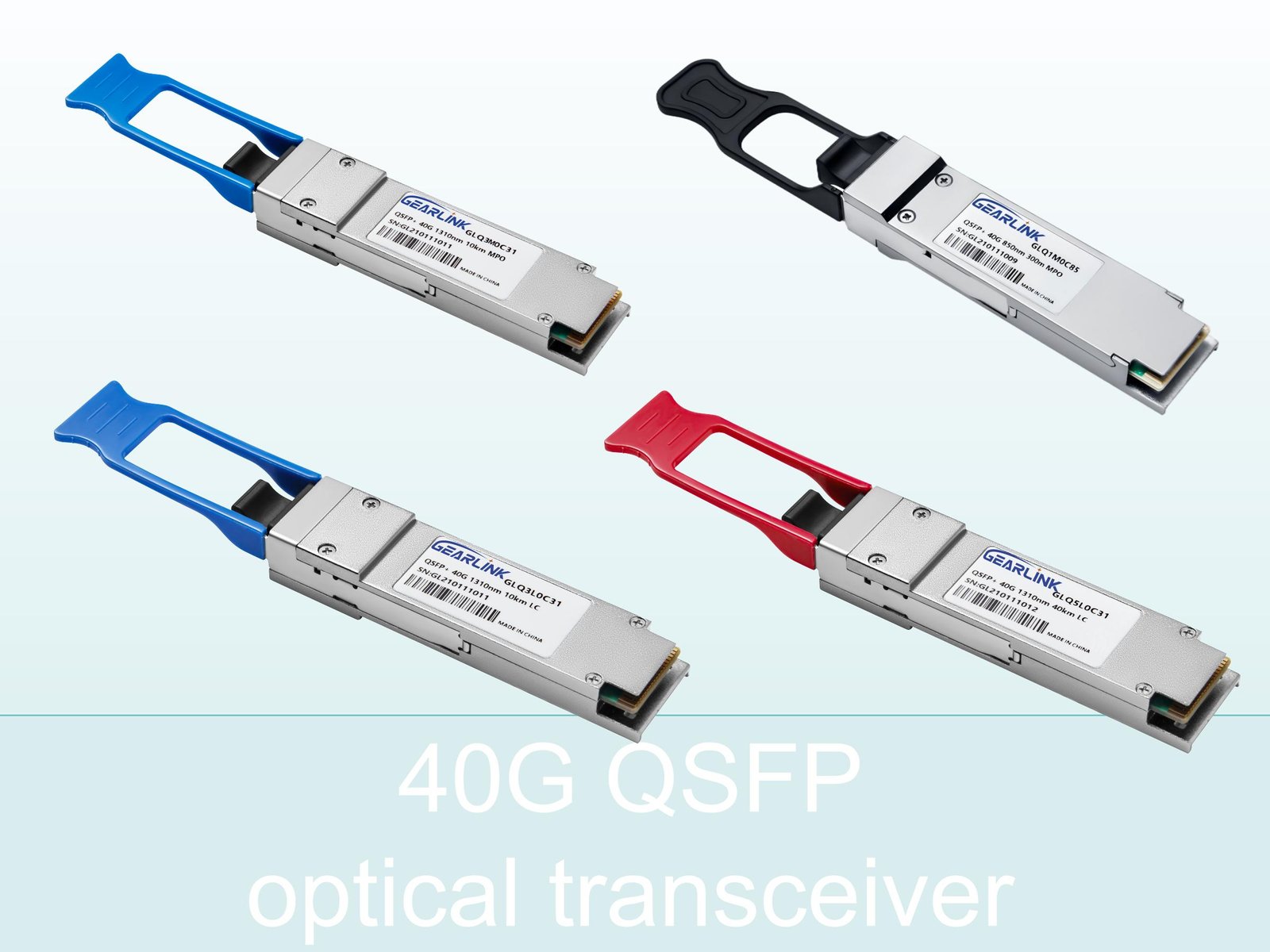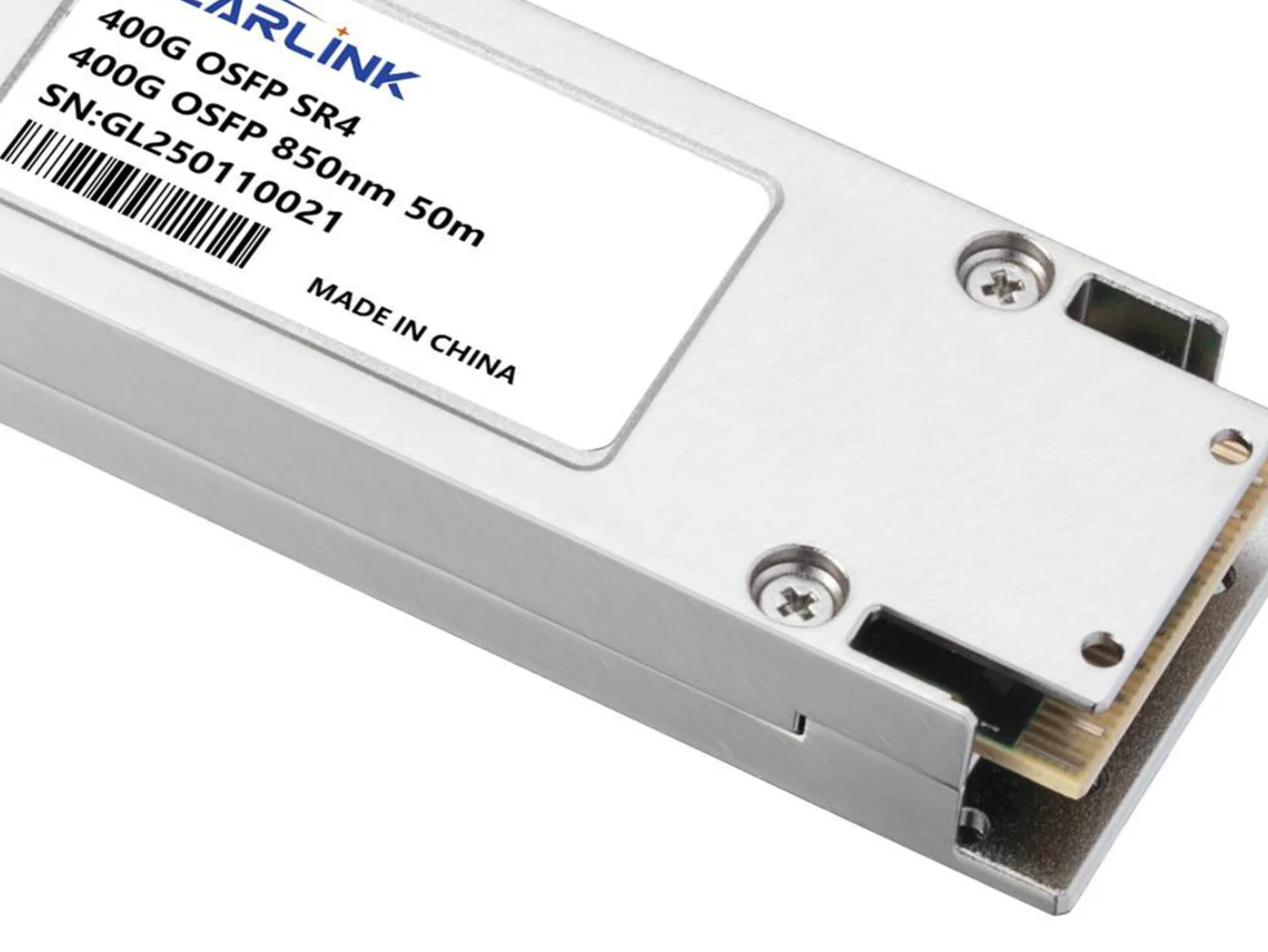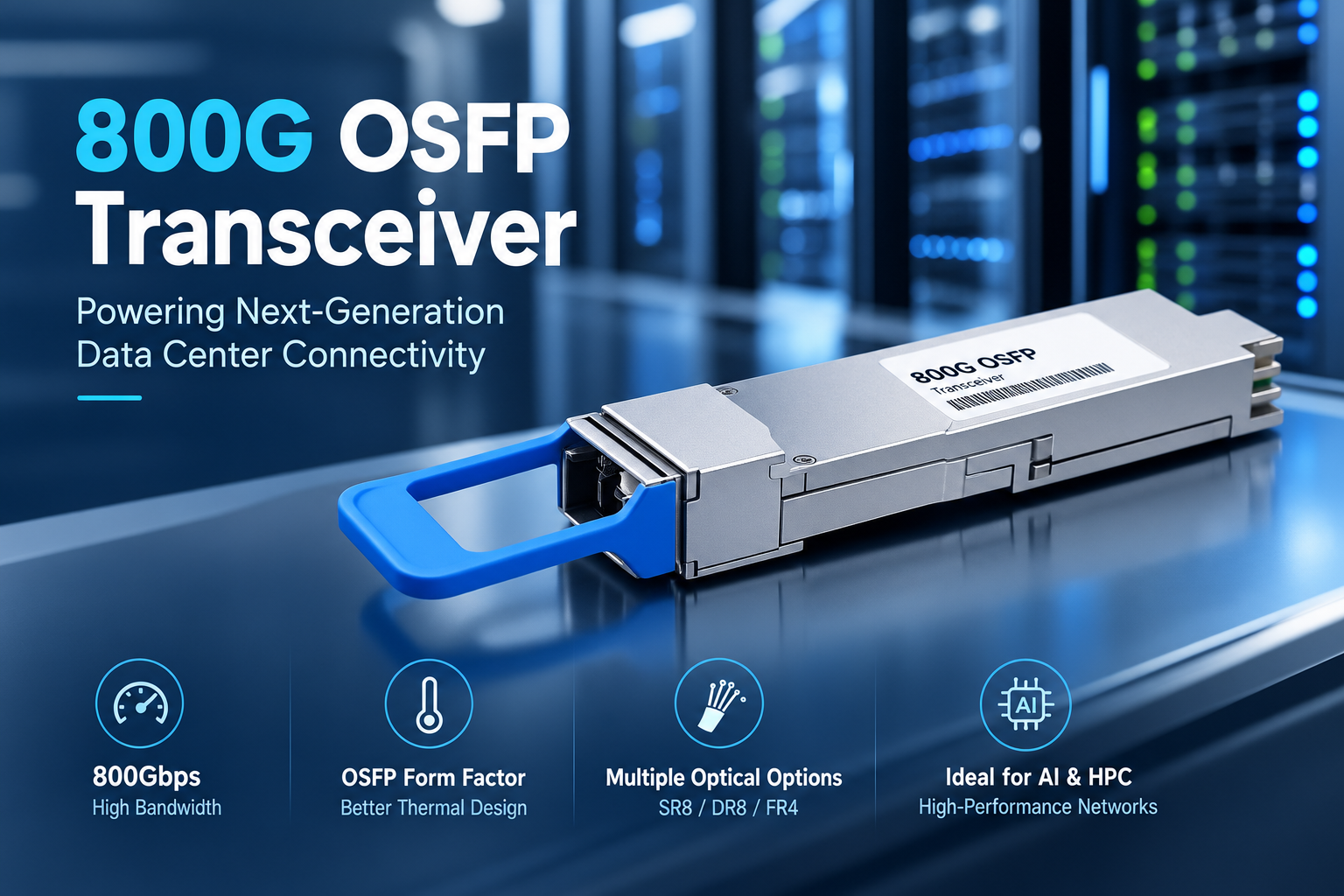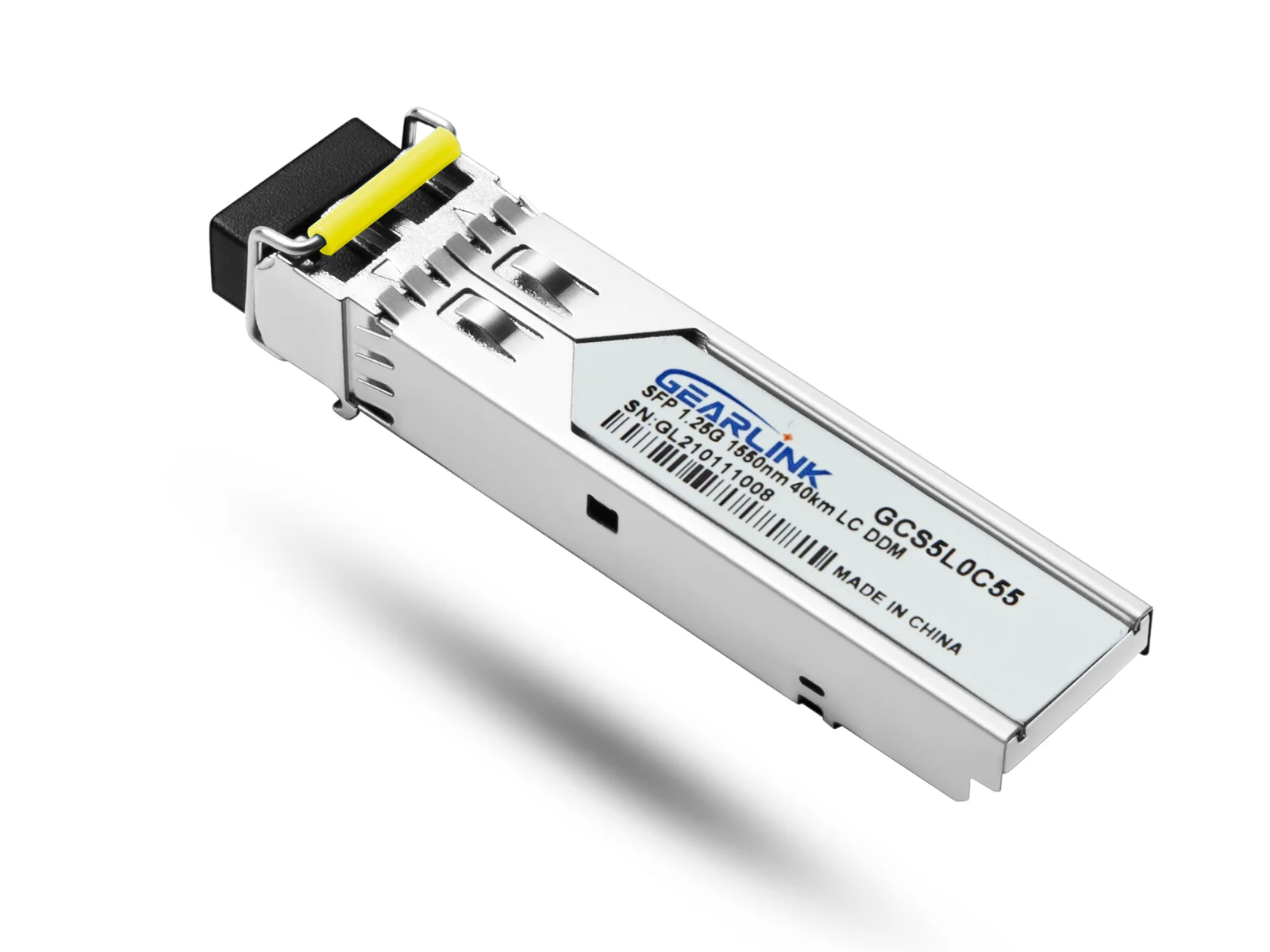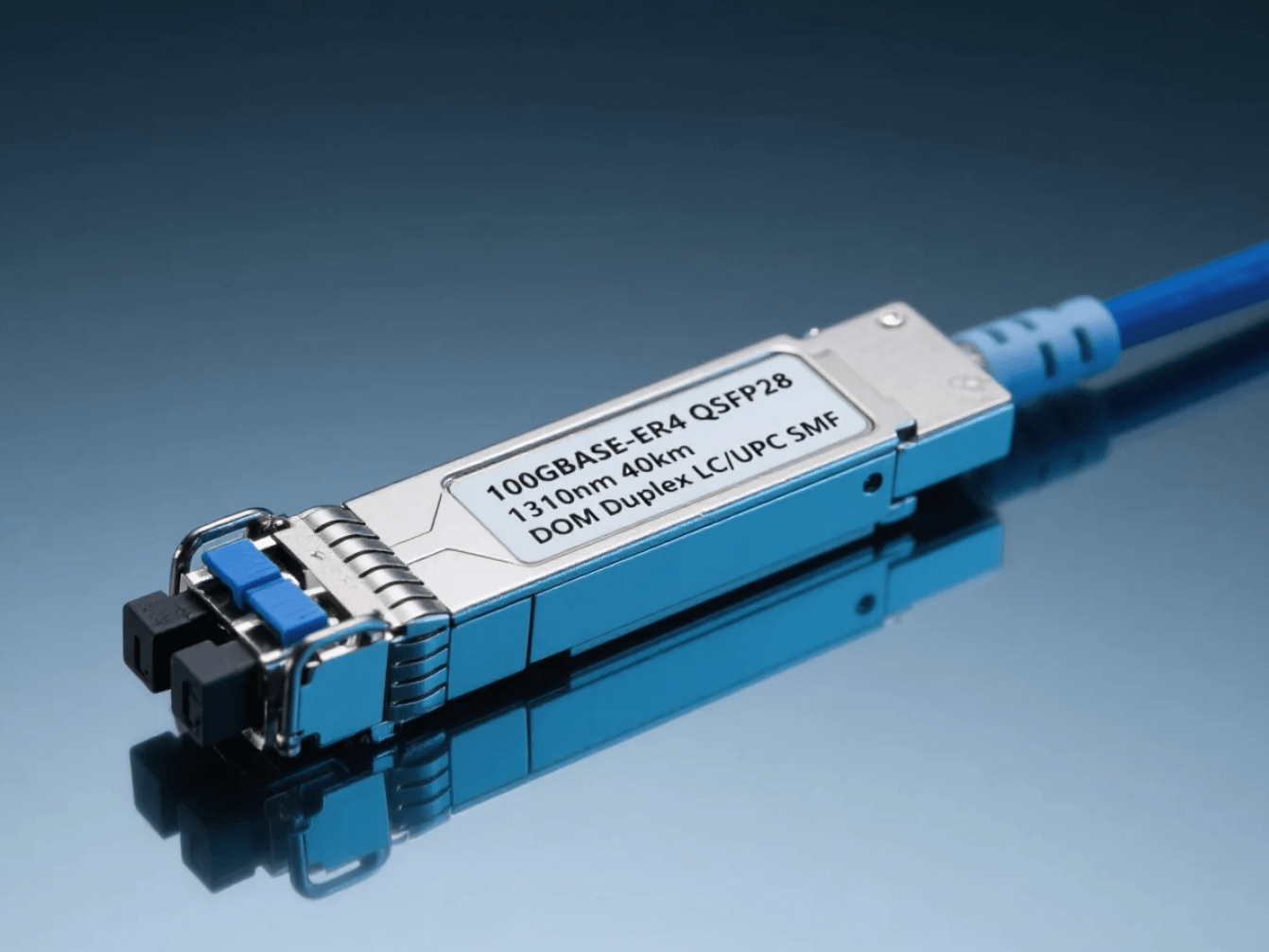
As data centers migrate from 40G to 100G architectures, selecting the correct hardware becomes critical. I have seen many procurement managers struggle with the specific nuances of the qsfp28 optical transceiver. This form factor is currently the industry workhorse for high-speed Ethernet connectivity. It offers high port density and low power consumption. However, choosing the wrong interface type can lead to incompatible links or wasted budget.This guide provides a technical breakdown to help you evaluate your options. We will focus on standards, transmission distances, and compatibility.
Understanding the 100G QSFP28 Optical Transceiver Module
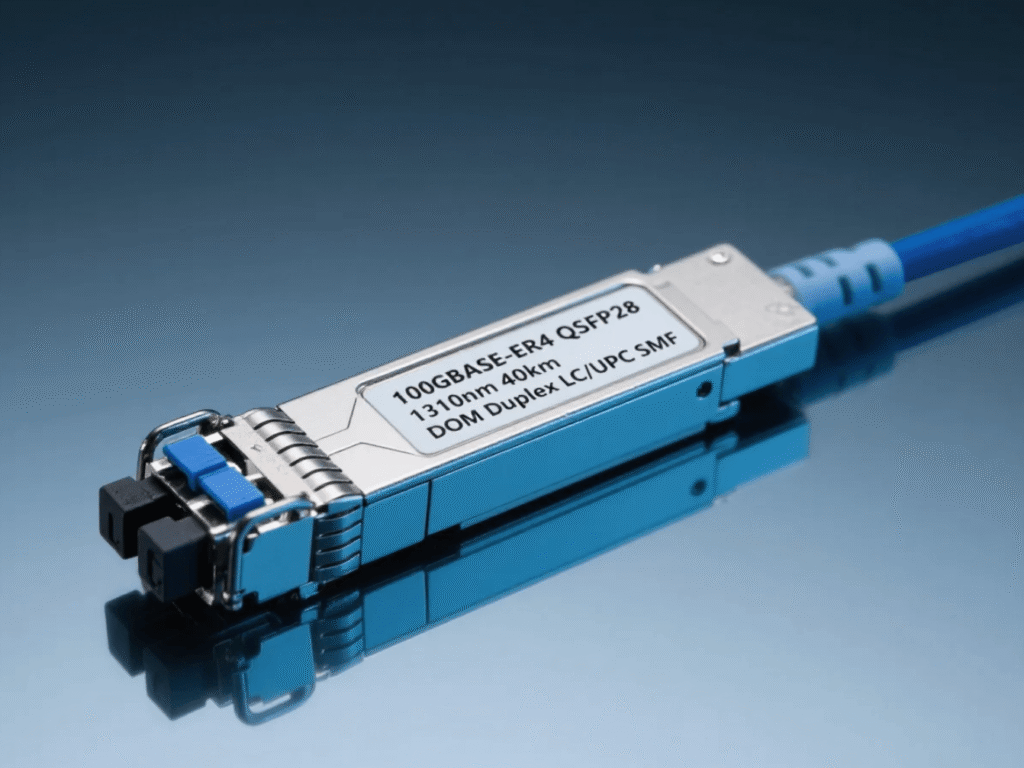
The term QSFP28 stands for Quad Small Form-factor Pluggable 28. It is designed to carry 100 Gigabit Ethernet. The “28” indicates that each of the four electrical lanes supports data rates up to 28 Gbps.
This design aligns with the IEEE 802.3 standard for 100G transmissions. Unlike older CFP modules, the 100g qsfp28 optical transceiver module is much smaller. This compact size allows network architects to maximize switch port density.
It follows the Multi-Source Agreement (MSA) SFF-8665 standard. This ensures that a transceiver from one vendor fits physically and electrically into a switch from another. For B2B buyers, verifying MSA compliance is the first step in quality assurance.
Comparing SR4, LR4, and CWDM4 Interfaces
Not all 100G transceivers function the same way. You must match the transceiver type to your existing fiber plant and distance requirements.
QSFP28 SR4 for Short Distances
The SR4 (Short Reach) is the most common module for connections inside a rack or between adjacent racks. It uses Multi-Mode Fiber (MMF), typically OM3 or OM4. The interface is usually an MPO/MTP connector. It supports distances up to 100 meters on OM4. This is generally the most cost-effective 100g qsfp28 optical transceiver for internal data center cabling.
QSFP28 LR4 for Long Distances
The LR4 (Long Reach) is designed for connectivity between buildings or across large campuses. It operates over Single-Mode Fiber (SMF) using LC duplex connectors. It uses Wavelength Division Multiplexing (WDM) to send four wavelengths over one fiber pair. It can reach up to 10 kilometers.
QSFP28 CWDM4 for Mid-Range Efficiency
The CWDM4 fills the gap between SR4 and LR4. It is often used when the 100-meter limit of SR4 is too short, but the LR4 is too expensive. It supports up to 2 kilometers on single-mode fiber. This makes it a favorite for large hyperscale data centers.
Power Consumption and Thermal Management
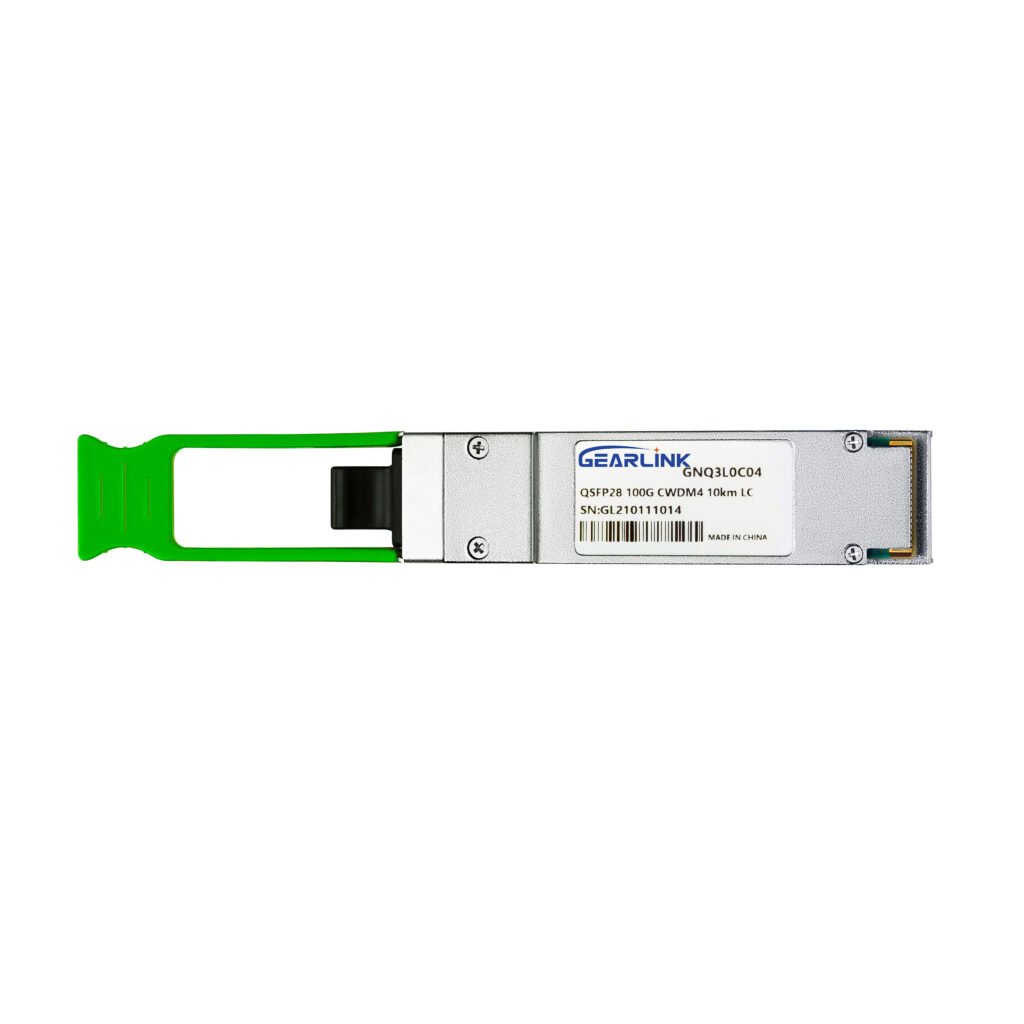
In a B2B environment, operational expenditure (OpEx) is just as important as capital expenditure. The qsfp28 optical transceiver is favored because of its energy efficiency.
Most QSFP28 modules consume less than 3.5 Watts of power. This is significantly lower than older 100G form factors like CFP or CFP2. Lower power consumption directly translates to less heat generation.
When you populate a switch with 32 or 48 ports, this heat reduction is vital. It reduces the strain on the data center’s cooling infrastructure. I always advise engineers to check the maximum power dissipation spec sheet before bulk ordering.
Ensuring Switch and Network Compatibility
A major concern during commercial investigation is vendor lock-in. Original Equipment Manufacturers (OEMs) often code their switches to accept only specific modules.
However, third-party transceivers are a viable solution if they are coded correctly. The 100g qsfp28 optical transceiver module must contain the specific EEPROM coding required by your switch brand. This allows the switch to recognize the module and activate the port.
You should also verify the Forward Error Correction (FEC) settings. Some 100G links require FEC to be enabled on the host switch to function error-free. Mismatched FEC settings are a common cause of link failure.
Key Criteria for Verifying Transceiver Reliability
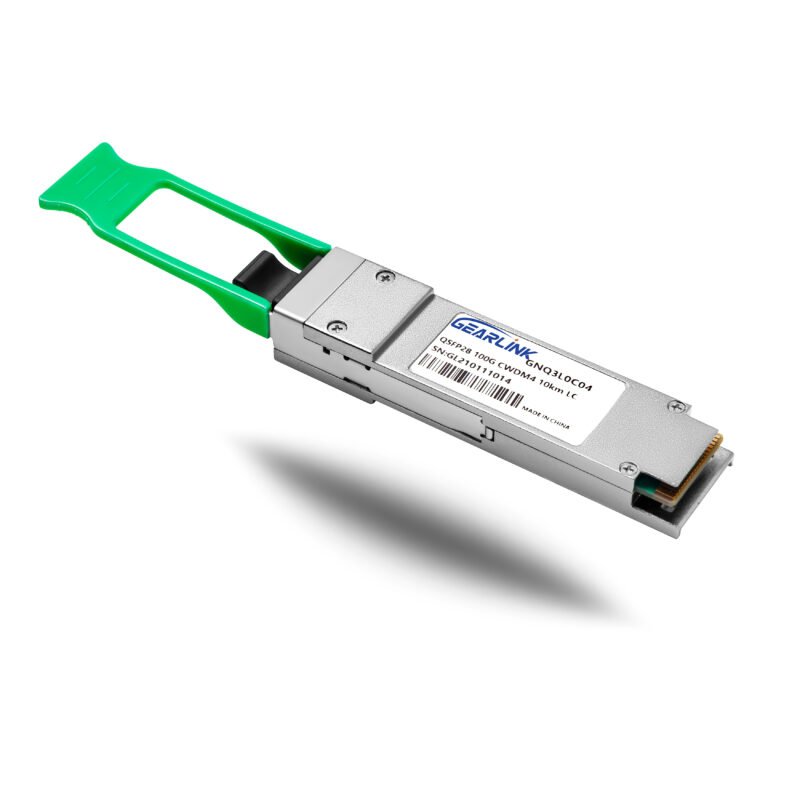
100GBASE-CWDM4 QSFP28 1310nm 2km DOM Duplex LC/UPC SMF Optical Transceiver Module
NT$99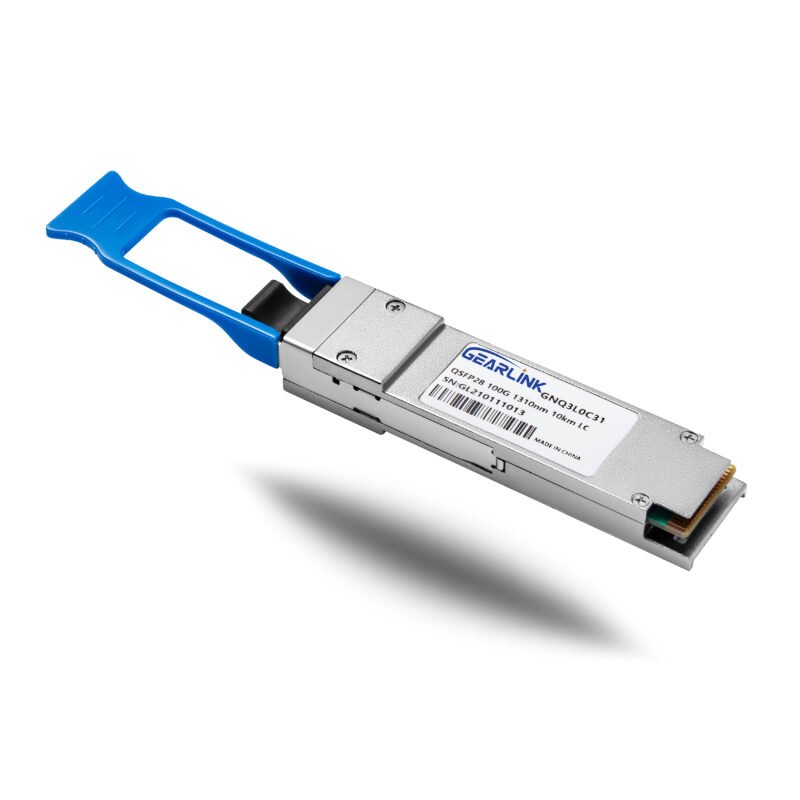
100GBASE-LR4 QSFP28 1310nm 10km DOM Duplex LC/UPC SMF Optical Transceiver Module
NT$179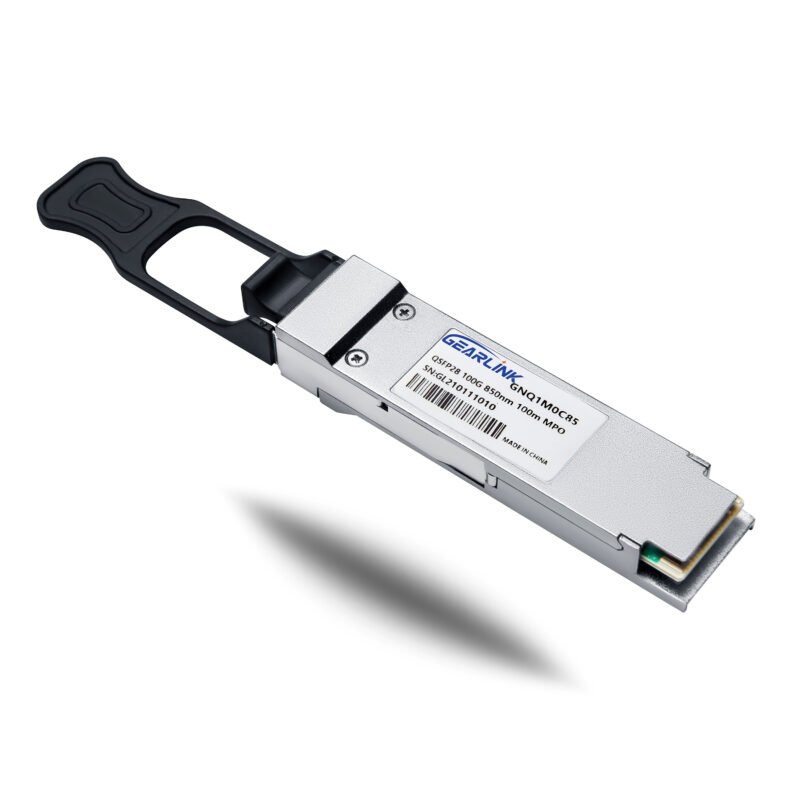
100GBASE-SR4 QSFP28 850nm 100m DOM MPO-12 MMF Optical Transceiver Module
NT$38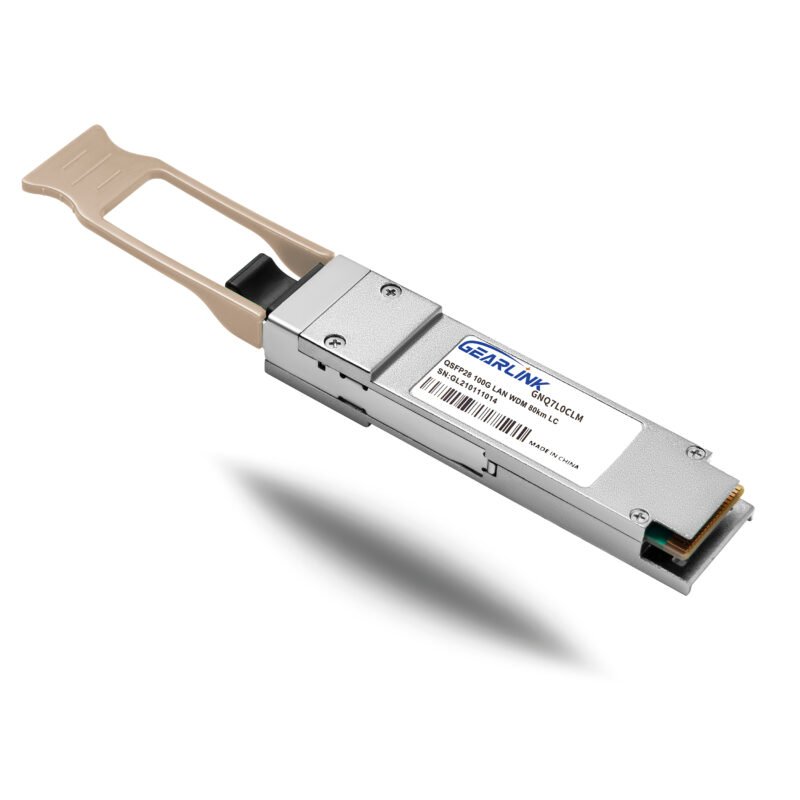
100GBASE-ZR4 QSFP28 1310nm 80km DOM Duplex LC/UPC SMF Optical Transceiver Module
NT$1,500
Before finalizing a purchase order, you need a strict checklist to ensure network uptime. Price is important, but reliability prevents costly downtime.
I recommend focusing on three validation points:
- MSA Compliance: Ensure the module adheres to SFF strict mechanical standards.
- Testing Protocols: Look for suppliers who test modules in real switches, not just generic testers.
- Warranty and Support: A robust warranty indicates manufacturer confidence in the component’s longevity.
For those currently sourcing components, you can view technical specifications and compatibility details on our 100gb qsfp28 page. This resource helps you match the specific wavelength and distance parameters to your network architecture.
Summary
Selecting the right qsfp28 optical transceiver requires balancing distance, fiber type, and power constraints. Whether you need SR4 for short links or LR4 for campus backbones, MSA compliance is non-negotiable. By focusing on verifiable specs and correct coding, you ensure a stable, high-performance 100G network.
FAQ
Q:What is the maximum distance a 100G QSFP28 optical transceiver can reach?
Standard modules reach up to 10km (LR4) or 40km (ER4), while specialized ZR4 modules can reach up to 80km over single-mode fiber.
Q:Can I use a QSFP28 transceiver in a QSFP+ port?
No, a QSFP28 module is designed for 100G speeds and will not function in a 40G QSFP+ port, though the physical form factor is similar.
Q:Does the QSFP28 form factor support breakout cables?
Yes, a 100g qsfp28 optical transceiver (specifically SR4) can be split into four 25G lanes to connect to four SFP28 modules.
Q:Why is power consumption important for QSFP28 modules?
Keeping power under 3.5W prevents switch overheating and reduces the overall energy costs of running high-density data centers.
Reference Sources
SNIA SFF Committee (SFF-8665 Specification for QSFP28)
https://www.snia.org
The Fiber Optic Association (Guide to Fiber Optics & Premises Cabling)
https://www.thefoa.org