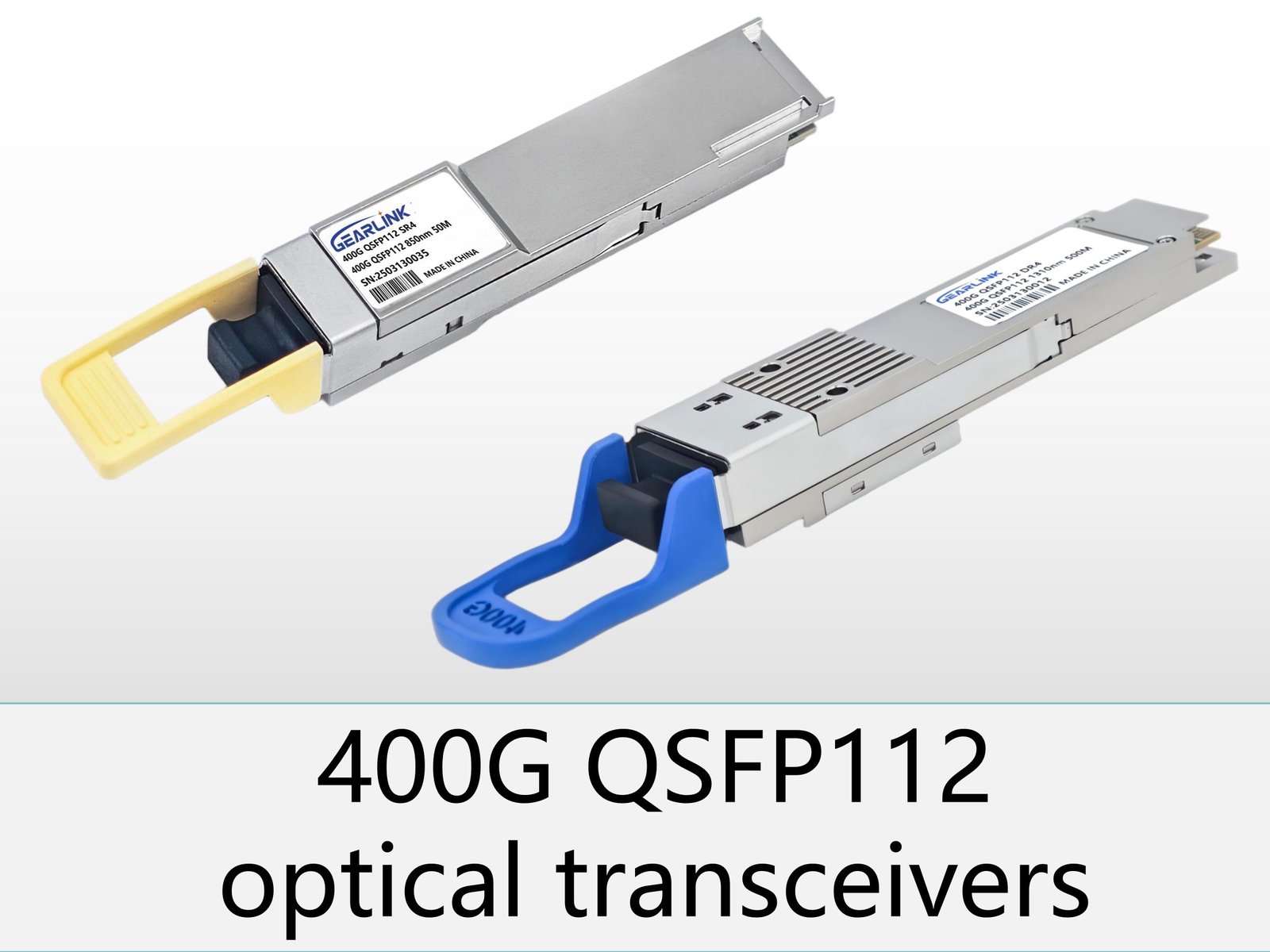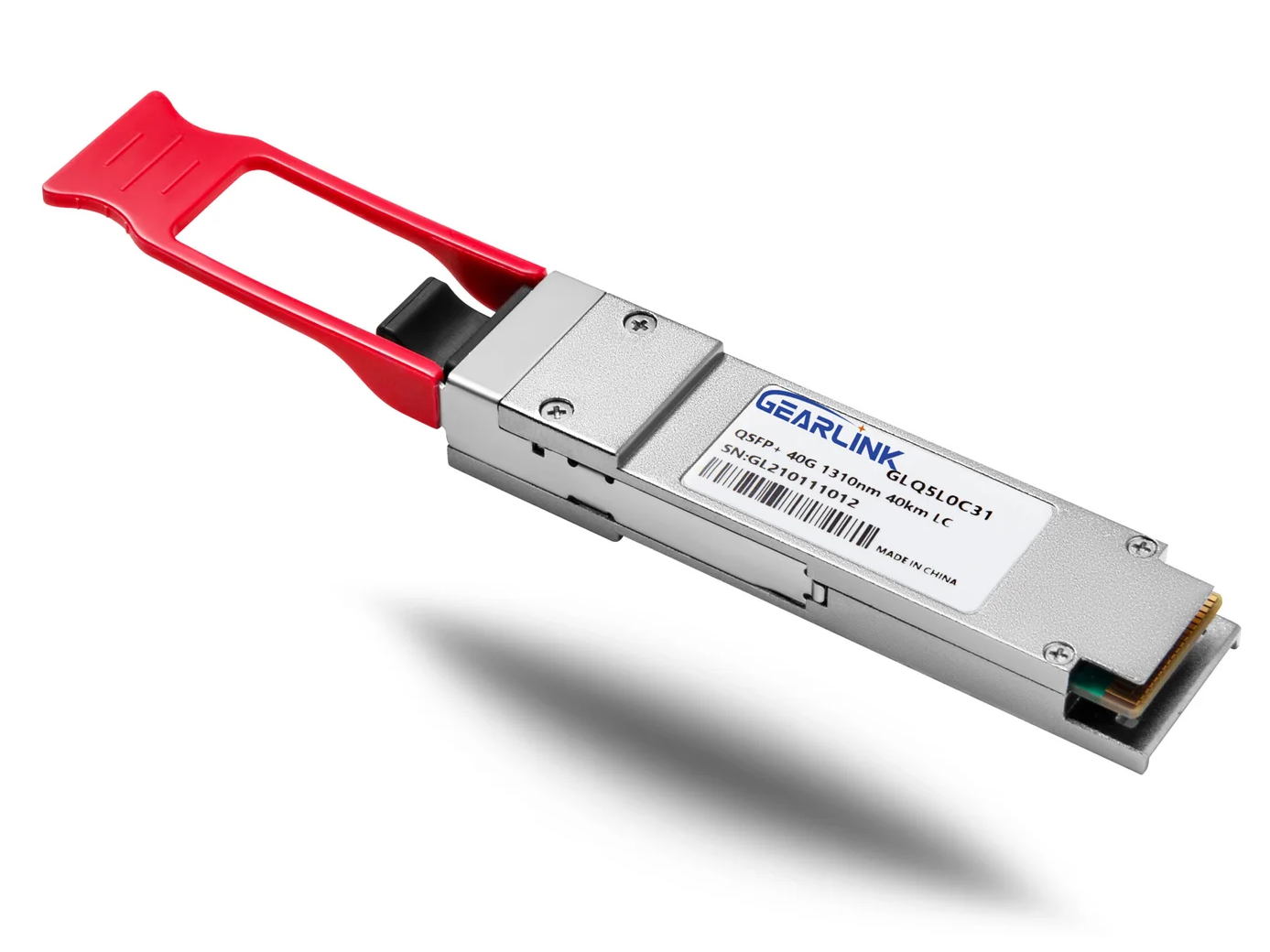
Upgrading your network infrastructure to support higher bandwidths is a critical capital investment. Sourcing a 40g optical transceiver requires navigating complex specifications to ensure system uptime. You likely face concerns regarding compatibility with existing switches and long-term module reliability.
This guide helps you evaluate technical standards and testing protocols for 40G modules. I will analyze the specific benchmarks that define a high-quality 40g fiber optic transceiver.
Understanding the 40G Fiber Optic Transceiver Standards
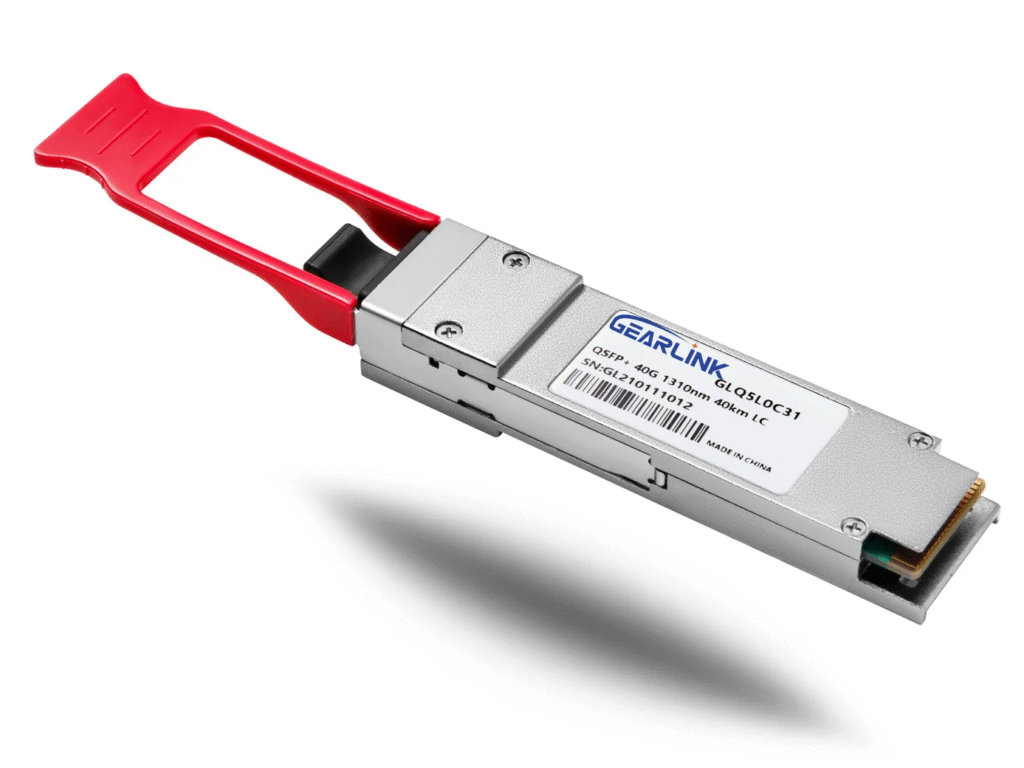
To ensure your network equipment communicates effectively, you must prioritize adherence to industry standards. The foundation of 40 Gigabit Ethernet lies in the IEEE 802.3ba standard. This standard defines the physical layer specifications for 40 Gb/s operation across various media.
Compliance with the Multi-Source Agreement (MSA) is equally important. Specifically, the QSFP+ (Quad Small Form-factor Pluggable) MSA dictates the mechanical and electrical interface. A 40g fiber optic transceiver that strictly follows SFF-8436 ensures physical fit and electrical interoperability.
Ignoring these standards often leads to “unrecognized module” errors in branded switches. You should verify that any potential supplier guarantees MSA compliance in their datasheets. This is the first step in risk mitigation for B2B procurement.
Why Production Testing 40G Optical Transceivers Matters
Specifications on a datasheet are theoretical until proven by physical verification. Production testing 40g optical transceivers is the only way to filter out early-life failures. High-quality manufacturing involves a series of rigorous stress tests before shipment.
One critical test is the “Eye Diagram” analysis. This visualizes the quality of the transmitter’s signal. A clean eye diagram with wide openings indicates low jitter and high signal integrity.
Temperature cycling is another non-negotiable test protocol. Modules must operate flawlessly within commercial (0°C to 70°C) or industrial temperature ranges. A reliable 40g optical transceiver exporter will perform these tests on every unit, not just a sample batch.
Key testing protocols you should look for include:
- Bit Error Rate Testing (BERT) to ensure data accuracy.
- Receiver sensitivity verification.
- Wavelength spectrum analysis.
Identifying a Competent 40G Optical Transceiver Exporter
The market is flooded with generic vendors, but not all understand enterprise requirements. A professional 40g optical transceiver exporter offers more than just hardware. They provide firmware coding expertise to ensure compatibility with major switch brands like Cisco, Arista, or Juniper.
Traceability is a hallmark of a professional B2B supplier. You should be able to trace a specific module back to its testing report. This level of accountability is essential for network audits and troubleshooting.
Furthermore, supply chain stability defines a competent partner. You need an exporter who maintains consistent component stock to minimize lead times during your network expansion.
Selecting the Right 40G Modules for Your Architecture
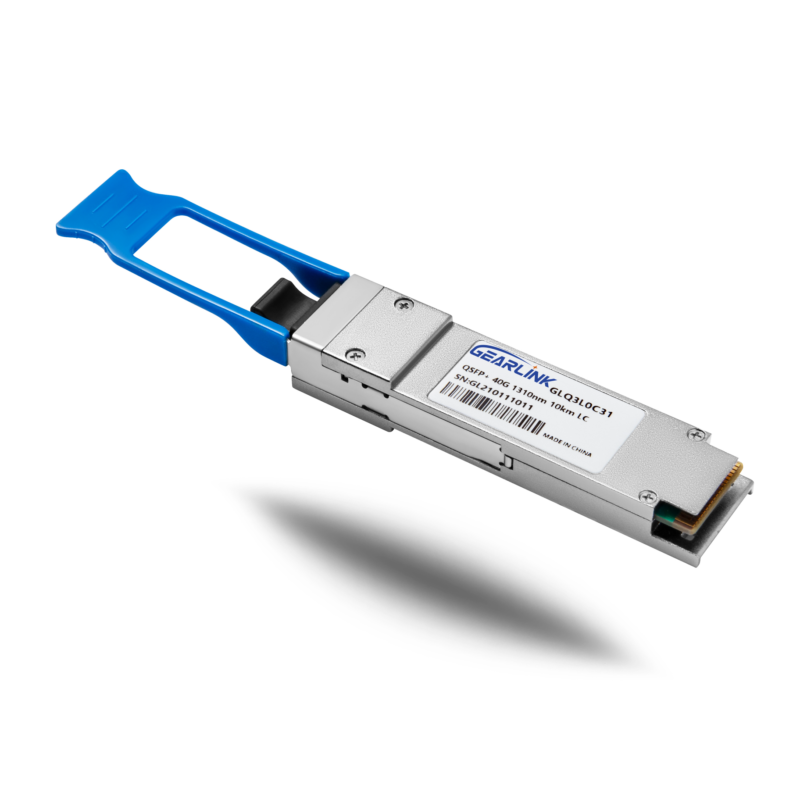
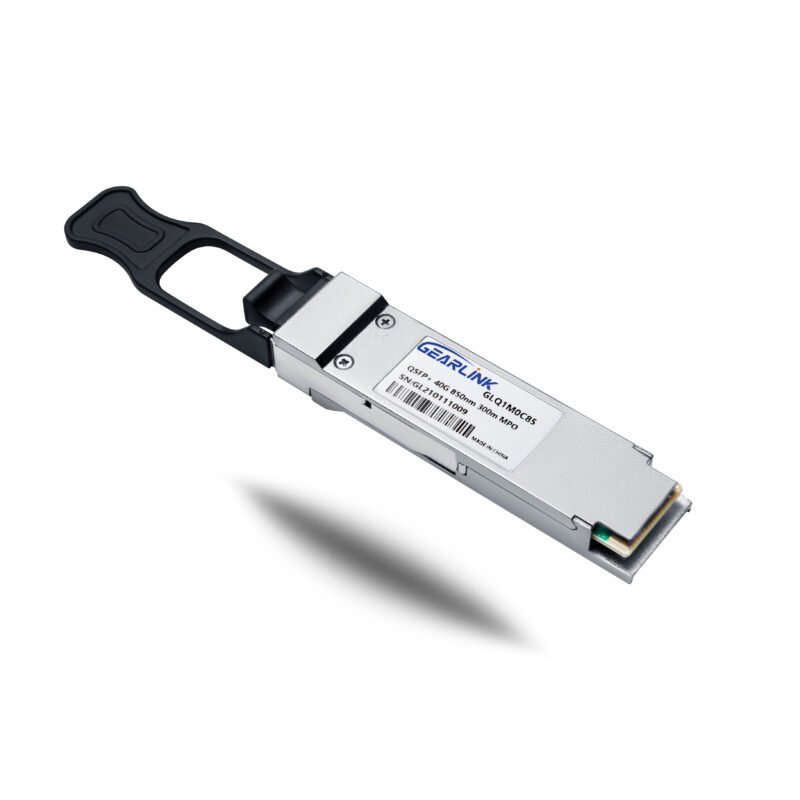
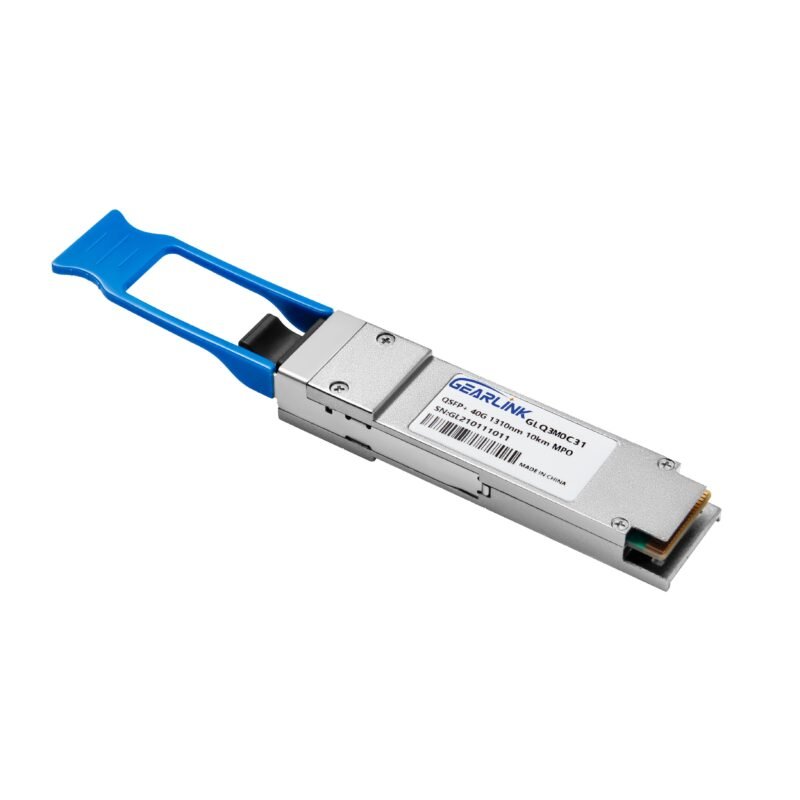
Choosing the correct specific model depends entirely on your fiber plant and distance requirements.
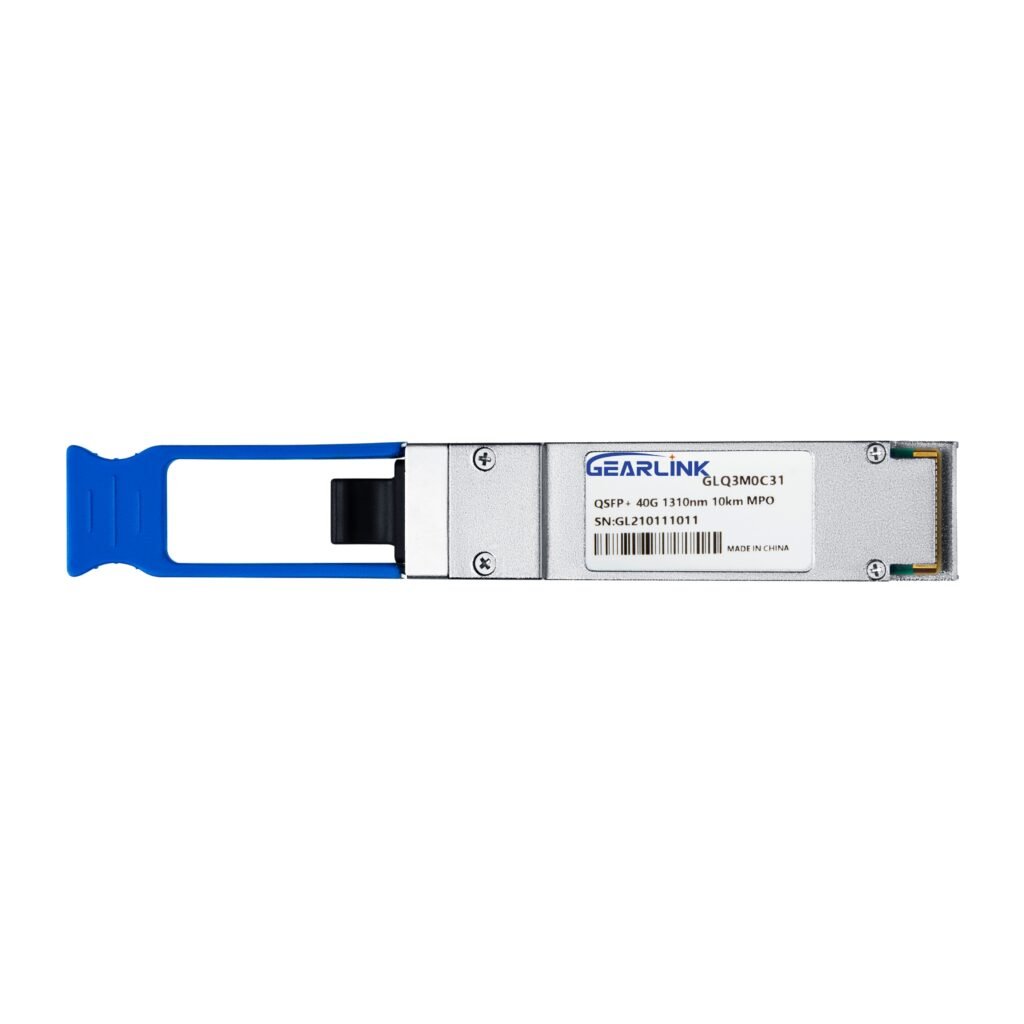
If your data center utilizes multimode fiber (OM3 or OM4), the 40GBASE-SR4 is the standard choice. It uses an MPO/MTP connector and is cost-effective for short distances up to 150 meters. This is ideal for connecting switches within the same rack or row.
For connections between buildings or long-haul transmission, you require single-mode solutions like 40GBASE-LR4. These use LC duplex connectors and can transmit data up to 10 kilometers.
Matching the transceiver to the correct fiber type is vital to avoid signal loss. Using a short-range module on a long-distance link will result in immediate link failure.
When planning your deployment, consider the following selection criteria:
- Distance: Measure your cable runs accurately.
- Fiber Type: Confirm if you have MPO (parallel) or LC (duplex) cabling.
- Compatibility: Ensure the module is coded for your specific switch brand.
For a comprehensive selection of compliant modules, you can review the specifications at https://optictran.com/product-category/optical-transceivers/40gb-qsfp/.
Summary
Securing a reliable 40g optical transceiver involves verifying IEEE standards and MSA compliance. You must prioritize suppliers who perform rigorous production testing 40g optical transceivers, such as temperature cycling and BERT. By partnering with a qualified 40g optical transceiver exporter, you ensure network stability and seamless integration.
FAQ
Q1: What is the difference between QSFP+ and standard QSFP?
QSFP+ is an evolution of QSFP designed to support 10 Gb/s per channel, totaling 40 Gb/s, whereas the original QSFP supported lower speeds.
Q2: Can I use a 40G transceiver in a 100G port?
Yes, most 100G QSFP28 ports are backward compatible with 40g fiber optic transceiver modules, but you may need an adapter or specific configuration.
Q3: Why is third-party compatibility important for exporters?
A skilled 40g optical transceiver exporter must code the module’s EEPROM to mimic original equipment, ensuring the switch does not reject the hardware.
Q4: Does a 40G SR4 module require special cabling?
Yes, 40GBASE-SR4 requires 8-fiber or 12-fiber MPO/MTP ribbon cables, unlike standard duplex LC cables used in 10G networks.
Reference Sources
Storage Networking Industry Association (SFF-8436 QSFP+ MSA)
https://www.snia.org/
The Fiber Optic Association (Transceiver Testing Guidelines)
https://www.thefoa.org/