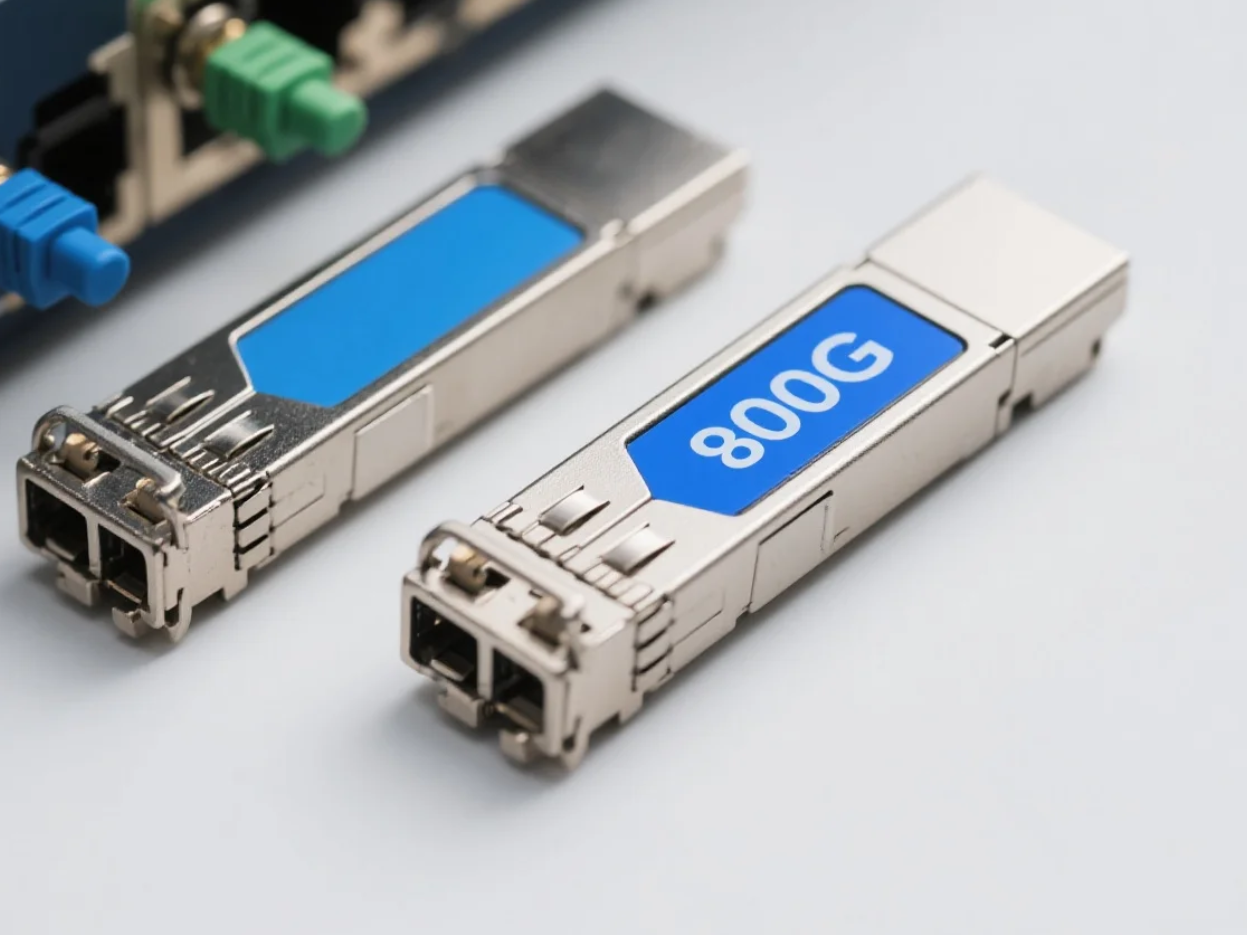
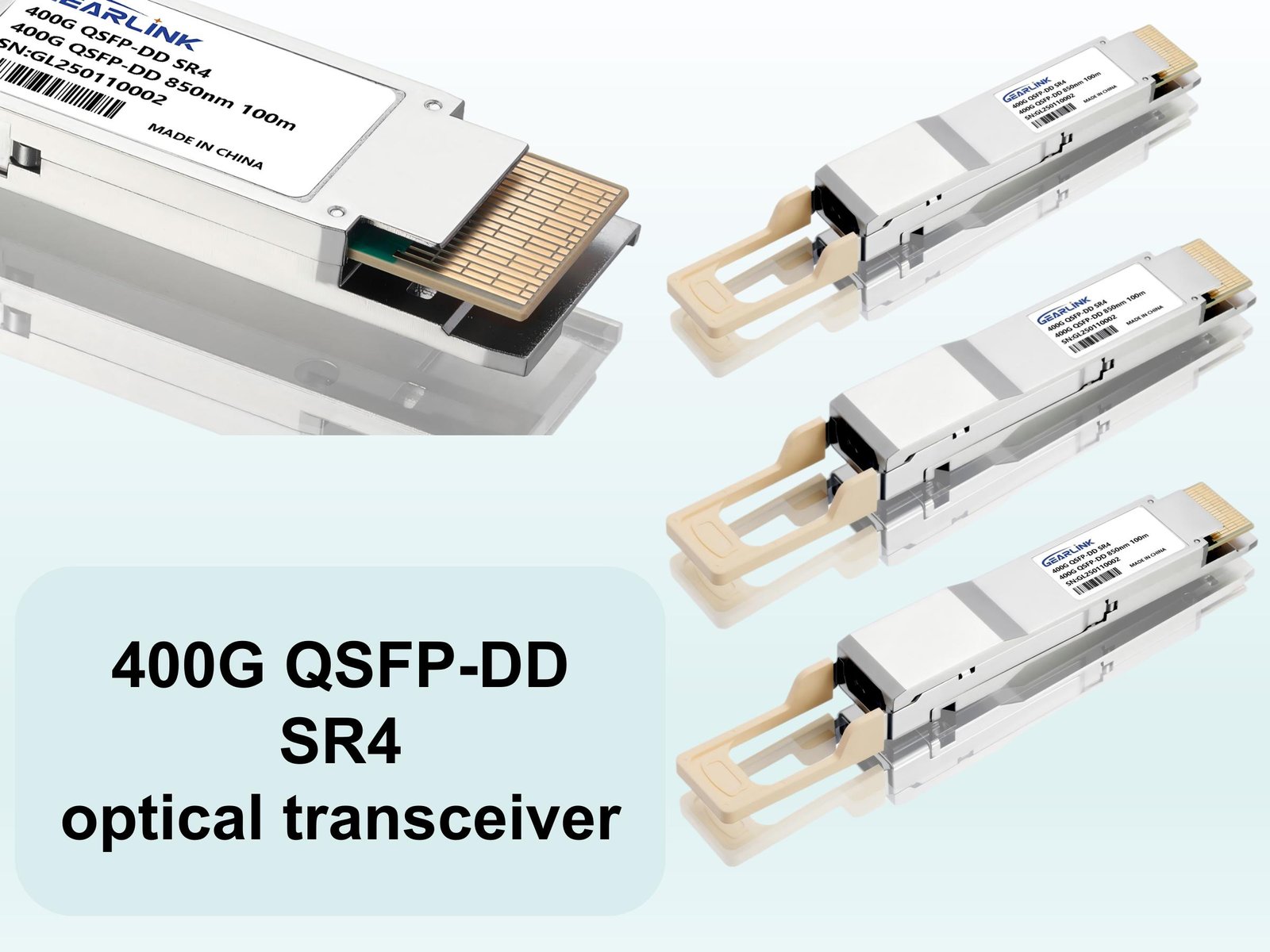
In modern data centers and high-speed networking environments, bandwidth demand continues to rise rapidly. As cloud computing, AI workloads, and hyperscale infrastructures expand, the need for faster optical connectivity becomes unavoidable. The 200G transceiver has therefore emerged as a crucial component for next-generation network architectures.
A 200G transceiver is designed to transmit data at 200 gigabits per second over optical fiber. Compared with earlier generations such as 40G and 100G modules, it delivers significantly higher throughput while maintaining energy efficiency and compact form factors. As a result, it has been widely adopted in large data centers, enterprise backbone networks, and telecom infrastructure.
In this comprehensive guide, we will explore how the 200G transceiver works, its key form factors, major standards, application scenarios, advantages, and deployment considerations. Additionally, practical comparisons and tables will be included so that the technology can be understood more easily.
Understanding the 200G Transceiver Technology
What Is a 200G Transceiver?
A 200G transceiver is a high-speed optical module used to send and receive data signals at 200 gigabits per second. These modules are typically installed in switches, routers, and servers to enable ultra-fast communication between network devices.
Unlike lower-speed modules, the 200G transceiver usually relies on advanced modulation technologies such as PAM4 (Pulse Amplitude Modulation with four levels). Because of this approach, more bits can be transmitted within the same signaling rate.
Consequently, higher bandwidth is achieved without dramatically increasing power consumption or fiber usage.
Key characteristics of a typical 200G transceiver include:
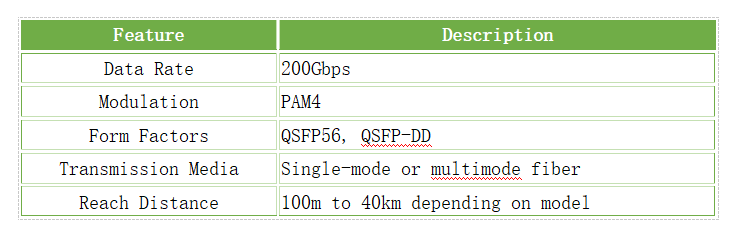
Because of these capabilities, the 200G transceiver has become a bridge technology between 100G and 400G networking.
Why 200G Transceivers Are Important for Modern Networks
Modern network infrastructures are evolving quickly. Data traffic is increasing due to several factors:
Artificial intelligence workloads
Cloud computing platforms
Streaming media services
Edge computing environments
As a result, network designers require solutions that offer both higher bandwidth and better efficiency.
The 200G transceiver addresses this challenge by providing a balanced combination of speed, power efficiency, and compatibility with existing hardware.
Furthermore, upgrading to 200G transceiver technology often allows organizations to double their network capacity without doubling their infrastructure cost.
Key Form Factors of 200G Transceiver Modules
QSFP56 200G Transceiver
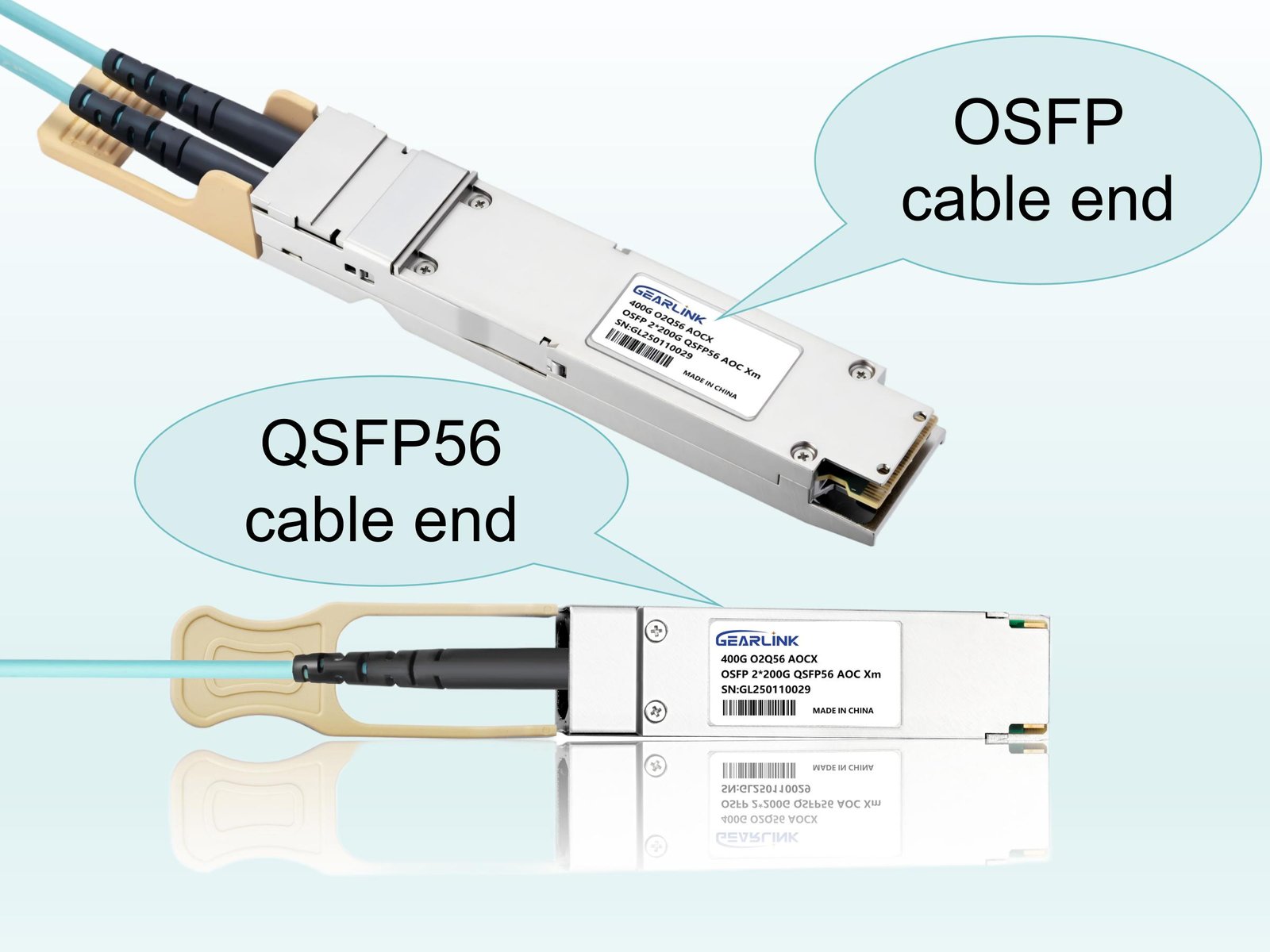
One of the most common form factors is the QSFP56 200G transceiver. This module uses four lanes of 50G PAM4 signaling.
Key specifications
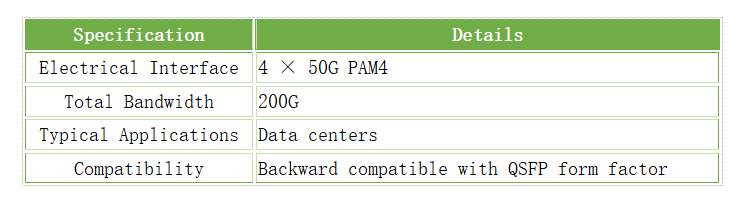
Because it fits into existing QSFP ports, the QSFP56 200G transceiver is often used as an upgrade path from QSFP28 modules.
QSFP-DD 200G Transceiver
Another option is the QSFP-DD 200G transceiver, which supports higher density deployments.
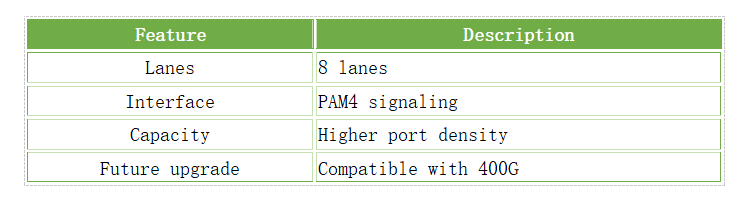
Therefore, when network scalability is required, the QSFP-DD 200G transceiver becomes an attractive solution.
Common Types of 200G Transceiver Modules
Different networking environments require different optical technologies. Consequently, several types of 200G transceiver modules have been developed.
200G SR4 Transceiver
The 200G SR4 transceiver is typically used for short-range connections within data centers.
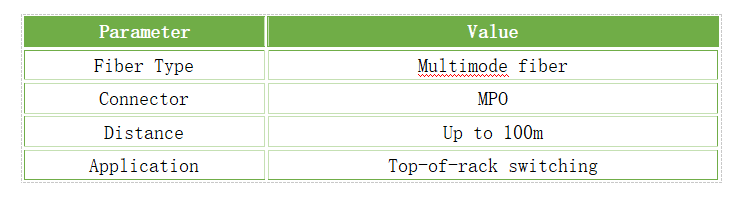
Because it supports high bandwidth over short distances, this 200G transceiver type is ideal for server interconnection.
200G DR4 Transceiver
The 200G DR4 transceiver is designed for single-mode fiber and longer reach.
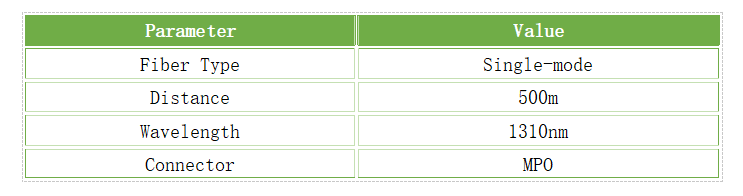
This 200G transceiver option is often used for leaf-spine architecture in hyperscale data centers.
200G FR4 Transceiver
Another important model is the 200G FR4 transceiver, which uses wavelength division multiplexing.
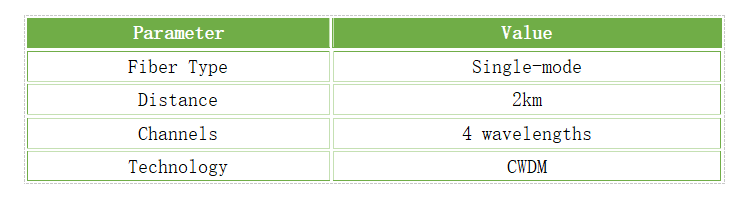
This 200G transceiver solution helps reduce fiber usage while extending transmission distance.
How a 200G Transceiver Works
To understand the operation of a 200G transceiver, it is helpful to examine the internal signal conversion process.
Step 1: Electrical signal input
High-speed electrical signals are generated by the switch ASIC.
Step 2: Signal modulation
The electrical signals are processed using PAM4 modulation, allowing each symbol to carry two bits of information.
Step 3: Optical conversion
The signals are converted into optical signals by lasers inside the 200G transceiver.
Step 4: Transmission over fiber
Light signals travel through optical fiber cables to the receiving device.
Step 5: Optical-to-electrical conversion
Finally, photodetectors convert the signals back into electrical form.
Because this process is extremely fast, the 200G transceiver can handle massive data flows in real time.
Key Advantages of Using a 200G Transceiver
There are several reasons why organizations adopt 200G transceiver technology.
Higher bandwidth
First of all, the 200G transceiver doubles the throughput of 100G networks.
Improved efficiency
Secondly, fewer modules are needed to achieve the same total bandwidth.
Better scalability
As data center traffic continues to grow, infrastructure can be scaled more easily with 200G transceiver deployments.
Energy optimization
In many designs, power consumption per gigabit is reduced.
200G Transceiver vs Other Optical Modules
To better understand its position in the market, it is useful to compare the 200G transceiver with other optical modules.
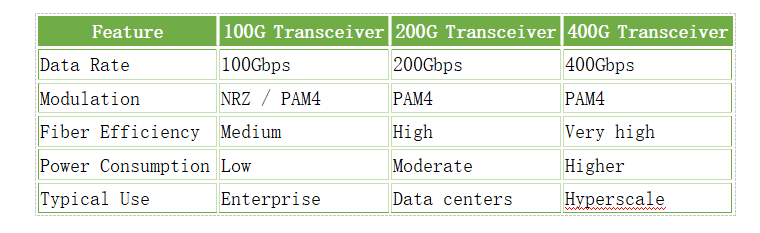
As shown in the table, the 200G transceiver provides a balance between cost and performance.
Deployment Scenarios for 200G Transceiver Solutions
Hyperscale data centers
Large cloud providers rely on 200G transceiver technology to interconnect thousands of servers.
AI and machine learning clusters
Because AI training generates enormous data flows, 200G transceiver modules are frequently deployed in GPU clusters.
Enterprise backbone networks
High-speed aggregation layers also benefit from 200G transceiver performance.
Telecom transport networks
Some telecom operators have adopted 200G transceiver solutions to improve metro network capacity.
Selecting the Right 200G Transceiver
When choosing a 200G transceiver, several technical factors should be evaluated.
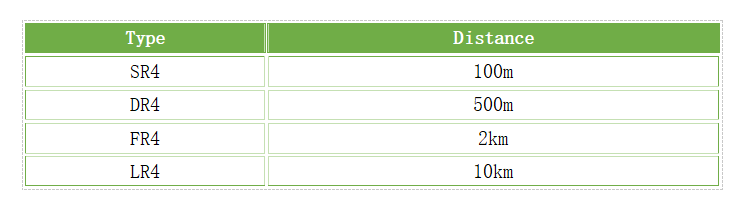
Transmission distance
Different module types support different reaches.
Fiber type
Multimode fiber
Single-mode fiber
Switch compatibility
The 200G transceiver must match the supported interface of the switch.
Power consumption
Lower power modules are preferred in high-density environments.
Future Trends of 200G Transceiver Technology
Although 400G technology is rapidly growing, the 200G transceiver will continue to play an important role for several years.
Several trends are already visible:
Improved PAM4 signal processing
Lower power DSP designs
Higher integration of optical components
Increased adoption in AI infrastructure
Therefore, the 200G transceiver remains a strategic networking technology during the transition toward 400G and even 800G networks.
Conclusion
The 200G transceiver has become an essential component in modern high-speed networks. By providing double the bandwidth of 100G solutions while maintaining reasonable power consumption and cost, it offers an excellent upgrade path for data centers and enterprise infrastructures.
From short-reach SR4 modules to long-reach FR4 designs, different 200G transceiver types enable flexible network architectures. Moreover, with the continued growth of cloud computing and artificial intelligence workloads, the importance of the 200G transceiver will only increase.
Organizations planning network upgrades should carefully evaluate form factor compatibility, transmission distance, and power efficiency when selecting the most suitable 200G transceiver for their infrastructure.
Frequently Asked Questions About 200G Transceiver
1. What is a 200G transceiver used for?
A 200G transceiver is used to transmit and receive data at 200Gbps in switches, routers, and data center networking equipment.
2. What are the main types of 200G transceiver modules?
Common 200G transceiver types include 200G SR4, 200G DR4, 200G FR4, and 200G LR4, each designed for different transmission distances.
3. How does a 200G transceiver achieve high bandwidth?
A 200G transceiver typically uses PAM4 modulation, allowing more data to be transmitted per signal compared with traditional NRZ modulation.
4. Where are 200G transceiver modules commonly deployed?
The 200G transceiver is widely used in hyperscale data centers, AI computing clusters, enterprise backbone networks, and telecom infrastructures.
5. Is a 200G transceiver better than a 100G transceiver?
In many scenarios, a 200G transceiver offers double the bandwidth of a 100G module while improving network efficiency, making it a strong upgrade option.