Introduction to OSFP in the 800G Era
In today’s rapidly evolving digital infrastructure, OSFP has become a cornerstone technology for enabling ultra-high-speed connectivity. As data traffic continues to surge—driven by artificial intelligence, cloud computing, and hyperscale deployments—the need for faster and more efficient optical solutions is more critical than ever.
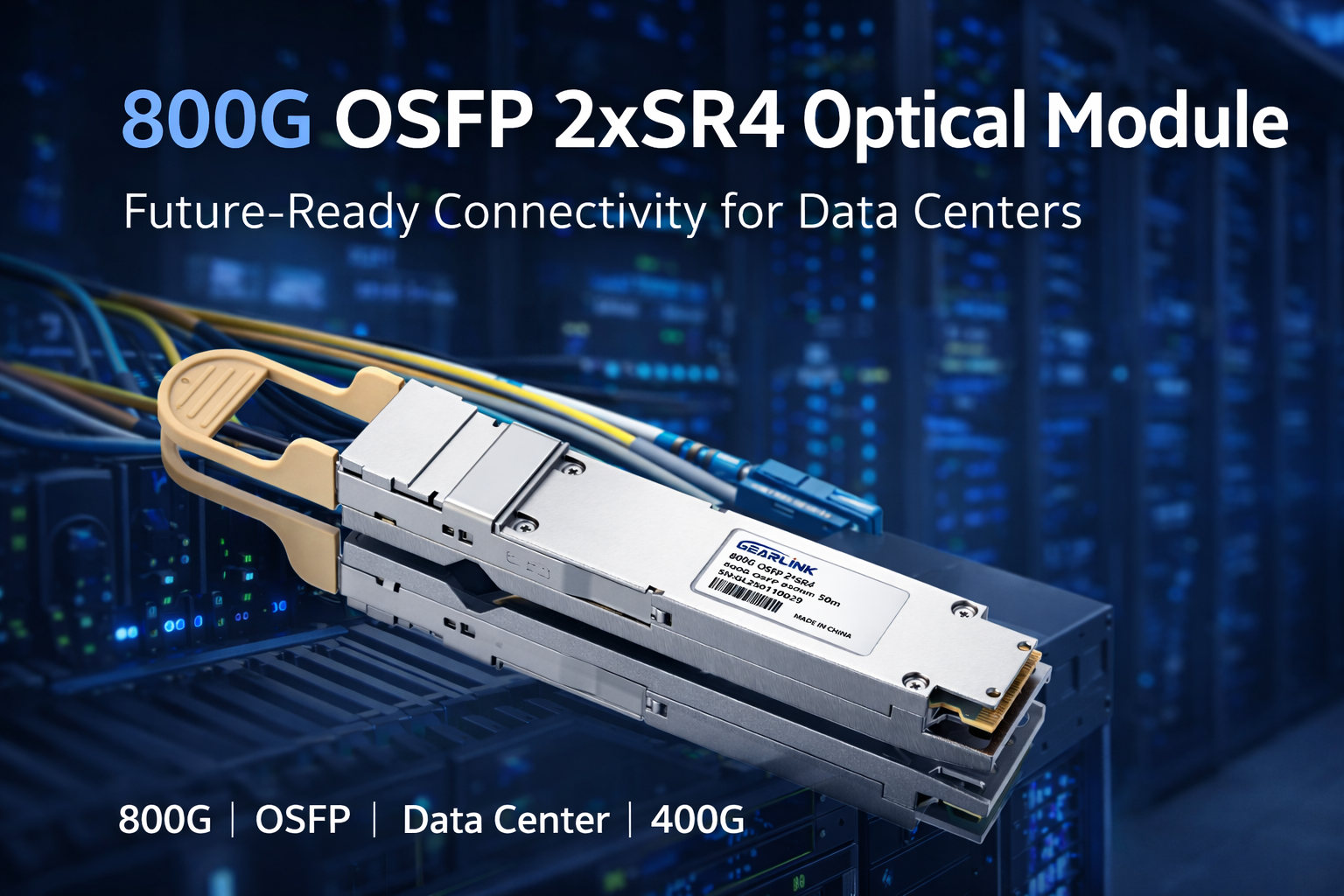
Therefore, the transition to 800G networking is accelerating across global data centers. Within this transformation, the combination of OSFP 800G SR4 modules plays a crucial role in delivering short-reach, high-density interconnections.
To put it simply, modern data centers require not only higher bandwidth but also better thermal efficiency and scalability. Because of this, OSFP has emerged as a preferred solution for next-generation networking architectures.
POWERFUL OSFP 800G SR4 GUIDE: FUTURE-READY OPTICAL CONNECTIVITY FOR DATA CENTERS
INTRODUCTION TO OSFP IN THE 800G ERA
In today’s rapidly evolving digital infrastructure, OSFP has become a cornerstone technology for enabling ultra-high-speed connectivity. As data traffic continues to surge—driven by artificial intelligence, cloud computing, and hyperscale deployments—the need for faster and more efficient optical solutions is more critical than ever.
Therefore, the transition to 800G networking is accelerating across global data centers. Within this transformation, the combination of OSFP 800G SR4 modules plays a crucial role in delivering short-reach, high-density interconnections.
To put it simply, modern data centers require not only higher bandwidth but also better thermal efficiency and scalability. Because of this, OSFP has emerged as a preferred solution for next-generation networking architectures.
What Is OSFP and Why It Matters
Understanding OSFP Technology
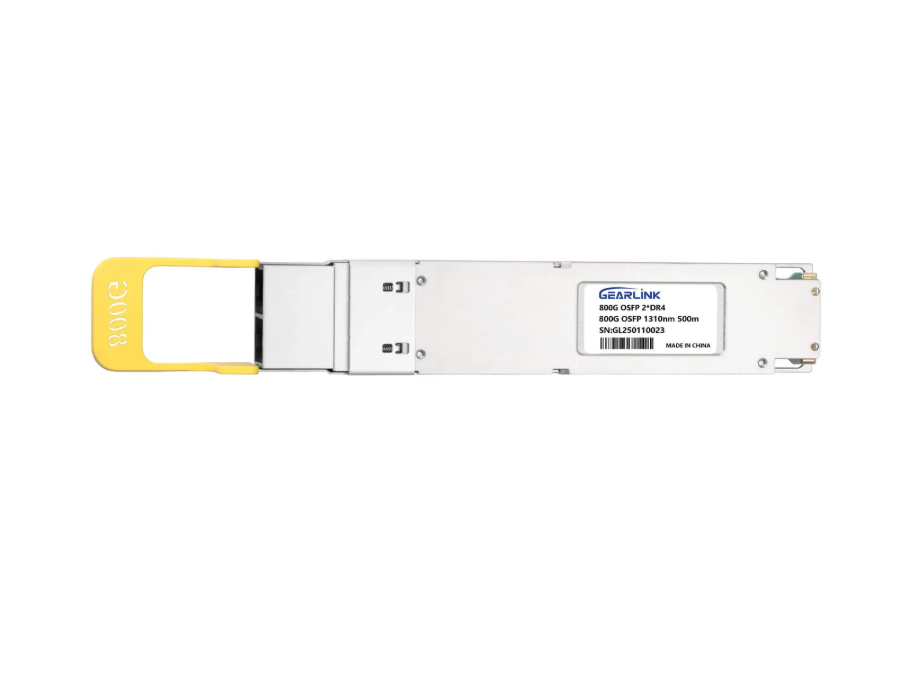
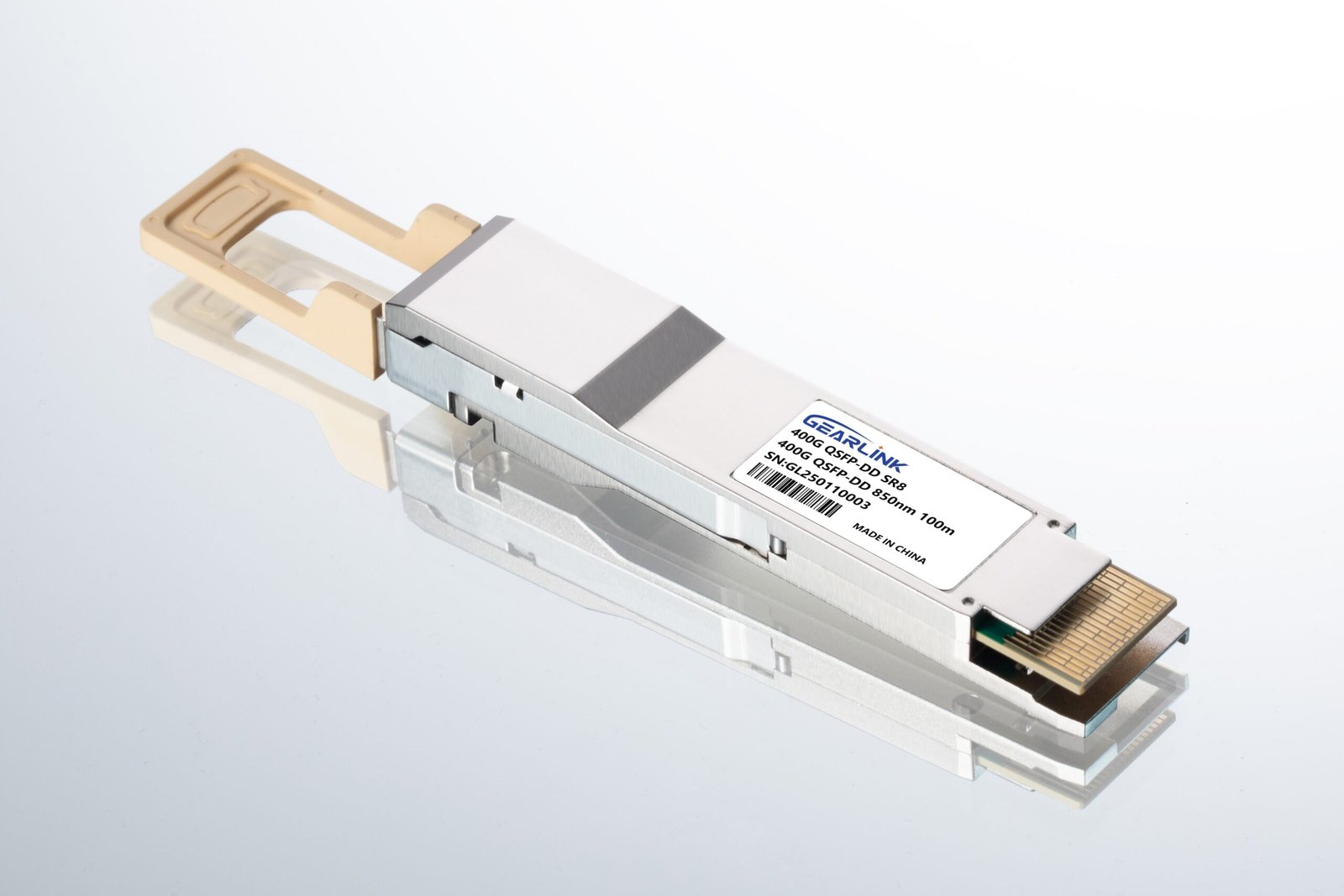
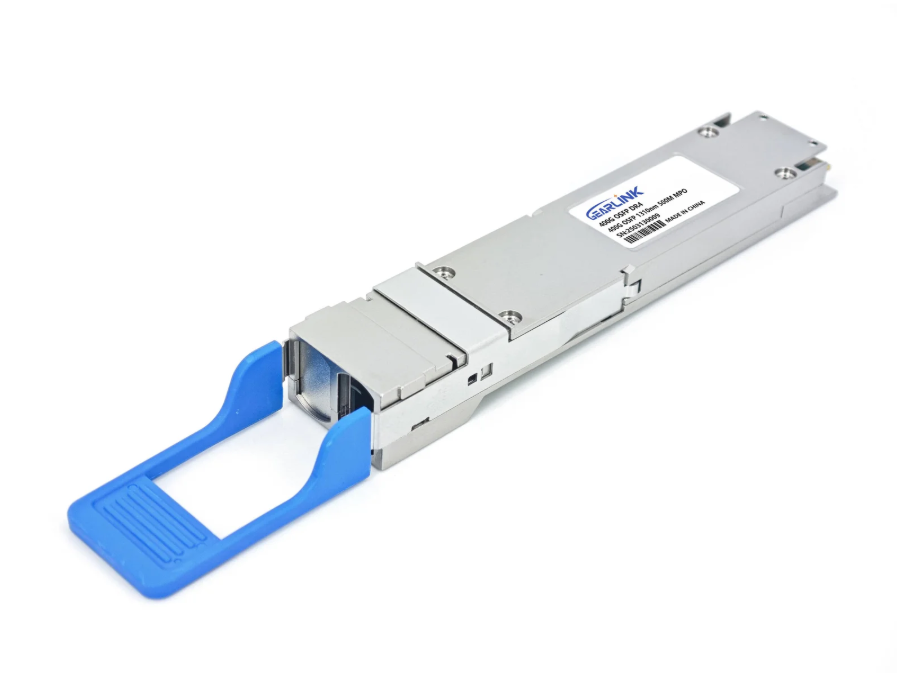
OSFP, or Octal Small Form Factor Pluggable, is an advanced optical transceiver form factor designed for high-speed applications. It utilizes an 8-lane electrical interface, enabling significantly higher throughput compared to earlier generations.
Unlike legacy modules, OSFP has been engineered to support both 400G and 800G transmission, making it highly adaptable for evolving network demands.
How OSFP Works in 800G Networks
In an OSFP 800G SR4 configuration, electrical signals are converted into optical signals and transmitted over multimode fiber. At the receiving end, these signals are converted back into electrical form.
Because of this efficient process:
Latency is minimized
Signal integrity is preserved
High-speed data transfer is achieved
Key Specifications of OSFP 800G SR4
| Parameter | Specification |
| Form Factor | OSFP |
| Data Rate | 800G |
| Lane Configuration | 8 × 100G |
| Fiber Type | Multimode (MMF) |
| Connector | MPO-16 |
| Max Distance | 50m / 100m (OM4/OM5) |
| Application | Data Center Interconnect |
As shown above, OSFP 800G SR4 is specifically optimized for short-range, high-speed environments.
Core Features of OSFP 800G SR4
Ultra-High Bandwidth Performance
First and foremost, OSFP 800G SR4 delivers exceptional bandwidth capabilities. Because it supports 800G speeds, it can handle massive data loads efficiently.
Consequently, it is ideal for:
AI training clusters
Cloud-scale infrastructures
High-performance computing
Advanced Thermal Design
Another key advantage of OSFP is its superior thermal performance. Compared to QSFP-DD, OSFP modules can dissipate heat more effectively.
This is achieved through:
Integrated heat sink design
Improved airflow compatibility
Higher power tolerance
Therefore, stable operation can be maintained even under heavy workloads.
High-Density Connectivity
Although OSFP modules are slightly larger, they provide excellent performance in high-density deployments. As a result, they are widely used in modern data centers.
Why OSFP 800G SR4 Is Ideal for Data Centers
Optimized for Short-Reach Connectivity
OSFP 800G SR4 is specifically designed for short-distance applications. For example, it is commonly used for:
Switch-to-switch connections
Spine-leaf architectures
Intra-data center links
Because multimode fiber is used, deployment costs can be reduced.
Efficient Power Consumption
Even though it supports high speeds, OSFP maintains relatively efficient power usage. Therefore, operational costs can be controlled effectively.
Scalability for Future Growth
As network demands continue to grow, OSFP provides a clear upgrade path toward higher speeds such as 1.6T. Consequently, it is considered a future-proof investment.
OSFP vs QSFP-DD in 800G Applications
When comparing OSFP 800G SR4 with QSFP-DD solutions, several differences stand out:
| Feature | OSFP 800G SR4 | QSFP-DD 800G |
| Thermal Capacity | Higher | Moderate |
| Power Handling | Better | Limited |
| Size | Larger | Smaller |
| Cooling Efficiency | Superior | Standard |
In high-performance environments, OSFP is often preferred due to its enhanced thermal capabilities.
Deployment Scenarios for OSFP 800G SR4
Hyperscale Data Centers
In hyperscale environments, large volumes of data must be processed quickly. Therefore, OSFP 800G SR4 is widely deployed to ensure high-speed connectivity.
AI and Machine Learning Clusters
AI workloads require extremely fast data exchange between GPUs. Because of this, OSFP modules are frequently used in AI training infrastructures.
Enterprise Data Centers
Even in enterprise environments, the adoption of 800G solutions is increasing. As a result, OSFP is becoming more common.
Best Practices for Deploying OSFP 800G SR4
Network Planning
Before deployment, it is important to:
Assess bandwidth requirements
Select appropriate fiber types
Ensure hardware compatibility
Installation Guidelines
During installation:
Proper airflow should be maintained
Modules should be handled carefully
Correct cabling must be used
Maintenance Strategies
To ensure long-term reliability:
Clean connectors regularly
Monitor temperature levels
Perform firmware updates
Advantages of OSFP 800G SR4
1. Exceptional Speed
With 800G capability, OSFP provides unmatched performance.
2. Reliable Thermal Management
Better cooling ensures consistent operation.
3. Cost-Effective Short-Reach Solution
Using multimode fiber reduces deployment costs.
4. Future-Proof Design
Supports evolving network requirements.
Challenges and Considerations
Despite its advantages, some factors should be considered:
Larger size may impact port density
Higher initial investment
Requires compatible hardware
However, these challenges are often outweighed by long-term benefits.
Future Trends of OSFP and 800G SR4
Looking ahead, several trends are shaping the future:
Rapid adoption of 800G networking
Increasing demand for AI-driven infrastructure
Development of 1.6T optical modules
Because of these trends, OSFP will continue to play a key role in networking evolution.
Conclusion
In conclusion, OSFP 800G SR4 represents a powerful and efficient solution for modern data centers. With its high bandwidth, advanced thermal design, and scalability, it is well-positioned to support future networking demands.
Therefore, organizations aiming to upgrade their infrastructure should strongly consider adopting OSFP technology.
FAQs
1. What is OSFP 800G SR4 used for?
OSFP 800G SR4 is used for short-range, high-speed data center connectivity.
2. Why choose OSFP over QSFP-DD for 800G?
OSFP offers better thermal performance and power handling.
3. What distance does OSFP 800G SR4 support?
It typically supports up to 100 meters over multimode fiber.
4. Is OSFP 800G SR4 suitable for AI workloads?
Yes, it is ideal for AI clusters requiring high bandwidth.
5. Is OSFP future-proof?
Yes, OSFP supports future upgrades such as 1.6T networking.