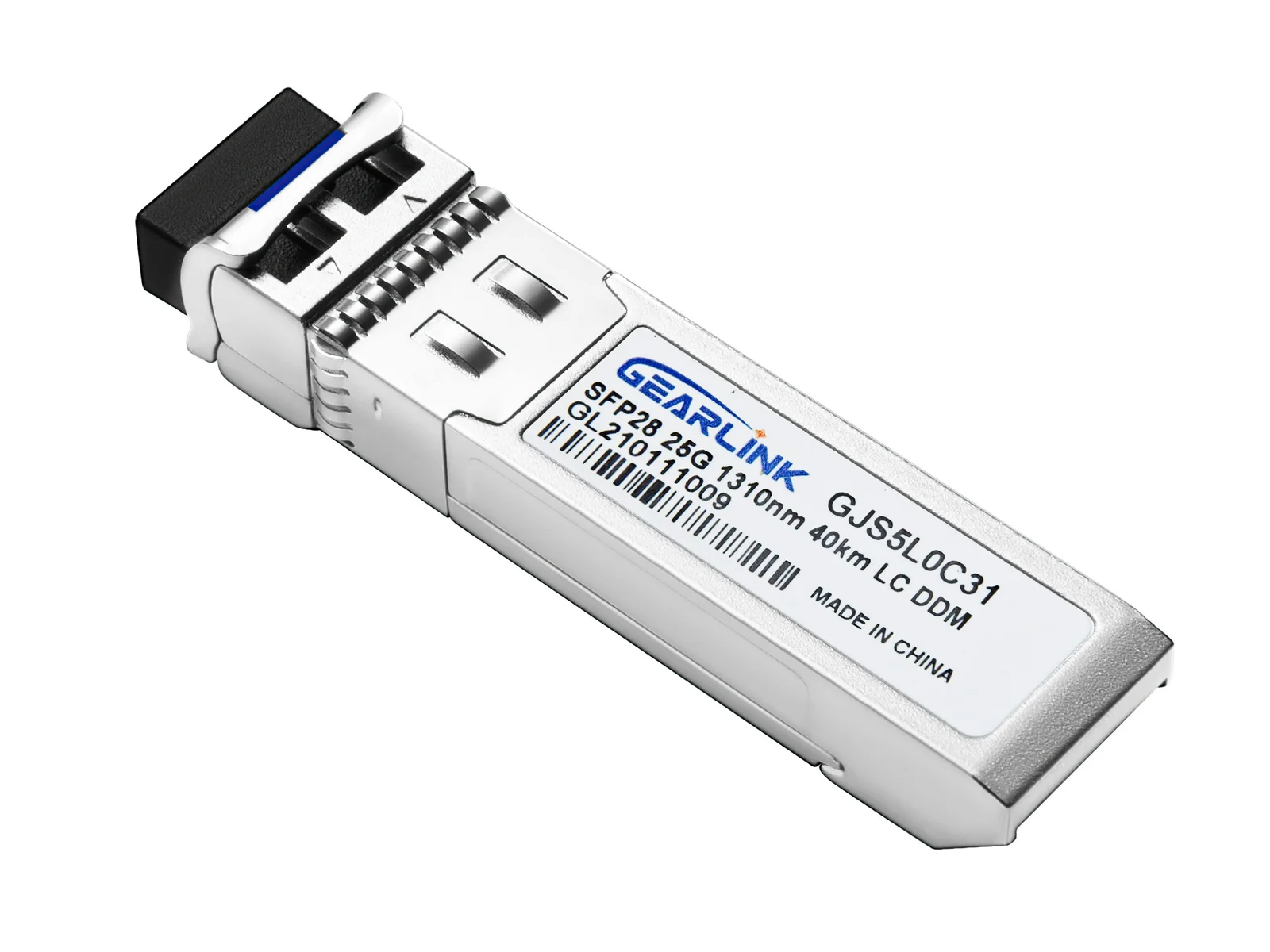
The Pivotal Role of QSFP 100G ER4L/S in High-Speed Interconnection
The ceaseless demand for bandwidth, driven by cloud computing, 5G deployment, and the ubiquitous adoption of video streaming, has pushed data center interconnect (DCI) and metro networks to their limits. Consequently, 100 Gigabit Ethernet (100GbE) has become the de facto standard for high-capacity aggregation and backbone links. Within this landscape, the Quad Small Form-factor Pluggable (QSFP) family of optical transceivers stands out due to its high density and low power consumption. Specifically, the QSFP 100G ER4L/S module has emerged as a crucial component, bridging the gap between shorter-reach data center solutions and much longer-haul coherent transmission systems. This specialized transceiver offers a compelling blend of reach and cost-efficiency, making it an indispensable tool for network engineers planning and scaling next-generation optical infrastructure. Understanding its core technology and practical applications is vital for making informed procurement and deployment decisions.
Decoding the Technology: What Distinguishes the QSFP 100G ER4L/S Module?
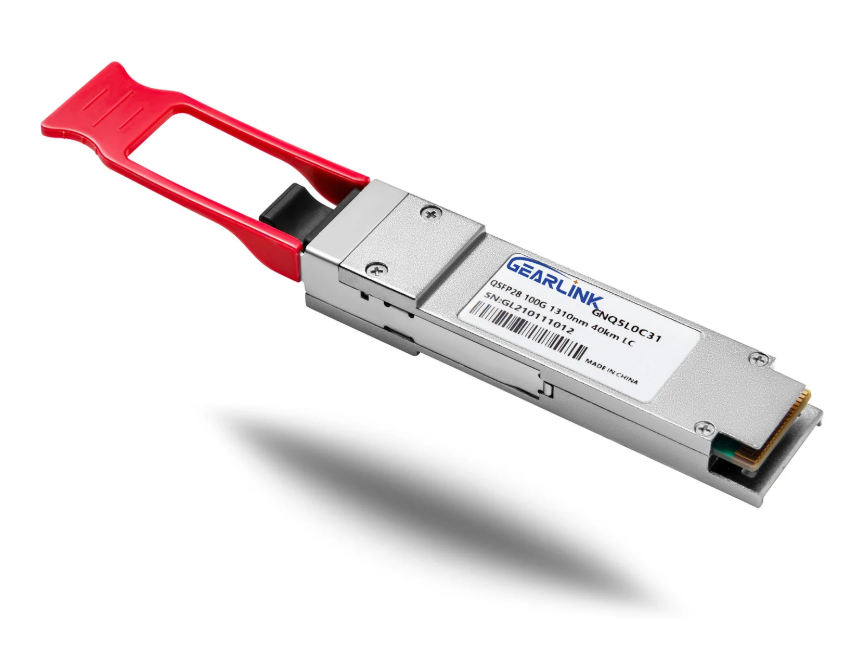
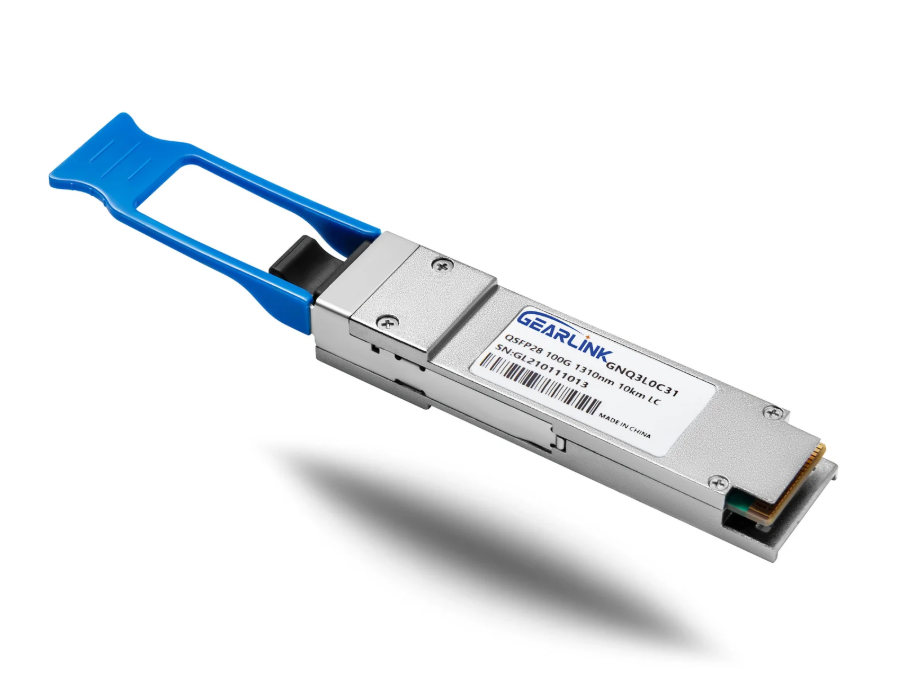
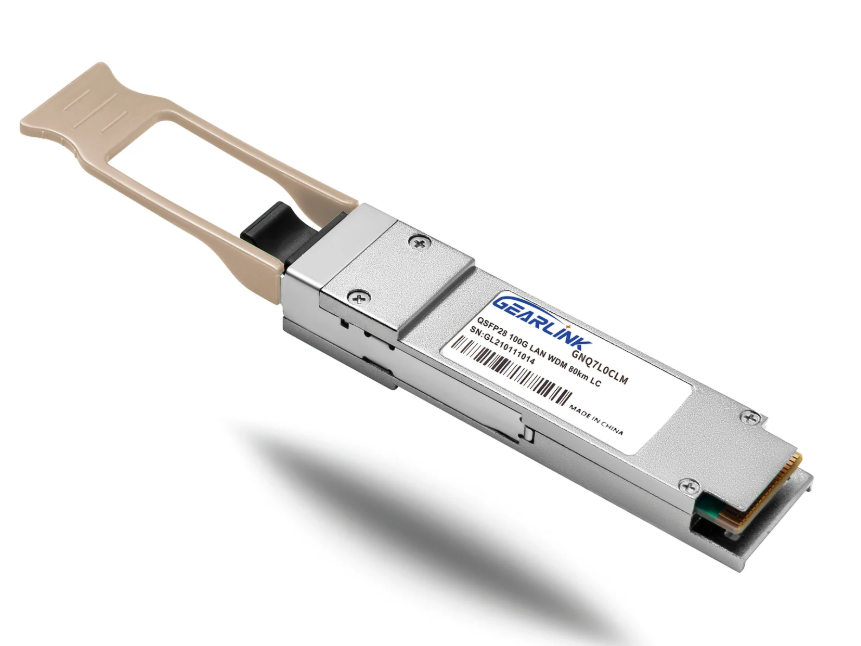
The QSFP 100G ER4L/S (Extended Reach 4-Lane Lite/Short) is defined by its ability to provide 100GbE connectivity over distances of up to 40 kilometers (km) in an energy-efficient QSFP28 form factor. This impressive reach is achieved using a distinct technological architecture that differentiates it from its counterparts, the SR4, PSM4, and even the full-fledged ER4.
The ER4L/S Design Principle: LAN-WDM and FEC
At its core, the QSFP 100G ER4L/S leverages the LAN Wavelength Division Multiplexing (LAN-WDM) principle. It utilizes four distinct wavelengths (channels), typically around 1300nm, each transmitting 25Gbps of data. These four optical signals are multiplexed onto a single strand of Single-Mode Fiber (SMF) at the transmit end and demultiplexed at the receive end.
Unlike shorter-reach modules like SR4, which use four separate fiber pairs (8 fibers total), the ER4L/S consolidates all four channels onto a single duplex fiber pair, significantly reducing fiber consumption. Crucially, to achieve the extended 40km reach, the module often relies on Forward Error Correction (FEC), which is implemented in the host system’s switch or router. While the ER4L/S designation suggests “lite” or “short,” implying lower power than a true 40km ER4 module, the module is engineered with highly sensitive receivers and powerful Distributed Feedback (DFB) lasers to maintain signal integrity over the long link distance. This optimized design results in a substantial power saving compared to the traditional, higher-power 40km solution.
Power Efficiency: A Key Differentiator
In today’s high-density deployments, power consumption is not just an operational cost but a critical design constraint. The inherent power optimization in the QSFP 100G ER4L/S translates directly into lower thermal output, enabling higher port density within networking equipment. This module often operates well below 4.5 Watts, making it an attractive alternative to other long-reach options that may consume significantly more power.
Application Spectrum: Where Does QSFP 100G ER4L/S Shine?
The unique combination of 40km reach, duplex fiber operation, and the compact QSFP28 form factor makes the QSFP 100G ER4L/S perfectly suited for several critical networking scenarios beyond the typical data center floor.
Metro and Access Network Aggregation
This is the primary domain where the QSFP 100G ER4L/S module truly excels. Metro networks, which connect central offices, regional data centers, and major points of presence (PoPs), often require links ranging from 10km to 40km. The ER4L/S offers a direct, plug-and-play solution for these middle-mile segments, bypassing the need for expensive and complex intermediary optical amplification or dispersion compensation equipment often required by older long-haul standards. It enables service providers to efficiently upgrade their 10G or 40G metro rings to 100G without massive infrastructure overhaul.
Campus Interconnect and Distributed Data Centers
For large enterprises and universities spanning multiple large campuses, the distance between core networking facilities can easily exceed 10km. The ER4L/S provides a reliable and cost-effective method for interconnecting these geographically separated buildings. Similarly, businesses utilizing distributed data center architectures, where disaster recovery or load balancing sites are separated by several kilometers, find the 40km reach to be an ideal, straightforward connectivity option.
Cost-Effective 40km DCI Solutions
Data Center Interconnect (DCI) is increasingly moving towards unamplified, “grey” solutions for shorter distances to save capital expenditure. While true 80km-plus DCI often necessitates complex coherent optics, the QSFP 100G ER4L/S provides a much simpler, lower-latency, and more economical alternative for the common 20km to 40km DCI requirements. It offers a direct pathway to 100G connectivity without the high complexity and power draw associated with higher-end DCO (Digital Coherent Optics) modules.
Integration and Compatibility Considerations
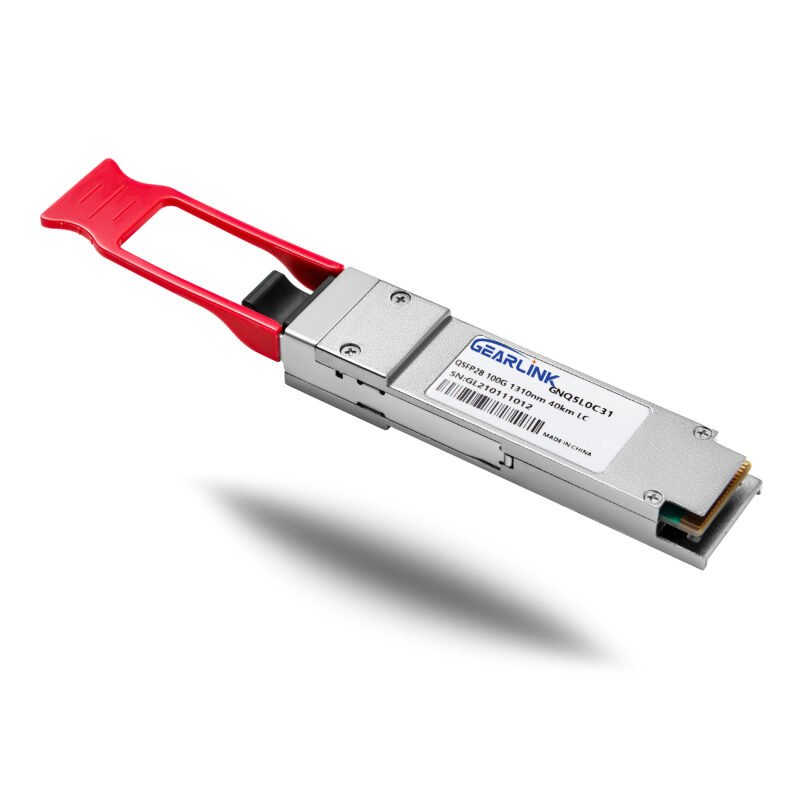
100GBASE-ER4 QSFP28 1310nm 40km DOM Duplex LC/UPC SMF Optical Transceiver Module
NT$800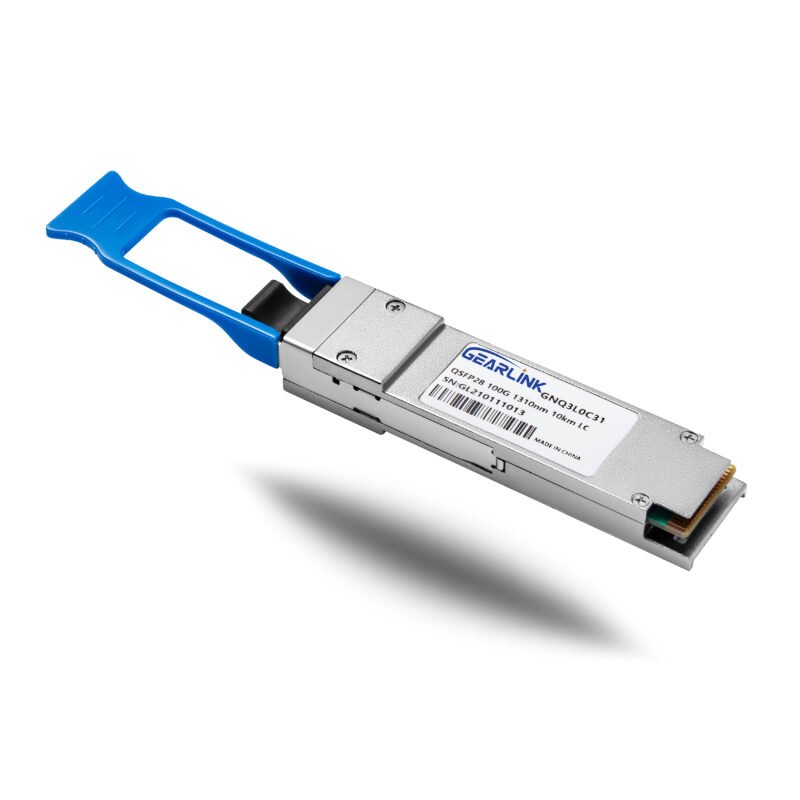
100GBASE-LR4 QSFP28 1310nm 10km DOM Duplex LC/UPC SMF Optical Transceiver Module
NT$179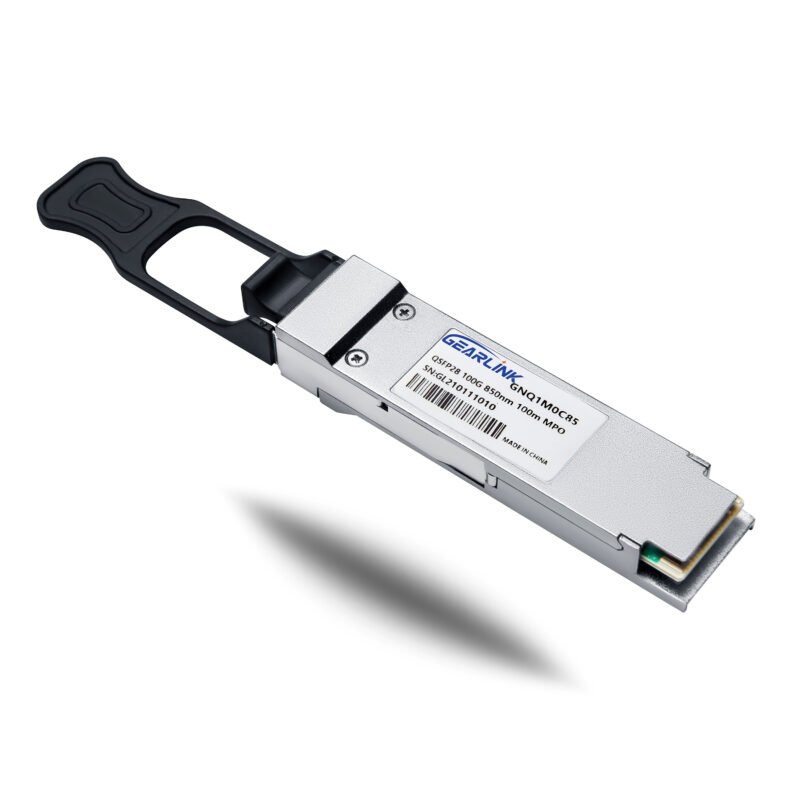
100GBASE-SR4 QSFP28 850nm 100m DOM MPO-12 MMF Optical Transceiver Module
NT$38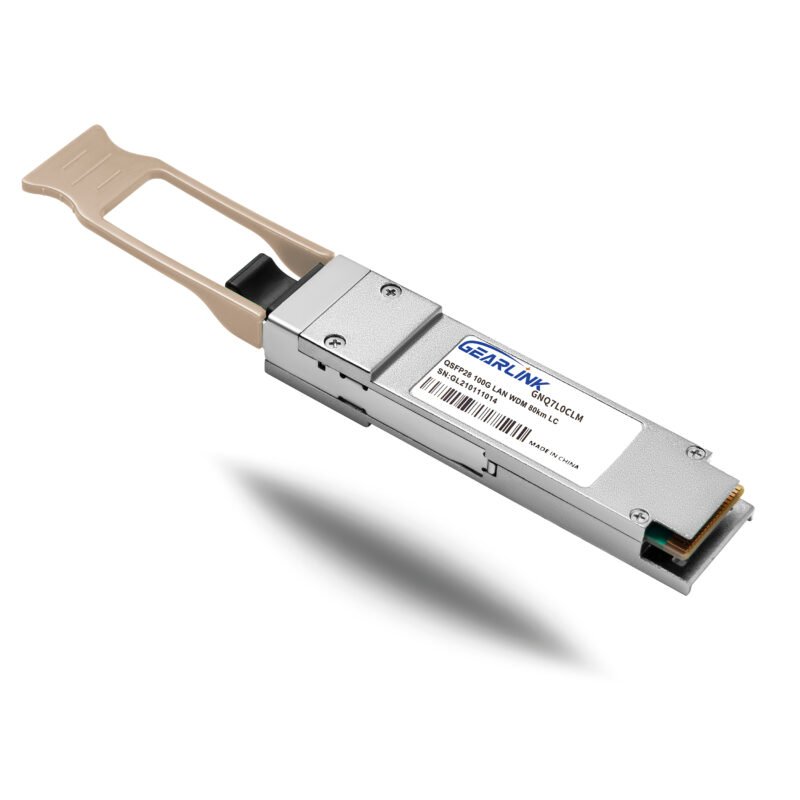
100GBASE-ZR4 QSFP28 1310nm 80km DOM Duplex LC/UPC SMF Optical Transceiver Module
NT$1,500
Deploying the QSFP 100G ER4L/S successfully requires attention to compatibility and link budget analysis, which is crucial for module product users.
Host Device Compatibility
The module is designed to operate in any standard QSFP28 port. However, it is imperative to ensure that the host switch or router supports the required power class and, most importantly, the implementation of FEC. For long-distance 40km links, the host device’s ability to apply FEC is mandatory to maintain the specified bit error rate (BER). Reputable transceiver vendors, like Optictran, ensure full compatibility coding to match major switch platforms, facilitating seamless integration.
Link Budget and Dispersion Management
While the ER4L/S simplifies deployment, a link budget analysis remains essential. The module’s performance is intrinsically tied to the quality and characteristics of the fiber plant. Chromatic dispersion, which causes signal spreading over long distances, is a factor. Although the module is designed to tolerate a certain level of dispersion over 40km of standard G.652 SMF, extremely old or specialized fiber types may require additional analysis. Nevertheless, the sophisticated laser and receiver design of the QSFP 100G ER4L/S inherently minimizes these concerns compared to earlier 10G long-reach standards.
Looking Ahead: The Enduring Value of QSFP 100G ER4L/S
The networking industry is constantly pushing the boundaries of speed, with 400G and 800G modules now gaining traction. However, this does not diminish the enduring value proposition of the QSFP 100G ER4L/S. As networks scale, 100G remains the foundational building block for aggregation and access layers. The ER4L/S will continue to be the workhorse for long-reach 100G applications due to its unparalleled balance of:
- Density: Utilizing the compact QSFP28 footprint.
- Reach: Achieving up to 40km without external amplification.
- Cost-Efficiency: Offering a significantly lower total cost of ownership (TCO) compared to complex coherent solutions.
- Simplicity: Providing a direct, single-duplex-fiber solution.
In conclusion, for any network operator looking to optimize their metro, campus, or distributed DCI architecture, the QSFP 100G ER4L/S represents an intelligent, forward-looking investment. It simplifies network design, reduces operational costs through lower power consumption, and provides the necessary resilience and capacity to handle the explosive growth of high-bandwidth data services.
Frequently Asked Questions (FAQ)
Q1: What is the main difference between QSFP 100G ER4L/S and the standard 100GBASE-LR4?
A: The main difference lies in the maximum reach and power consumption. Standard 100GBASE-LR4 is typically specified for 10km. The QSFP 100G ER4L/S is designed for an extended reach of up to 40km. Furthermore, the ER4L/S often utilizes a design optimized for lower power consumption, making it more energy-efficient for long-distance QSFP28 deployments compared to a full ER4.
Q2: Is FEC (Forward Error Correction) always required when using the QSFP 100G ER4L/S for 40km links?
A: Yes, for reliable performance and to meet the specified Bit Error Rate (BER) over the full 40km distance, the use of FEC on the host system (switch/router) is typically mandatory. The module relies on the host’s FEC implementation to correct errors introduced during the long-distance transmission.
Q3: Can the QSFP 100G ER4L/S be used with existing OSFP ports?
A: No. The ER4L/S is a QSFP28 form factor module. It can only be plugged into a QSFP28 port or a QSFP-DD port using a passive adapter, but it cannot be directly plugged into an OSFP port, which is a physically different and larger form factor often used for 400G and 800G applications.