The continuous evolution of network infrastructure demands exponentially higher bandwidth and lower latency, especially within the confines of massive data centers and high-performance computing (HPC) environments. At the core of this transition from 10G to 40G connectivity lies a fundamental component: the QSFP 40G SR4 optical transceiver. Understanding this module is paramount for network architects, IT managers, and product users seeking to implement or upgrade their high-density, short-reach optical links. This comprehensive guide delves into the specifics of the QSFP 40G SR4, highlighting its pivotal role, technical characteristics, and the practical value it brings to the telecommunications and data center landscapes.
Unpacking the Technology: An Introduction to the QSFP 40G SR4 Transceiver
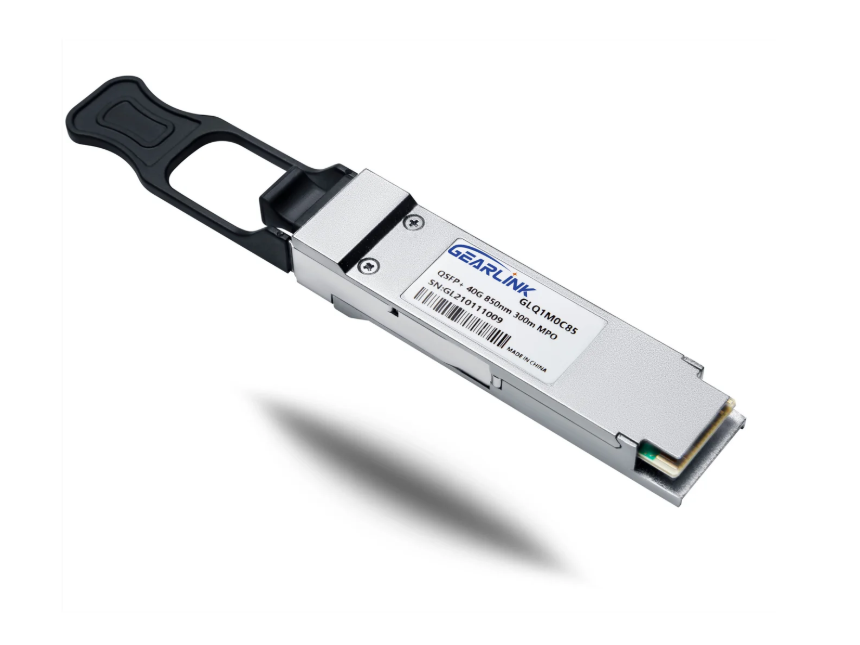
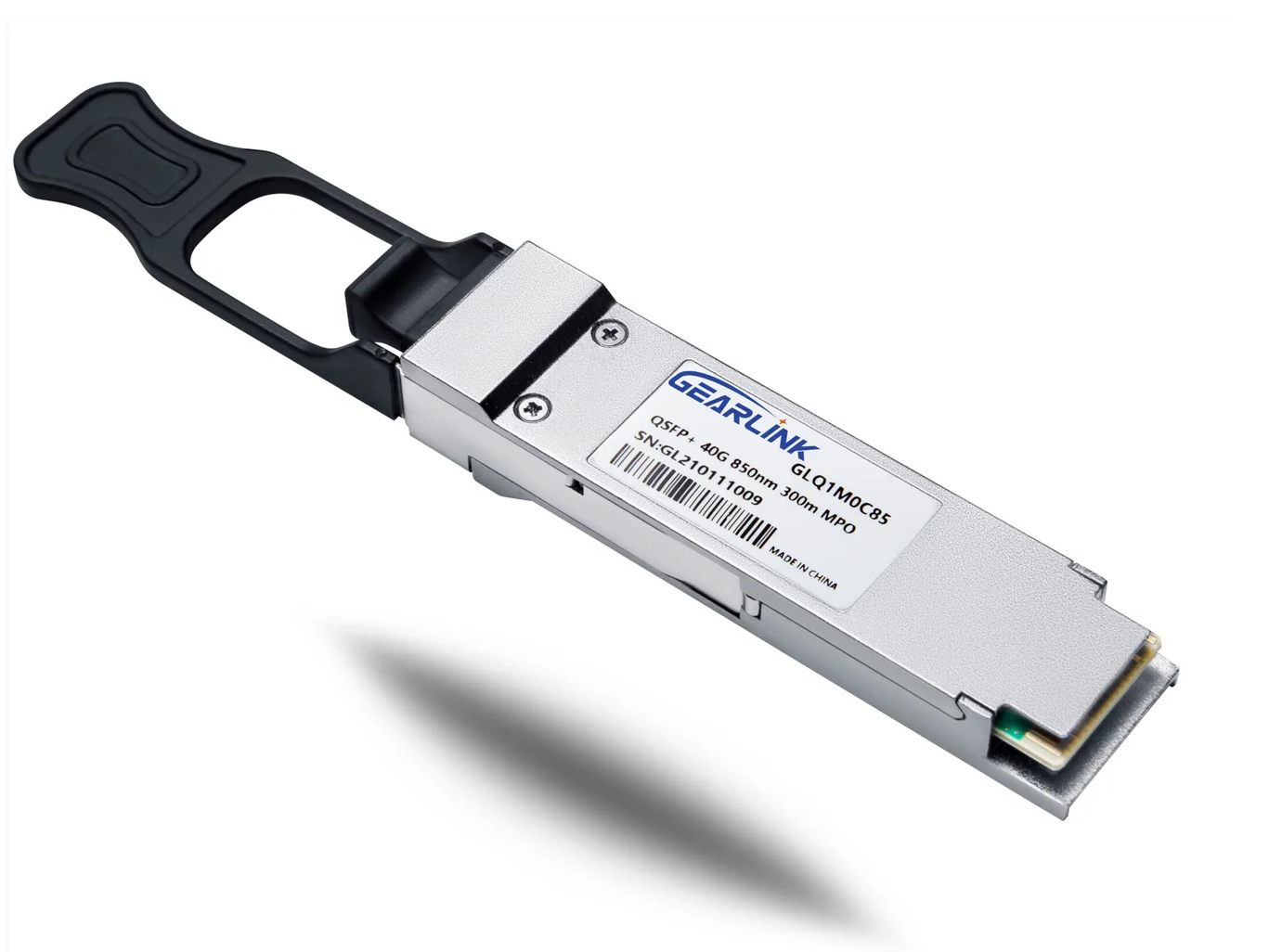
The acronym QSFP 40G SR4 stands for Quad Small Form-factor Pluggable (QSFP) 40 Gigabit Short Reach, 4 Lanes. This naming convention itself provides the first layer of insight into the module’s capabilities. It signifies a compact, hot-pluggable device capable of transmitting data at an aggregate rate of 40 Gigabits per second. Initially, the development of the QSFP form factor was a response to the industry’s need for greater port density on switches and routers, allowing four independent channels to be integrated into a single module, a significant leap from previous form factors like SFP+.
In terms of specification, the QSFP 40G SR4 is defined by the IEEE 802.3ba standard, which governs 40 Gigabit Ethernet. The “SR4” designation specifically dictates the transmission media and reach. The “Short Reach” (SR) element confirms its primary application is for linking devices over relatively short distances, typically within a single data center row or between adjacent racks. Furthermore, the “4” denotes that the 40G signal is achieved by utilizing four parallel lanes, each operating at 10 Gbps. These four lanes transmit and receive simultaneously, making the module an indispensable tool for high-throughput, short-distance interconnections.
Architectural Significance in High-Density Environments
When we look closer at the physical layer, the QSFP 40G SR4 employs a multi-mode fiber (MMF) infrastructure. Specifically, it uses OM3 or OM4 MMF cable, which is terminated with an MPO/MTP connector. This connector is crucial, as it allows for the simultaneous connection of the multiple optical fibers (typically 8 fibers: 4 for transmit, 4 for receive) required for the parallel optics technology. Utilizing MMF significantly lowers the cost of deployment compared to single-mode fiber (SMF) alternatives for short-reach applications, a crucial factor in the massive scale of modern cloud and enterprise data centers where thousands of links are established.
The power of the QSFP 40G SR4 truly shines in its ability to facilitate high-density aggregation. The modules are often used for switch-to-switch interconnects in the spine-and-leaf architecture, where core network elements must exchange enormous volumes of data quickly. Consequently, the reliability and performance of this particular transceiver directly impact the overall throughput and stability of the entire network fabric.
Key Technical Features and Distinctive Characteristics of the QSFP 40G SR4
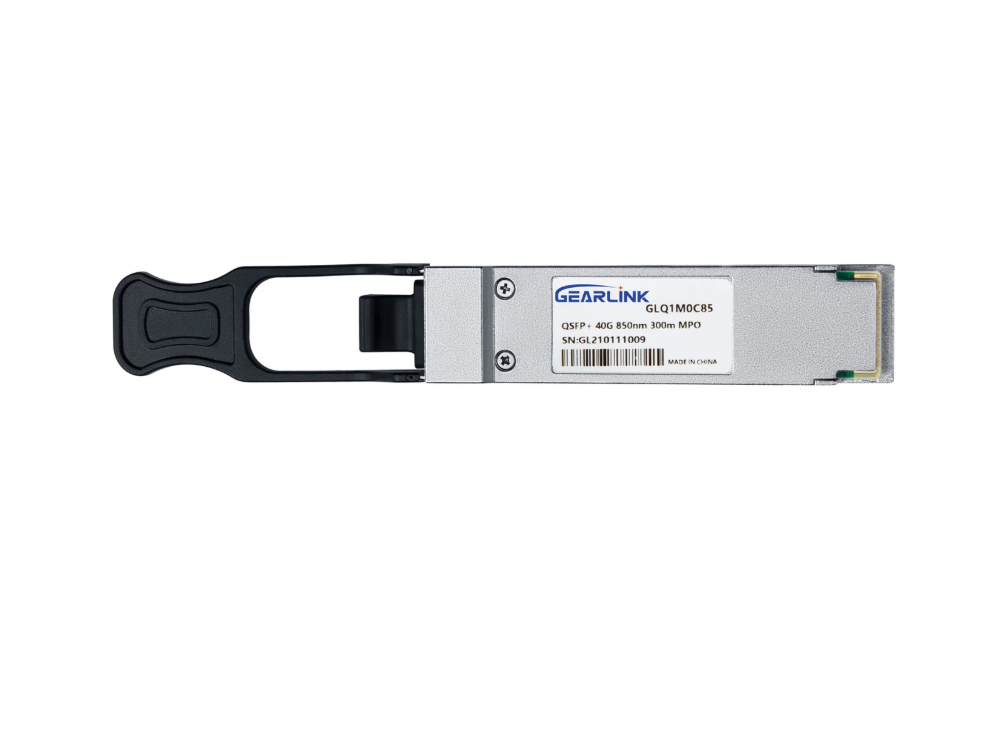
The prominence of the QSFP 40G SR4 is cemented by a confluence of technical features that make it ideally suited for contemporary networking challenges. Its design represents an excellent balance of speed, distance capability, power efficiency, and port density.
One of the most defining characteristics is its parallel optics technology. Instead of relying on wavelength-division multiplexing (WDM) to combine multiple signals onto a single fiber, the QSFP 40G SR4 simply transmits each of the four 10G signals on its own dedicated fiber strand. This method drastically simplifies the required internal laser and receiver circuitry, which contributes to the module’s overall cost-effectiveness and reduced power consumption. The light sources used are typically Vertical-Cavity Surface-Emitting Lasers (VCSELs), which are well-established for their low power usage and efficiency in MMF applications.
Reach and Media Specificity
The “Short Reach” specification translates into practical distance limits that are highly dependent on the type of multi-mode fiber used:
- OM3 Fiber: Typically supports a maximum transmission distance of 100 meters at 40G.
- OM4 Fiber: Extends the reach to a more robust 150 meters at 40G.
This difference in reach underscores the importance of proper cable plant selection. For highly compact deployments, OM3 might suffice, but for larger campus data centers or environments requiring more flexibility, the extended distance provided by OM4 often justifies the slightly higher cable cost. It must be noted that these distances are usually sufficient for over 80% of all data center links, demonstrating the module’s optimal fit for its intended environment.
Power Efficiency and Thermal Management
In the context of hyperscale data centers, where energy consumption is a major operating expense, power efficiency is not a mere luxury but a necessity. The QSFP form factor, and particularly the QSFP 40G SR4, is engineered to maintain a low power profile. Its maximum power consumption is often rated below 1.5 Watts, which is a key competitive advantage. Lower power consumption directly correlates to less heat generation, which, in turn, reduces the cooling requirements for the networking equipment, contributing to a lower overall Power Usage Effectiveness (PUE) ratio for the data center.
Furthermore, the QSFP 40G SR4 integrates Digital Diagnostics Monitoring (DDM) functionality. This feature allows network administrators to monitor real-time parameters such as transmitted optical power, received optical power, laser bias current, module temperature, and supply voltage. This capability is paramount for proactive network maintenance, quick troubleshooting, and ensuring the long-term reliability of the optical link. Consequently, DDM data has become an invaluable asset for maintaining operational integrity.
Core Applications of the QSFP 40G SR4 in the Optical Networking Landscape
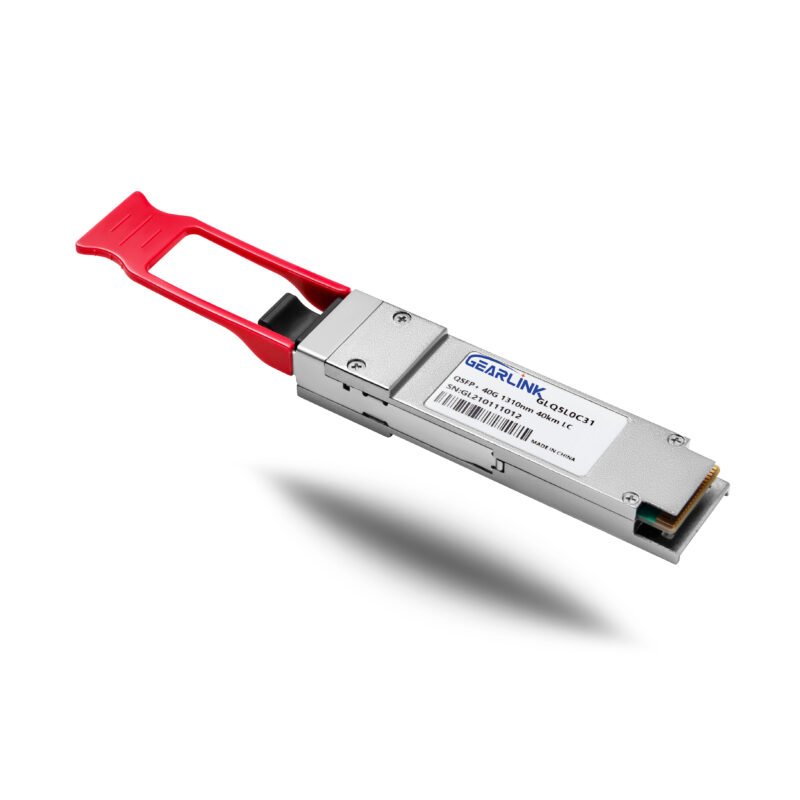
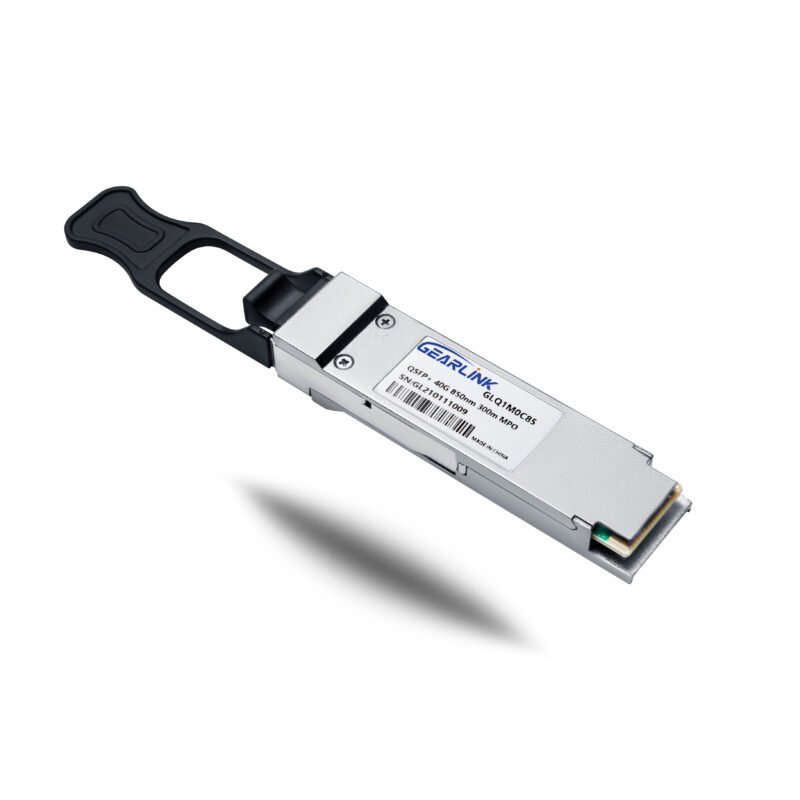
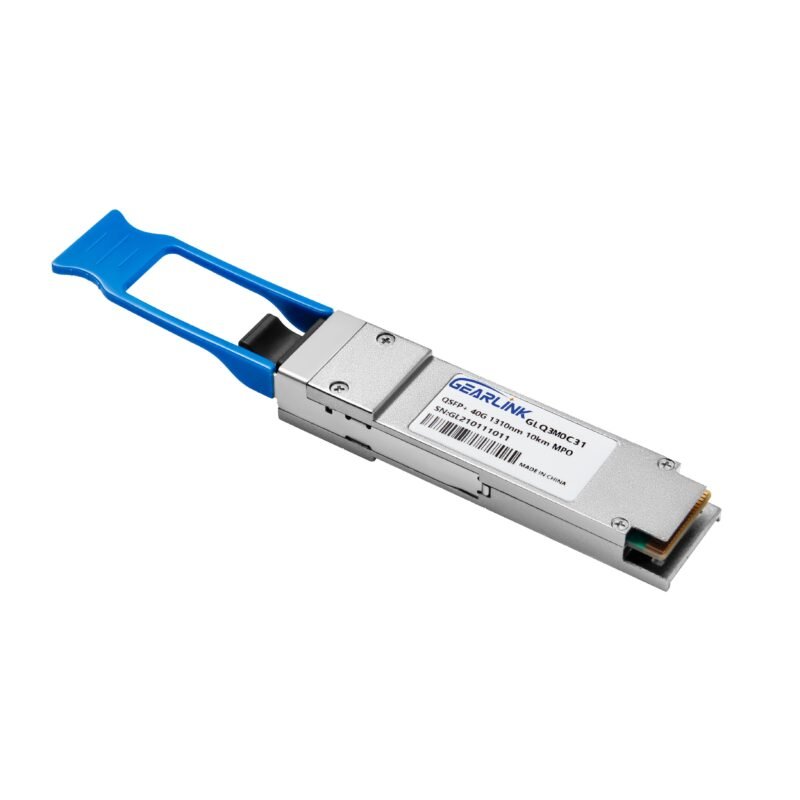
The ubiquity of the QSFP 40G SR4 can be attributed to its fundamental role in three distinct, yet interconnected, data center applications. The architecture of a modern data center is highly dependent on flexible, high-speed interconnects, and this module provides the backbone for these connections.
High-Speed Inter-Switch and Inter-Router Links
The primary application is for connecting high-end switches and routers, especially in the core or aggregation layers of the network. As mentioned, in a spine-and-leaf topology, the QSFP 40G SR4 links the “leaf” switches (which connect to the servers) to the “spine” switches (which serve as the high-speed backbone). The 40G throughput ensures that traffic can be aggregated from multiple servers without creating a bottleneck at the switch-to-switch level. This rapid, reliable link is the foundation upon which network virtualization and seamless cloud services are built.
Breakout Cable Functionality for Server Connectivity
A highly valuable and common use case for the QSFP 40G SR4 involves its capability for “breakout” connections. Due to its four-lane structure, the module can be used with a MPO-to-LC harness cable to break out the single 40G link into four separate 10G SFP+ links. This allows a 40G port on a switch to connect to four individual servers, each equipped with a 10G Network Interface Card (NIC). This solution offers incredible flexibility and port efficiency, enabling network managers to maximize their switch investments and gradually migrate server infrastructure from 10G to 40G as needed, without requiring a complete hardware overhaul. Consequently, this migration path is both cost-effective and scalable.
Data Center Interconnect (DCI) and Storage Area Networks (SANs)
While primarily a short-reach solution, the QSFP 40G SR4 is also deployed in limited-distance Data Center Interconnect (DCI) applications between adjacent buildings on a campus or within a single, very large facility. Additionally, it plays an important role in Storage Area Networks (SANs). High-performance storage arrays, particularly those utilizing protocols like Fibre Channel over Ethernet (FCoE) or NVMe-oF, require immense bandwidth to ensure data access latency remains minimal. The dependable 40G link provided by the QSFP 40G SR4 ensures that mission-critical data can be accessed and replicated quickly and reliably, thereby meeting stringent service level agreements.
The Value Proposition: Why Choose QSFP 40G SR4 for Your Network
The choice of optical transceiver is a strategic decision that affects a network’s performance, scalability, and total cost of ownership (TCO). For data center professionals, selecting the QSFP 40G SR4 offers a clear and compelling value proposition.
Primarily, the module represents a high-density, low-power solution for short-reach 40G connectivity. The QSFP form factor allows four times the bandwidth density compared to individual SFP+ modules in the same physical space. This is a crucial factor when rack space is at a premium. Furthermore, its reliance on proven MMF technology keeps the capital expenditure on cabling manageable, and its efficient VCSEL-based design keeps operating expenditure (OpEx) related to power and cooling low.
Moreover, the QSFP 40G SR4 embodies a philosophy of future-proofing through compatibility and upgrade paths. While it addresses current 40G needs, its parallel optics structure is conceptually aligned with the 100G migration path, where the QSFP28 100G SR4 (4 lanes of 25G) uses the same fiber plant structure. Investing in OM4 cabling and MPO infrastructure for 40G now ensures a smoother, less disruptive transition to 100G and beyond in the future, protecting the initial investment. Therefore, the QSFP 40G SR4 is not just a component; it is an enabler of scalable and sustainable network growth, providing tangible, long-term benefits for any organization facing escalating bandwidth demands. It continues to be an essential building block in the global optical network ecosystem.
Frequently Asked Questions (FAQ)
Is the QSFP 40G SR4 compatible with Single-Mode Fiber (SMF)?
No, the QSFP 40G SR4 is designed specifically for Multi-Mode Fiber (MMF) infrastructure, primarily OM3 and OM4, and utilizes VCSEL technology optimized for these fiber types. The SMF equivalent for 40G short reach is typically the QSFP 40G LR4 or PLR4, which use different laser technology (DFB or EML lasers) and a different connector type (Duplex LC for LR4).
What is the maximum distance for the QSFP 40G SR4?
The maximum reach is dependent on the fiber type. It supports 100 meters over OM3 Multi-Mode Fiber and 150 meters over OM4 Multi-Mode Fiber. For distances beyond this range, network architects would need to use LR4 or ER4 variants.
Can I use the QSFP 40G SR4 to connect four 10G servers?
Yes, this is a very common and highly valuable use case known as breakout. The QSFP 40G SR4 can be used with a breakout cable (MPO on the transceiver end, four Duplex LC connectors on the switch/server end) to provide four independent 10G links, allowing a single 40G switch port to service four 10G devices.
What does the MPO/MTP connector on the QSFP 40G SR4 do?
The MPO/MTP connector is a multi-fiber push-on connector that is necessary for the QSFP 40G SR4‘s parallel optics operation. It houses the 8 or 12 fibers required to carry the four independent transmit (Tx) and four independent receive (Rx) 10G channels simultaneously, consolidating the connection into a single, compact interface.