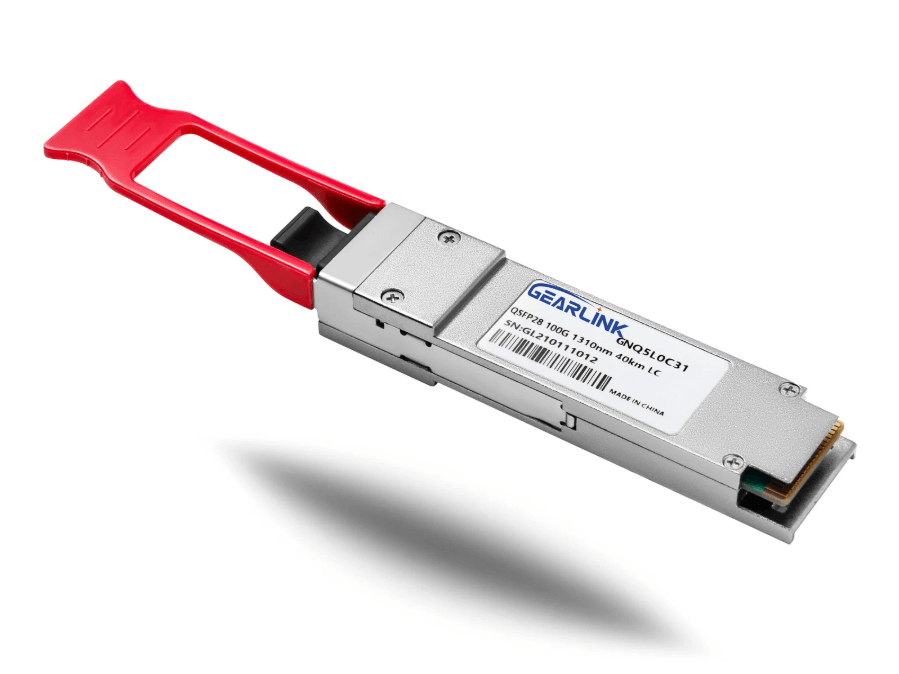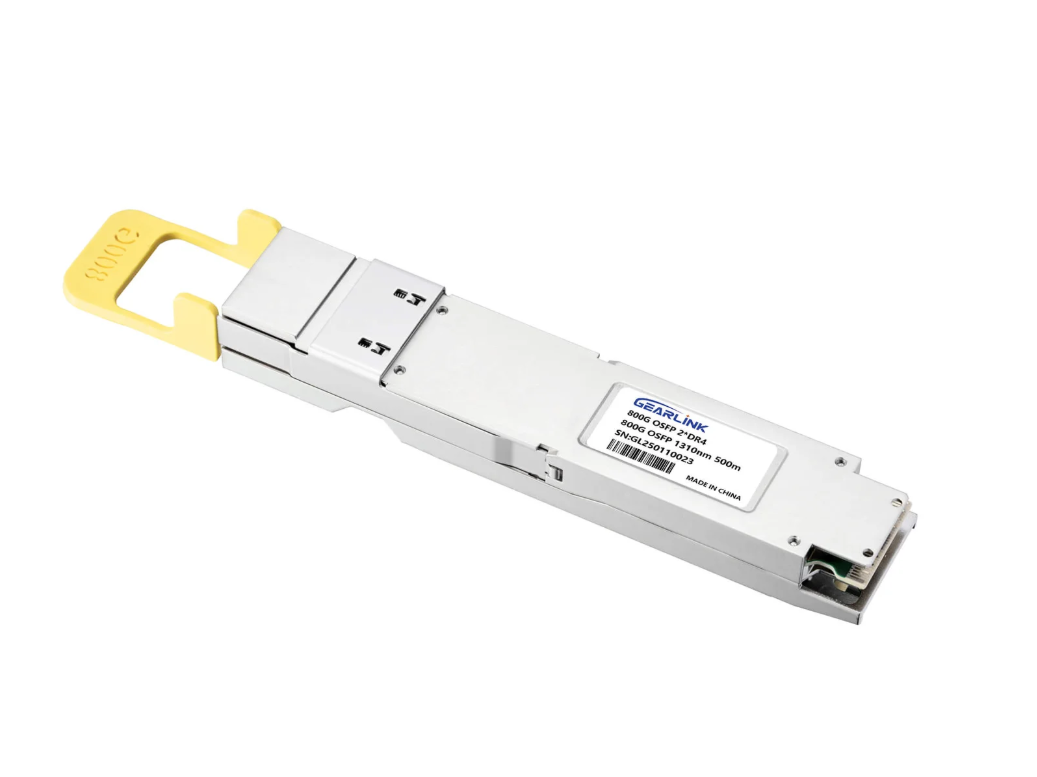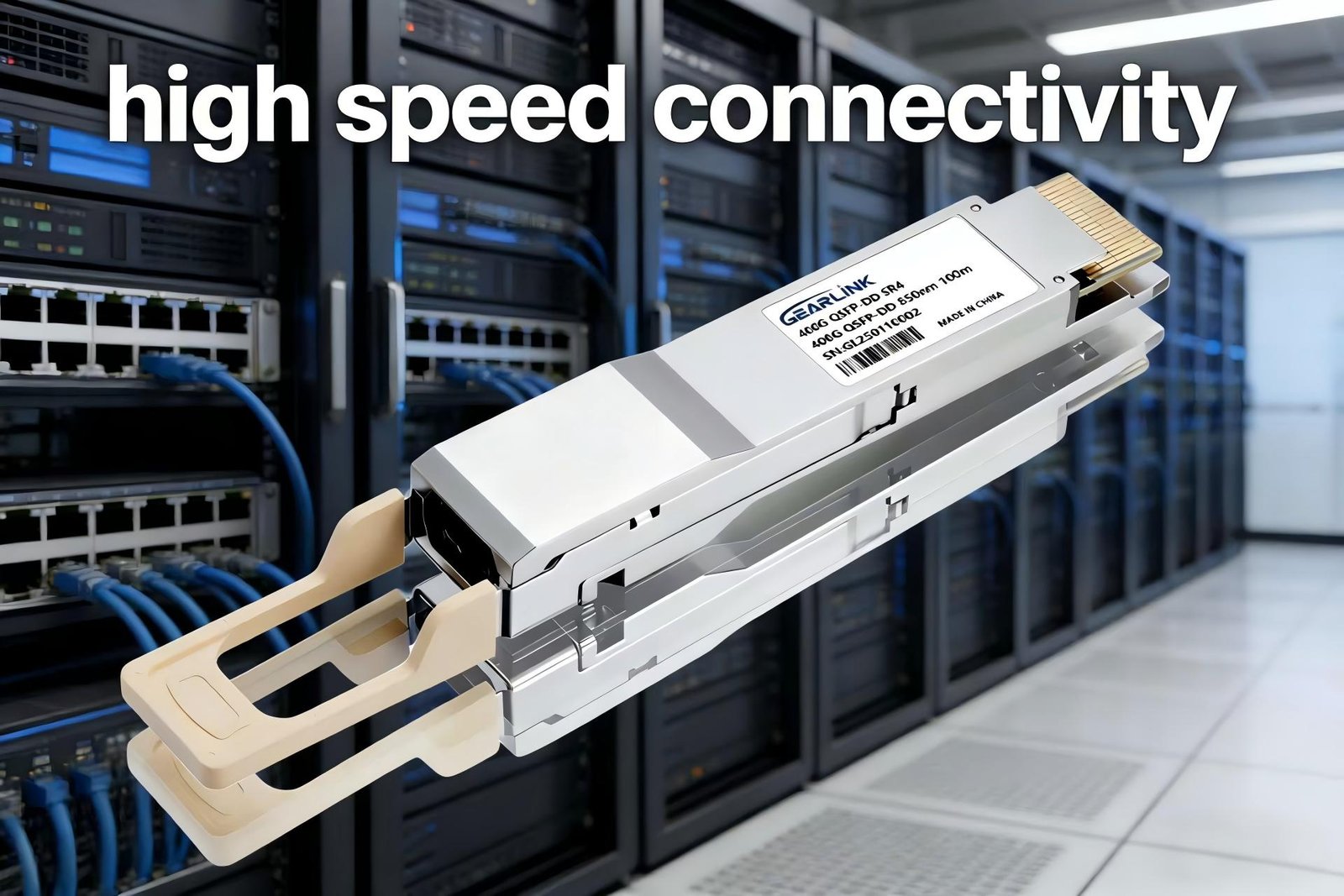
In today’s rapidly evolving data landscape, qsfp56 dd has emerged as a powerful and efficient solution for high-speed connectivity. As data centers continue to scale and bandwidth demands surge, technologies like qsfp56 dd are increasingly being adopted to deliver reliable, high-density, and cost-effective performance.
Moreover, the transition to higher data rates has been accelerated by cloud computing, AI workloads, and hyperscale infrastructure. As a result, qsfp56 dd is not only a technical upgrade—it is a strategic investment for future-ready networks.
What Is QSFP56 DD and Why It Matters
Understanding QSFP56 DD Technology
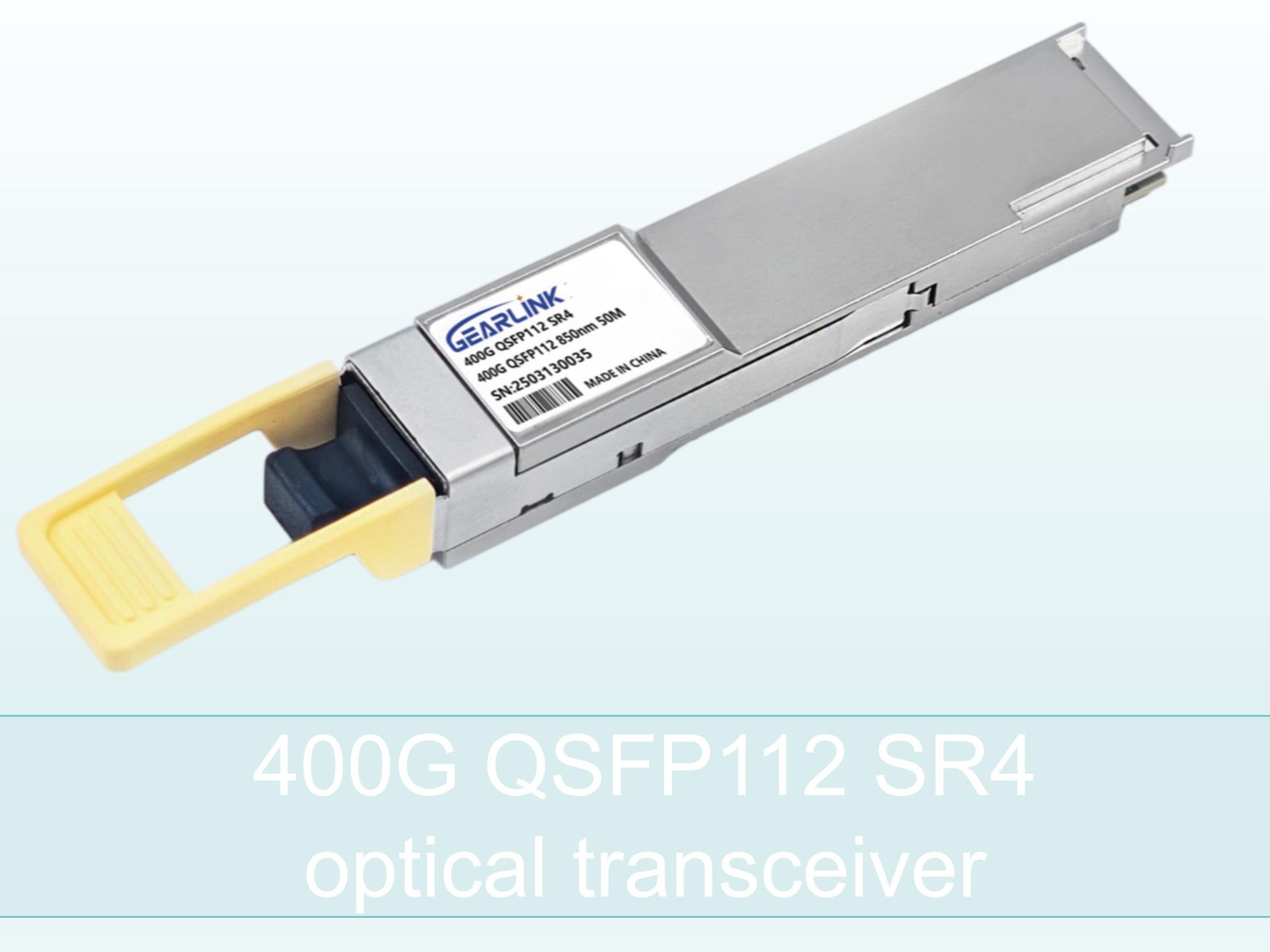
qsfp56 dd stands for Quad Small Form-factor Pluggable 56 Double Density. It is an advanced optical transceiver form factor designed to support higher bandwidth compared to traditional QSFP modules.
In simple terms:
QSFP56 refers to 50G per lane signaling
DD (Double Density) doubles the electrical interface
Total bandwidth can reach up to 400G
Because of this, qsfp56 dd modules are widely used in modern data centers and high-performance computing environments.
Why QSFP56 DD Is Important Today
First of all, network traffic is growing exponentially. Therefore, higher-speed solutions like qsfp56 dd are required to handle this demand efficiently.
Additionally:
Space efficiency is improved significantly
Power consumption is optimized
Scalability becomes easier
Consequently, qsfp56 dd is often considered a key building block for next-generation networks.
Key Features of QSFP56 DD Modules
High Bandwidth Capability
The most notable feature of qsfp56 dd is its ability to deliver up to 400Gbps data rates. This is achieved through:
8 electrical lanes
50Gbps PAM4 signaling
As a result, data transmission is faster and more efficient.
Backward Compatibility
Another advantage is that qsfp56 dd is backward compatible with:
QSFP28
QSFP+
This means existing infrastructure can still be utilized, reducing upgrade costs.
Compact Design with Higher Density
Compared to earlier modules, qsfp56 dd offers:
Twice the port density
Smaller footprint
Therefore, more ports can be deployed in the same space.
QSFP56 DD vs Other Optical Modules
Comparison Table
| Feature | QSFP28 | QSFP56 | QSFP56 DD |
| Lane Speed | 25G | 50G | 50G |
| Total Bandwidth | 100G | 200G | 400G |
| Electrical Lanes | 4 | 4 | 8 |
| Density | Standard | Medium | High |
| Power Consumption | Low | Medium | Optimized |
From the table above, it can be clearly seen that qsfp56 dd provides superior performance and scalability.
Applications of QSFP56 DD in Modern Networks
Data Centers
In hyperscale data centers, qsfp56 dd is widely deployed for:
Spine-leaf architecture
High-speed interconnects
Storage networking
Because latency is minimized, overall system performance improves significantly.
Cloud Computing
With the rise of cloud services, qsfp56 dd helps ensure:
Faster data transfer
Reliable connectivity
Efficient workload handling
Thus, cloud providers rely heavily on this technology.
AI and High-Performance Computing
AI workloads require massive data throughput. Therefore, qsfp56 dd is used to:
Connect GPUs
Enable parallel processing
Support large datasets
Types of QSFP56 DD Optical Transceivers
Common Variants
| Type | Distance | Fiber Type | Application |
| QSFP56 DD SR8 | 100m | MMF | Short-range data center |
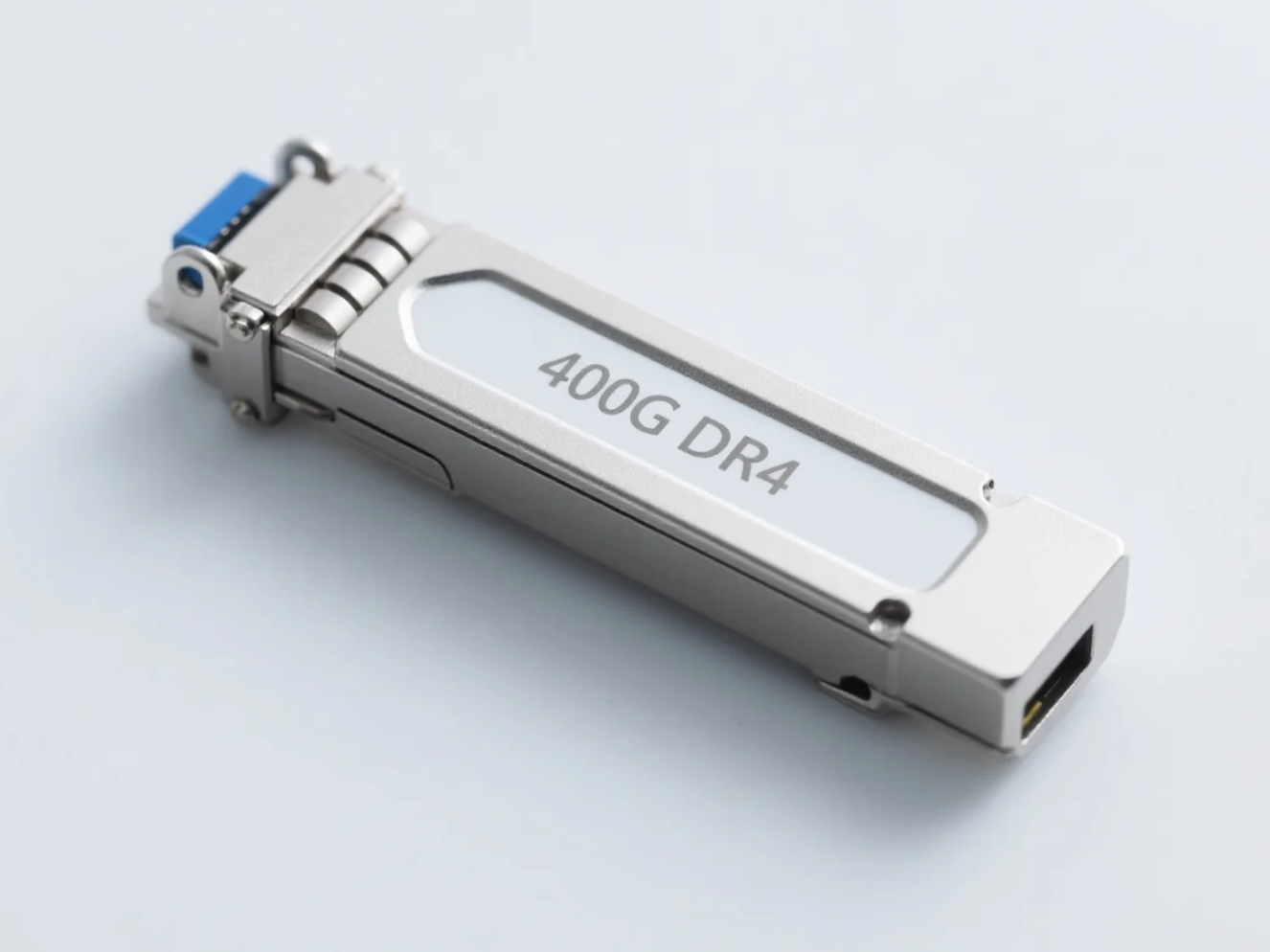
| QSFP56 DD DR4 | 500m | SMF | Medium-range connections |
| QSFP56 DD FR4 | 2km | SMF | Campus networks |
| QSFP56 DD LR4 | 10km | SMF | Long-distance links |
Each type of qsfp56 dd is designed for specific scenarios, ensuring flexibility and efficiency.
How QSFP56 DD Improves Network Efficiency
Higher Port Density
Because qsfp56 dd doubles the interface density, more ports can be installed without increasing rack space.
Lower Cost per Bit
Although initial costs may be higher, the cost per bandwidth is significantly reduced over time. Therefore, qsfp56 dd becomes more economical in large deployments.
Energy Efficiency
Power consumption is optimized in qsfp56 dd, which helps reduce operational expenses.
Deployment Considerations for QSFP56 DD
Compatibility
Before deployment, it is important to ensure that:
Switches support qsfp56 dd
Firmware is updated
Cables are compatible
Thermal Management
Since higher speeds generate more heat, proper cooling systems should be implemented.
Testing and Validation
Network performance should be tested to ensure:
Signal integrity
Stability
Reliability
Future Trends of QSFP56 DD Technology
Transition to 800G and Beyond
While qsfp56 dd supports 400G, the industry is moving toward:
800G optical modules
Higher lane speeds
However, qsfp56 dd will remain relevant for years due to its balance of cost and performance.
Integration with Emerging Technologies
qsfp56 dd is expected to integrate with:
AI-driven networks
Edge computing
5G infrastructure
Best Practices for Using QSFP56 DD
Optimize Network Design
Careful planning ensures maximum efficiency when deploying qsfp56 dd.
Choose the Right Module Type
Different applications require different variants of qsfp56 dd, so selecting the correct one is essential.
Regular Maintenance
Routine checks help maintain performance and extend the lifespan of qsfp56 dd modules.
Conclusion
In conclusion, qsfp56 dd represents a significant advancement in optical transceiver technology. It offers higher bandwidth, better efficiency, and improved scalability. As network demands continue to grow, qsfp56 dd will play a crucial role in enabling faster and more reliable data communication.
FAQs About QSFP56 DD
1. What is QSFP56 DD used for?
QSFP56 DD is used for high-speed data transmission in data centers, cloud computing, and AI networks, supporting up to 400G bandwidth.
2. How is QSFP56 DD different from QSFP28?
QSFP56 DD provides higher bandwidth (400G vs 100G) and uses more electrical lanes, making it more suitable for modern high-speed networks.
3. Is QSFP56 DD backward compatible?
Yes, QSFP56 DD is backward compatible with QSFP28 and QSFP+ interfaces, allowing flexible deployment.
4. What are the common types of QSFP56 DD modules?
Common QSFP56 DD types include SR8, DR4, FR4, and LR4, each designed for different transmission distances.
5. Why choose QSFP56 DD for data centers?
QSFP56 DD offers higher density, better efficiency, and lower cost per bit, making it ideal for large-scale data center environments.