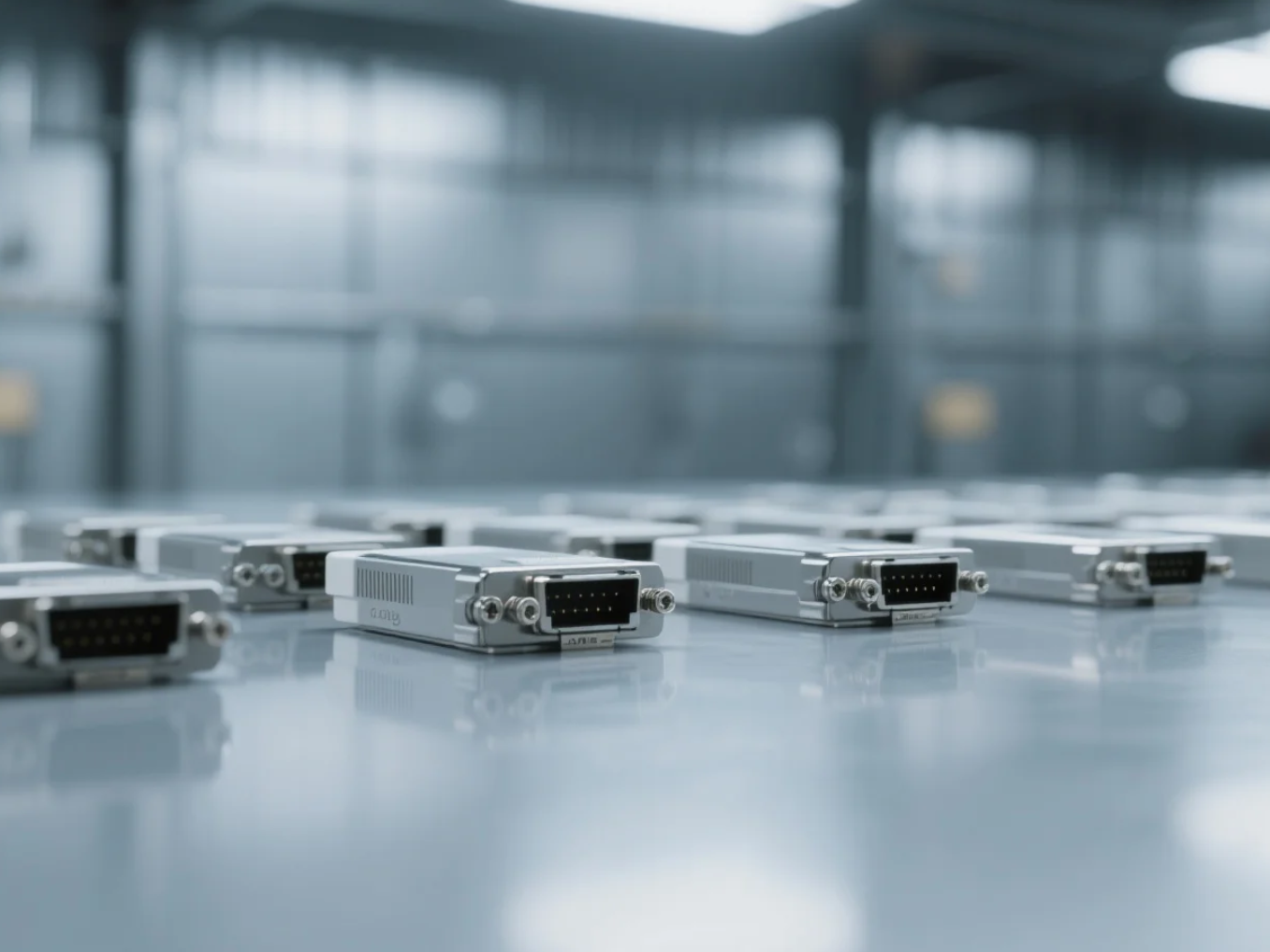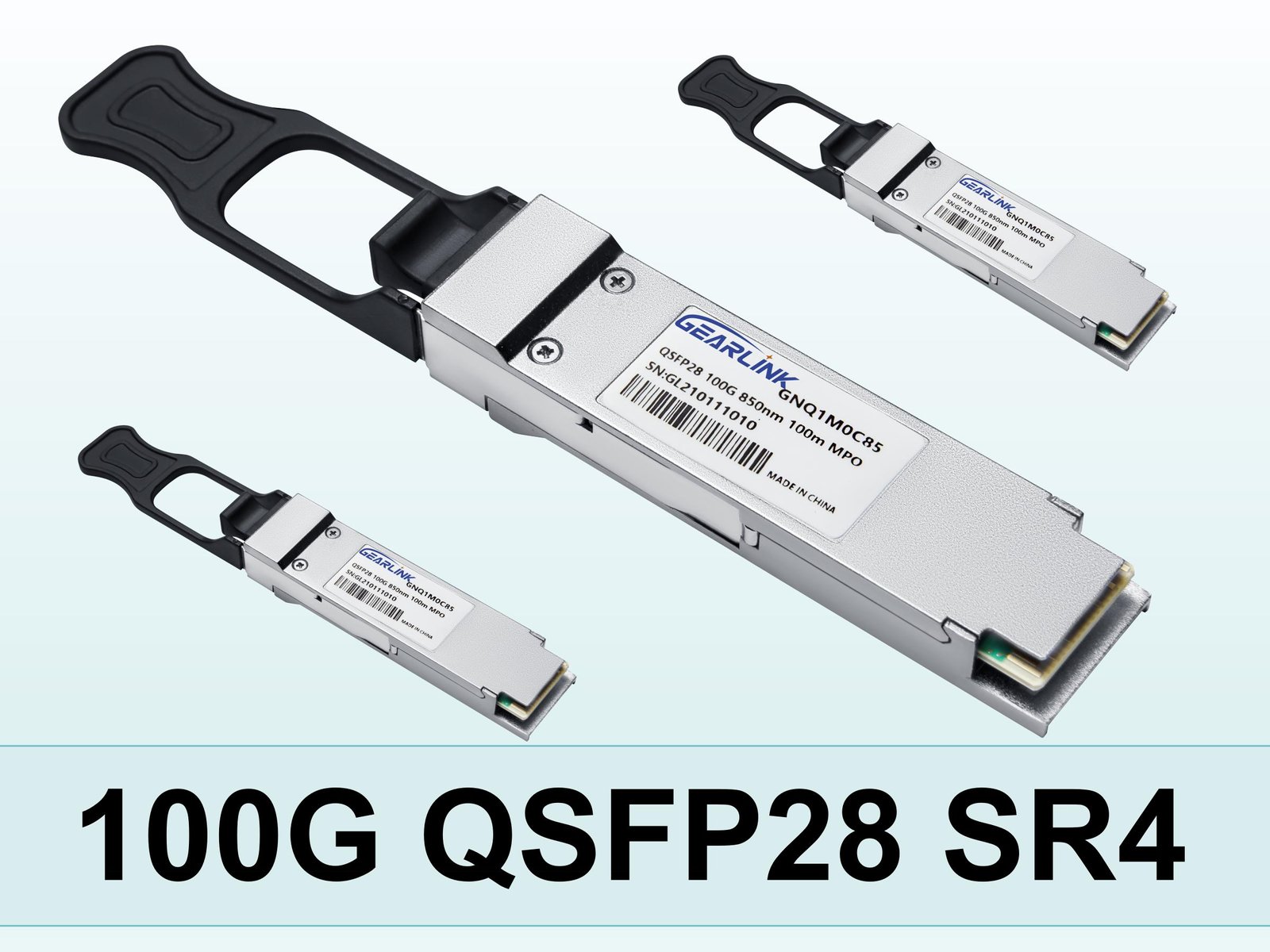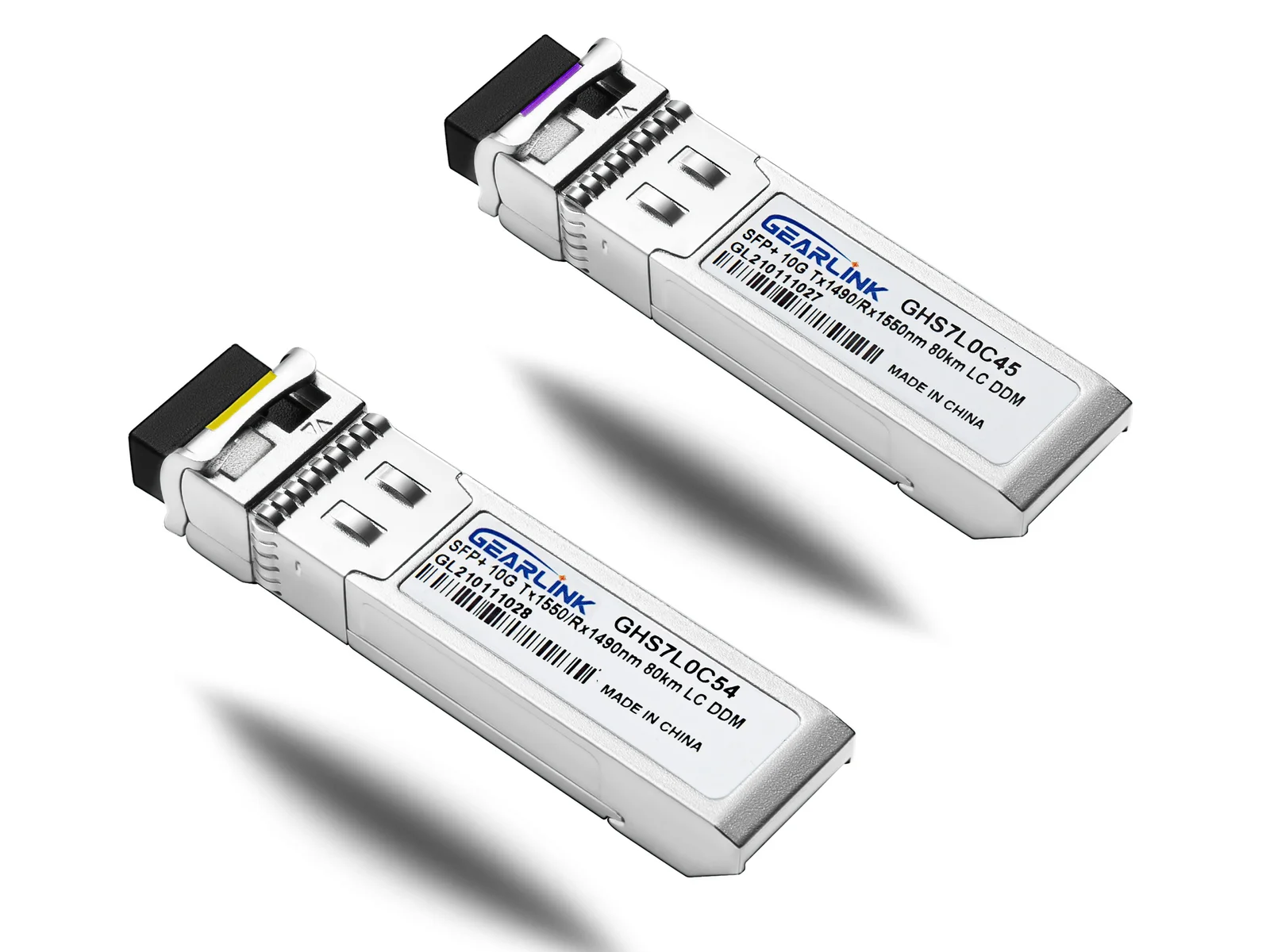
The landscape of high-speed data transmission has undergone a radical transformation over the last decade, yet certain technologies remain the bedrock of global connectivity. For many network architects and data center managers, the sfp+ transceiver for 10g fiber ports represents the perfect balance between cost-efficiency, power consumption, and high-bandwidth performance. As businesses transition from legacy Gigabit Ethernet to more robust 10GbE infrastructures, understanding the technical nuances of these modules becomes paramount. This is not merely a component choice; it is a strategic decision that affects the latency, scalability, and long-term reliability of an enterprise backbone. By examining the structural and optical standards of these transceivers, users can unlock the full potential of their switches and routers while maintaining a sustainable energy footprint.
The Technical Evolution and Architecture of 10G Interconnects

To appreciate why the sfp+ transceiver for 10g fiber ports remains a dominant force in the industry, one must first look at its mechanical and electrical heritage. The Small Form-factor Pluggable Plus (SFP+) standard was developed to provide a more compact and lower-power alternative to the bulkier XFP modules.
Component Density and Form Factor Advantages
By offloading certain functions—such as clock and data recovery—to the host motherboard, SFP+ modules achieved a significantly smaller footprint. This architectural shift allowed switch manufacturers to increase port density, effectively enabling up to 48 ports in a single rack unit. This compactness is essential for modern high-density environments where rack space is at a premium.
Signal Integrity and Electrical Interface Standards
The electrical interface of these modules is designed to handle high-frequency 10Gbps signals with minimal electromagnetic interference. By adhering to the SFF-8431 specification, the sfp+ transceiver for 10g fiber ports ensures that signal integrity remains high even in crowded server environments. This precision prevents data packet loss and maintains the low-latency communication required for real-time applications.
Performance Reliability and Optical Variations
One of the most critical factors for professional users is the thermal performance and power dissipation of their optical hardware. In modern data centers, heat is the enemy of uptime, and the SFP+ design addresses this through sophisticated engineering.
Power Efficiency and Thermal Management
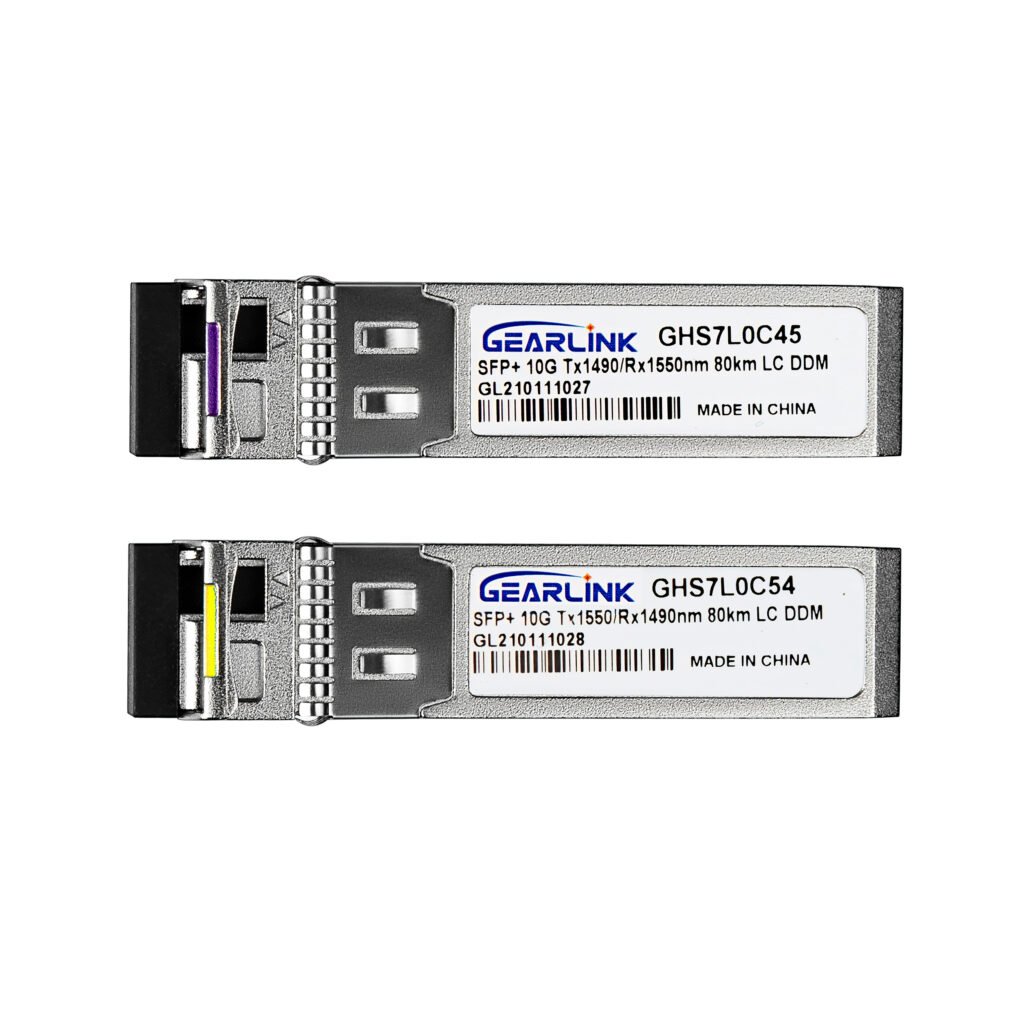
A high-quality sfp+ transceiver for 10g fiber ports is typically engineered to consume less than 1 watt of power. This low power envelope is vital because it reduces the cooling requirements for the entire switch, leading to lower operational costs. Consequently, top-tier manufacturers focus on high-efficiency laser drivers that minimize energy waste while maintaining a stable optical output even under fluctuating temperatures.
Digital Optical Monitoring (DOM) for Proactive Maintenance
The reliability of a 10G link is governed by its DOM capabilities. This feature allows network administrators to monitor the real-time health of the sfp+ transceiver for 10g fiber ports, including parameters such as laser bias current and received optical power. By analyzing these data points, engineers can proactively identify a degrading fiber link before a network outage occurs, ensuring high availability for critical services.
Strategic Deployment Across Diverse Fiber Infrastructures
As we look at the application of the sfp+ transceiver for 10g fiber ports in enterprise environments, the focus often shifts to the physical media used to carry the signal. The choice between multi-mode and single-mode fiber dictates the effective range and cost of the deployment.
Short-Range Connectivity with Multi-Mode Fiber
The 10GBASE-SR variant utilizes a VCSEL (Vertical-Cavity Surface-Emitting Laser) to transmit data over multimode fiber. When paired with OM3 or OM4 cabling, this version of the sfp+ transceiver for 10g fiber ports provides a cost-effective solution for intra-rack and inter-rack connectivity within a data center, covering distances up to 400 meters.
Long-Haul Reach and Single-Mode Dynamics
For metropolitan area networks and campus backbones, single-mode variants are indispensable. By employing powerful DFB or EML lasers, these transceivers operate at the 1310nm or 1550nm wavelengths where fiber attenuation is lowest. This allows a standard sfp+ transceiver for 10g fiber ports to reach spans of 10km, 40km, or even 80km, facilitating seamless communication between geographically dispersed facilities without the need for signal regenerators.
Compatibility and the Multi-Source Agreement (MSA)
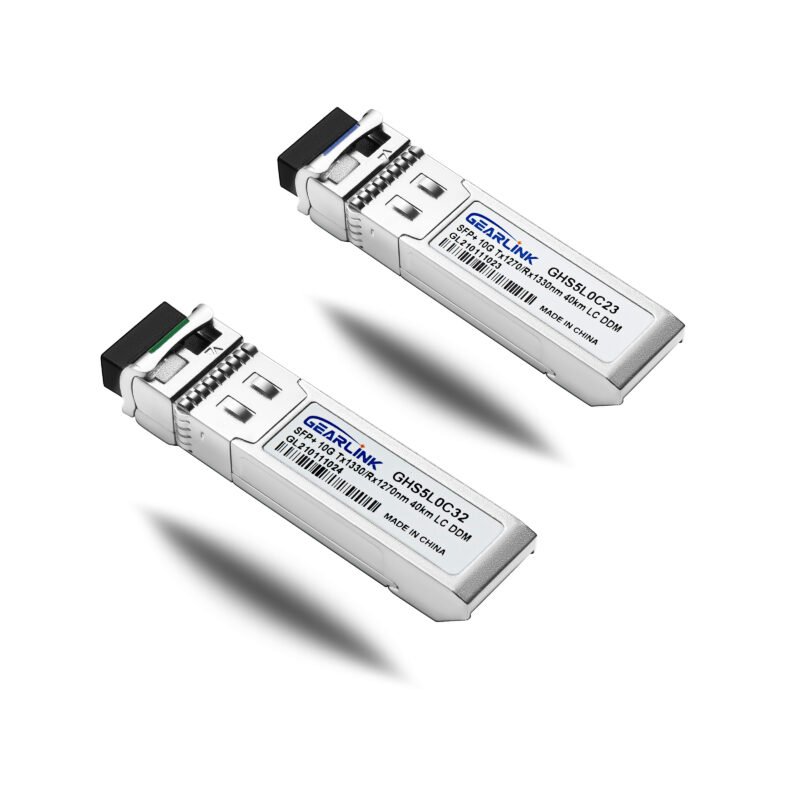
10GBASE-BX BiDi SFP+ 1270nm-TX/1330nm-RX 40km DOM Simplex LC/UPC SMF Optical Transceiver Module
NT$2610GBASE-BX BiDi SFP+ 1330nm-TX/1270nm-RX 40km DOM Simplex LC/UPC SMF Optical Transceiver Module
NT$26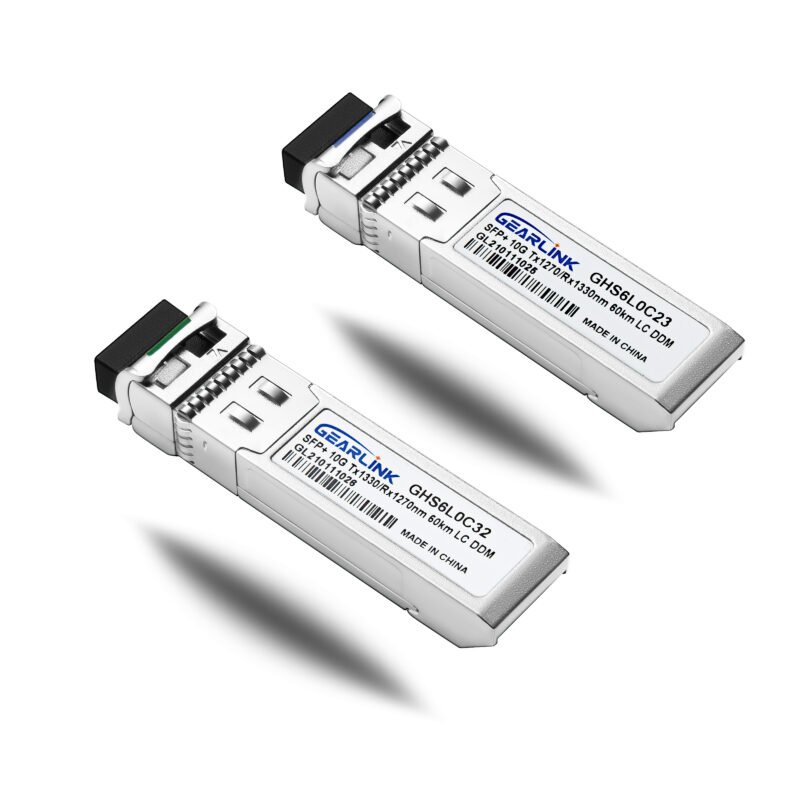
10GBASE-BX BiDi SFP+ 1330nm-TX/1270nm-RX 60km DOM Simplex LC/UPC SMF Optical Transceiver Module
NT$59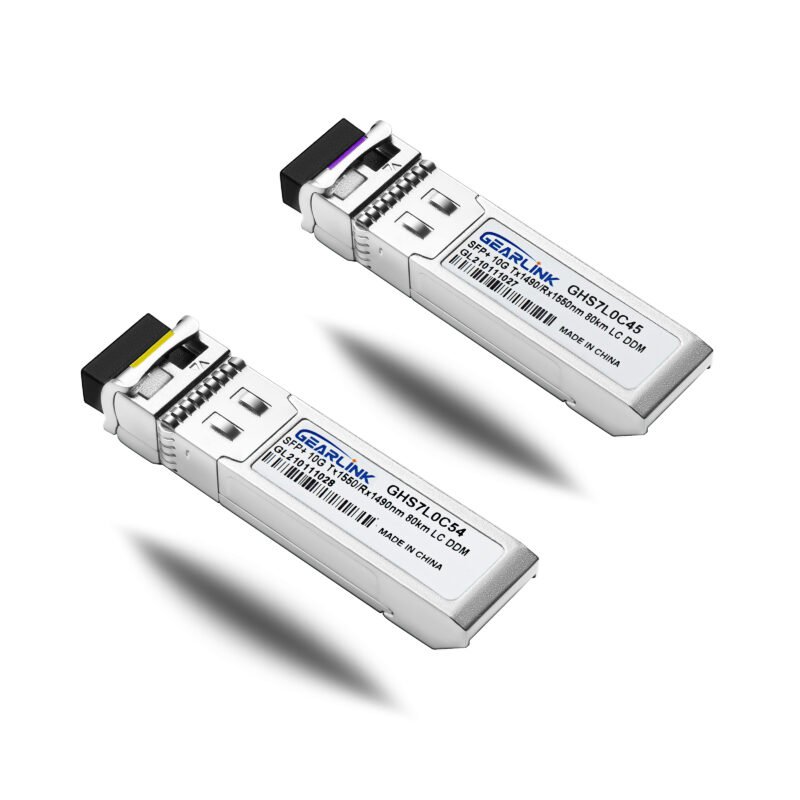
10GBASE-BX BiDi SFP+ 1490nm-TX/1550nm-RX 80km DOM Simplex LC/UPC SMF Optical Transceiver Module
NT$289
For many users, the primary concern is whether a third-party module will function in their proprietary hardware. The networking industry relies on the Multi-Source Agreement to ensure that the sfp+ transceiver for 10g fiber ports from different vendors remains physically and electrically compatible.
Avoiding Vendor Lock-in through MSA Standards
MSA standards ensure that the mechanical dimensions and signaling protocols are uniform across the industry. This flexibility allows network managers to source high-quality modules from specialist providers like Optictran, avoiding the inflated costs of “original brand” optics while maintaining the same levels of performance and reliability.
Firmware Programming for Seamless Integration
While the hardware is standardized, the software interface (EEPROM) must be correctly programmed to communicate with the host switch. A professional-grade sfp+ transceiver for 10g fiber ports undergoes rigorous compatibility testing to ensure that it is recognized by the host system’s operating system, enabling full access to DOM features and ensuring that no “unsupported transceiver” errors interrupt the deployment.
Conclusion: The Enduring Legacy of 10G Fiber Ports
It is easy to be distracted by the rise of 400G technologies, but the sfp+ transceiver for 10g fiber ports continues to play a vital role at the access layer of the network. Servers, storage arrays, and high-end workstations are perfectly served by 10Gbps throughput, which provides ample headroom for high-definition video editing and cloud-based virtualization. This “tiered” speed architecture allows organizations to allocate their budget effectively, investing in ultra-high speed for the core while maintaining 10G for the majority of user-facing ports. Ultimately, the choice to deploy high-quality transceivers is a commitment to the stability of the digital ecosystem, ensuring that your network is resilient enough to handle the data demands of tomorrow.
Frequently Asked Questions (FAQ)
Q1: Can I use an SFP+ module in a standard 1G SFP port?
A: Generally, no. While the physical size is identical, an SFP port is designed for 1Gbps, and it cannot handle the 10Gbps electrical signaling of an sfp+ transceiver for 10g fiber ports.
Q2: What is the maximum distance for a 10G SFP+ link?
A: The distance depends on the module type. SR (Short Reach) goes up to 400m on OM4 fiber, while ZR models can reach up to 80km over single-mode fiber.
Q3: Does the sfp+ transceiver for 10g fiber ports support hot-swapping?
A: Yes, one of the primary features of the SFP+ standard is that it is hot-pluggable, allowing for maintenance without powering down the equipment.
Q4: Why is my switch not recognizing the 10G SFP+ transceiver?
A: This is usually due to a firmware compatibility issue. Ensure your sfp+ transceiver for 10g fiber ports is specifically coded for your switch brand to ensure seamless recognition.