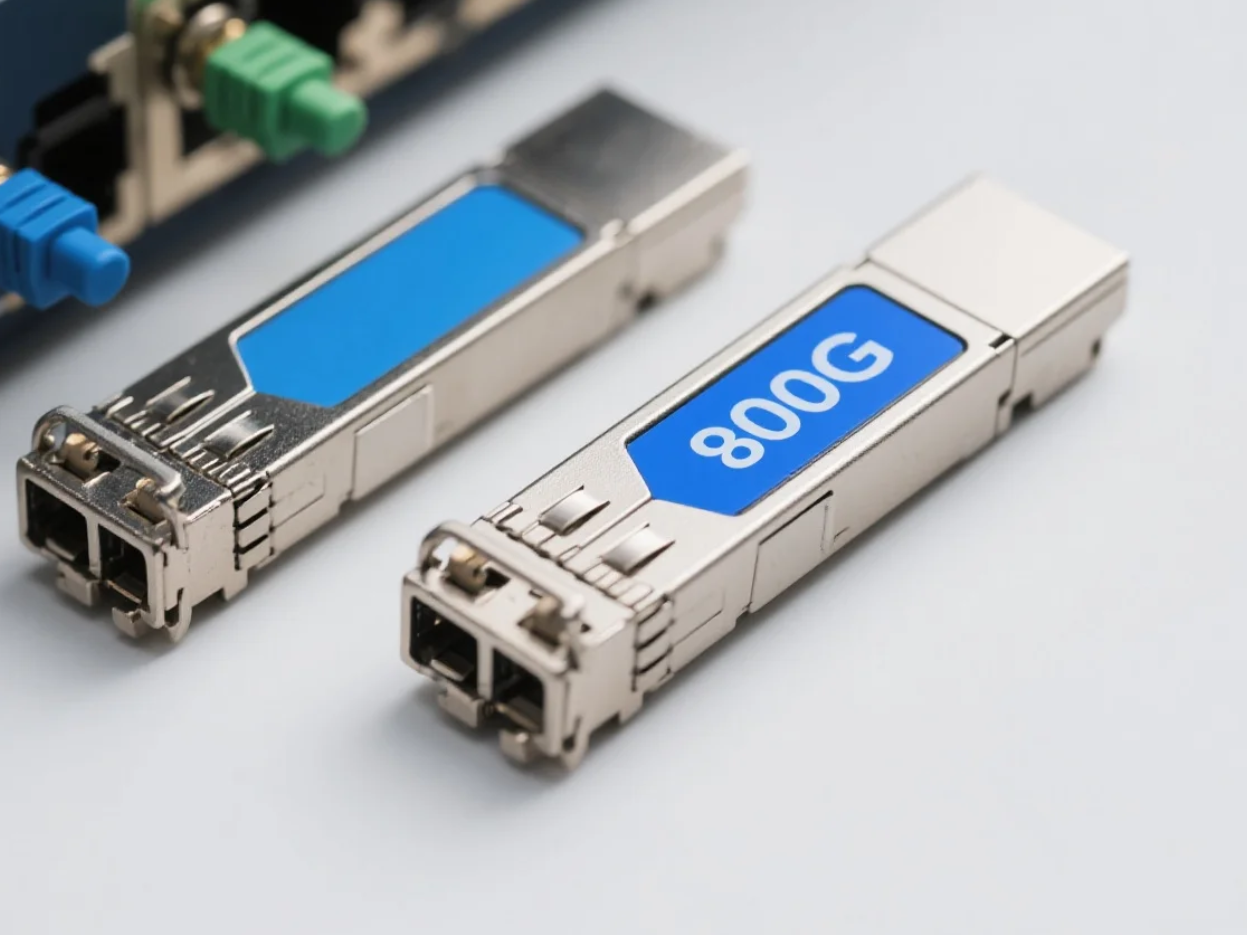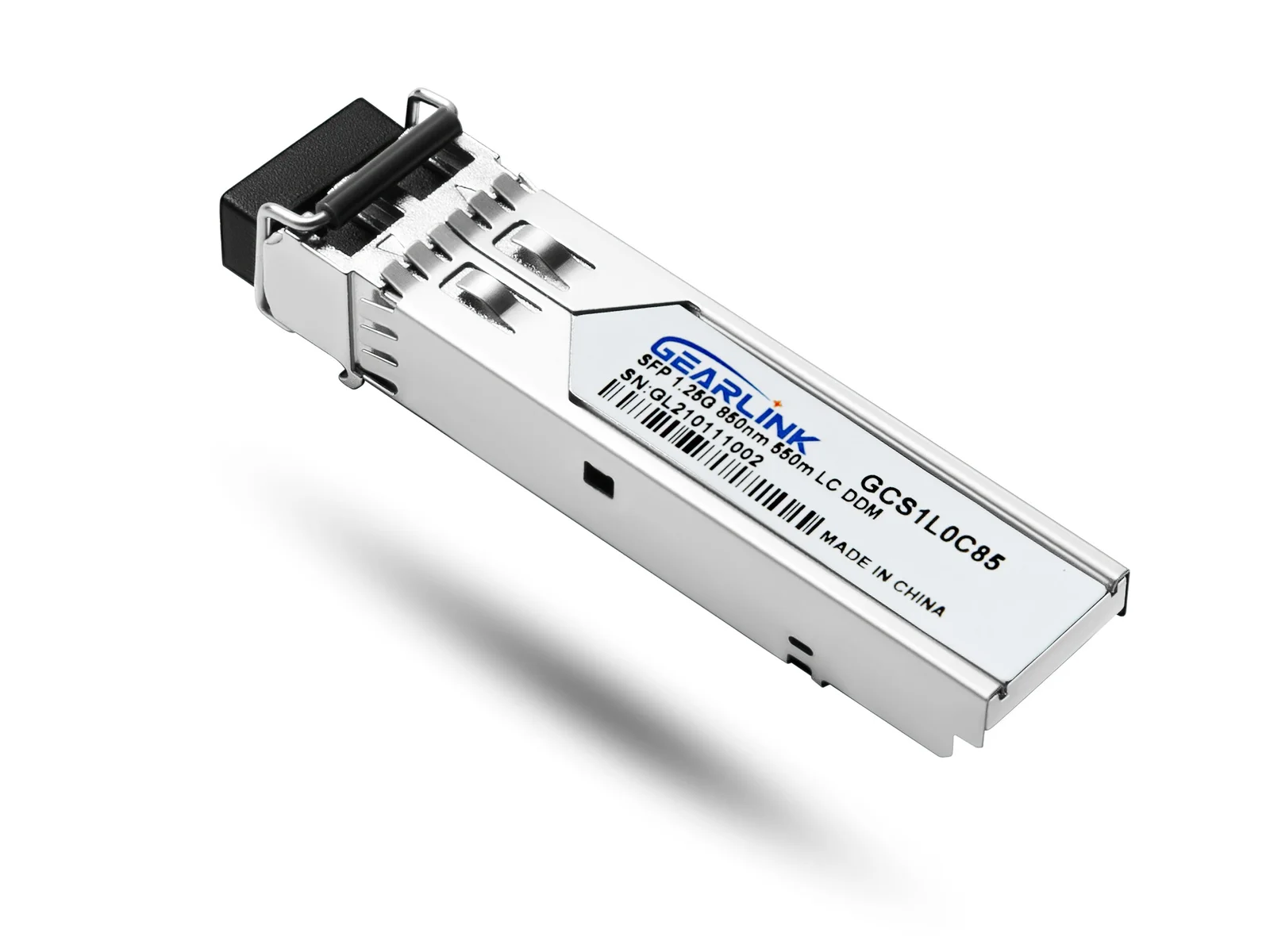
In an era dominated by discussions of 400G and 800G ultra-high-speed interconnects, one might assume that legacy speeds have faded into obsolescence. However, for the majority of enterprise access layers and industrial automation networks, the 1.25g optical transceiver module remains an indispensable pillar of connectivity. This technology, commonly referred to as Gigabit SFP, provides the essential bridge between copper-based local area networks and the expansive reach of fiber optics. For network engineers and IT professionals, the choice of a transceiver is a strategic decision involving power efficiency and thermal stability. By examining the enduring relevance of the 1.25g optical transceiver module, users can better understand how to maintain a resilient infrastructure that balances performance with economic reality.
The Technical Architecture and Multi-Source Agreement Standards
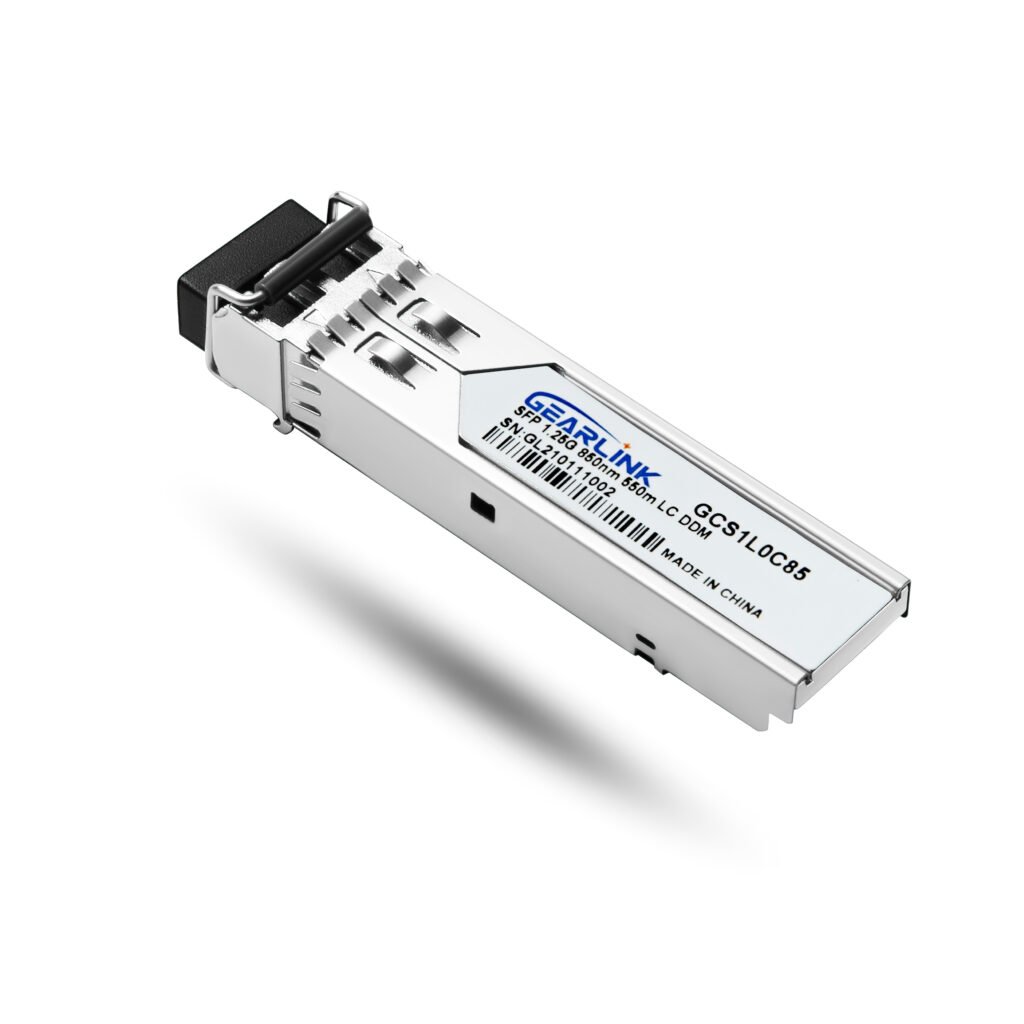
To understand the reliability of the 1.25g optical transceiver module, it is necessary to look at the standardization that governs its manufacturing. These modules are built according to the SFP Multi-Source Agreement (MSA), which ensures hardware compatibility across various switch platforms. Because the MSA dictates exact dimensions and signaling protocols, a high-quality module from Optictran can function seamlessly in equipment from diverse vendors.
Component Integration and Industrial Durability
The internal circuitry of a professional-grade 1.25g optical transceiver module is designed to handle a wide range of environmental conditions. While commercial-grade modules operate in climate-controlled data centers, industrial-grade variants are engineered to withstand extreme temperatures ranging from -40°C to 85°C. By utilizing advanced laser drivers and integrated optical sub-assemblies, these modules maintain signal integrity over thousands of hours of operation.
Signal Modulation and Laser Reliability
Furthermore, the precision of signal modulation within the module determines the Bit Error Rate (BER) of the entire link. High-tier manufacturers focus on stable laser output to ensure that data packets are transmitted without corruption even over long-distance spans. This technical maturity ensures that the 1.25g optical transceiver module remains the go-to choice for mission-critical industrial sectors where downtime is not an option.
Optical Wavelengths and Distance Optimization Strategies
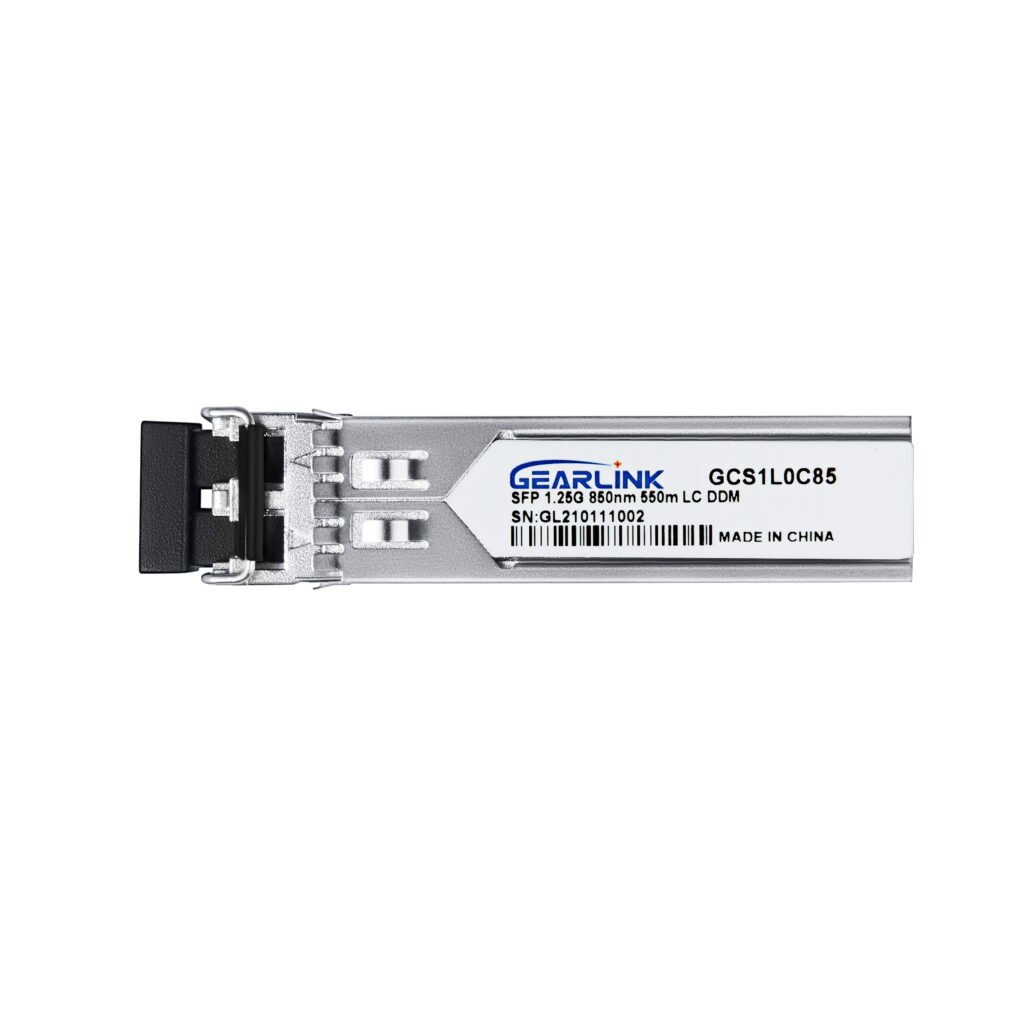
The versatility of the 1.25g optical transceiver module is evident in its ability to support various transmission distances through different optical wavelengths. For short-range connectivity within a building, the 1000BASE-SX standard utilizes 850nm VCSEL lasers to transmit data over multimode fiber. This configuration is highly cost-effective and provides sufficient bandwidth for standard office operations.
Short-Haul Networking via Multimode Fiber
When utilizing OM3 or OM4 multimode cables, the 1.25g optical transceiver module provides a stable 550-meter link, which covers the majority of horizontal cabling needs in modern commercial architecture. This wavelength is particularly efficient in terms of power consumption, making it the standard for rack-to-rack connections in local server rooms.
Long-Distance Bridging with Single-Mode Fiber
When distances exceed the limits of multimode fiber, the 1310nm and 1550nm variants of the 1.25g optical transceiver module become necessary. These single-mode modules can reach distances of 10km to 80km without signal amplification. This scalability allows network architects to use the same switch hardware for both local and remote connections simply by matching the transceiver to the required fiber type.
Real-Time Monitoring and Intelligent Network Management
A critical feature that professional users must prioritize is Digital Optical Monitoring (DOM). A modern 1.25g optical transceiver module equipped with DOM allows the network administrator to monitor real-time parameters such as optical output power, input power, and temperature.
Proactive Troubleshooting through DOM Data
This transparency is vital for troubleshooting fiber link issues before they result in a total outage. By analyzing the “optical budget”—the difference between the transmitted power and receiver sensitivity—engineers can identify a degrading fiber path or a dirty connector. This predictive maintenance is what separates professional-grade networking from consumer-level hardware.
Energy Efficiency and Thermal Management
As global energy costs rise, the low power consumption of the 1.25g optical transceiver module has become a major advantage. While high-speed modules require significant power to manage heat, a Gigabit SFP typically consumes less than 1 watt. This leads to lower heat dissipation, which extends the lifespan of the host switch and reduces the burden on the facility’s cooling system.
Practical Applications in Industrial and Enterprise Sectors
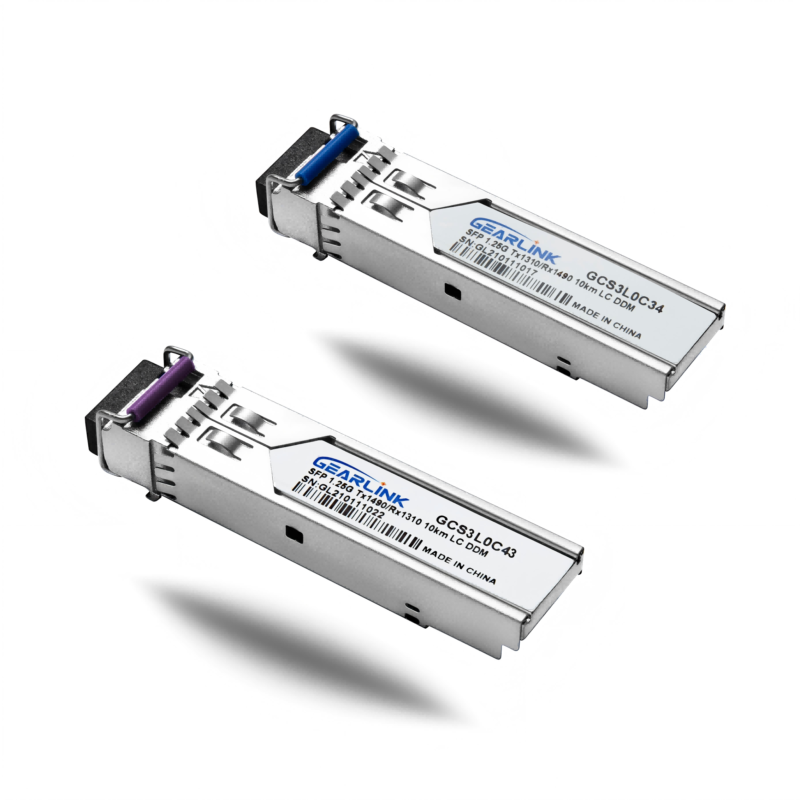
1000BASE-BX SFP BiDi 1310nm-TX/1490nm-RX 10km DOM Simplex LC/UPC SMF Optical Transceiver Module
NT$6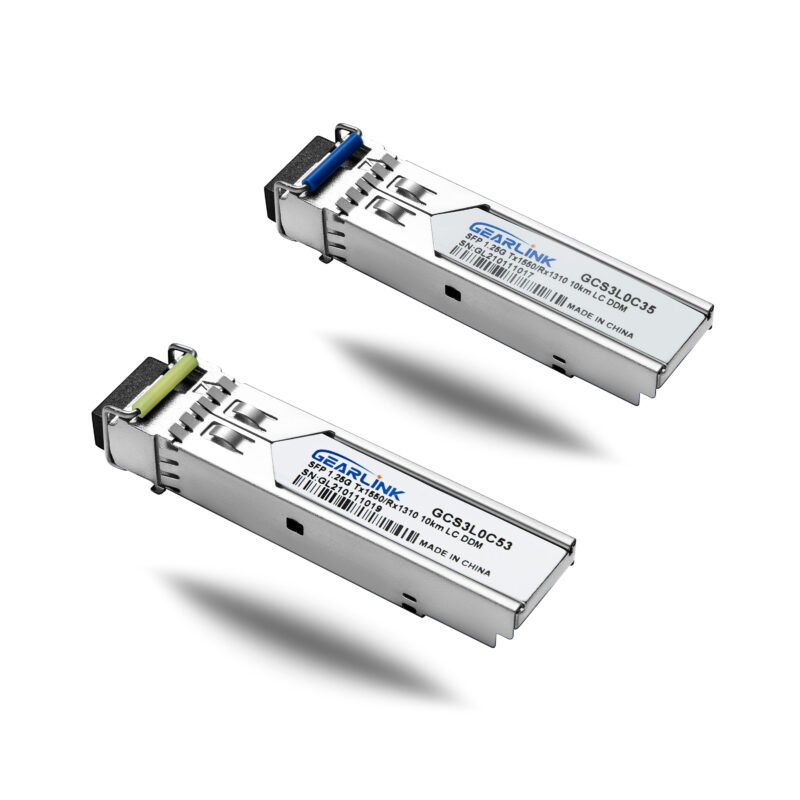
1000BASE-BX SFP BiDi 1310nm-TX/1550nm-RX 10km DOM
Price range: NT$0 through NT$61000BASE-BX SFP BiDi 1310nm-TX/1550nm-RX 10km DOM Simplex LC/UPC SMF Optical Transceiver Module
NT$6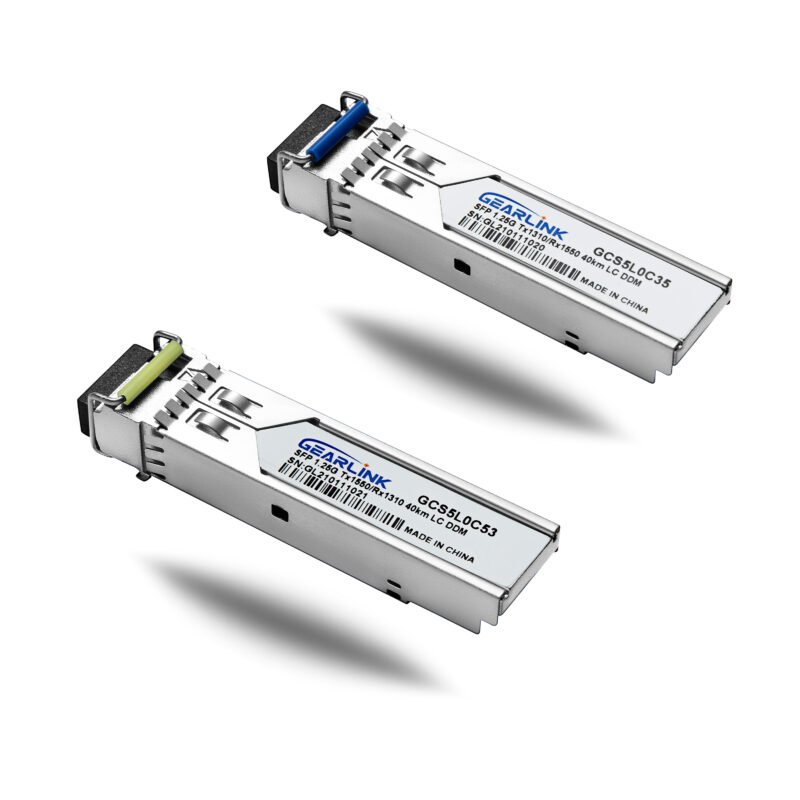
1000BASE-BX SFP BiDi 1310nm-TX/1550nm-RX 40km DOM Simplex LC/UPC SMF Optical Transceiver Module
NT$13
Beyond the server room, the 1.25g optical transceiver module finds extensive use in specialized sectors like IP surveillance and Industrial Ethernet. In a modern smart city, thousands of high-definition cameras are linked back to monitoring stations via fiber optics. The Gigabit speed provided by these modules is perfectly suited for high-bitrate video streams, ensuring that security footage is transmitted without frame loss.
Vendor Neutrality and Deployment Flexibility
One of the most frequent challenges faced by users is vendor locking. An elite 1.25g optical transceiver module is designed with customized EEPROM programming that can match the “handshake” requirements of any host device. This allows organizations to break free from the inflated pricing of “original” brand optics while maintaining high performance. Choosing a vendor-neutral partner like Optictran ensures that the hardware is compatible with the diverse ecosystem of modern IT infrastructure.
Backward Compatibility and Migration Paths
Finally, the transition to 10G and beyond is often a gradual process. Many switches feature dual-speed ports that can accept either a 10G module or a 1.25g optical transceiver module. This allows businesses to upgrade their core switches while continuing to use existing Gigabit edge devices, providing a smooth migration path that respects budget constraints. By maintaining a stock of reliable 1.25G modules, IT departments can respond quickly to expansion needs without a full-scale network overhaul.
Frequently Asked Questions (FAQ)
Q1: Can a 1.25G optical transceiver module work in a 10G SFP+ port?
A: In most cases, yes. Many 10G SFP+ ports are backward compatible. However, you must manually set the port speed to 1000Mbps, as auto-negotiation may not always detect the lower speed correctly.
Q2: What is the difference between SX, LX, and EX modules?
A: These refer to distance. SX uses 850nm for short-range (up to 550m). LX uses 1310nm for medium range (up to 10-20km). EX and ZX use 1550nm for long distances (up to 80km+).
Q3: Is a 1.25G optical transceiver module hot-swappable?
A: Yes, the SFP form factor is hot-pluggable. You can insert or remove the module without powering down the switch, though the link on that specific port will go down during the swap.
Q4: Does every 1.25G module support DOM?
A: Not all, but most professional modules from Optictran include DOM as a standard feature. It is essential for monitoring the health of your optical link.