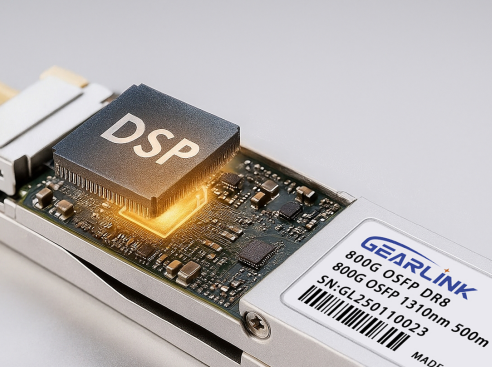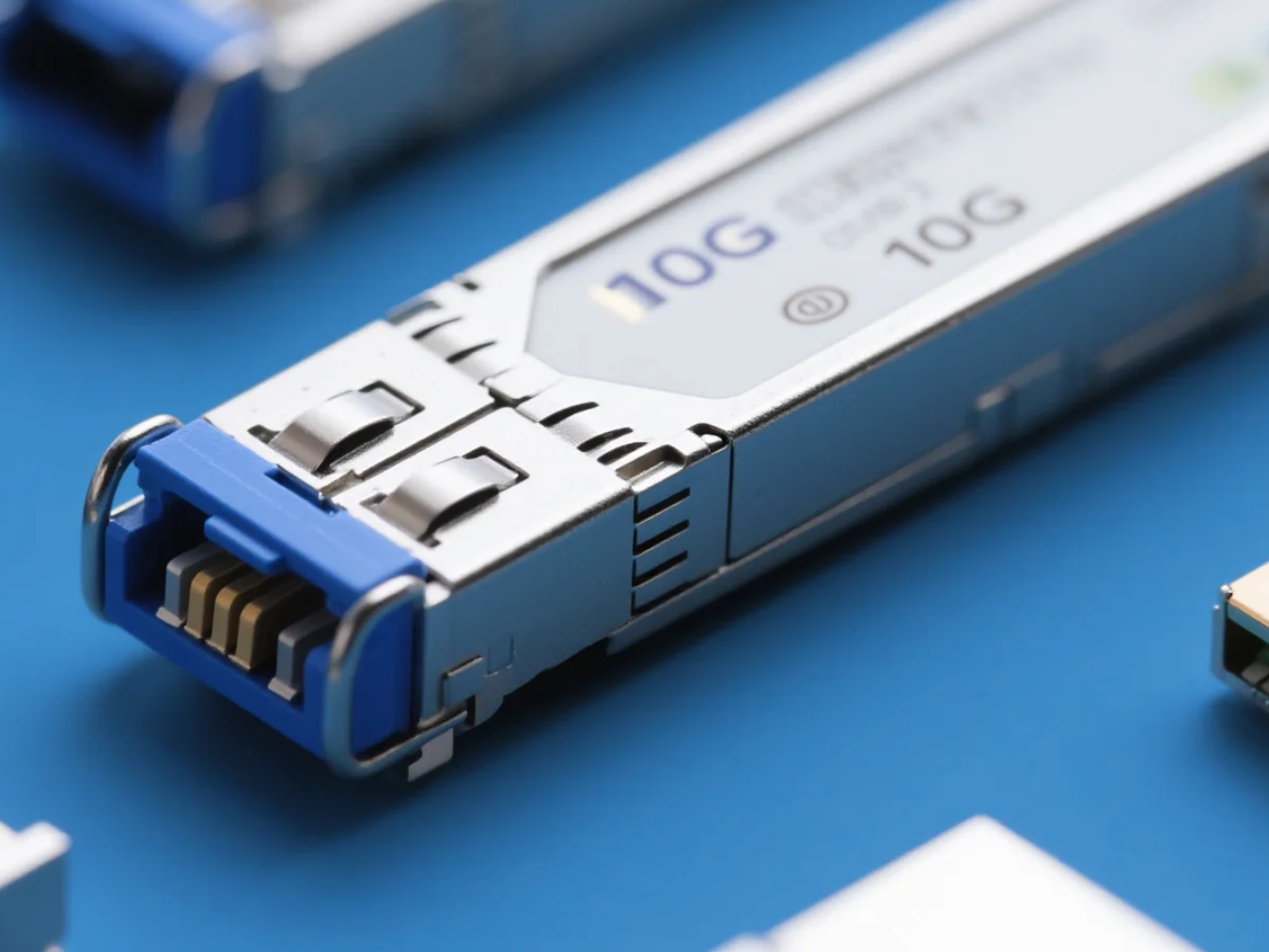
In the current era of hyper-connectivity and massive data throughput, network architects and IT procurement specialists frequently evaluate the longevity of their hardware investments. Amidst the hype surrounding 400G and 800G transitions, many wonder if the 10g sfp module continues to hold its ground as a critical component in enterprise and data center environments. To understand its enduring relevance, we must look at the balance it strikes between power efficiency, physical footprint, and cost-effectiveness. As we move through 2026, this specific transceiver remains a workhorse for edge computing, high-speed storage area networks, and enterprise-level switching. Its ability to provide 10 Gigabits of throughput over a variety of fiber types makes it a versatile solution for both short-range server connections and long-haul telecommunications. By examining the underlying technology and the specific requirements of modern fiber optics, we can appreciate why this module is not just a legacy tool, but a future-ready asset for diverse networking infrastructures.
The Technical Architecture of the SFP+ Form Factor
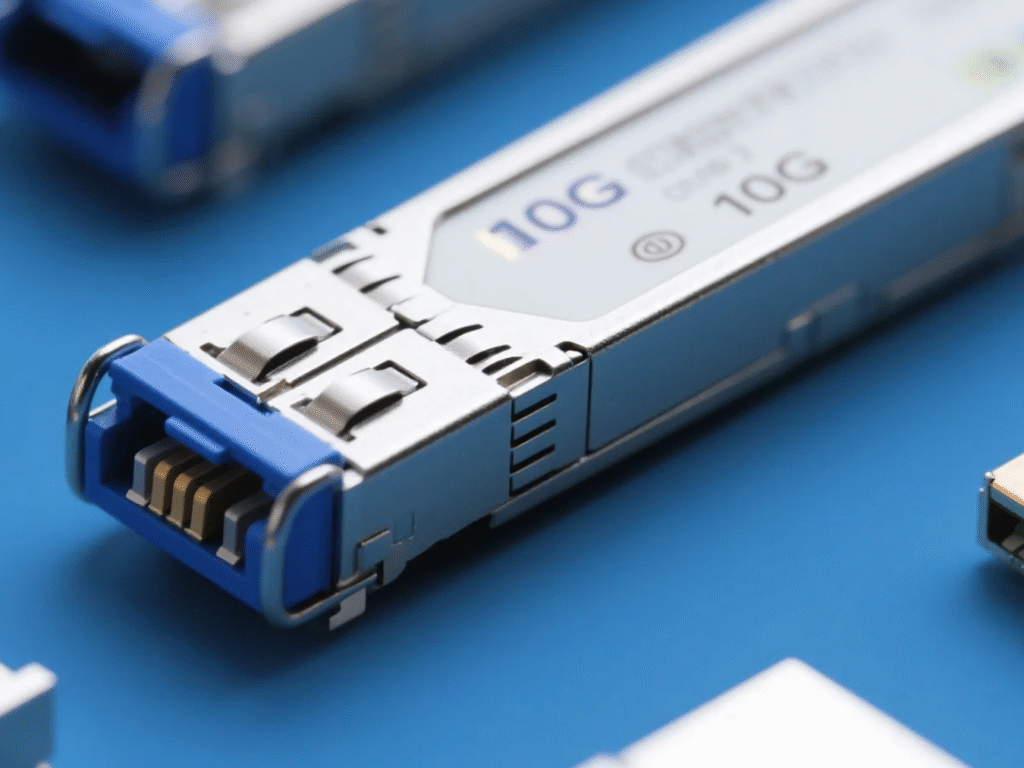
The mechanical and electrical design of the 10g sfp module represents a significant evolution from the original Small Form-factor Pluggable standard. By removing the bulky internal Clock and Data Recovery circuits and placing those functions onto the host switch, engineers managed to maintain a compact size while increasing speed tenfold. This architectural shift allowed for a massive increase in port density, which is a primary requirement for modern high-density data centers.
Understanding TOSA and ROSA Components
At the heart of every transceiver lies the Transmitter Optical Sub-Assembly (TOSA) and the Receiver Optical Sub-Assembly (ROSA). The TOSA is responsible for converting electrical signals from the switch into optical pulses using specialized lasers, such as Vertical-Cavity Surface-Emitting Lasers (VCSEL) for short distances or Distributed Feedback (DFB) lasers for longer reaches. Conversely, the ROSA captures the incoming light pulses and converts them back into electrical data for the processor. The precision of these components determines the reliability of the link, especially when operating at the high frequencies required for 10 Gbps transmission. This complex interaction of light and electricity is what allows OpticTran products to maintain such low bit-error rates over extended periods of operation.
Electrical Interfaces and Signal Integrity
Beyond the optics, the electrical interface follows the SFF-8431 specification, which defines the high-speed differential signals used by the host system. Maintaining signal integrity at 10 Gbps is a challenge because high-frequency signals are prone to electromagnetic interference and attenuation. Consequently, the design of the PCB inside the 10g sfp module must be meticulously engineered to minimize impedance mismatches. Professional manufacturers utilize advanced gold-plating techniques on the contact pins and high-quality shielding to ensure that the data remains clean even in environments with high electrical noise, such as industrial automation floors or power substations.
Exploring Transmission Ranges and Fiber Compatibility
One of the most compelling reasons for the continued dominance of this technology is the wide array of optical standards it supports. Depending on the laser wavelength and the type of fiber optic cable used, the 10g sfp module can bridge gaps ranging from a few meters to several dozen kilometers.
Short-Range Multimode Solutions (10GBASE-SR)
For connections within a single rack or across a data center hall, the SR variant is the most common choice. Operating at a wavelength of 850nm, this module utilizes multimode fiber (OM3 or OM4) to transmit data up to 300 or 400 meters. The primary advantage of this setup is cost, as both the transceiver lasers and the multimode cabling are significantly less expensive than their single-mode counterparts. Many enterprise users find that the SR version provides the perfect balance of performance and budget for internal server-to-switch links, making it the most widely deployed iteration of the 10G standard today.
Long-Haul Single-Mode Performance (LR and ER)
When the distance exceeds the capabilities of multimode fiber, network designers turn to single-mode solutions like 10GBASE-LR and 10GBASE-ER. The LR version typically uses a 1310nm laser to reach up to 10 kilometers, which is ideal for campus-wide backbones or metropolitan area networks. For even greater distances, the ER and ZR variants utilize the 1550nm wavelength, allowing for transmission reaches of 40km or even 80km. Achieving these distances requires a deep understanding of the “optical link budget,” which accounts for signal loss at every connector and splice. In these long-haul scenarios, the stability of the 10g sfp module is paramount, as even a minor fluctuation in laser power can result in a total link failure over such vast distances.
The Critical Role of Compatibility and MSA Standards
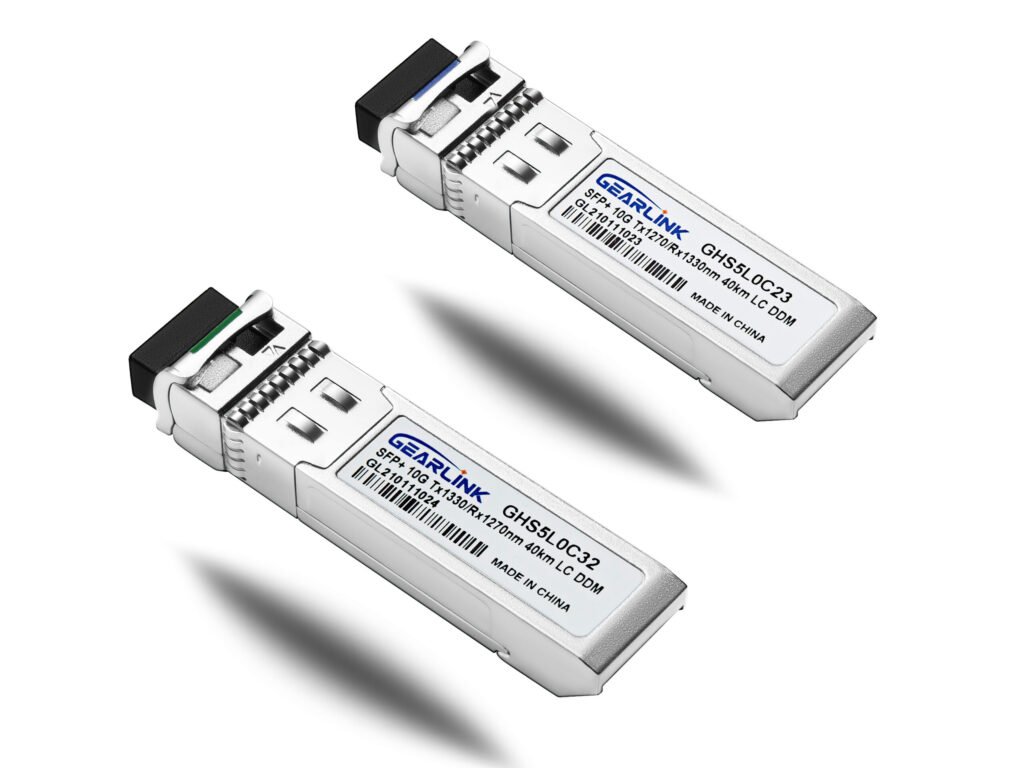
In the early days of fiber optics, proprietary “vendor locks” prevented users from mixing different brands of hardware. However, the industry has largely transitioned to the Multi-Source Agreement (MSA), which ensures that the 10g sfp module from one manufacturer will physically fit and electrically function in a switch from another.
Bypassing Vendor Locks with Intelligent Coding
Despite the MSA standards, many switch manufacturers still use software “fingerprints” to detect third-party modules. To solve this, OpticTran utilizes high-quality EEPROM chips that can be programmed with specific vendor codes. This allows the transceiver to “handshake” with the switch successfully, appearing as an original brand-name component. This flexibility is vital for IT managers who want to avoid the high markups of original equipment manufacturers while still ensuring their network remains fully functional and supported by the switch’s operating system.
Digital Diagnostics Monitoring (DDM/DOM)
Another essential feature of the modern 10g sfp module is Digital Diagnostics Monitoring. This technology provides real-time visibility into the health of the optical link, tracking parameters such as temperature, supply voltage, laser bias current, and transmitted/received optical power. By monitoring these metrics, network engineers can predict potential failures before they occur. For example, a sudden drop in received optical power might indicate a dirty fiber connector or a degrading cable, allowing for proactive maintenance that prevents unplanned downtime. This level of transparency is a necessity for mission-critical networks where every second of availability counts.
Industrial Applications and Thermal Management
The deployment of 10G technology has expanded far beyond the temperature-controlled environment of the corporate server room. Today, these modules are found in outdoor 5G base stations, smart grid sensors, and industrial manufacturing plants where environmental conditions are far more harsh.
Ruggedized Modules for Extreme Environments
Standard transceivers are typically rated for commercial temperatures (0°C to 70°C), but industrial-grade versions of the 10g sfp module can operate from -40°C to 85°C. These ruggedized units feature internal components that are tested to withstand extreme thermal cycles without losing signal integrity. For a mechanical manufacturing facility, this means that fiber optic links can be run directly to the factory floor, providing high-speed data for robotic arms and automated assembly lines without the risk of heat-induced failure.
Heat Dissipation in High-Density Switches
Even in a traditional data center, heat remains a significant challenge. A 48-port switch filled with 10G transceivers generates a substantial amount of thermal energy. Consequently, the design of the 10g sfp module must prioritize low power consumption. Modern SFP+ designs typically consume less than 1.5 Watts per module, which reduces the overall cooling load on the facility. Professional installers always ensure that the switch has adequate airflow and that the modules are seated correctly to facilitate efficient heat transfer to the switch’s internal cooling system. This focus on thermal management is what allows 10G networks to run reliably for many years without degradation.
Future-Proofing with Wavelength Division Multiplexing (WDM)
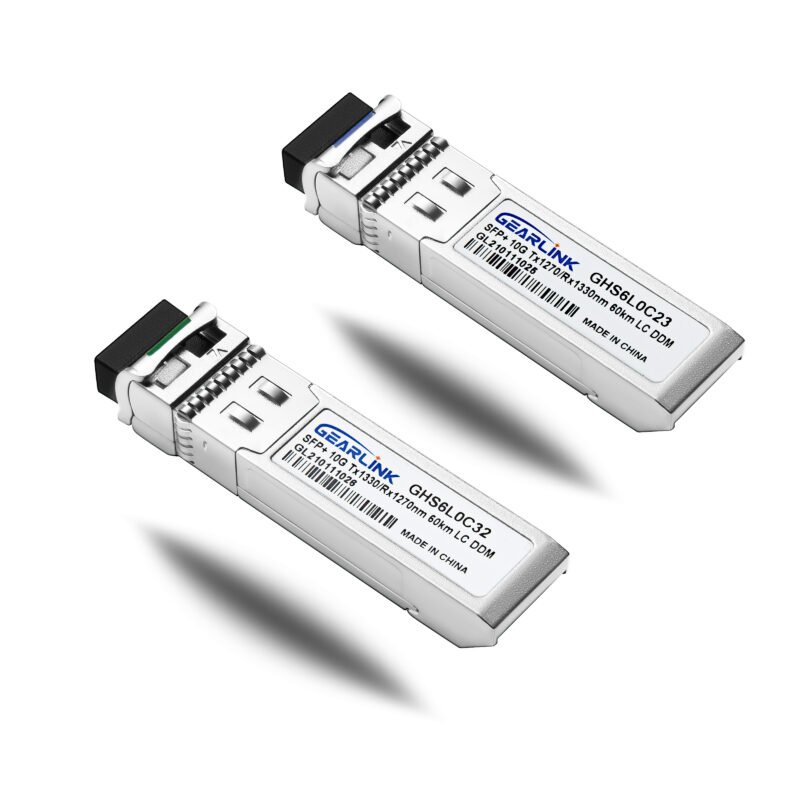
10GBASE-BX BiDi SFP+ 1270nm-TX/1330nm-RX 60km DOM Simplex LC/UPC SMF Optical Transceiver Module
NT$59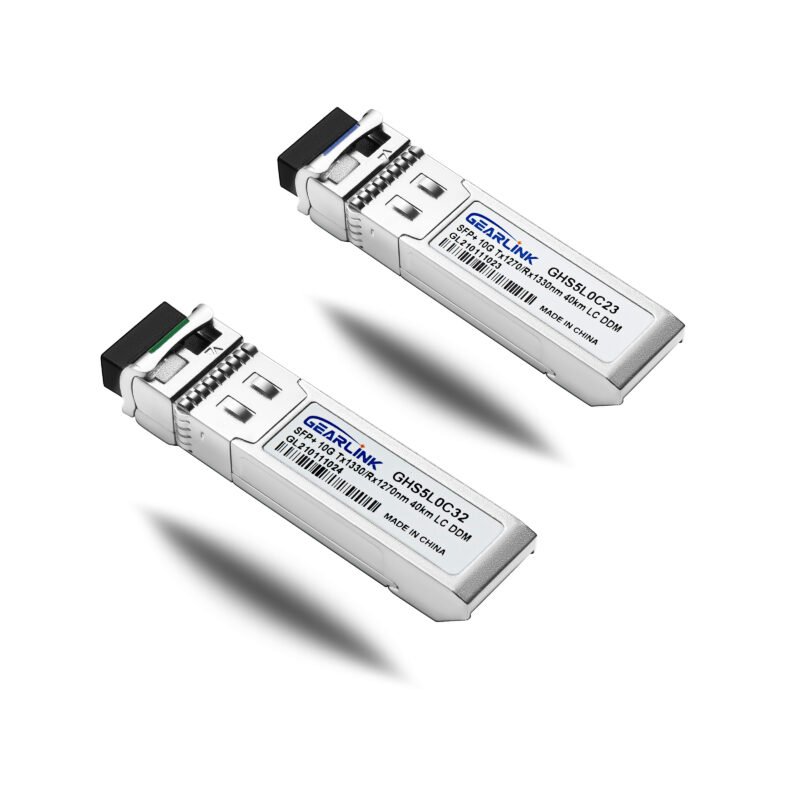
10GBASE-BX BiDi SFP+ 1330nm-TX/1270nm-RX 40km DOM Simplex LC/UPC SMF Optical Transceiver Module
NT$2610GBASE-BX BiDi SFP+ 1330nm-TX/1270nm-RX 60km DOM Simplex LC/UPC SMF Optical Transceiver Module
NT$59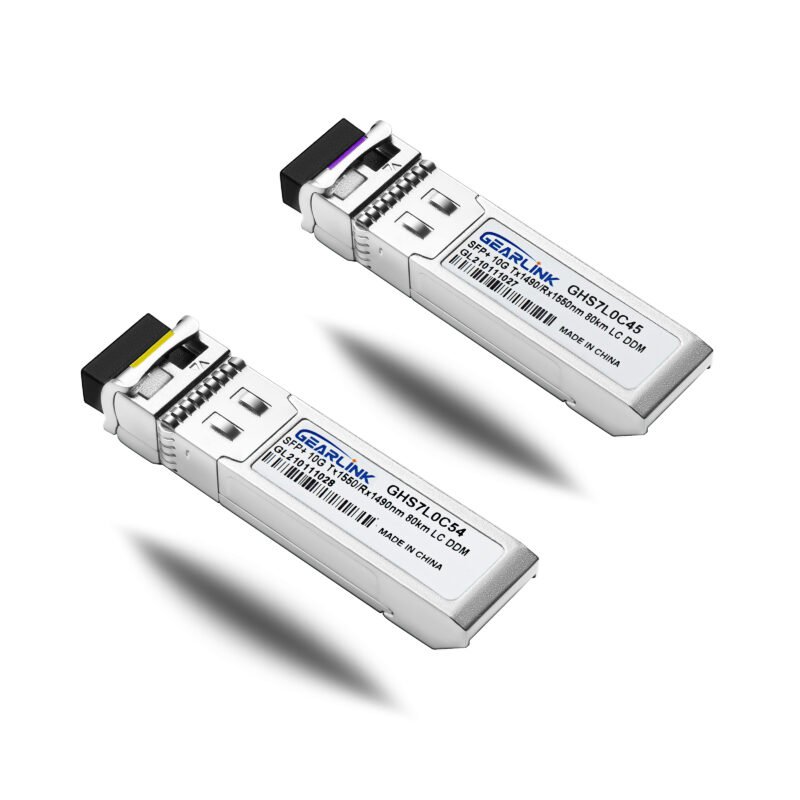
10GBASE-BX BiDi SFP+ 1490nm-TX/1550nm-RX 80km DOM Simplex LC/UPC SMF Optical Transceiver Module
NT$289
As bandwidth needs grow, laying new fiber optic cables can be prohibitively expensive. This is where Wavelength Division Multiplexing technology allows the 10g sfp module to shine by increasing the capacity of existing fiber infrastructure.
Bi-Directional (BiDi) Single-Fiber Solutions
Traditional fiber links require two strands of glass—one for transmitting and one for receiving. However, BiDi 10G modules allow for two-way communication over a single strand of fiber by using two different wavelengths, such as 1270nm and 1330nm. This effectively doubles the capacity of the existing fiber plant without requiring any new cabling. For service providers and campus networks with limited fiber availability, the BiDi 10g sfp module is an incredibly cost-effective way to scale their capacity while maintaining a simple hardware footprint.
Scalability Through DWDM Technology
For even higher density, Dense Wavelength Division Multiplexing (DWDM) allows dozens of 10G channels to run simultaneously over the same fiber pair. Each 10g sfp module is assigned a specific “color” or frequency on the ITU grid. By combining these signals at one end and separating them at the other, a single fiber link can carry hundreds of Gigabits of data. This technology is the backbone of the modern internet, and its integration with the SFP+ form factor ensures that 10G remains a vital part of the global telecommunications strategy for the foreseeable future.
Frequently Asked Questions (FAQ)
Q1: What is the maximum distance for a 10g sfp module?
A: The distance depends on the specific standard and fiber type. Short-reach (SR) modules reach up to 400m on OM4 fiber, while long-reach (LR) reaches 10km. Extended reach (ER) and ZR versions can achieve 40km and 80km respectively over single-mode fiber.
Q2: Can I use a 10G SFP+ module in a 1G SFP port?
A: Generally, no. A 1G SFP port is not designed to handle the 10 Gbps data rates of a 10g sfp module. However, most 10G SFP+ ports on modern switches are “backwards compatible” and can accept a 1G SFP module if the software allows it.
Q3: Is it necessary to clean the 10g sfp module before installation?
A: Yes, maintaining optical cleanliness is vital. Even microscopic dust on the lens of the module or the fiber end-face can cause significant signal loss or “back-reflection,” which can damage the laser and degrade network performance.