Introduction: Why the 200G Optical Transceiver Is Transforming Modern Networks
In today’s digital world, network traffic is growing at an incredible speed. Cloud computing, video streaming, artificial intelligence, and big data applications are generating massive amounts of data every second. As a result, traditional network infrastructure is under increasing pressure. This is exactly where the 200G optical transceiver plays a critical role.
A 200G optical transceiver is designed to transmit data at a rate of 200 gigabits per second through fiber-optic networks. Compared with older 40G or 100G modules, it significantly improves bandwidth while maintaining high efficiency and reliability. Because of these advantages, the 200G optical transceiver has quickly become an important component in modern data centers, telecom networks, and cloud infrastructures.
Moreover, the demand for faster connectivity continues to rise. Therefore, network engineers and IT managers are constantly searching for solutions that can deliver higher speeds without dramatically increasing cost or power consumption. Fortunately, the 200G optical transceiver offers an ideal balance between performance and scalability.
In this comprehensive guide, we will explore how the 200G optical transceiver works, its major types, technical specifications, applications, and the reasons why it is becoming a cornerstone technology in next-generation networking.

Understanding the Basics of the 200G Optical Transceiver
What Is a 200G Optical Transceiver?
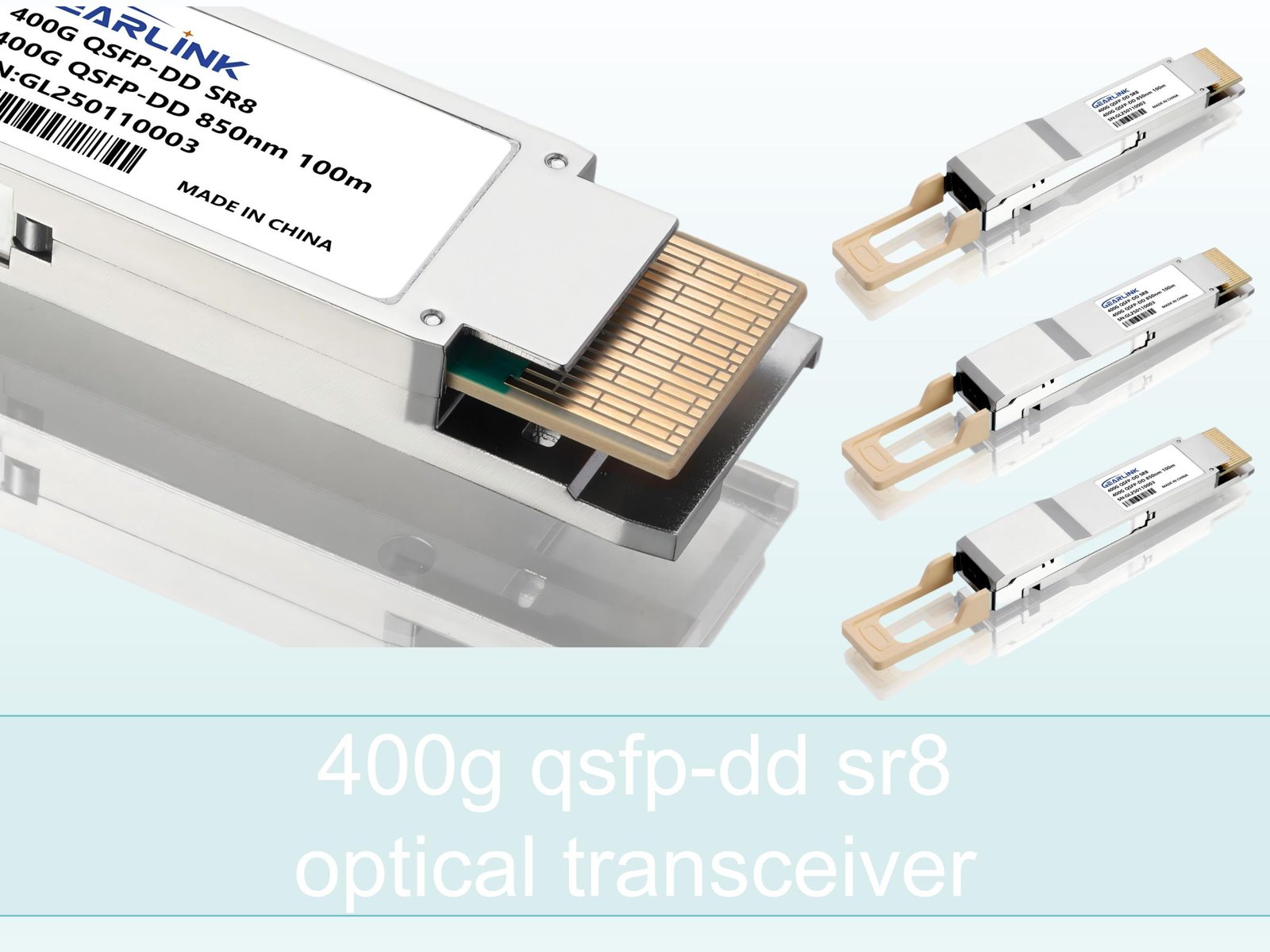
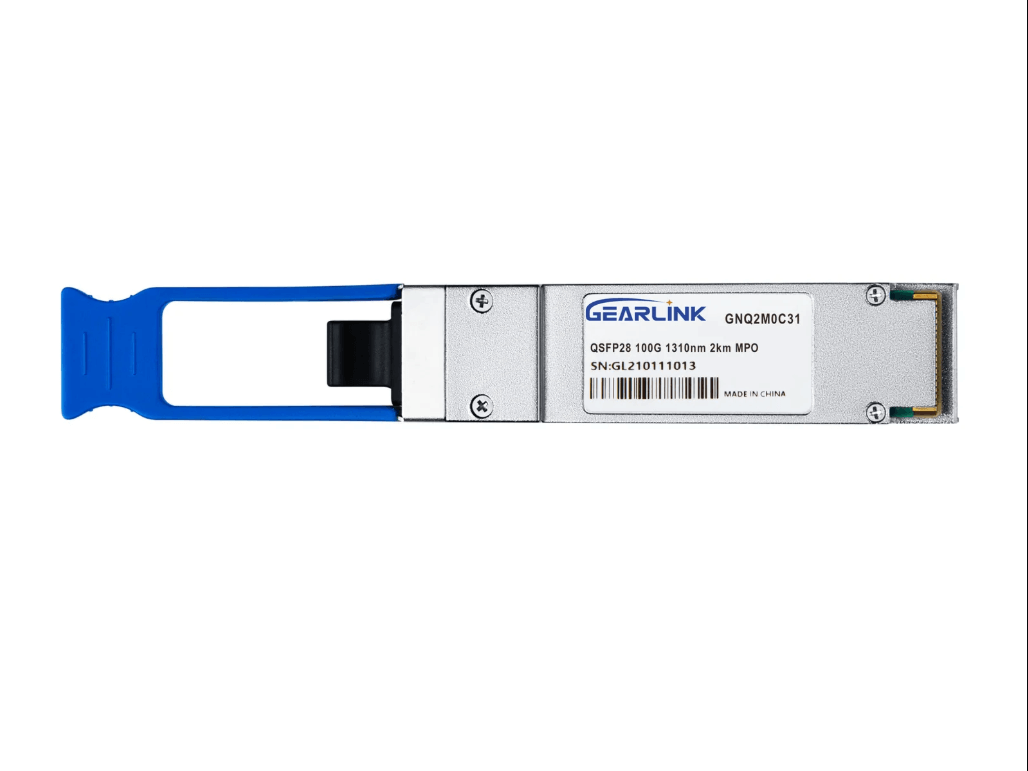
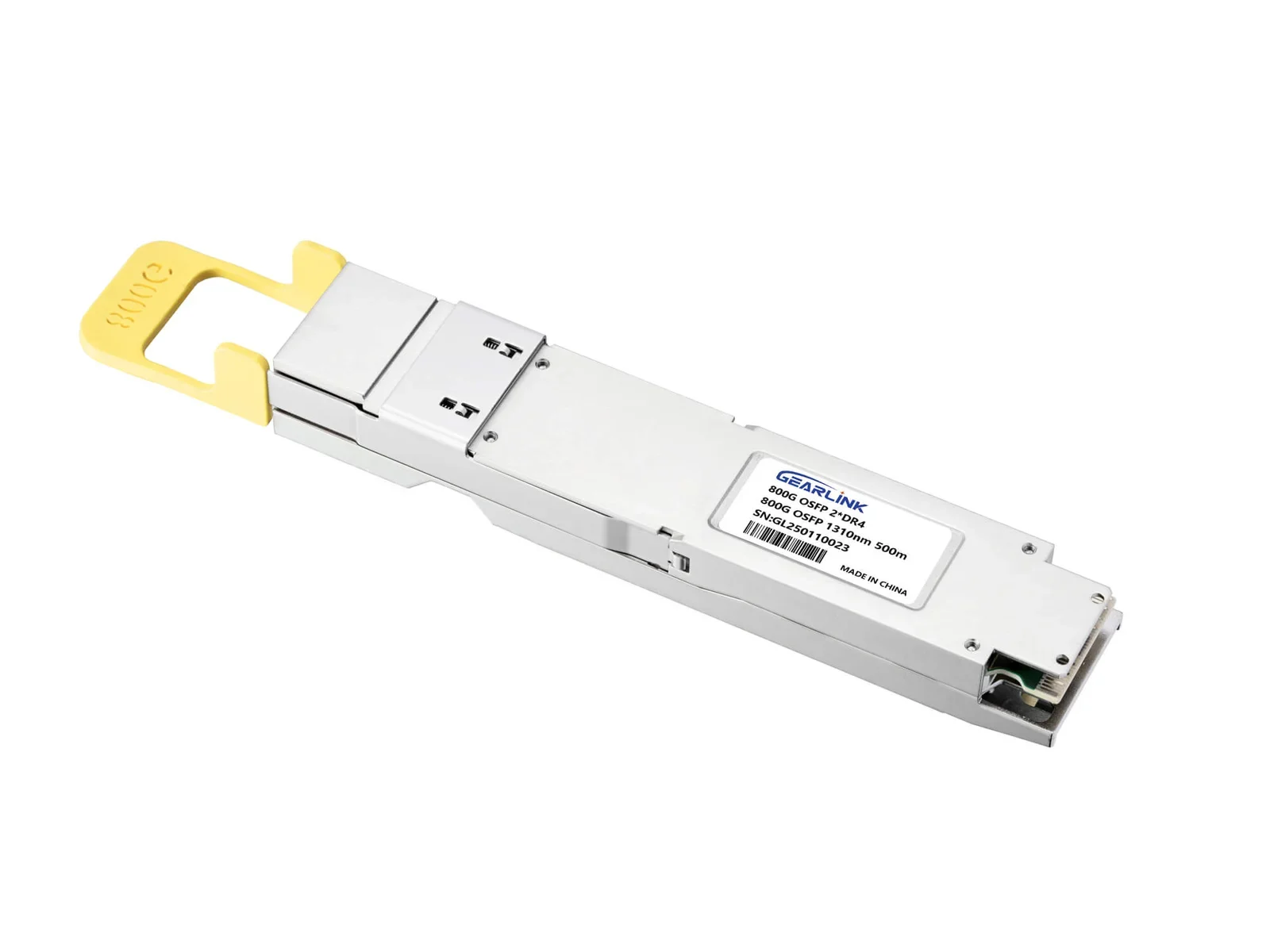
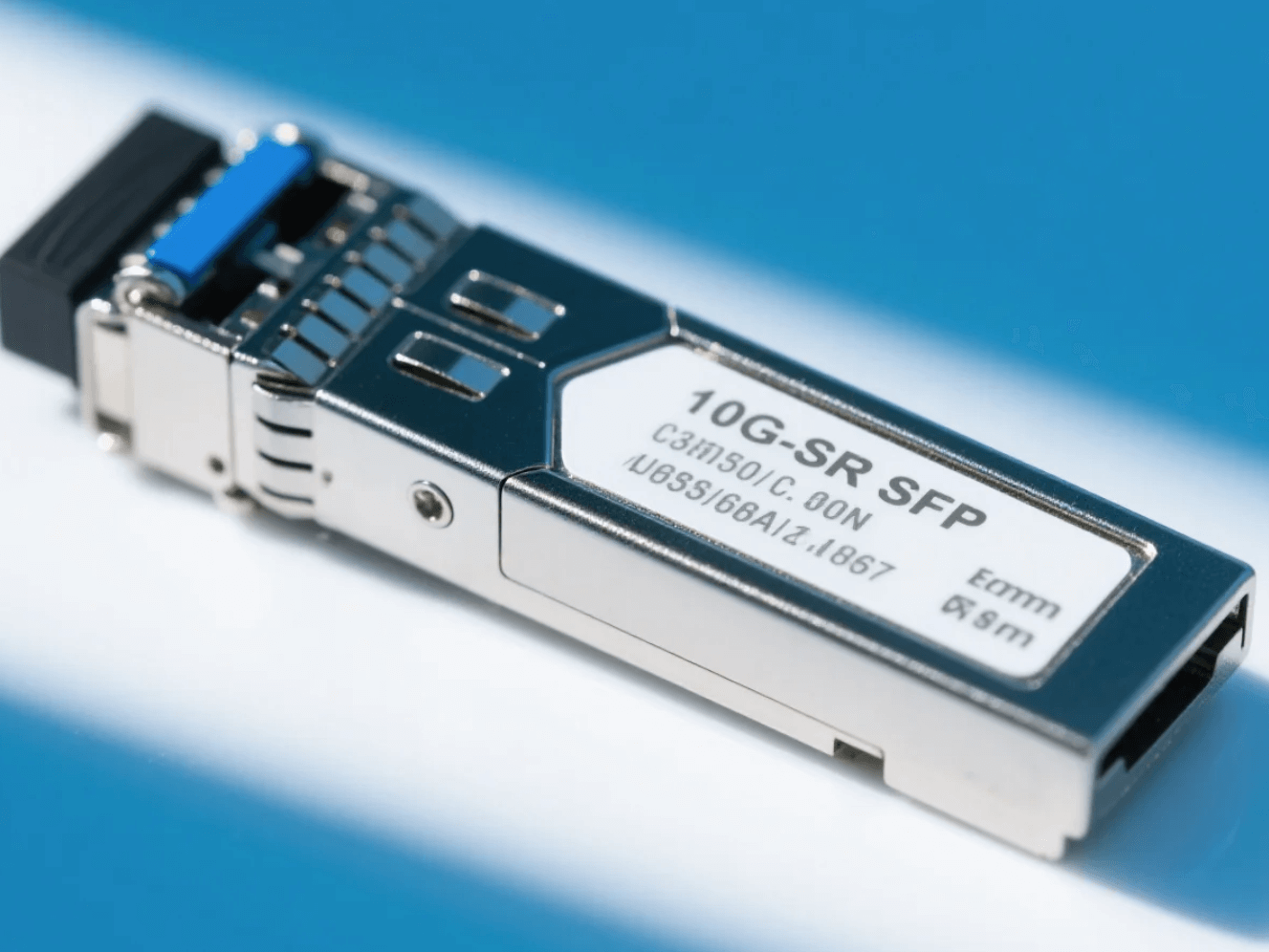
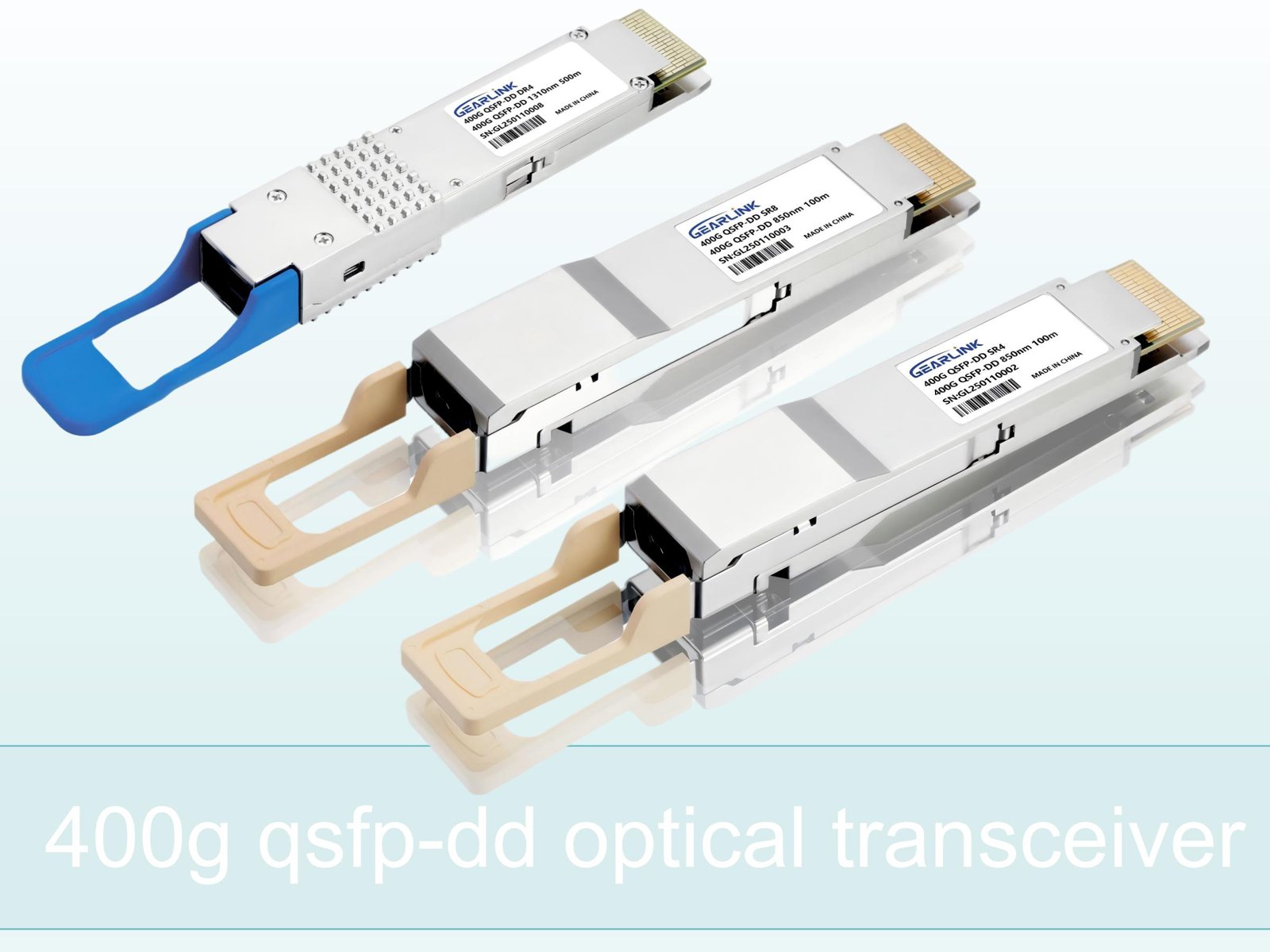
A 200G optical transceiver is a hot-pluggable networking module used to send and receive high-speed optical signals. It converts electrical signals from network devices into optical signals that can travel through fiber-optic cables. Similarly, incoming optical signals are converted back into electrical signals for network processing.
Because fiber optics can transmit data over long distances with minimal signal loss, the 200G optical transceiver is widely used in high-bandwidth environments.
Key Functions of a 200G Optical Transceiver
| Function | Description |
| Electrical-to-Optical Conversion | Converts electrical data signals into optical signals |
| Optical-to-Electrical Conversion | Converts incoming light signals back into electrical signals |
| High-Speed Data Transmission | Supports speeds up to 200Gbps |
| Signal Integrity | Maintains stable transmission across long distances |
| Hot-Pluggable Design | Allows easy installation without powering down equipment |
Thanks to these capabilities, the 200G optical transceiver can dramatically improve network performance.
How the 200G Optical Transceiver Works in Fiber Networks
Optical Signal Transmission Explained
The operation of a 200G optical transceiver is based on optical modulation and signal detection. First, an electrical signal generated by a switch or router enters the module. Then, the internal laser converts the signal into a light pulse.
Next, the light travels through a fiber-optic cable. When it reaches the receiving side, a photodetector inside another 200G optical transceiver converts the light signal back into electrical form.
Although the process may seem complex, the entire conversion happens extremely quickly—allowing data to move at 200 gigabits per second.
Transmission Process of a 200G Optical Transceiver
| Step | Process |
| 1 | Electrical signal enters the module |
| 2 | Laser converts the signal into optical pulses |
| 3 | Light travels through optical fiber |
| 4 | Receiver detects optical signal |
| 5 | Optical signal is converted back to electrical data |
Consequently, large volumes of data can be transmitted reliably over long distances.
Main Types of 200G Optical Transceiver Modules
Different networking environments require different types of optical modules. Therefore, several versions of the 200G optical transceiver have been developed.
200G QSFP56 Optical Transceiver
The QSFP56 form factor is one of the most common designs for a 200G optical transceiver.
Key Characteristics
| Feature | Specification |
| Form Factor | QSFP56 |
| Data Rate | 200Gbps |
| Channel Rate | 4 × 50Gbps |
| Fiber Type | Single-mode or multimode |
| Power Consumption | Low power design |
Because of its compact size and high density, the 200G optical transceiver in QSFP56 format is widely used in hyperscale data centers.
200G SR4 Optical Transceiver
The 200G SR4 optical transceiver is designed for short-distance connections using multimode fiber.
Typical Specifications
| Parameter | Value |
| Transmission Distance | Up to 100 meters |
| Connector Type | MPO-12 |
| Wavelength | 850 nm |
| Application | Data center interconnect |
Since data centers often require high-density connections, the 200G optical transceiver SR4 is a popular choice.
200G FR4 Optical Transceiver
The 200G FR4 optical transceiver supports longer transmission distances using single-mode fiber.
Technical Overview
| Parameter | Specification |
| Fiber Type | Single-mode |
| Distance | Up to 2 km |
| Connector | Duplex LC |
| Wavelength | CWDM |
As a result, the 200G optical transceiver FR4 is commonly used in campus networks and metro networks.
Advantages of Using a 200G Optical Transceiver
Higher Bandwidth for Modern Applications
First and foremost, the 200G optical transceiver provides significantly higher bandwidth than earlier technologies. This makes it ideal for cloud computing, AI workloads, and big data analytics.
Improved Network Efficiency
Additionally, network infrastructure can be simplified. Instead of deploying multiple 100G links, a single 200G optical transceiver can deliver the same capacity.
Better Power Efficiency
Another major advantage is energy efficiency. In many cases, a 200G optical transceiver consumes less power per gigabit compared with older modules.
Performance Comparison
| Technology | Speed | Power Efficiency | Typical Usage |
| 40G Optical Module | 40Gbps | Moderate | Legacy networks |
| 100G Optical Module | 100Gbps | Good | Enterprise networks |
| 200G Optical Transceiver | 200Gbps | Very High | Data centers |
Consequently, upgrading to a 200G optical transceiver can reduce operational costs.
Applications of the 200G Optical Transceiver
Data Center Networking
Modern data centers rely heavily on the 200G optical transceiver. Large cloud providers require high-capacity connections between servers, switches, and storage systems.
Cloud Computing Infrastructure
Cloud platforms generate enormous amounts of east-west traffic. Therefore, the 200G optical transceiver helps maintain fast communication between computing clusters.
High-Performance Computing (HPC)
HPC environments process complex simulations and AI training tasks. In such scenarios, the 200G optical transceiver ensures low latency and reliable high-speed communication.
Telecommunications Networks
Telecom operators are also adopting the 200G optical transceiver for metro and backbone networks.
Key Technical Specifications of a 200G Optical Transceiver
Understanding technical specifications can help network engineers choose the right module.
Typical Specifications
| Parameter | Description |
| Data Rate | 200Gbps |
| Modulation | PAM4 |
| Form Factor | QSFP56 |
| Operating Temperature | 0°C to 70°C |
| Fiber Type | SMF or MMF |
| Connector | LC or MPO |
Because these specifications may vary, it is important to review product datasheets carefully when selecting a 200G optical transceiver.
How to Choose the Right 200G Optical Transceiver
Selecting the correct module requires several considerations.
Consider Transmission Distance
Different modules support different ranges. For example:
| Distance | Recommended Module |
| 100m | 200G SR4 |
| 500m | 200G DR4 |
| 2km | 200G FR4 |
Therefore, the application environment determines which 200G optical transceiver should be selected.
Compatibility with Network Equipment
Another factor is compatibility. The 200G optical transceiver must match the switch or router interface.
Power Consumption
Power efficiency is also critical, especially in high-density data centers.
Future Trends of 200G Optical Transceiver Technology
Although 400G and 800G technologies are emerging, the 200G optical transceiver still plays an important role.
First, many networks are currently transitioning from 100G infrastructure. Therefore, upgrading directly to 400G may not always be practical.
Second, the 200G optical transceiver offers an excellent balance between cost, performance, and scalability.
Finally, as fiber-optic networks continue expanding, the demand for reliable 200G connectivity will remain strong.
Conclusion
The 200G optical transceiver has become a key technology in modern networking. With its ability to deliver ultra-fast speeds, improved efficiency, and scalable deployment options, it is widely used in data centers, telecom networks, and cloud infrastructures.
As network traffic continues to grow, organizations will increasingly rely on advanced optical solutions. In this context, the 200G optical transceiver provides a powerful and cost-effective way to support next-generation connectivity.
By understanding the types, features, and applications of the 200G optical transceiver, businesses can make informed decisions and build high-performance network infrastructures that are ready for the future.
FAQ About 200G Optical Transceiver
1. What is a 200G optical transceiver used for?
A 200G optical transceiver is used for high-speed data transmission in data centers, telecom networks, and cloud infrastructure. It enables 200Gbps optical communication over fiber-optic cables.
2. What is the difference between a 100G and a 200G optical transceiver?
The main difference is transmission speed. A 200G optical transceiver delivers twice the bandwidth of a 100G module while maintaining similar form factors such as QSFP56.
3. What types of 200G optical transceiver modules are available?
Common types include 200G SR4, 200G FR4, and 200G DR4 optical transceiver modules, each designed for different transmission distances and fiber types.
4. Where is a 200G optical transceiver commonly deployed?
A 200G optical transceiver is commonly deployed in hyperscale data centers, cloud networks, telecom backbone systems, and high-performance computing clusters.
5. Is the 200G optical transceiver still relevant with 400G technology?
Yes. The 200G optical transceiver remains highly relevant because it offers a cost-effective upgrade path for networks transitioning from 100G infrastructure.