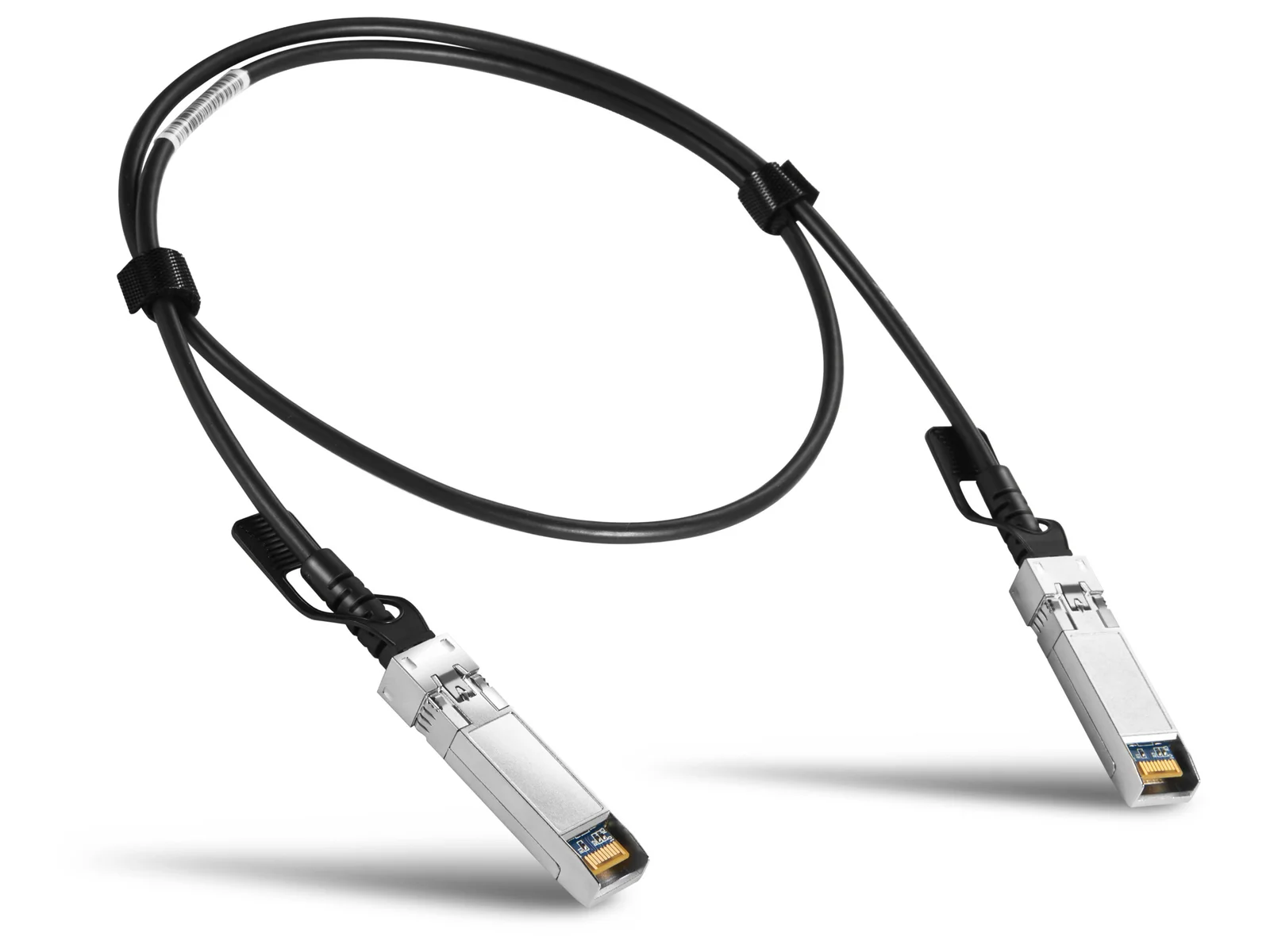
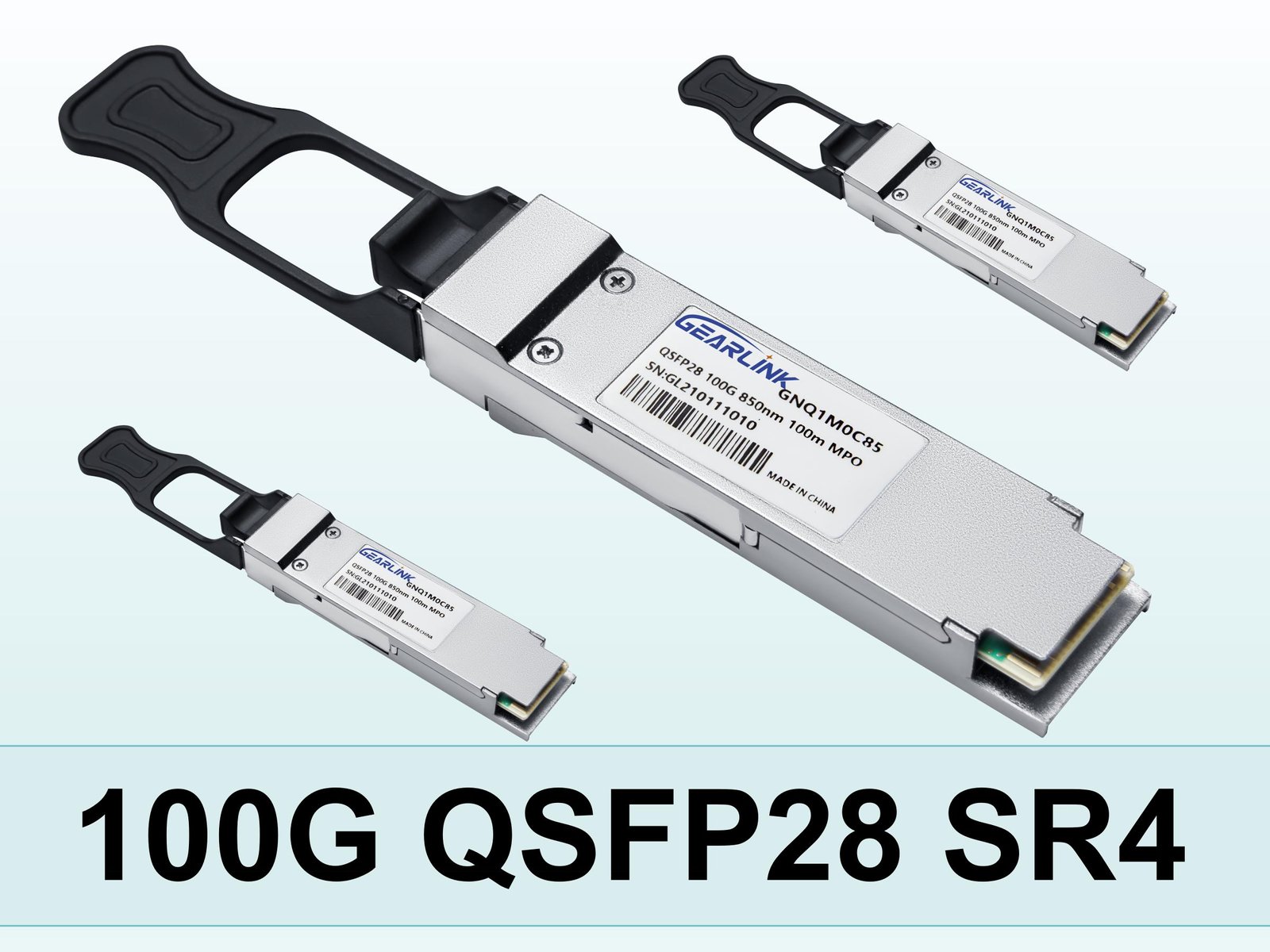
The relentless pursuit of bandwidth capacity within modern data center and carrier networks has fundamentally transformed the landscape of optical communications. At the core of this transformation lies the 100 Gigabit Ethernet (100GbE) standard, with various optical transceivers designed to meet diverse distance and power requirements. Among these essential components, the QSFP-100G-LR4-S module emerges as a crucial player, particularly for long-reach applications over single-mode fiber (SMF). This technical deep dive is specifically tailored for network architects, data center managers, and optical product users seeking a comprehensive understanding of its features, applications, and strategic value in high-speed optical domains.
Unveiling the Technology: What is the QSFP-100G-LR4-S?
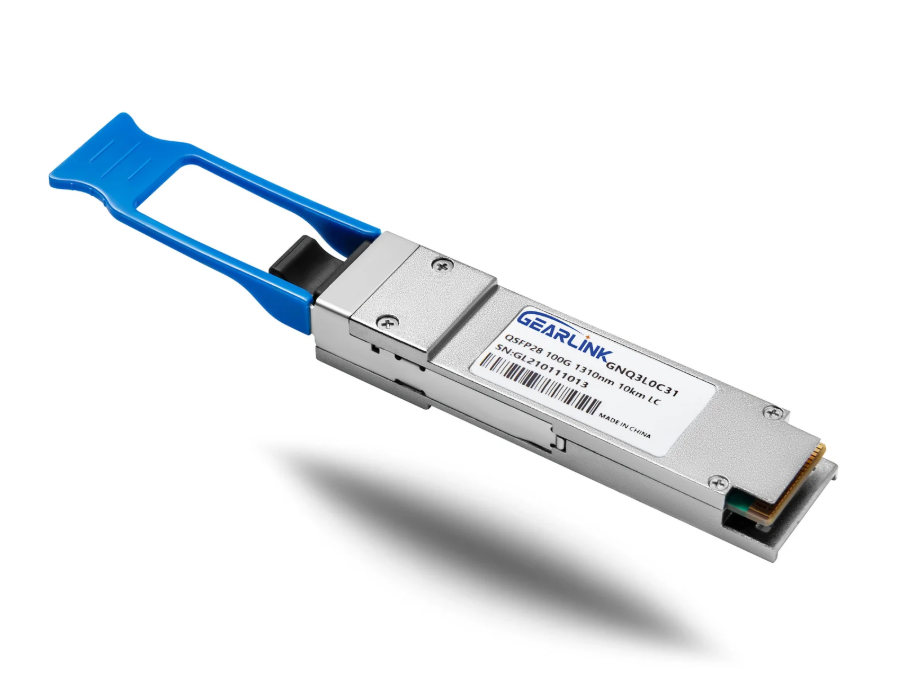
The QSFP-100G-LR4-S is a specialized iteration of the 100GBASE-LR4 optical transceiver, packaged in the compact Quad Small Form-Factor Pluggable 28 (QSFP28) form factor. This module is engineered to provide 100 Gigabit Ethernet connectivity for distances up to 10 kilometers over a standard pair of duplex single-mode fiber. The ‘LR4’ designation, signifying ‘Long Reach, 4-Lane,’ points to the fundamental technology employed: LAN Wavelength Division Multiplexing (LAN-WDM).
In essence, the module cleverly converts four independent channels of 25 Gbps electrical data into four distinct optical signals, each operating at a specific, standardized LAN-WDM wavelength in the 1310 nm band (specifically around 1295 nm, 1300 nm, 1304 nm, and 1309 nm). These four optical channels are then optically multiplexed onto a single strand of single-mode fiber for transmission across the long haul. At the receiving end, the process is reversed: the composite signal is de-multiplexed back into its four distinct optical channels, which are subsequently converted back into four 25 Gbps electrical data streams. This parallel optical architecture, utilizing the proven Non-Return-to-Zero (NRZ) modulation scheme, ensures robust and reliable data transmission over the requisite 10 km span, making the QSFP-100G-LR4-S a benchmark for medium-to-long-distance 100G links. Furthermore, the ‘-S’ suffix often denotes compliance with specific vendor platforms or adherence to optimized specifications regarding power consumption or temperature range, ensuring seamless integration and superior performance within complex enterprise and service provider environments.
Core Technical Characteristics and Distinctive Features
The success and widespread adoption of the QSFP-100G-LR4-S are attributed to a convergence of technical specifications and features that directly address the demanding needs of modern high-speed networks. Understanding these characteristics is paramount for making informed procurement and deployment decisions.
The Power of LAN-WDM and QSFP28 Integration
The strategic adoption of LAN-WDM technology within the QSFP28 form factor represents a significant engineering achievement. The QSFP28 footprint is universally favored for its high density, allowing network equipment to support a substantial number of 100G ports within a limited space, a critical consideration for space-constrained data centers. The integrated WDM MUX/DEMUX components enable the full 100G capacity to be transmitted over a duplex SMF pair, maximizing the utilization of installed fiber infrastructure. Additionally, the small, hot-pluggable design of the QSFP28 allows for simplified installation, maintenance, and upgrade paths, minimizing network downtime and operational complexity. The NRZ modulation used here is generally regarded as less complex than the PAM4 scheme utilized by some newer single-lambda 100G optics, which, in certain network scenarios, can translate to better signal integrity over the defined 10km distance without reliance on heavy Forward Error Correction (FEC).
Performance Metrics: Reach and Reliability
The primary selling point of the QSFP-100G-LR4-S is its guaranteed 10 km reach over single-mode fiber. This capability bridges the critical distance gap between short-range data center inter-rack/inter-building connections (typically <300m) and ultra-long-haul telecommunications links. This module is ideally suited for campus backbones, metropolitan area networks (MAN), and the crucial interconnects between major data center facilities. Beyond the distance, the module’s robust performance is often monitored through Digital Optical Monitoring (DOM) features. DOM allows operators to track essential real-time parameters such as transmitted optical power, received optical power, laser bias current, and module temperature. This proactive monitoring capability is essential for predictive maintenance, ensuring high availability and maximizing the uptime of 100G optical links, which are the arteries of modern digital commerce.
Power Efficiency and Thermal Management
While the earliest 100G form factors consumed significantly higher power, the QSFP-100G-LR4-S, housed in a QSFP28 form factor, typically boasts a power consumption of less than 4 Watts. This reduced power draw is a key consideration in large-scale deployments, where every Watt contributes substantially to the overall operating expenditure (OpEx) and thermal load of the data center. The efficient thermal design of the module, coupled with its ability to operate within the commercial temperature range (0°C to 70°C), contributes significantly to the energy efficiency and sustainable operation of high-speed networks. The continuous drive toward lower power consumption in optical modules is a reflection of the industry’s commitment to environmental stewardship and cost optimization.
Critical Applications in Modern Optical Networks
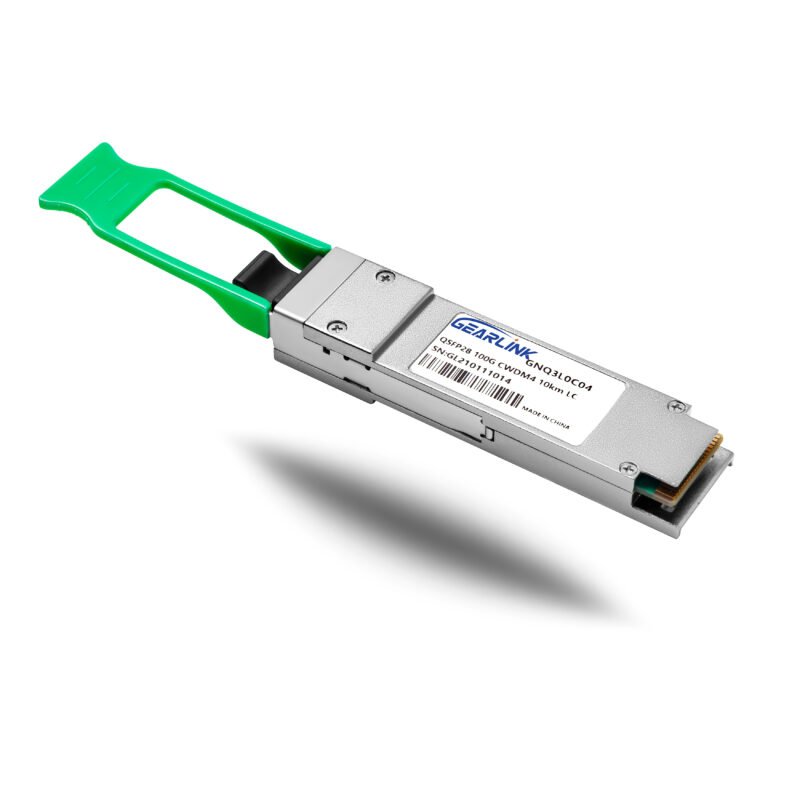
100GBASE-CWDM4 QSFP28 1310nm 2km DOM Duplex LC/UPC SMF Optical Transceiver Module
NT$99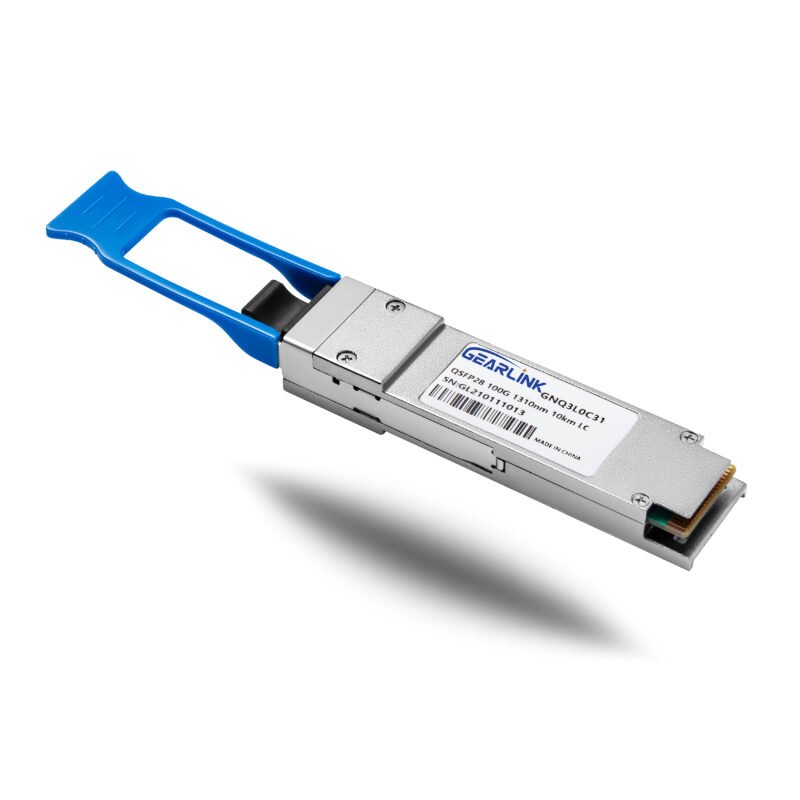
100GBASE-LR4 QSFP28 1310nm 10km DOM Duplex LC/UPC SMF Optical Transceiver Module
NT$179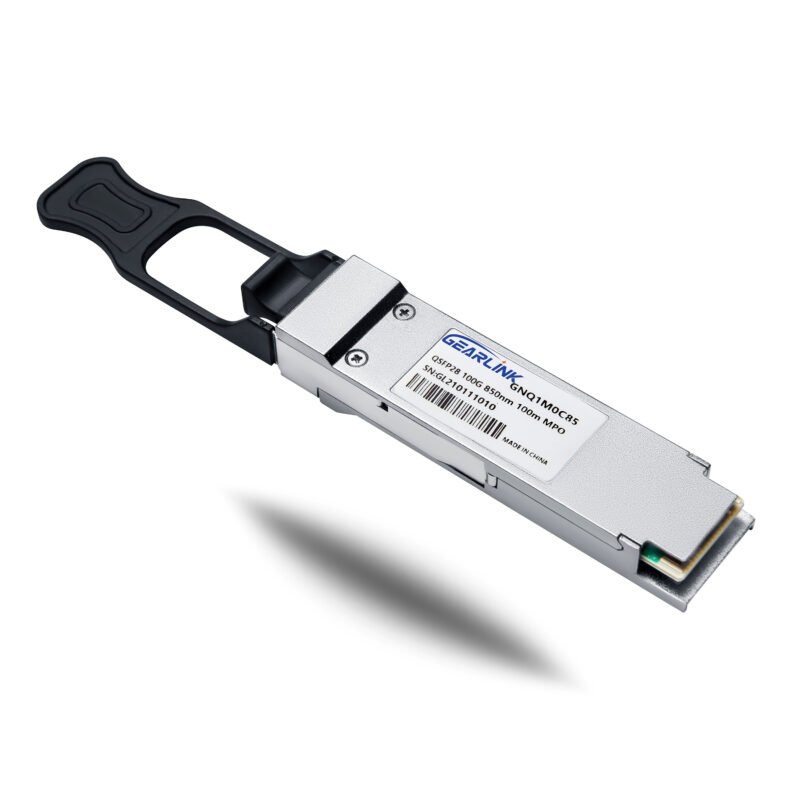
100GBASE-SR4 QSFP28 850nm 100m DOM MPO-12 MMF Optical Transceiver Module
NT$38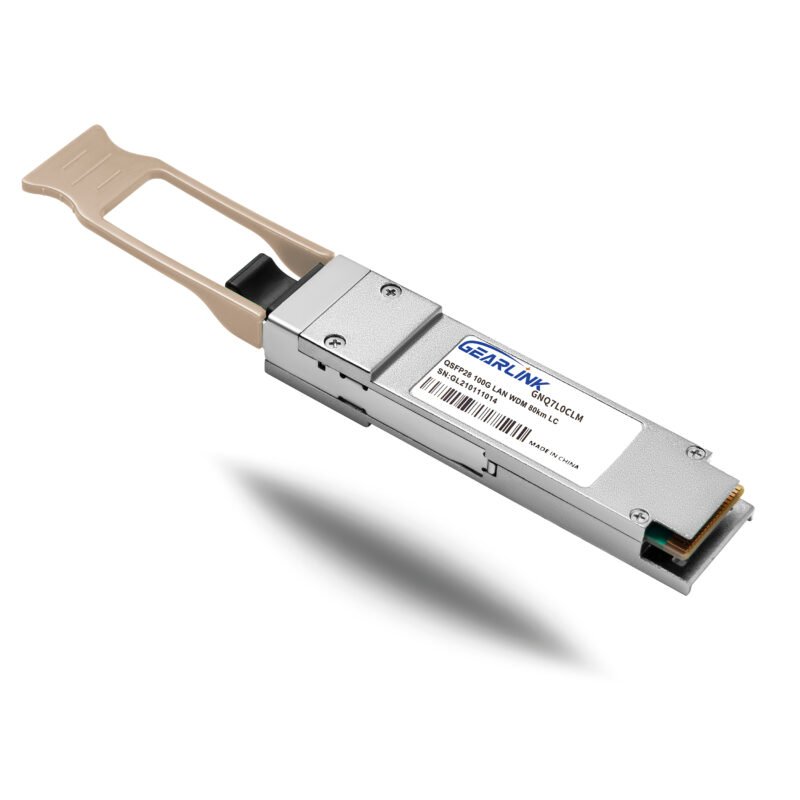
100GBASE-ZR4 QSFP28 1310nm 80km DOM Duplex LC/UPC SMF Optical Transceiver Module
NT$1,500
The operational characteristics of the QSFP-100G-LR4-S naturally position it as the optimal choice for several mission-critical applications within the optical module user base. Its balance of density, reach, and power consumption delivers high-value utility across various networking domains.
Data Center Interconnect (DCI)
The most prominent application for the QSFP-100G-LR4-S is Data Center Interconnect (DCI). As organizations scale their digital presence, core and edge data centers are increasingly distributed across metropolitan areas for redundancy, load balancing, and disaster recovery. The 10 km capability of the QSFP-100G-LR4-S is precisely what is needed to establish high-speed, low-latency 100G links between these dispersed facilities. Furthermore, this transceiver is frequently used to connect spine and leaf architecture blocks within very large enterprise or Hyperscale data centers, establishing the high-bandwidth core network with proven reliability. The use of a standard duplex LC interface simplifies cabling and integration into existing SMF plants.
Enterprise and Service Provider Aggregation
Beyond the data center, the module plays a vital role in enterprise and service provider networks. In large campus environments, the QSFP-100G-LR4-S can serve as the high-speed link connecting different buildings or core distribution layers. For telecom service providers, it is employed in the aggregation and distribution layers of their networks, facilitating the efficient transport of aggregated 100G traffic from metro sites to core routers. The interoperability assured by the adherence to IEEE standards, regardless of the vendor (provided a compatible variant like the -S is used), is a non-negotiable requirement in these complex, multi-vendor network landscapes, ensuring a healthy competitive market and operational flexibility for network administrators.
Strategic Value and Long-Term Network Planning
In an era where network evolution towards 400G and 800G is accelerating, selecting the right 100G component has strategic long-term implications. The LR4 technology is a mature, robust, and proven standard. While newer single-lambda 100G optics are emerging, the established ecosystem and reliable NRZ performance of the QSFP-100G-LR4-S often offer a higher confidence level for network engineers prioritizing stability and backward compatibility. For network planners, investing in a stable, standardized technology like this secures today’s capacity needs with a trusted solution, enabling a phased, more deliberate approach to next-generation upgrades, thus protecting capital expenditure. The value proposition of this module is therefore not just a matter of performance, but one of strategic network resilience and cost-effective capacity scaling.
Conclusion: The Enduring Relevance of a Proven Standard
The question posed—Does the QSFP-100G-LR4-S transceiver offer the ultimate solution for long-haul 100G connectivity?—can be answered with a qualified affirmation. For the critical 10 km long-reach segment over single-mode fiber, the QSFP-100G-LR4-S represents a near-ultimate, time-tested, and highly standardized solution. It combines the high port density of the QSFP28 form factor with the robust, multi-channel performance of LAN-WDM technology.
For optical product users and network designers, the value of this module is clearly established: it delivers the necessary high bandwidth, extended distance, and low-power operation required for modern DCI and carrier applications. Although technological advancements continue to introduce alternatives, the established reliability, mature ecosystem, and comprehensive standardization make the QSFP-100G-LR4-S an enduring cornerstone in the 100G optical domain, embodying a balance of cutting-edge speed and operational maturity. It is a testament to the engineering that enables the interconnected world we rely upon, standing as a high-integrity choice for building scalable, high-performance optical networks.
Frequently Asked Questions
Q: What is the primary difference between QSFP-100G-LR4 and QSFP-100G-LR4-S?
A: Both are 100GBASE-LR4 modules designed for 10km over SMF using LAN-WDM. The QSFP-100G-LR4-S (often a vendor-specific part number, e.g., Cisco’s) typically denotes an enhanced, optimized version, often for a specific platform, potentially featuring lower power consumption or stricter performance characteristics compared to the base IEEE standard (100GBASE-LR4).
Q: Does the QSFP-100G-LR4-S require specialized fiber optic cabling?
A: No, the module operates over standard duplex single-mode fiber (SMF), typically G.652, and utilizes standard duplex LC connectors, simplifying deployment.
Q: How does this module achieve 100Gbps using four lanes?
A: It employs LAN WDM technology, where four independent lanes, each carrying 25 Gbps of data, are transmitted simultaneously on four different, closely spaced wavelengths (colors of light) in the 1310 nm window. These are multiplexed onto one fiber strand and de-multiplexed at the receiving end.
Q: Can the QSFP-100G-LR4-S be interoperated with non-compliant 100G transceivers?
A: Interoperability is generally ensured with any transceiver that fully adheres to the IEEE 802.3ba 100GBASE-LR4 standard. However, when using third-party compatible modules, it is always recommended to verify compliance and test interoperability in the specific network environment to ensure seamless integration.