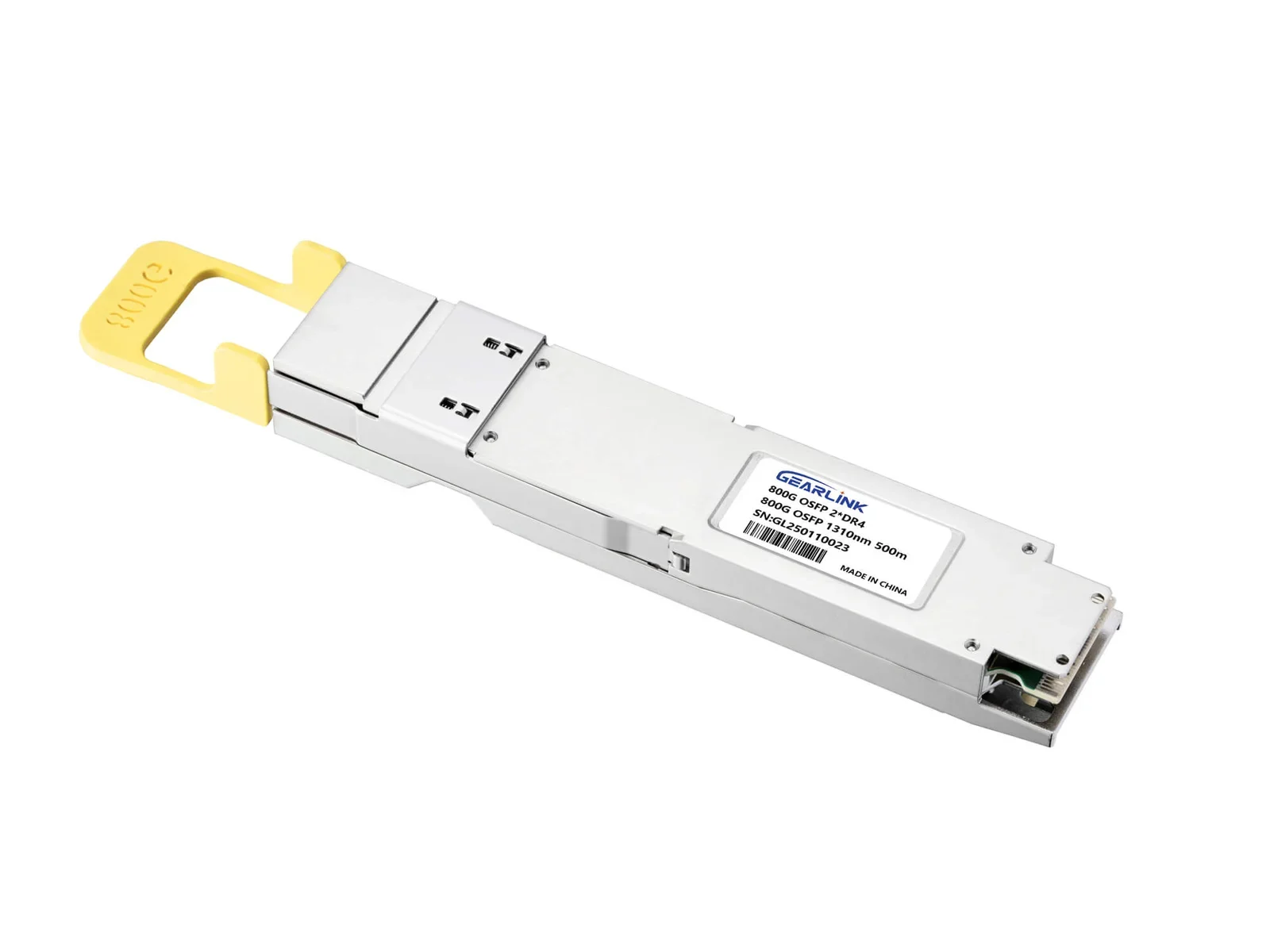
In the rapidly evolving landscape of telecommunications and high-speed data centers, the demand for compact, efficient, and high-bandwidth optical interconnects has never been greater. The transition from 10G and 40G to ubiquitous 100G networking necessitated the development of advanced transceiver technologies. Among the most popular and widely deployed components driving this revolution is the QSFP-100G-SR4-S optical module. This article provides a comprehensive, in-depth look at this specific transceiver, examining its technology, primary applications, and unique advantages for network architects and product users seeking reliable, high-performance connectivity solutions. Understanding the capabilities and limitations of the QSFP-100G-SR4-S is crucial for optimizing modern data center and enterprise networks.
Decoding the QSFP-100G-SR4-S Module: Introduction and Core Technology
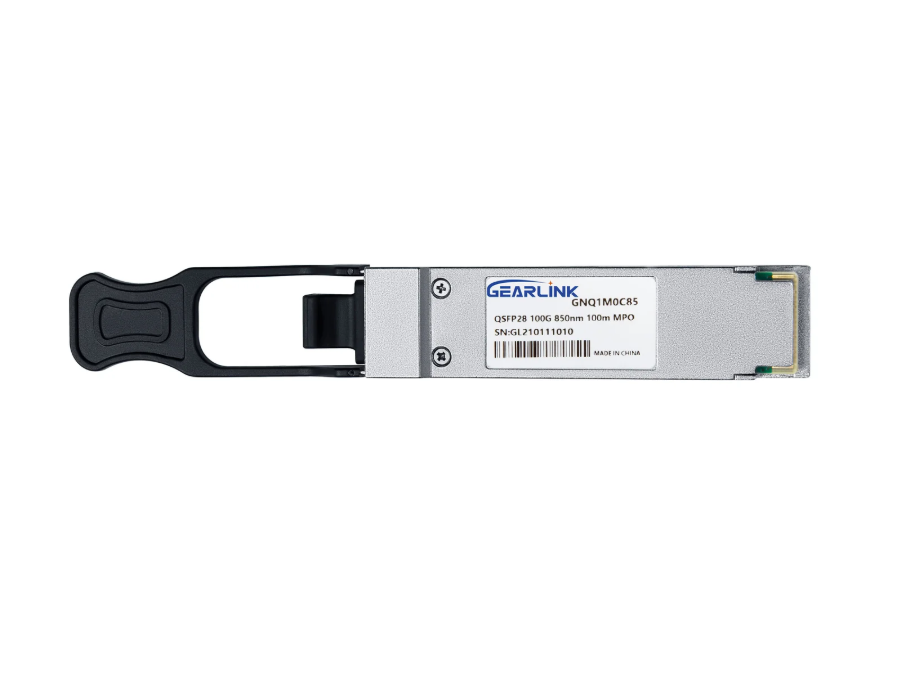
The QSFP-100G-SR4-S is a particular variant of the Quad Small Form-factor Pluggable (QSFP28) optical transceiver designed for 100 Gigabit Ethernet (100GbE) applications. The “SR4” designation stands for Short Reach, 4 channels, indicating its use over multi-mode fiber (MMF) for shorter distances. This module operates by employing four independent transmit and receive channels, each carrying a 25 Gbps data stream, which are aggregated to achieve the 100 Gbps total throughput. This parallel optical technology is fundamental to its ability to handle such high data rates within a compact form factor.
A defining characteristic of the QSFP-100G-SR4-S is its optimized performance over OM3 and OM4 multi-mode fiber. Specifically, when utilizing standard OM4 fiber, it reliably supports link distances of up to 100 meters, making it an indispensable tool for server-to-switch and inter-rack connectivity within massive data halls. The ‘S’ suffix often denotes a particular standard, enhanced feature, or a vendor-specific optimization, frequently relating to features like operating temperature range, power consumption, or specific compliance to industry protocols, adding a layer of differentiation and application-specific utility.
Key Features Driving Adoption in High-Density Environments
The rapid adoption of the QSFP-100G-SR4-S in both Hyperscale and Enterprise data centers is not accidental; it is driven by a compelling set of technical features that directly address the core challenges of modern high-speed networking: density, power, and latency.
Superior Port Density and Small Form Factor
The QSFP28 form factor is significantly smaller than previous 100G standards, like the CFP or CFP2. This reduction in size allows switch and router manufacturers to drastically increase the number of ports per line card. Network managers can consequently maximize the throughput available within a limited physical footprint. This density is essential for scaling connectivity without ballooning the required rack space, which directly translates to operational cost savings and more efficient resource utilization. The QSFP-100G-SR4-S epitomizes this trend toward miniaturization without compromising performance.
Low Power Consumption for Sustainable Operation
As data centers scale, power consumption becomes a critical limiting factor, not only for operational cost but also for cooling requirements. The parallel transmission architecture of the QSFP-100G-SR4-S is inherently power-efficient. Most QSFP28 modules are engineered to consume significantly less power than older, longer-reach or higher-power 100G modules. This efficiency aligns perfectly with the industry’s push for “green data centers” and contributes to lower total cost of ownership over the product’s lifecycle.
Reliable Short-Reach Interconnect via Multi-Mode Fiber
For the majority of links within a typical data center—those connecting servers to Top-of-Rack (ToR) switches or connecting spine and leaf switches over short distances—short-reach multi-mode technology is the most cost-effective and practical solution. The QSFP-100G-SR4-S provides a highly reliable, low-latency connection over readily available and relatively inexpensive multi-mode fiber infrastructure. Furthermore, the use of MPO/MTP connectors simplifies cable management, allowing a single connector to house all eight fibers (four transmit, four receive) required for the four channels, streamlining installation and maintenance processes significantly.
Strategic Applications in the Optical Module Landscape
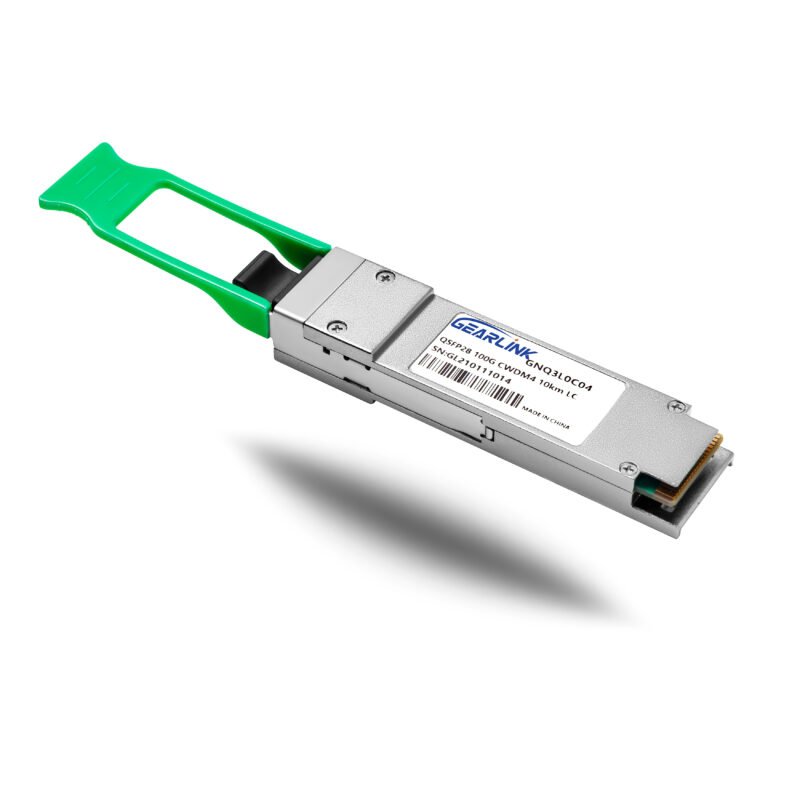
100GBASE-CWDM4 QSFP28 1310nm 2km DOM Duplex LC/UPC SMF Optical Transceiver Module
NT$99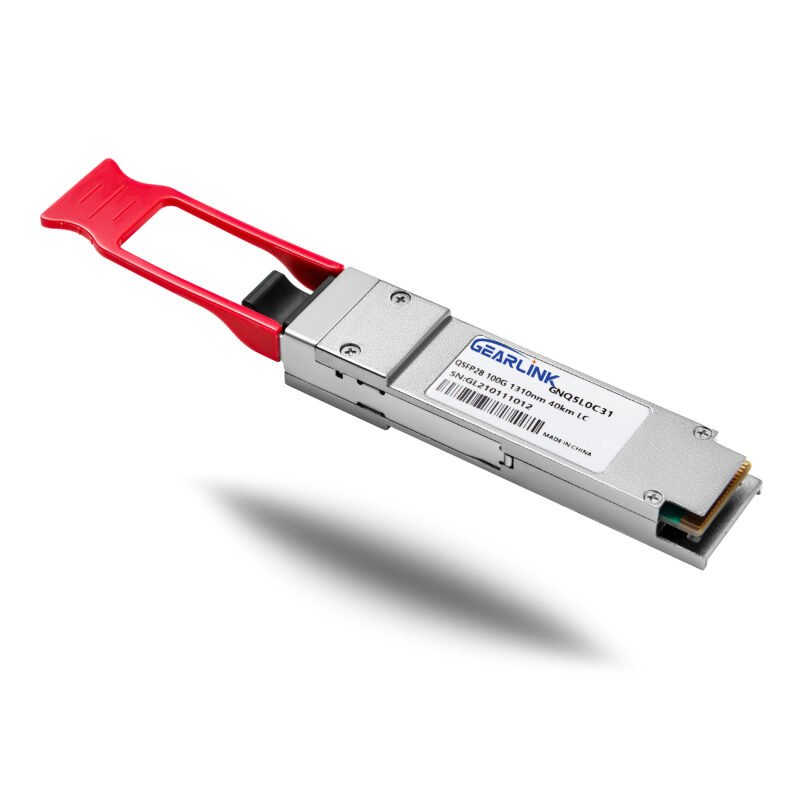
100GBASE-ER4 QSFP28 1310nm 40km DOM Duplex LC/UPC SMF Optical Transceiver Module
NT$800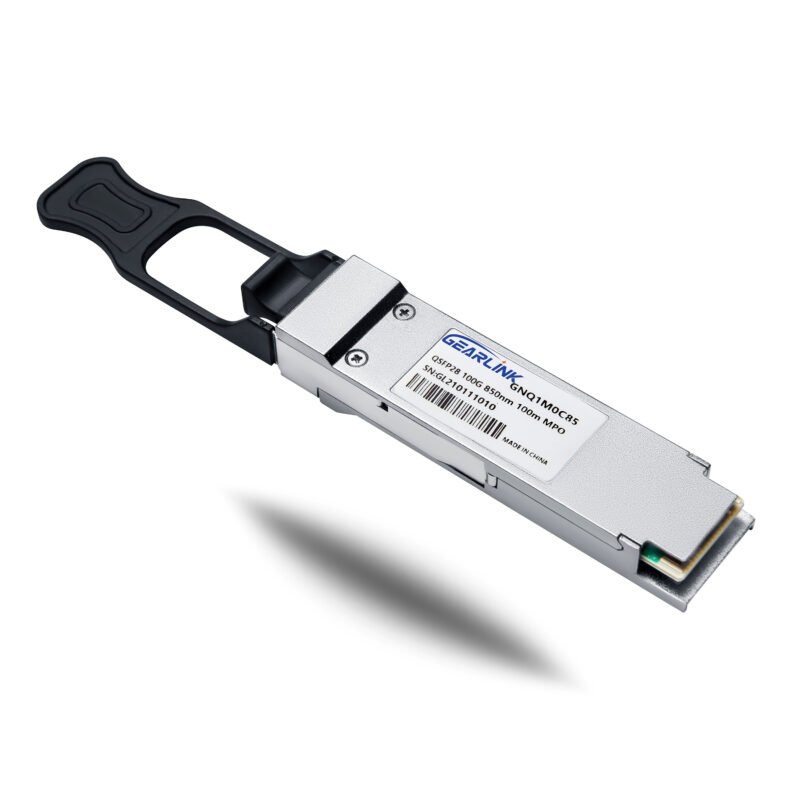
100GBASE-SR4 QSFP28 850nm 100m DOM MPO-12 MMF Optical Transceiver Module
NT$38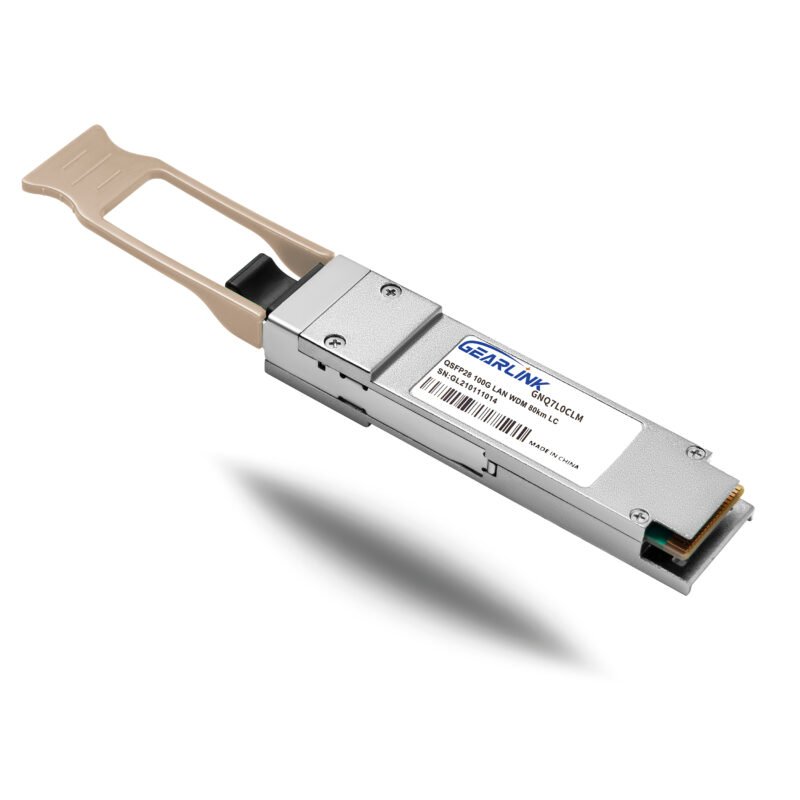
100GBASE-ZR4 QSFP28 1310nm 80km DOM Duplex LC/UPC SMF Optical Transceiver Module
NT$1,500
The application of the QSFP-100G-SR4-S is tightly focused within the optical module ecosystem, primarily serving the backbone of cloud computing and corporate data infrastructure.
Data Center Interconnection (DCI) Within a Single Facility
Its most prominent role is facilitating the intra-data center links. Within a single facility, the distance constraints of 100 meters on OM4 fiber are rarely an issue, making this transceiver the default choice for high-volume, high-bandwidth communication between active components. This includes connecting the core spine layer switches to the distribution leaf layer switches, as well as the immediate connections to the computing clusters and storage arrays. The module is crucial for maintaining the non-blocking, high-throughput fabric required by modern distributed applications.
100G to 4x25G Breakout Scenarios
A powerful feature inherent in the SR4 protocol is its ability to be used in breakout configurations. The four 25 Gbps lanes can be logically or physically separated, allowing a single QSFP-100G-SR4-S port on a switch to connect to four separate 25G SFP28 transceivers on four different servers. This functionality offers unparalleled flexibility and cost efficiency for upgrading from 10G or 40G infrastructure. This breakout capability is a major value proposition for users incrementally expanding their network capacity, optimizing equipment utilization and reducing the per-port cost of bandwidth.
Test and Measurement Equipment
Beyond general data networking, the QSFP-100G-SR4-S is often incorporated into high-speed test and measurement platforms. Its predictable performance, standardization, and robust design make it an excellent choice for validating the performance of new 100G networking gear, ensuring compliance with industry standards before large-scale deployment. In this context, the module’s reliability is paramount for accurate testing.
Future Outlook and Comparative Value
As network speeds continue their relentless march towards 200G and 400G, the QSFP-100G-SR4-S retains its vital position. It represents a mature, highly standardized, and cost-optimized technology that will remain the workhorse for 100G server aggregation for years to come. While newer standards emerge, the installed base of multi-mode fiber and the attractive price point of the SR4 module ensure its continued relevance. Network designers weigh the advantages of the QSFP-100G-SR4-S—cost, density, and low latency—against alternative solutions like the 100G LR4 (Long Reach) which uses single-mode fiber and is designed for multi-kilometer links. For the vast majority of intra-data center connections, the SR4 variant offers the superior total value proposition. Consequently, this module is not merely a component, but a fundamental pillar supporting the performance and scalability of the modern cloud infrastructure. By selecting the appropriate variant, users ensure their investment in 100G networking is both high-performing and fiscally responsible.
Frequently Asked Questions (FAQ)
Q1: What is the main difference between the QSFP-100G-SR4-S and the QSFP-100G-SR4?
The core technological difference is often subtle and vendor-specific. Generally, the inclusion of the ‘-S’ suffix (or similar vendor-specific designations) indicates a module optimized for specific performance metrics, such as a commercially extended operating temperature range, lower power consumption compared to the baseline SR4 model, or a specific level of compliance beyond the most basic IEEE standard. For end-users, it often represents a premium version offering enhanced stability or a feature set tailored for certain high-reliability environments.
Q2: Can the QSFP-100G-SR4-S be used with single-mode fiber (SMF)?
No, the QSFP-100G-SR4-S is strictly designed for multi-mode fiber (MMF) connectivity. Using it with single-mode fiber will result in severely degraded or non-existent connectivity because the optical characteristics of the laser (VCSEL) and the fiber core size are fundamentally mismatched. For single-mode applications, a module like the 100G-LR4 or 100G-PSM4 would be required.
Q3: How do I connect the QSFP-100G-SR4-S to my network equipment?
The QSFP-100G-SR4-S uses an MPO/MTP-12 connector interface. This is a multi-fiber connector, and a single cable containing 12 fibers (typically 8 fibers are active: 4 transmit, 4 receive) is plugged directly into the module. This interface ensures a high-density connection essential for parallel optical communication.