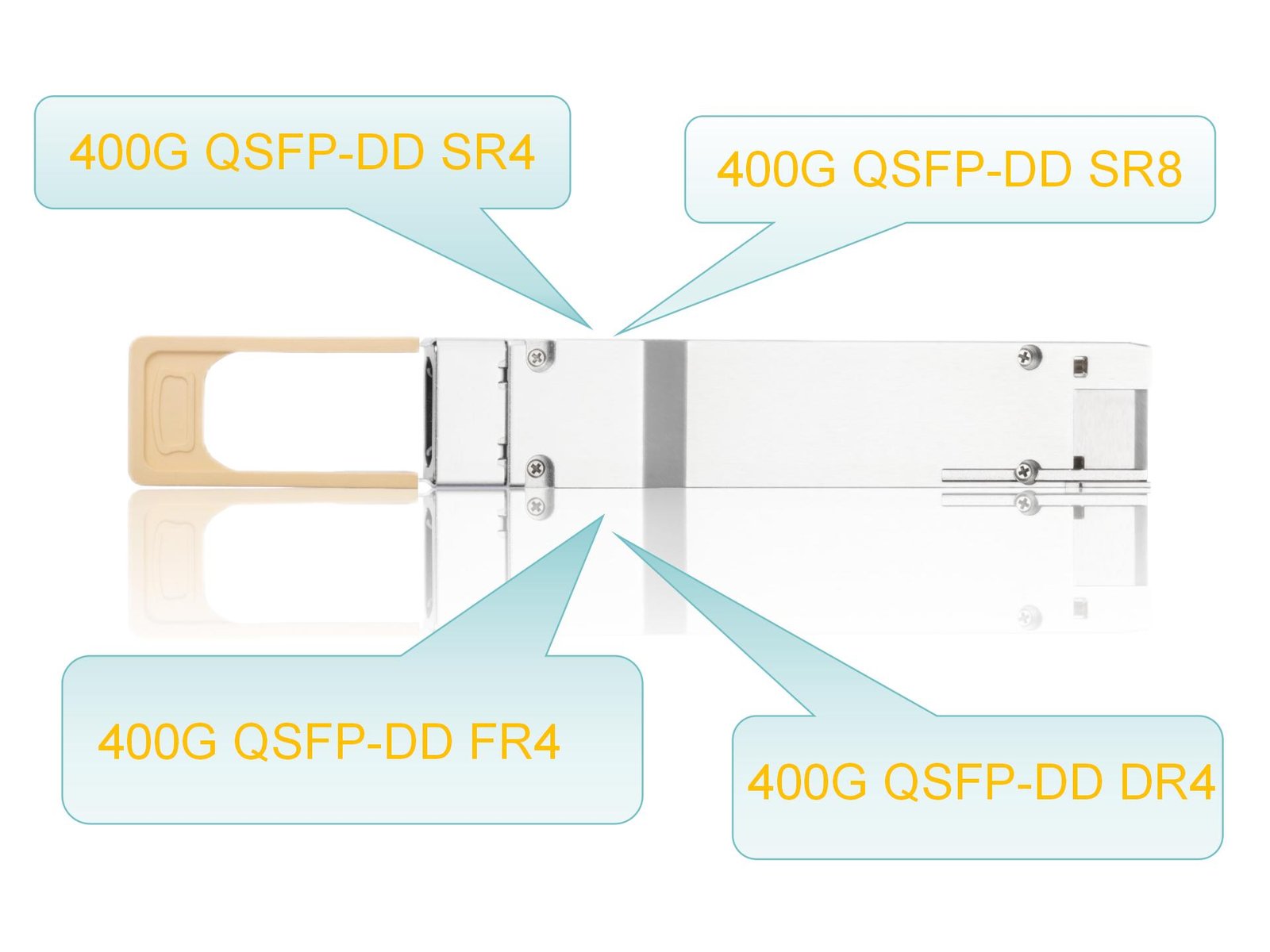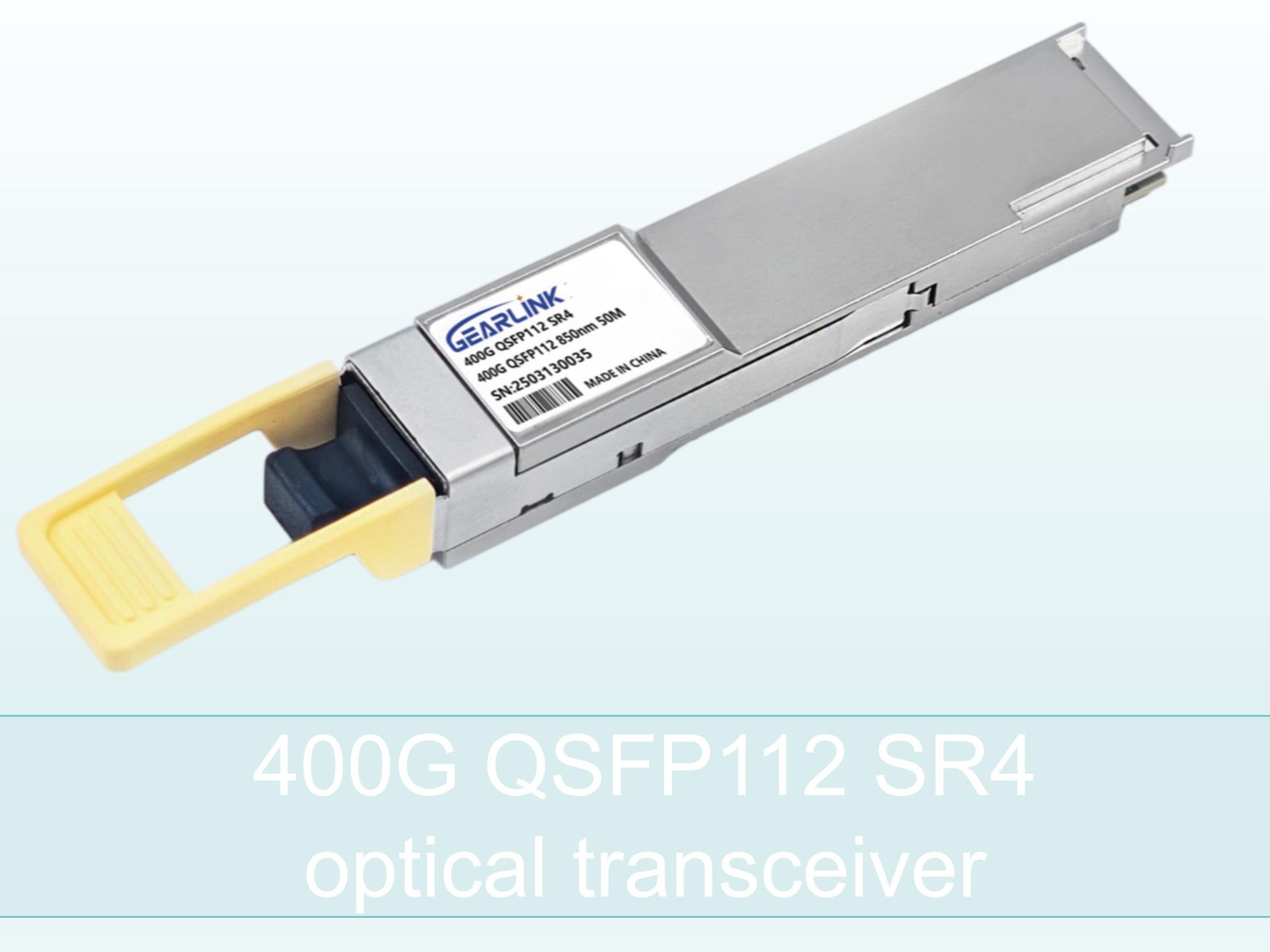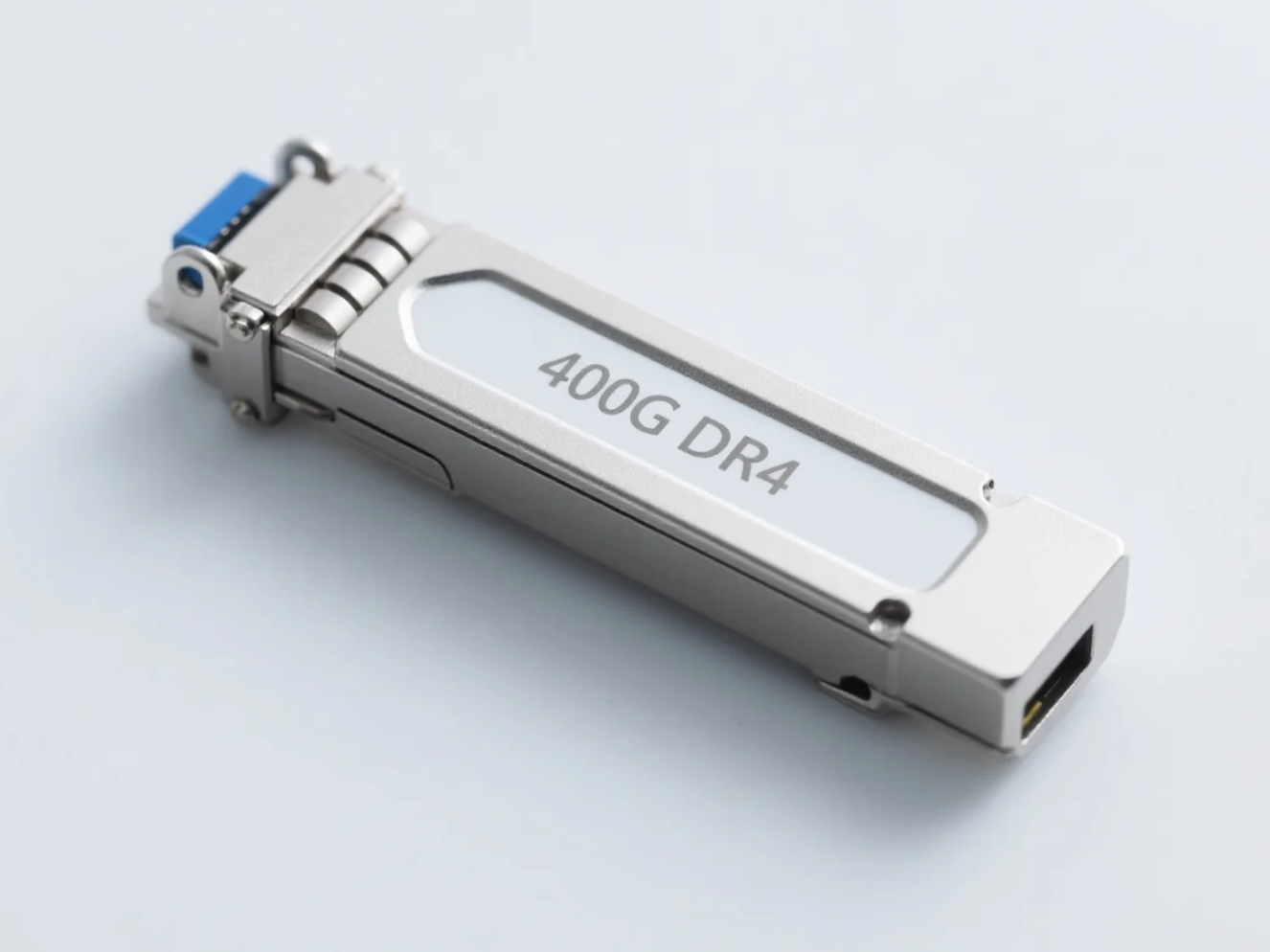
The rapid evolution of hyperscale data centers and cloud computing environments has pushed the boundaries of bandwidth requirements to unprecedented levels. As network architects transition from 100G infrastructures toward 400G and beyond, a pivotal technical debate has emerged regarding the most effective form factors. Navigating the choice between a 400G module vs OSFP module is not merely a matter of hardware selection; it is a strategic decision that impacts thermal efficiency, density, and long-term network scalability. At Optictran, we recognize that understanding these nuances is essential for engineers who are tasked with building the robust communication backbones of tomorrow.
The transition to higher speeds is fueled by the explosion of AI-driven traffic and the need for ultra-low latency. Consequently, the industry has seen a split in design philosophies. While many organizations seek the comfort of backward compatibility, others are looking toward the raw thermal headroom required for the next decade of silicon. In the following sections, we will break down the structural, thermal, and strategic advantages of these competing standards.
The Engineering Philosophy Behind 400G Module vs OSFP Module Standards
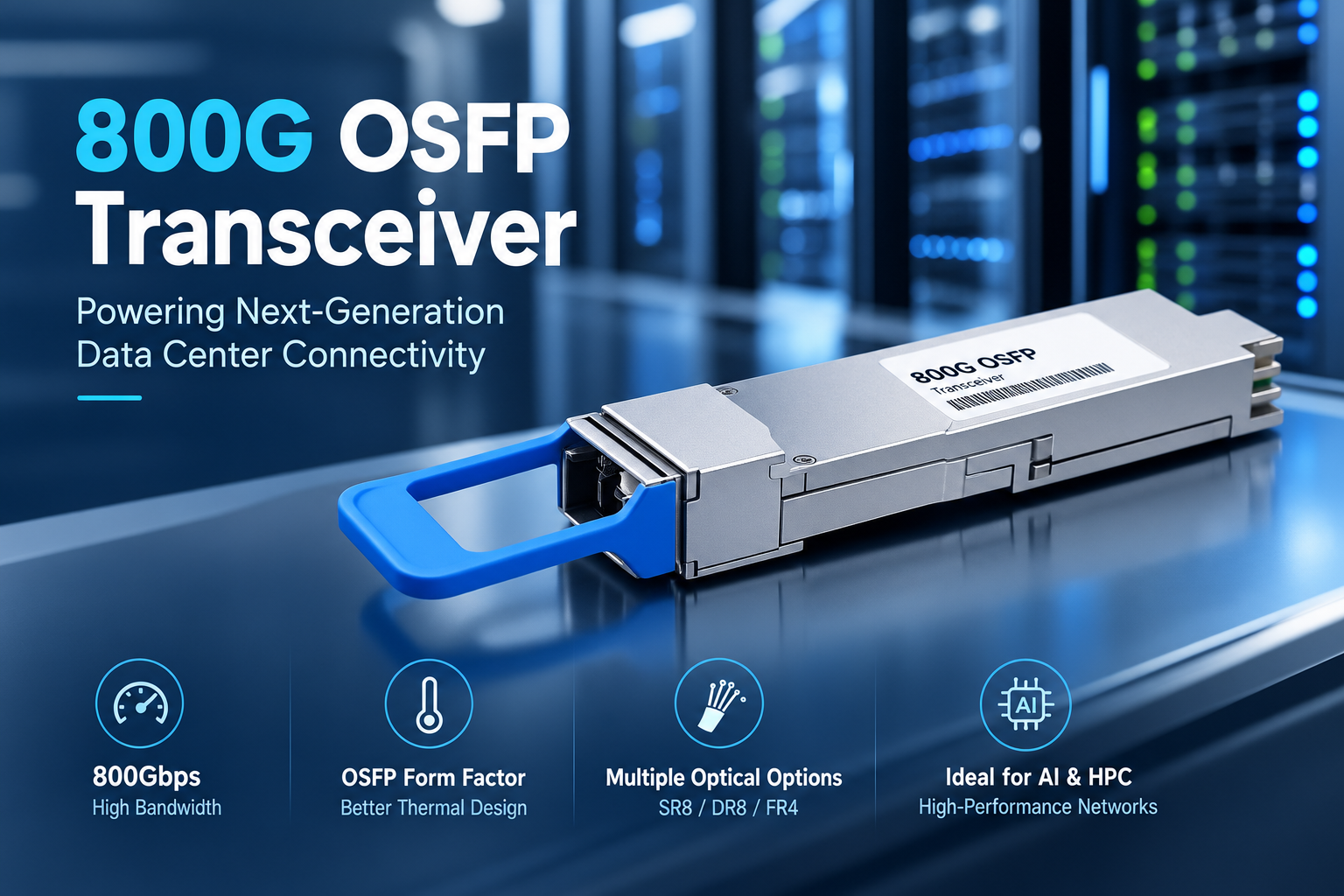
To appreciate the distinction between a 400G module vs OSFP module, one must first examine the physical and electrical engineering that defines these components. While “400G” refers to the data transmission rate of 400 Gigabits per second, the “OSFP” (Octal Small Form-factor Pluggable) represents a specific physical interface designed to handle this massive throughput. The industry has largely coalesced around two primary form factors for 400G applications: the QSFP-DD and the OSFP. However, the OSFP stands out due to its slightly larger footprint, which was intentionally engineered to support higher power consumption and superior heat dissipation.
Structural Differences in the OSFP Form Factor
The development of the OSFP was driven by a vision for the future where 800G and even 1.6T speeds would eventually become the norm. By integrating a larger surface area, the OSFP allows for integrated heat sinks directly on the module itself. This structural advantage is a primary talking point when comparing a 400G module vs OSFP module. While smaller modules might struggle with the intense heat generated by high-density silicon, the OSFP provides a reliable thermal path, ensuring that the optical components remain within optimal operating temperatures even under heavy workloads.
Electrical Interface and Lane Configuration
The electrical interface of an OSFP module is designed with eight lanes of 50G PAM4 (Pulse Amplitude Modulation), or in newer iterations, 100G per lane. This allows the system to reach the 400G target with high efficiency. When analyzing the 400G module vs OSFP module landscape, it becomes clear that while the OSFP requires more physical space on the switch faceplate, it offers a “future-proof” safety net. It eliminates the need for complex cooling solutions on the cage itself, as the module handles much of the thermal load independently.
Thermal Management Superiority: 400G Module vs OSFP Module Efficiency
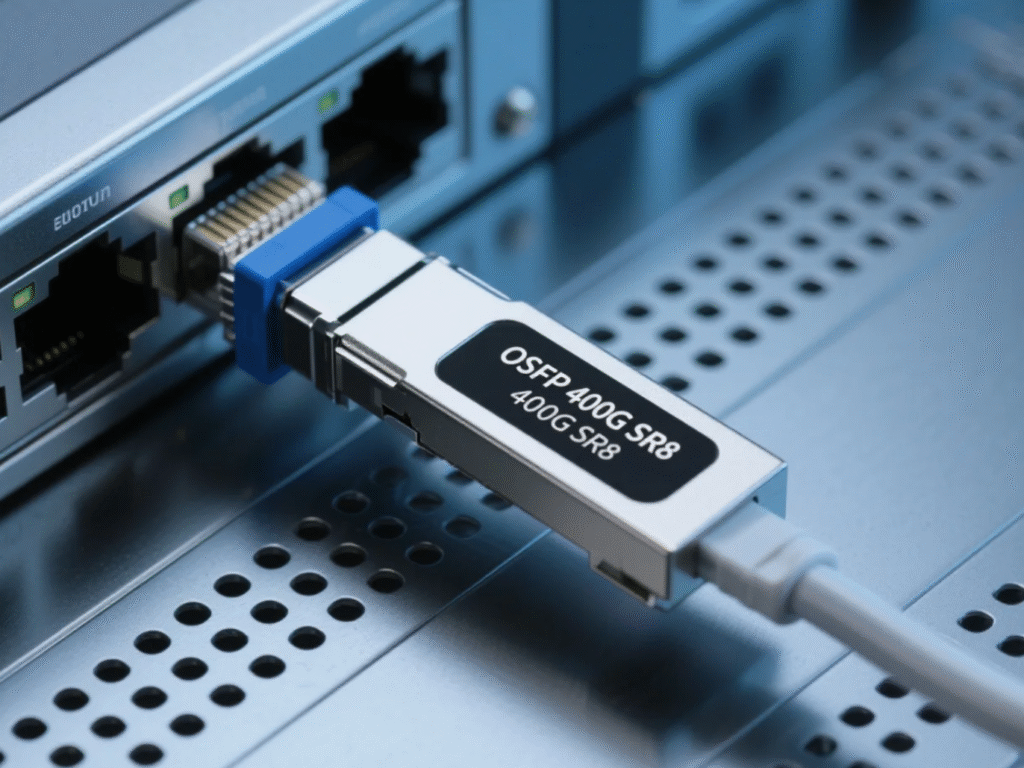
Thermal performance is arguably the most critical factor in the 400G module vs OSFP module comparison. In a high-density rack environment, heat is the enemy of reliability. The OSFP module is wider and deeper than its competitors, which allows it to accommodate more robust internal cooling mechanisms. This design choice enables the OSFP to handle power envelopes exceeding 15W, a threshold that is increasingly common as optical digital signal processors (DSPs) become more complex and power-hungry.
Solving the Heat Dissipation Challenge
In modern data centers, airflow management is a constant struggle for infrastructure managers. The OSFP’s integrated finned heat sink allows for better convective cooling compared to traditional flat-top designs. When we compare the thermal path of a standard 400G module vs OSFP module, the OSFP significantly reduces the thermal resistance between the optical engine and the ambient air. This results in a more stable wavelength performance and a lower bit-error rate (BER) over long-term operation, which is vital for maintaining uptime in mission-critical AI training clusters where any downtime leads to massive financial losses.
Power Consumption and Signal Integrity
As we move toward 400G, the power consumed per gigabit becomes a key metric for calculating Total Cost of Ownership (TCO). The OSFP design provides enough internal “breathing room” for advanced DSPs to operate without thermal throttling. This internal space allows for better isolation of sensitive optical components from the heat-generating electrical components. Consequently, many large-scale data center operators prefer OSFP when they anticipate a rapid migration to higher power-draw optics, as it minimizes the risk of overheating-induced signal degradation during peak traffic hours.
Strategic Implementation of the 400G Module vs OSFP Module in Global Networks
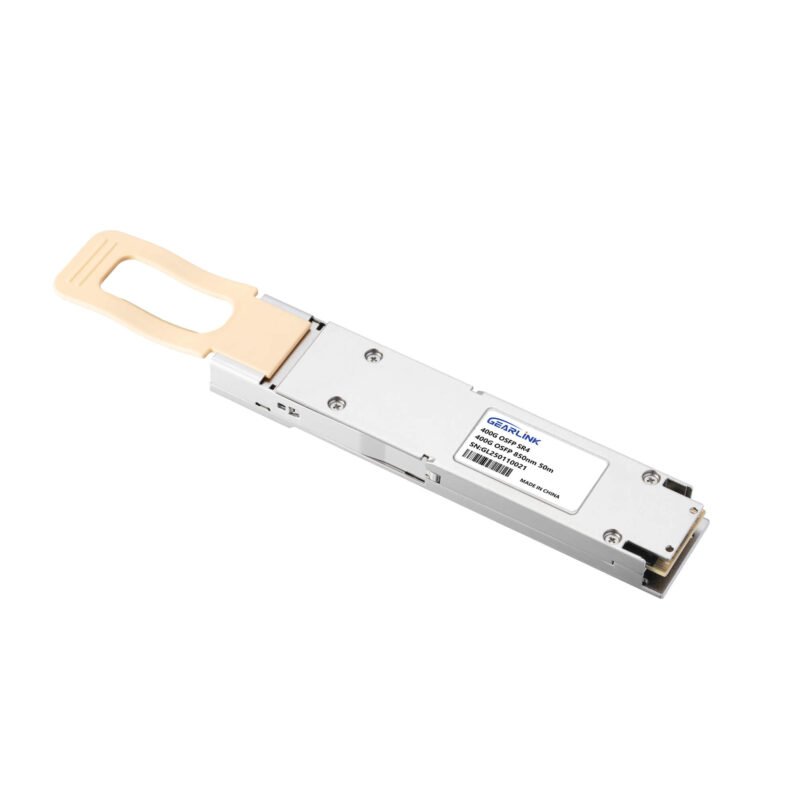
400GBASE-SR4 OSFP 850nm 50m DOM MPO-12/APC MMF Optical Transceiver Module
Price range: NT$499 through NT$898
Choosing the right path in the 400G module vs OSFP module debate often depends on the existing legacy infrastructure of the facility. For many enterprises, backward compatibility is a significant concern that dictates their purchasing cycle. The OSFP requires a specialized mechanical adapter to support legacy 100G QSFP modules, whereas other 400G form factors might offer more direct compatibility. However, for “greenfield” projects—new data center builds where the highest possible performance is required—the OSFP is frequently the preferred choice.
Compatibility and Port Density Considerations
While the OSFP is physically larger, switch manufacturers have designed high-density panels that can accommodate 32 or even 36 ports of OSFP in a 1U chassis. This allows for a staggering 14.4 Tbps of total throughput in a single rack unit. When weighing a 400G module vs OSFP module, users must consider if their priority is maximizing the number of legacy ports or ensuring that each port can eventually scale to 800G. The OSFP clearly wins in the scalability category, even if it requires a slight departure from the traditional QSFP ecosystem that dominated the 10G to 100G era.
Application Scenarios in AI and Machine Learning
The global market for optical transceivers is shifting toward these higher-capacity modules as AI clusters demand low-latency interconnects for GPU-to-GPU communication. In these specialized environments, the 400G module vs OSFP module choice is often dictated by the switch silicon being used, such as the Broadcom Tomahawk series. High-end switches from leading manufacturers are increasingly shipping with OSFP ports to take advantage of the superior signal integrity. By selecting OSFP, users are effectively investing in a platform that will transition more gracefully into the next decade of networking.
Long-term Value: Why the 400G Module vs OSFP Module Debate Matters Today
In conclusion, the decision-making process involving a 400G module vs OSFP module should be guided by specific operational requirements and long-term goals. While 400G is the standard, the OSFP form factor is the vessel that allows this standard to reach its full potential in demanding environments. For users who prioritize thermal stability and a clear path to 800G, the OSFP module is an unparalleled solution that offers peace of mind.
At Optictran, we remain committed to providing the technical insights and high-performance hardware necessary to power these advanced networks. We believe that by choosing the OSFP architecture, organizations are not just buying a transceiver; they are securing their network’s future. Whether you are upgrading an existing facility or building a new AI-driven data center, understanding the nuances of the 400G module vs OSFP module is the first step toward a successful deployment that will stand the test of time.
Frequently Asked Questions (FAQ)
Q: Can I plug an OSFP module into a QSFP-DD port?
A: No. The 400G module vs OSFP module designs are physically different in size and pin configuration. They are not interchangeable. You must use the specific cage designed for each form factor.
Q: Why does OSFP have a built-in heat sink?
A: The OSFP was designed for much higher power consumption. By integrating the heat sink onto the module, it allows for better heat dissipation directly from the airflow of the switch, enabling the use of high-power 800G and coherent optics.
Q: Is QSFP-DD becoming obsolete with the rise of OSFP?
A: Not at all. QSFP-DD remains the industry standard for high-density 400G switches due to its backward compatibility with QSFP28. It is widely supported by major switch vendors for enterprise and cloud applications.
Q: Which module is better for AI and Machine Learning clusters?
A: Many AI clusters are opting for the OSFP module because of its superior thermal performance, which is critical when running high-duty-cycle workloads that generate constant heat across the network fabric.