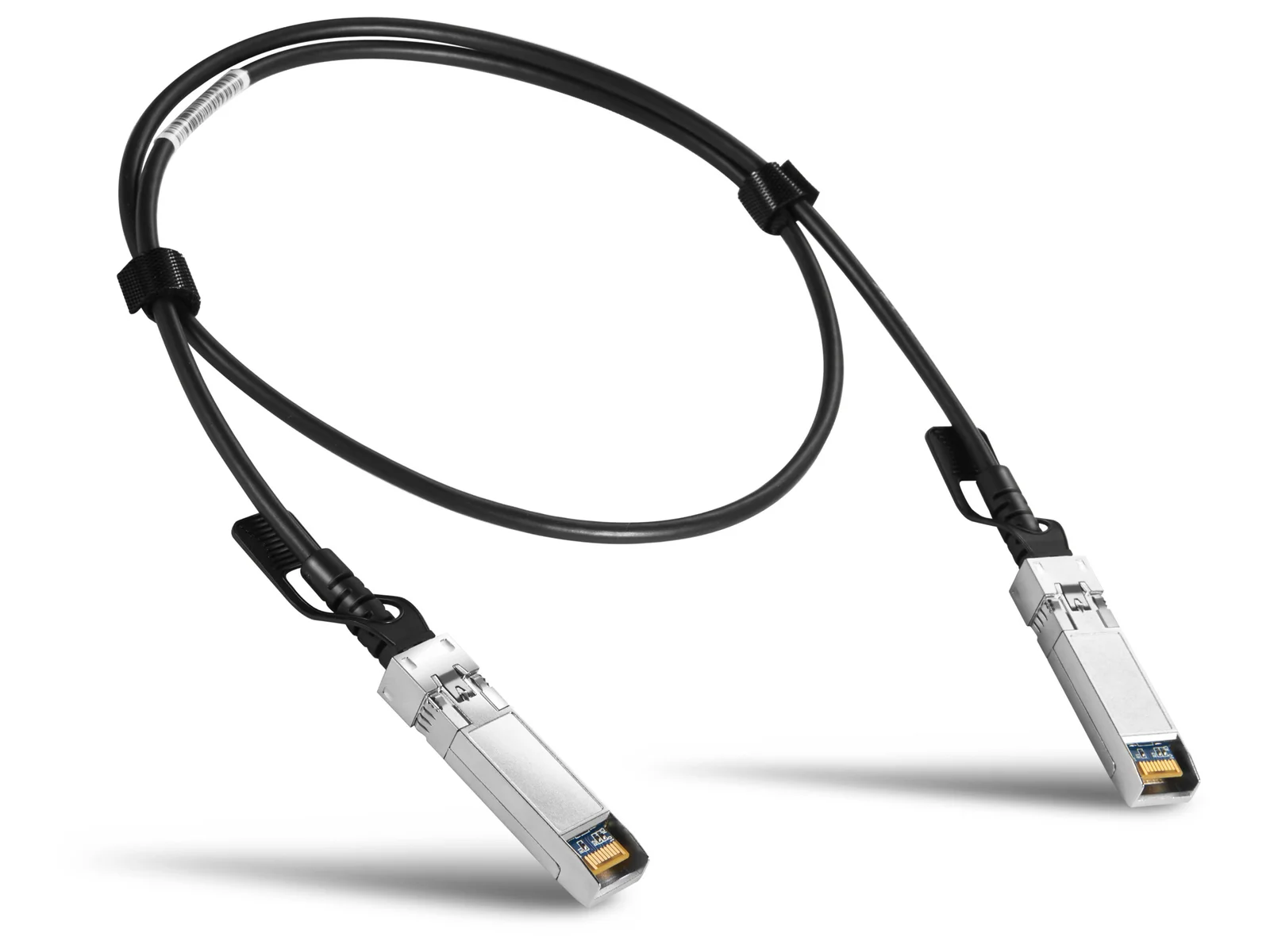
Network infrastructure costs are rising, yet the demand for higher bandwidth never slows down. For data center managers and B2B procurement officers, finding a balance between performance and budget is critical. A direct attach cable (DAC) often represents the most efficient solution for short-range connectivity.
I frequently see enterprises overspend on optical transceivers for connections within the same rack. This is unnecessary. By understanding the specific applications of copper twinax solutions, you can significantly reduce power consumption and hardware costs. This guide helps you navigate the technical and commercial aspects of selecting the right cabling.
The Strategic Value of the Direct Attach Cable Market
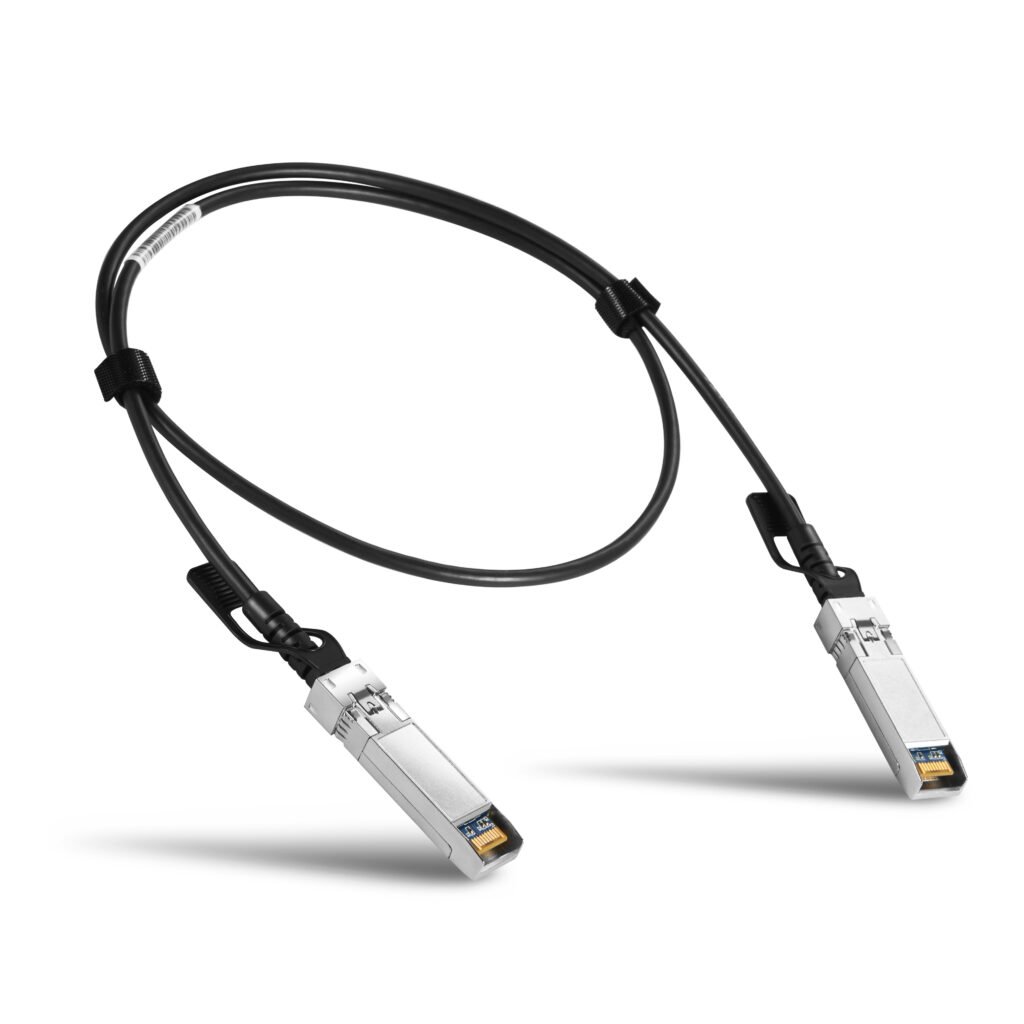
The global direct attach cable market has shifted significantly toward high-density deployments. Modern data centers rely heavily on Top-of-Rack (ToR) switching architectures. In these scenarios, servers and switches are located within a few meters of each other.
Using fiber optics for these short distances is often overkill. DACs use twinaxial copper wire, which offers lower latency compared to optical conversion processes. According to industry standards for 10 Gigabit Ethernet, copper solutions provide a robust physical medium for these short links.
For B2B buyers, this translates to reduced Capital Expenditure (CapEx). A DAC creates a direct electrical connection. It eliminates the expensive lasers and detectors found in optical transceivers. Consequently, your “price per port” drops drastically when deploying hundreds of connections.
Analyzing 10G Direct Attach Cable Specifications
When evaluating a 10g direct attach cable, you are looking at a specific standard known as SFP+ (Small Form-factor Pluggable Plus). These cables must adhere to the SFF-8431 specification to ensure electrical interoperability.
The construction typically involves shielded copper pairs. The wire gauge (AWG) determines the cable’s thickness and maximum distance.
- 24 AWG: Thicker, supports longer distances (up to 7 meters active).
- 30 AWG: Thinner, more flexible, used for very short links (1 to 3 meters).
Reliability depends on shielding. High-quality sfp+ direct attach cable assemblies prevent electromagnetic interference (EMI). In dense server racks, poor shielding leads to packet loss. Therefore, checking the manufacturer’s compliance with Multi-Source Agreements (MSA) is non-negotiable for professional deployments.
Sourcing and Quality: China Direct Attach Cables
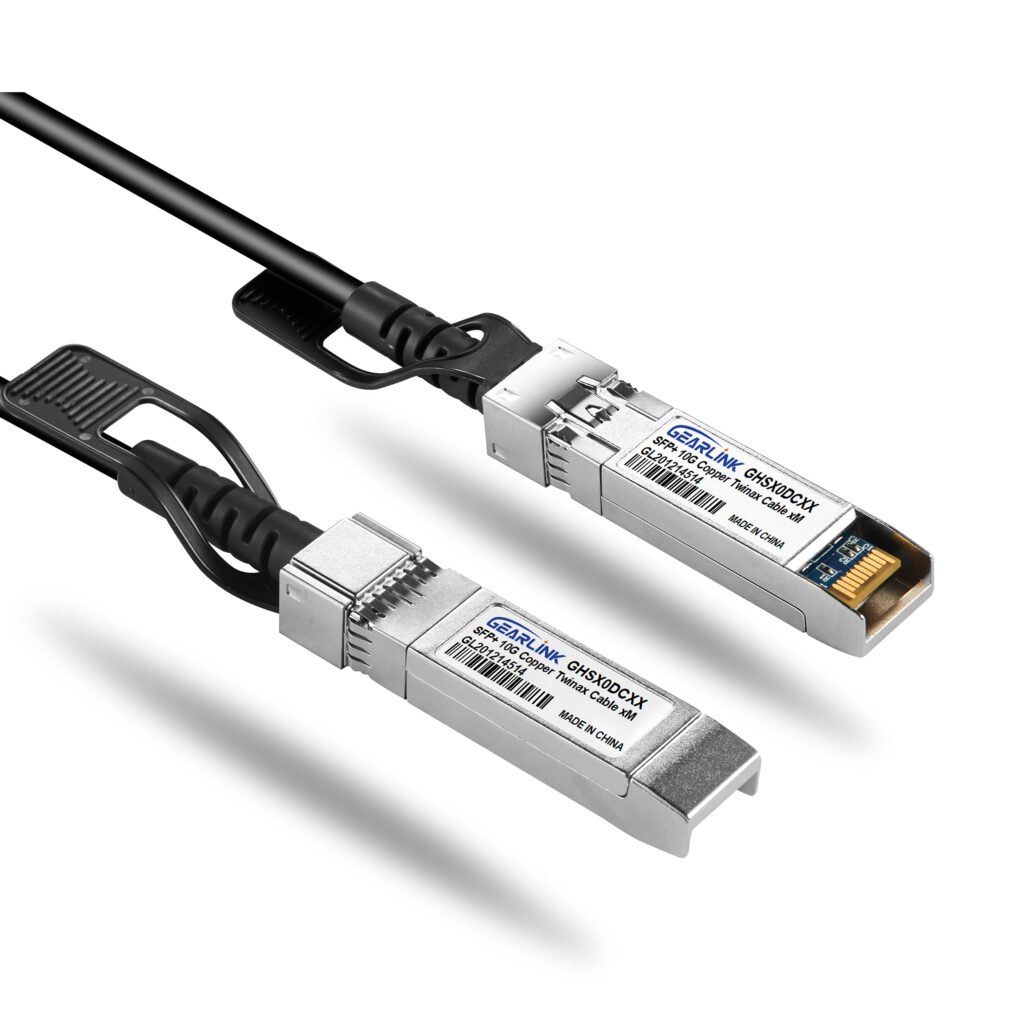
Supply chain resilience is a major concern for enterprise buyers today. A significant portion of the global supply comes from china direct attach cables manufacturers. The region has developed a mature ecosystem for passive and active copper assemblies.
Sourcing from China offers cost advantages, but vetting is essential. You must distinguish between generic, untested cables and those from reputable OEM suppliers.
- MSA Compliance: Does the cable code match the switch brand (e.g., Cisco, Arista, Juniper)?
- Testing Protocols: Has the supplier performed insertion loss and return loss testing?
High-quality manufacturing in China now rivals traditional Western brands. The key is demanding transparency regarding the testing reports and raw material sources.
Active vs. Passive DAC: Making the Technical Choice
Selecting between active and passive variants is a common hurdle. This decision impacts both budget and signal integrity.
Passive DACs contain no active components. They simply transmit electrical signals over the copper wire. They are cheaper and consume zero power (roughly 0.1W or less due to the port itself). However, they are typically limited to 5 meters or less.
Active DACs feature signal processing chips in the connectors. These chips amplify the signal and filter out noise. This allows the cable to reach up to 10 or 15 meters and use thinner, more flexible wire. If your layout requires routing cables between adjacent racks, an active direct attach cable is likely necessary.
How to Select Reliable 10G SFP+ Solutions
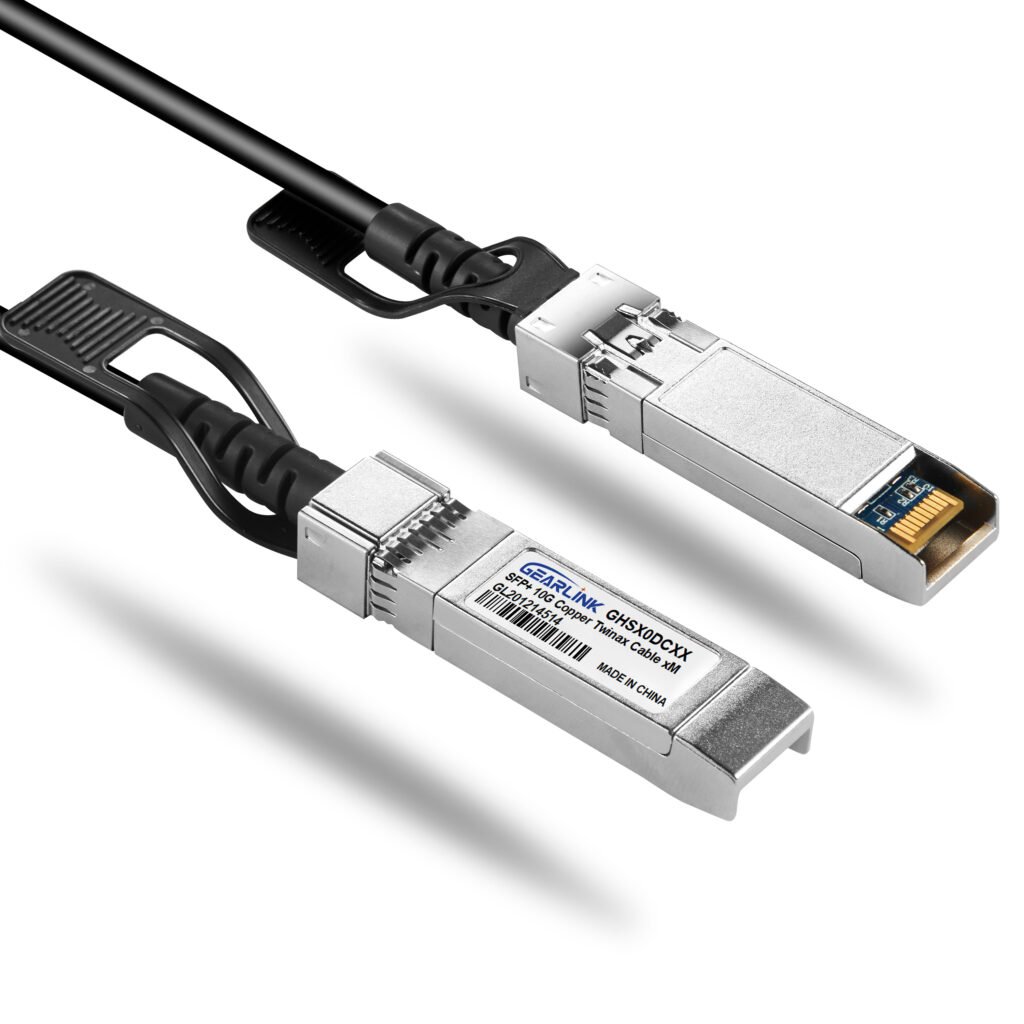
Choosing the right cabling goes beyond just reading a spec sheet. You need to ensure the product fits your specific physical and technical environment.
Check Compatibility Coding
Your cable must “speak” the language of your switch. Many switch manufacturers lock their ports to specific vendor codes. Ensure your supplier can code the 10g direct attach cable for your specific hardware.
Evaluate Physical Flexibility
Cable management is vital for airflow. Thicker cables (lower AWG) can block ventilation in high-density racks. If you only need a 1-meter connection, opt for a higher AWG (thinner) cable to improve ease of installation.
Verify Data Integrity
For critical infrastructure, look for bit error rate (BER) guarantees. A reliable supplier will stand behind their product’s performance. For those evaluating specific product parameters, you can examine the technical details of the 10G SFP+ Passive Direct Attach Copper Twinax Cable. This page provides a clear example of the specifications required for enterprise-grade deployment.
Summary
A direct attach cable is the backbone of cost-effective, high-performance data center connectivity. By choosing the correct 10g direct attach cable, you reduce latency and power consumption. Whether sourcing china direct attach cables or local options, prioritize MSA compliance and proper AWG selection to ensure network stability.
FAQ
1. What is the maximum distance for a 10G SFP+ direct attach cable?
Passive DACs typically reach up to 5 or 7 meters, while active DACs can transmit data up to 15 meters.
2. Is a direct attach cable compatible with all switch brands?
Physical compatibility is standard (SFP+), but the internal EEPROM coding must match the specific switch manufacturer (e.g., Cisco, HP) to function correctly.
3. What is the difference between DAC and AOC?
DAC uses copper wire for short distances, whereas AOC (Active Optical Cable) uses fiber optics, supporting longer distances and providing better EMI immunity.
4. Can I use a 10G DAC in an SFP28 (25G) port?
Yes, most SFP28 ports are backward compatible with sfp+ direct attach cable assemblies, but they will operate at 10Gbps speeds.
5. Why are direct attach cables cheaper than optical transceivers?
They lack expensive optical lasers and detectors, consisting primarily of copper wire and simple connectors, which lowers manufacturing costs.
Reference Sources
SNIA (Storage Networking Industry Association) | SFF-8431 Specifications for SFP+
IEEE (Institute of Electrical and Electronics Engineers) | IEEE 802.3 Ethernet Standards
Cisco Systems | SFP+ Twinax Cable Assembly Data
Wikipedia | Twinaxial Cabling and SFP definitions