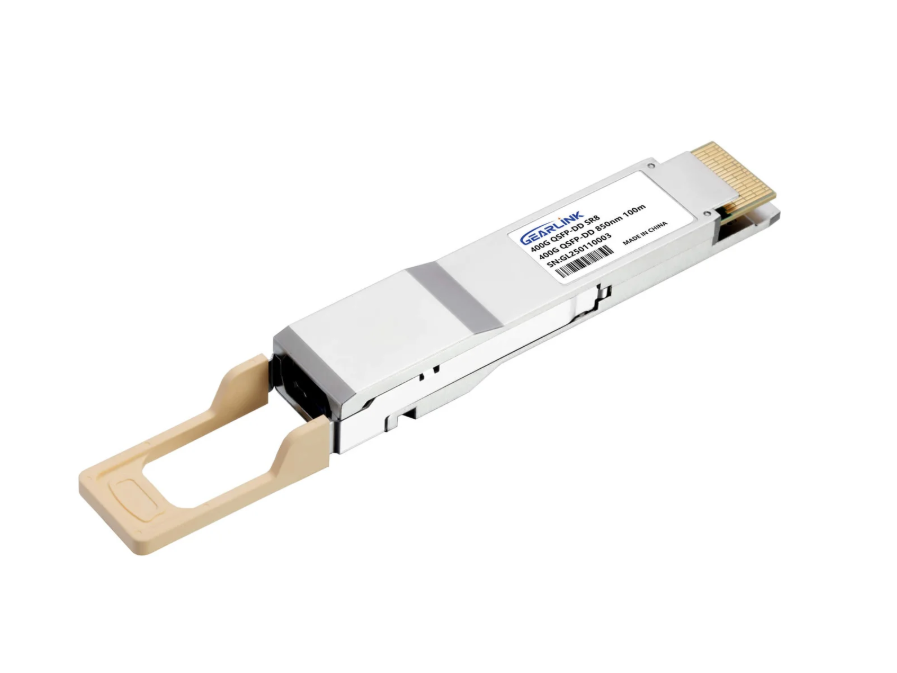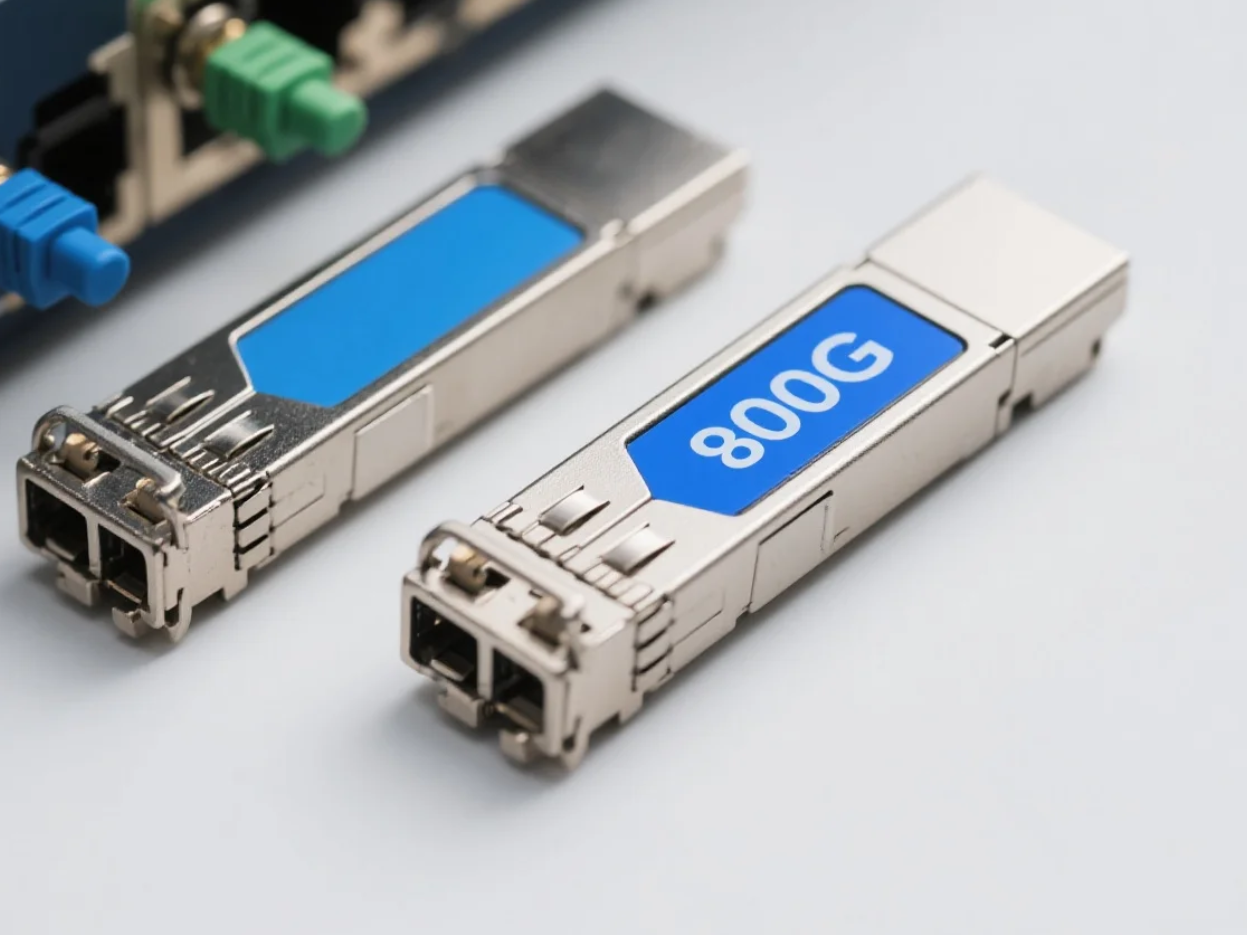
As a network infrastructure professional, you are likely facing the urgent demand to double your data center bandwidth. The transition to the 800g optical transceiver is no longer just a roadmap concept; it is a deployment reality. However, navigating the complexities of form factors and signal modulation requires careful commercial investigation. I have analyzed the critical standards and manufacturing criteria to help you make informed procurement decisions. This guide addresses the technical and supply chain factors necessary for a successful upgrade.
Understanding Form Factors: OSFP vs. QSFP-DD
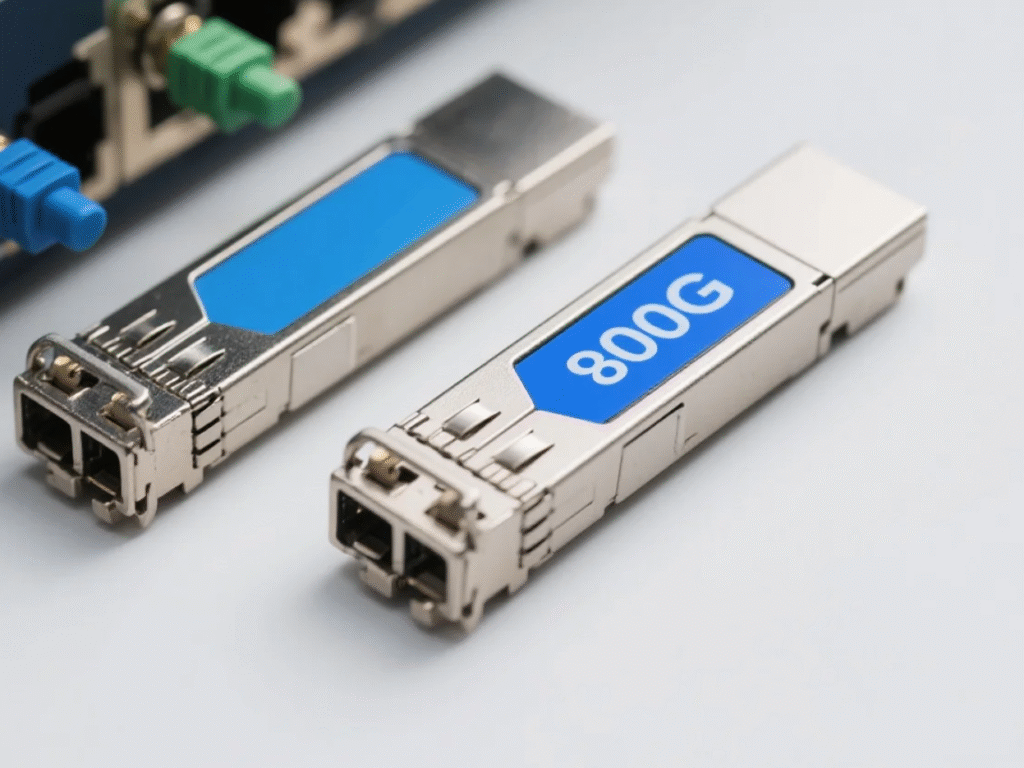
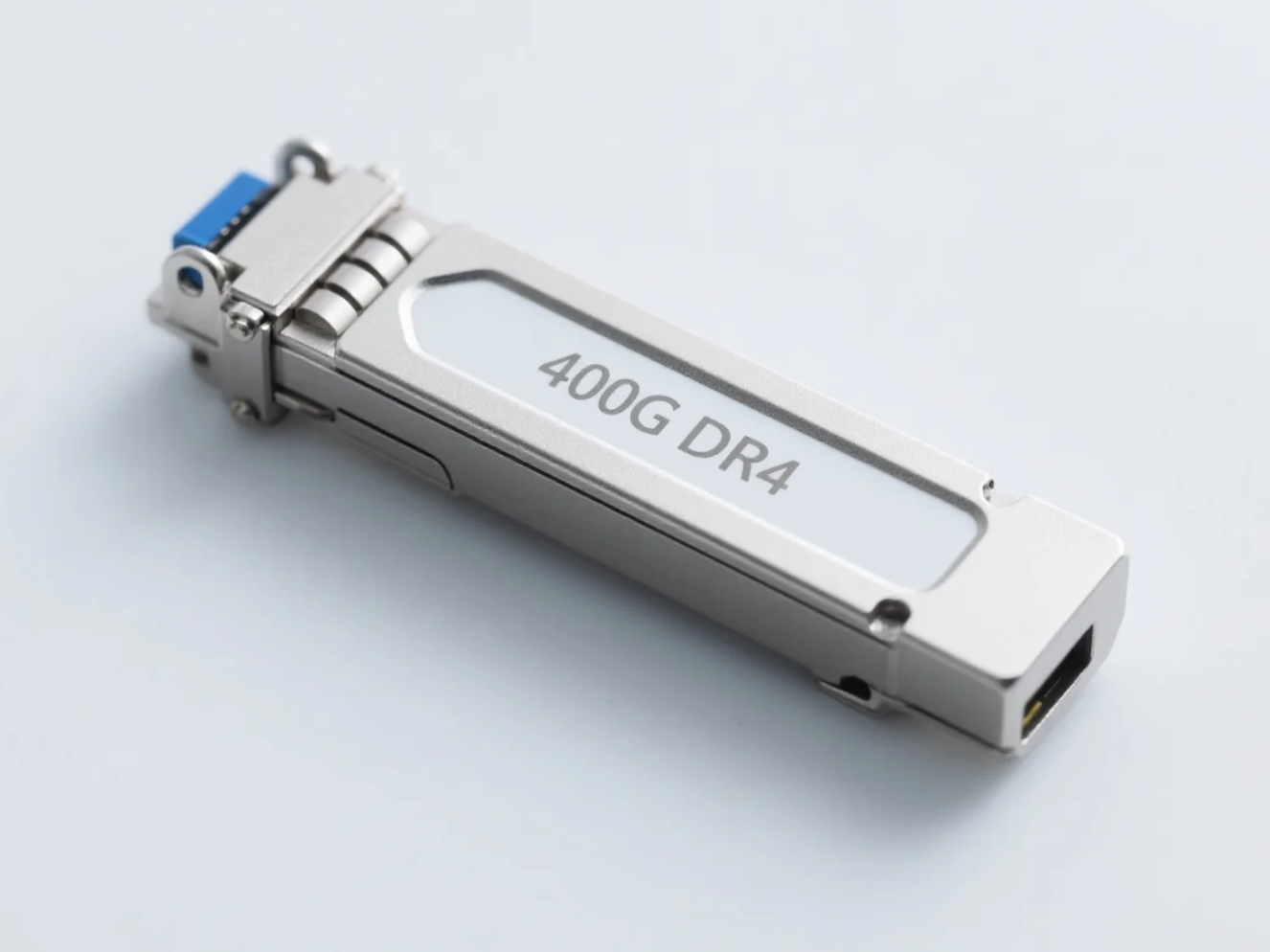
The first decision in your sourcing strategy involves selecting the correct form factor. The two dominant standards are the OSFP (Octal Small Form-factor Pluggable) and the QSFP-DD (Quad Small Form-factor Pluggable Double Density). According to the OSFP MSA (Multi-Source Agreement), the OSFP module is designed with integrated heat sinks. This design allows for superior thermal management, which is critical for 800G operations.
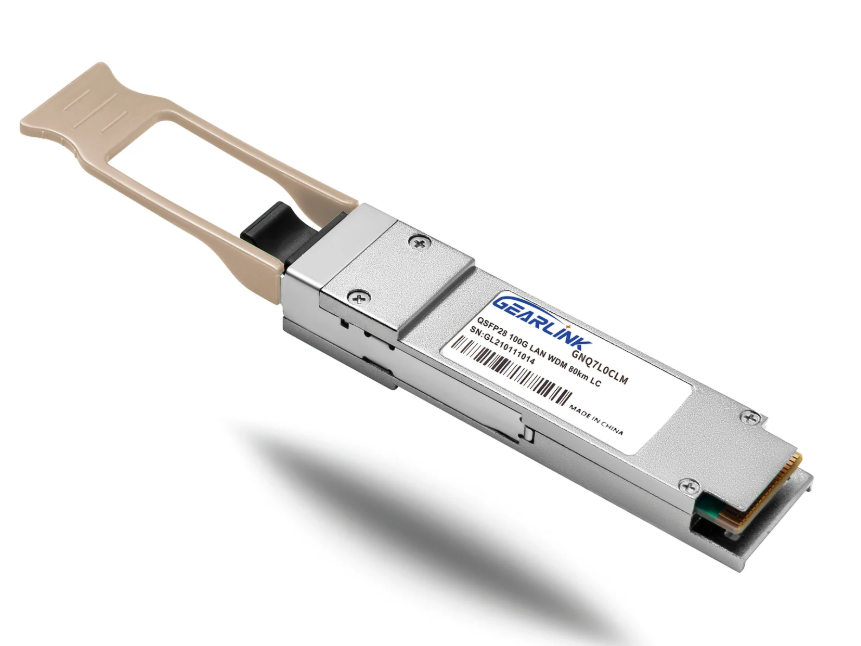
QSFP-DD remains popular because it offers backward compatibility with existing QSFP28 and QSFP56 ports. This allows you to upgrade legacy systems without replacing every cage in your rack. However, the tighter thermal constraints of QSFP-DD can be challenging at higher power levels. You must verify if your switch architecture supports the thermal envelope of the specific module you choose.
If you are building a greenfield data center, OSFP often provides a more future-proof thermal path. It supports higher wattage, paving the way for future 1.6T upgrades.
evaluating an 800g Optical Transceiver Factory
Selecting a reliable manufacturing partner is as important as the technology itself. A competent 800g optical transceiver factory must adhere to rigorous IEEE 802.3 standards. The manufacturing process for 800G modules involves complex PAM4 (Pulse Amplitude Modulation 4-level) signaling. This modulation technique transmits two bits per symbol, doubling the data rate compared to NRZ (Non-Return-to-Zero).
You should inquire about the factory’s testing capabilities regarding TDECQ (Transmitter and Dispersion Eye Closure Quaternary). This metric defines the quality of the optical signal. A factory without advanced TDECQ testing equipment cannot guarantee that their modules will perform error-free over fiber.
Ask for data on Bit Error Rate (BER) performance before and after Forward Error Correction (FEC). Reliable manufacturers will provide detailed test reports for every batch. Quality control at the factory level prevents costly network downtime later.
The Role of a Qualified 800g Optical Transceiver Wholesaler
Sourcing directly from a factory is not always feasible for every order size. This is where a specialized 800g optical transceiver wholesaler becomes a strategic asset. A good wholesaler bridges the gap between raw manufacturing output and your specific deployment needs. They often handle the critical task of firmware coding.
Your switches—whether from Cisco, Arista, or Juniper—require specific transceiver coding to recognize the module. A generalist supplier may ship “generic” coding that fails to link up in your specific environment. You need a partner who understands the nuances of EEPROM coding for different OEM platforms.
Furthermore, supply chain diversity is vital. The Ethernet Alliance notes that interoperability between different vendors is key to a healthy ecosystem. A wholesaler who stocks compatible inventory ensures you are not locked into a single point of failure during shortages.
Power Efficiency and Signal Reach
Power consumption is a major operational expense in modern data centers. 800G modules draw significantly more power than their 400G predecessors. Efficient designs typically consume between 16W and 20W per module. When you multiply this across thousands of ports, the difference in efficiency impacts your cooling bill substantially.
You must also match the module type to your required distance.
- DR8 (Distributed Reach): Uses single-mode fiber for reaches up to 500 meters.
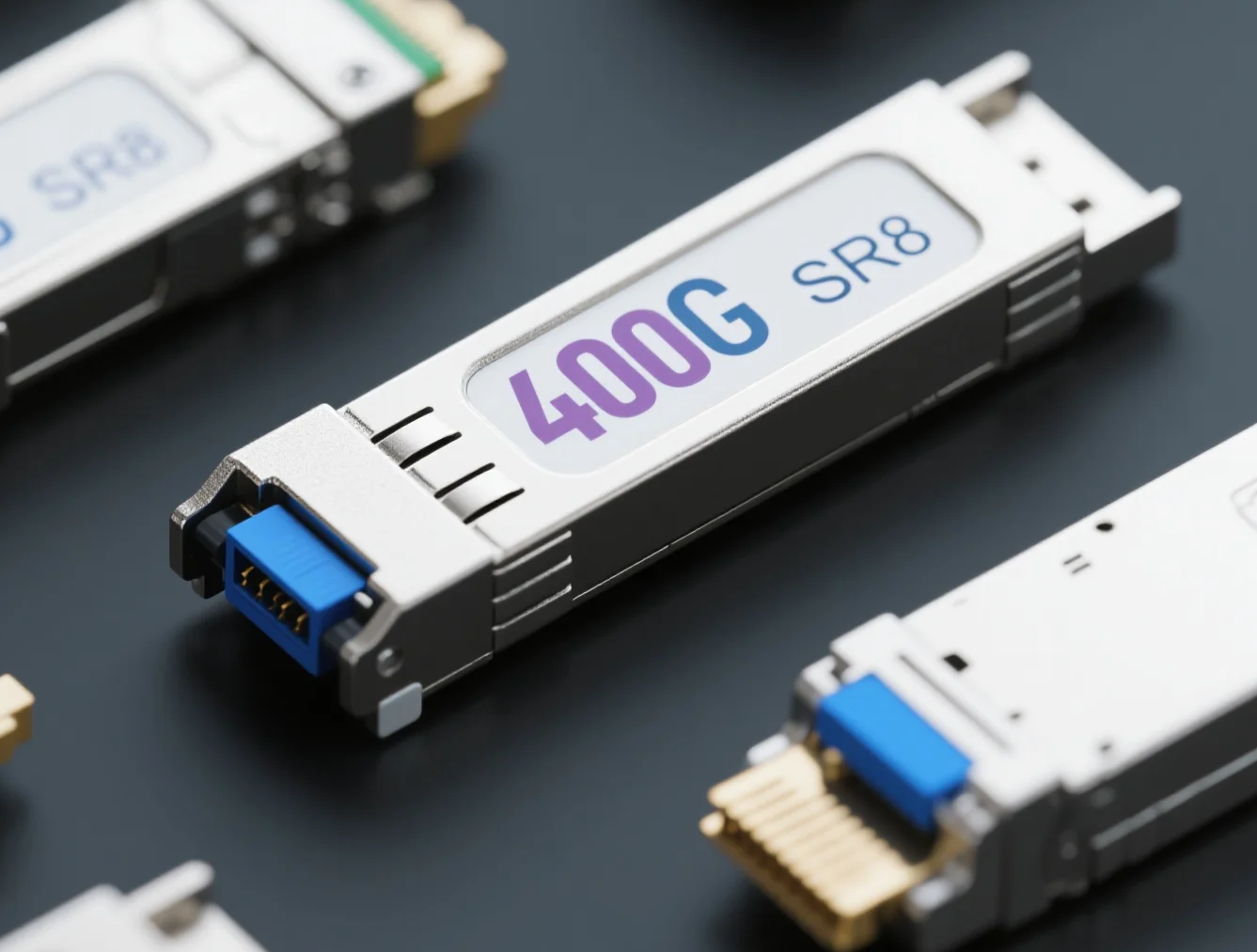
- SR8 (Short Reach): Uses multi-mode fiber for reaches up to 100 meters.
Choosing the wrong reach specification is a common procurement error. Using a DR8 module for a short server-to-switch connection is a waste of budget. Conversely, an SR8 module will fail over long distances. Align your reach requirements strictly with your physical cable plant topology.
How to Determine if the 800G OSFP SR8 Suits Your Network
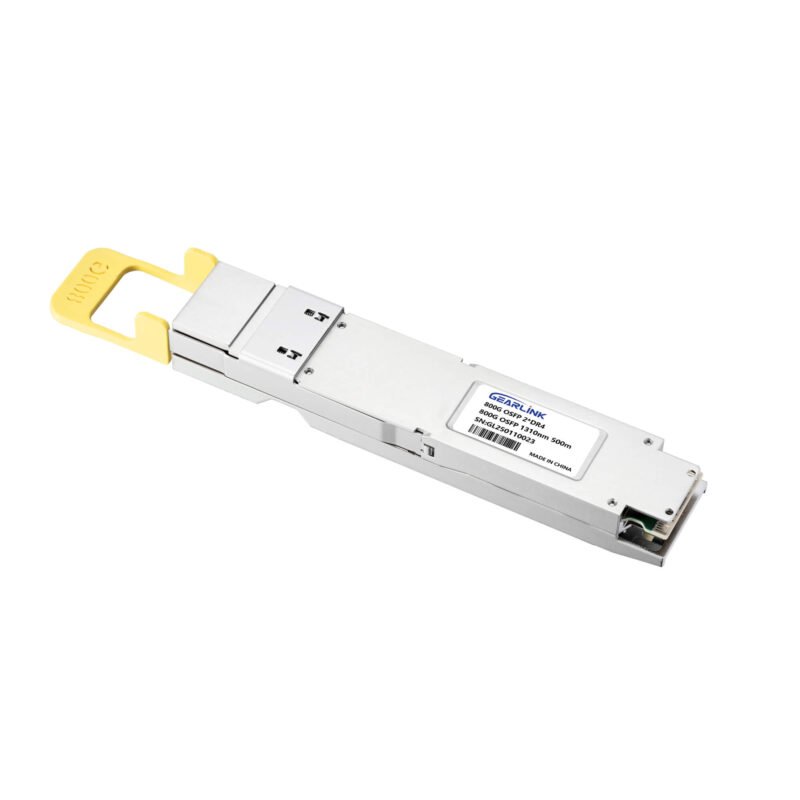
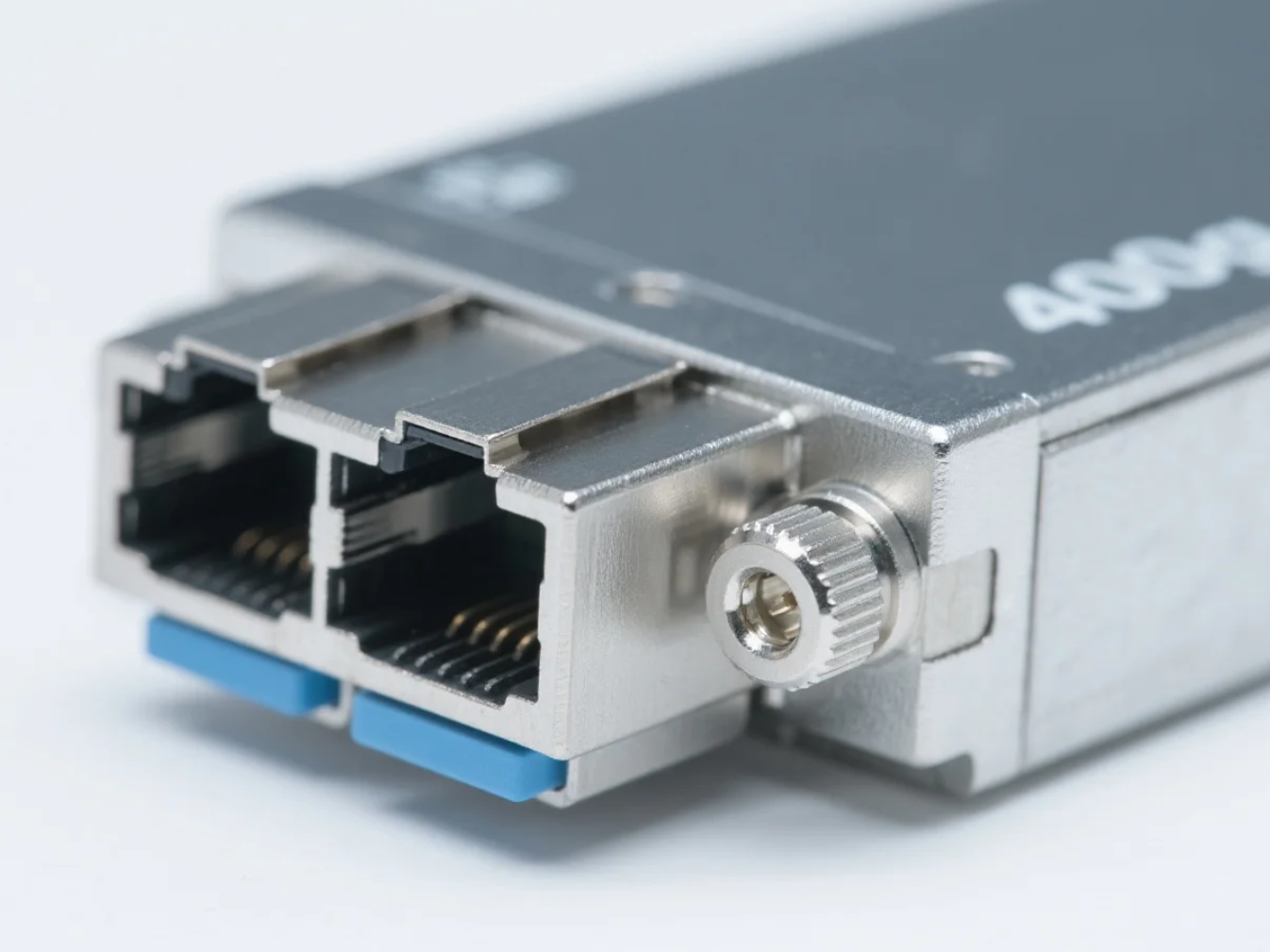
800GBASE 2 x DR4/DR8 OSFP PAM4 1310nm 500m DOM Dual MPO-12/APC SMF Optical Transceiver Module
Price range: NT$1,699 through NT$1,768
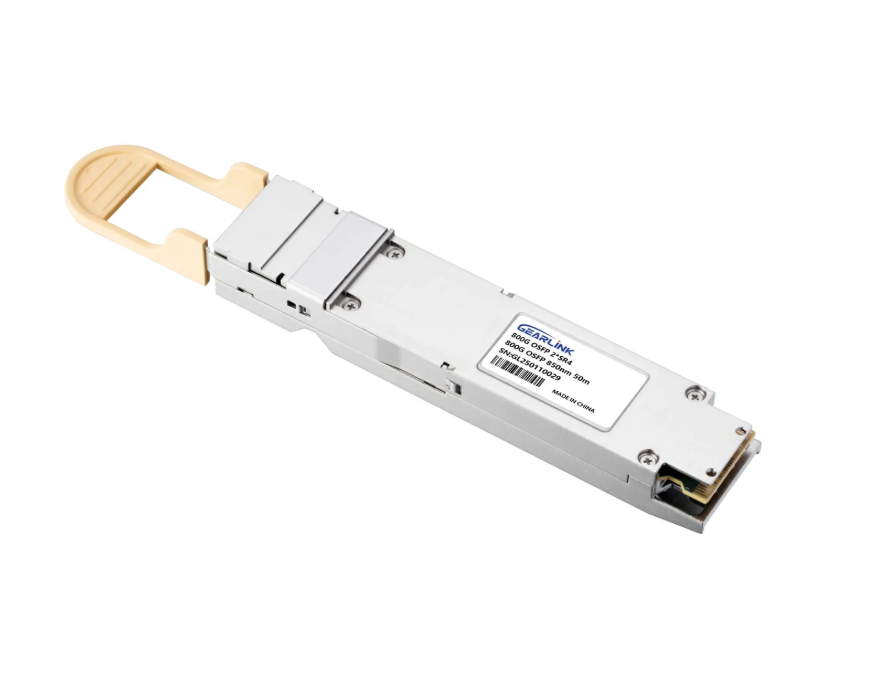
When you are ready to select a specific product, you must evaluate the “fit” for your specific architecture. The 800G OSFP SR8 Transceiver Module is specifically engineered for high-density, short-distance interconnects. This usually applies to connections between servers and Top-of-Rack (ToR) switches or between leaf and spine switches in a nearby row.
Key Evaluation Criteria:
- Cable Infrastructure: Do you currently utilize OM4 or OM5 multi-mode fiber? This module is optimized for these cabling types, leveraging the MPO-16 connector.
- Thermal Headroom: Does your switch gear accommodate OSFP form factors with adequate airflow?
- Cost Efficiency: For distances under 100 meters, this SR8 solution is significantly more cost-effective than single-mode alternatives.
If your network layout matches these criteria, this specific module offers a balance of performance and economy. It avoids the overkill of long-range optics while delivering full 800G throughput.
Summary
Upgrading to an 800g optical transceiver requires balancing form factors, power consumption, and rigorous vendor vetting. Whether dealing with a 800g optical transceiver factory or a wholesaler, always prioritize TDECQ testing and firmware compatibility. By aligning your specific distance needs—such as using SR8 for short reaches—you ensure a cost-effective and reliable high-speed network.
FAQ
Q1: What is the difference between 800G OSFP and QSFP-DD?
OSFP is slightly larger and has better thermal management (integrated heatsink), while QSFP-DD is backward compatible with QSFP28/56 ports but has tighter thermal constraints.
Q2: Why is PAM4 modulation important for 800G transceivers?
PAM4 allows the transmission of two bits per symbol, effectively doubling the data rate compared to older modulation methods, which is essential for achieving 800G speeds.
Q3: Can I use an 800G transceiver in a 400G port?
Generally, yes, if the form factor matches (e.g., QSFP-DD) and the port supports auto-negotiation or breakout modes, but you must verify specific switch compatibility.
Q4: What is the typical range of an 800G SR8 module?
An 800G SR8 module typically supports distances up to 60 meters on OM3 fiber and up to 100 meters on OM4 multi-mode fiber.
Q5: How much power does an 800G transceiver consume?
Power consumption varies by model and manufacturer, but typical 800G modules consume between 14W and 20W depending on the reach and technology used.
Reference Sources
OSFP MSA (Octal Small Form-factor Pluggable Multi-Source Agreement)
https://osfpmsa.org/
Ethernet Alliance (Industry Consortium)
https://ethernetalliance.org/
IEEE Standards Association (IEEE 802.3 Ethernet Working Group)
https://www.ieee.org/