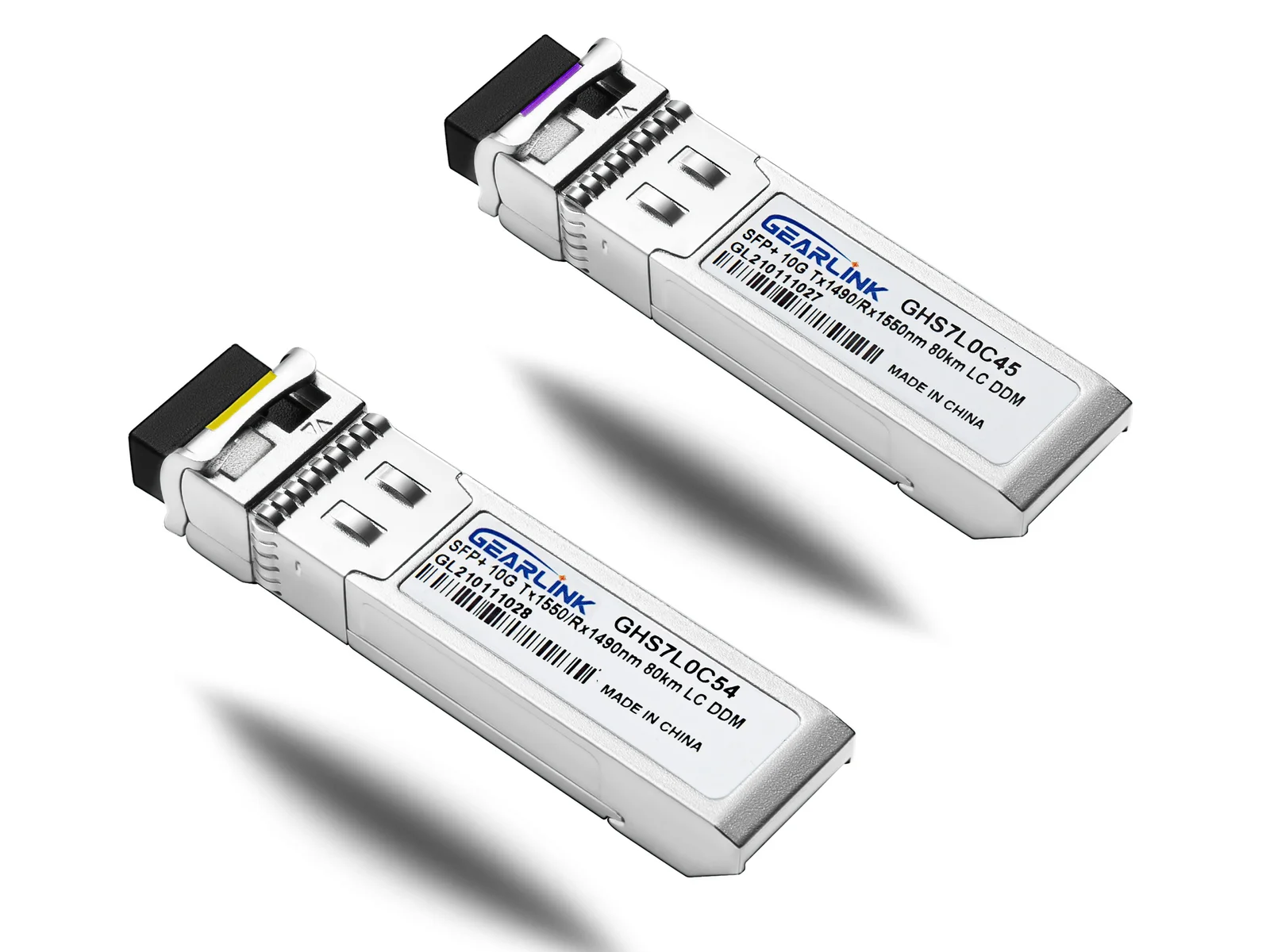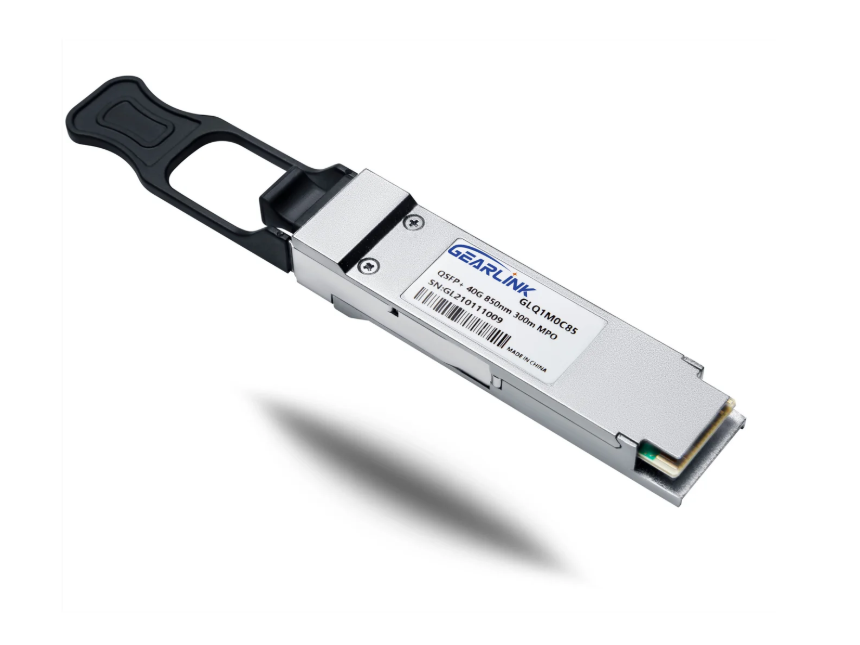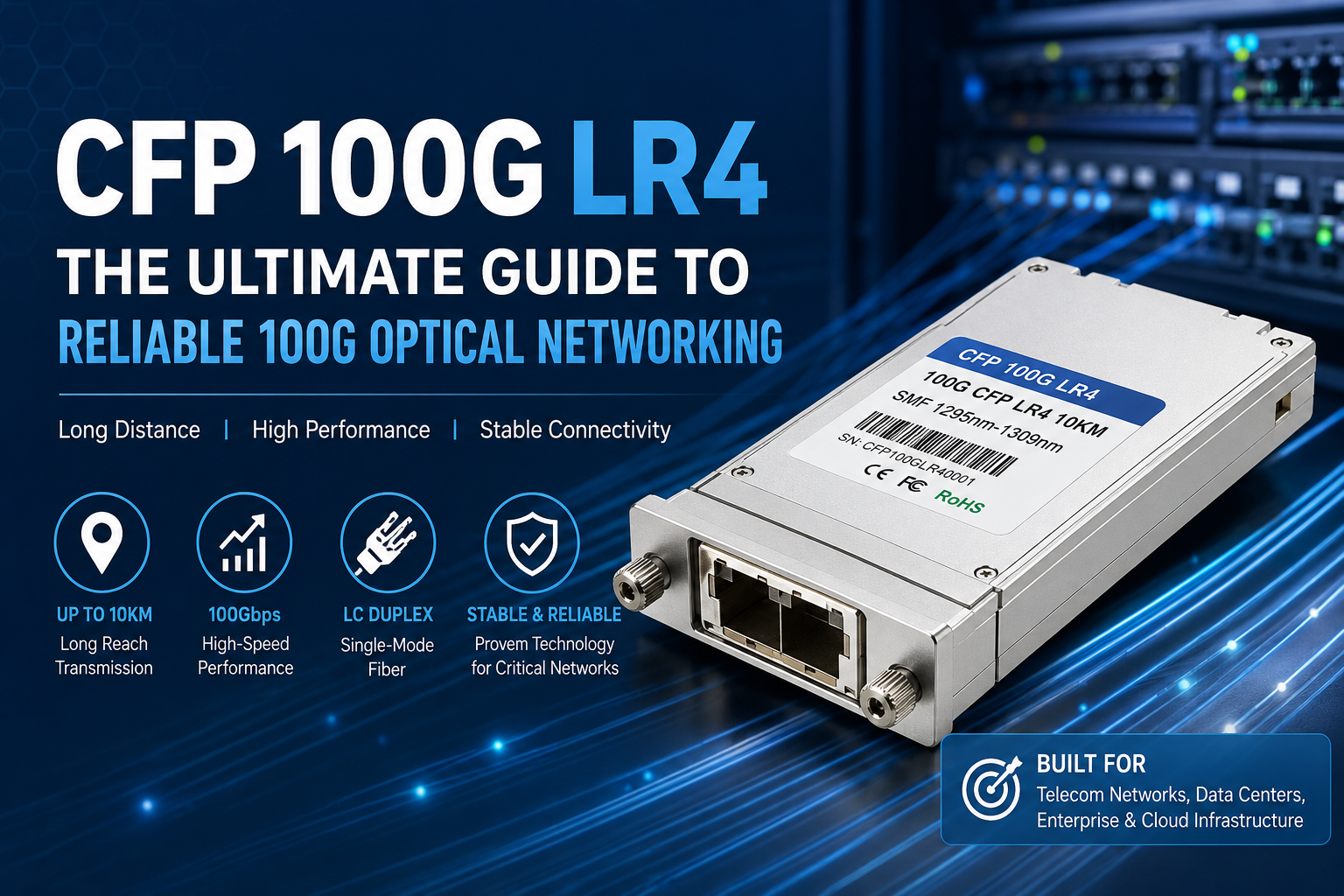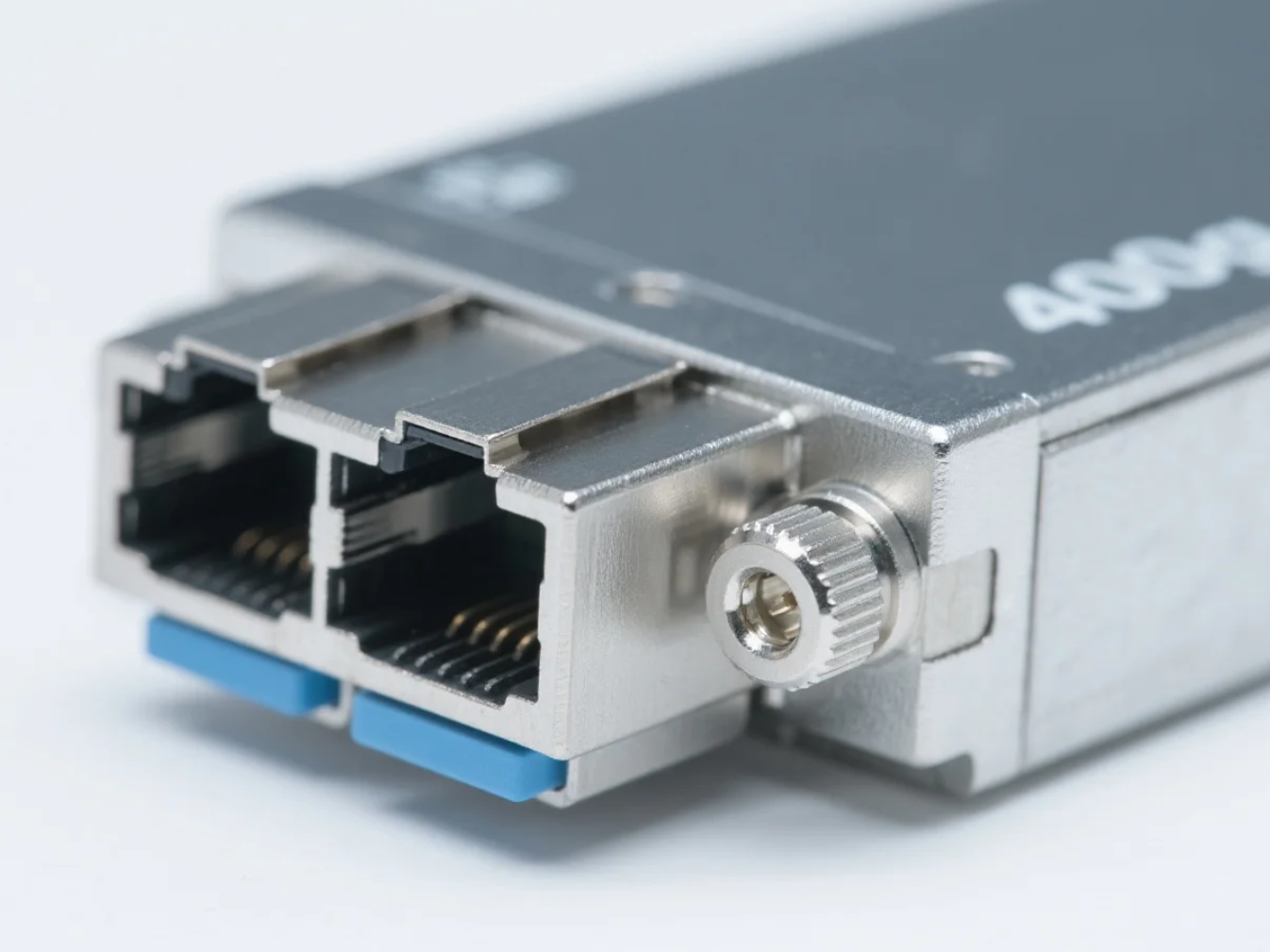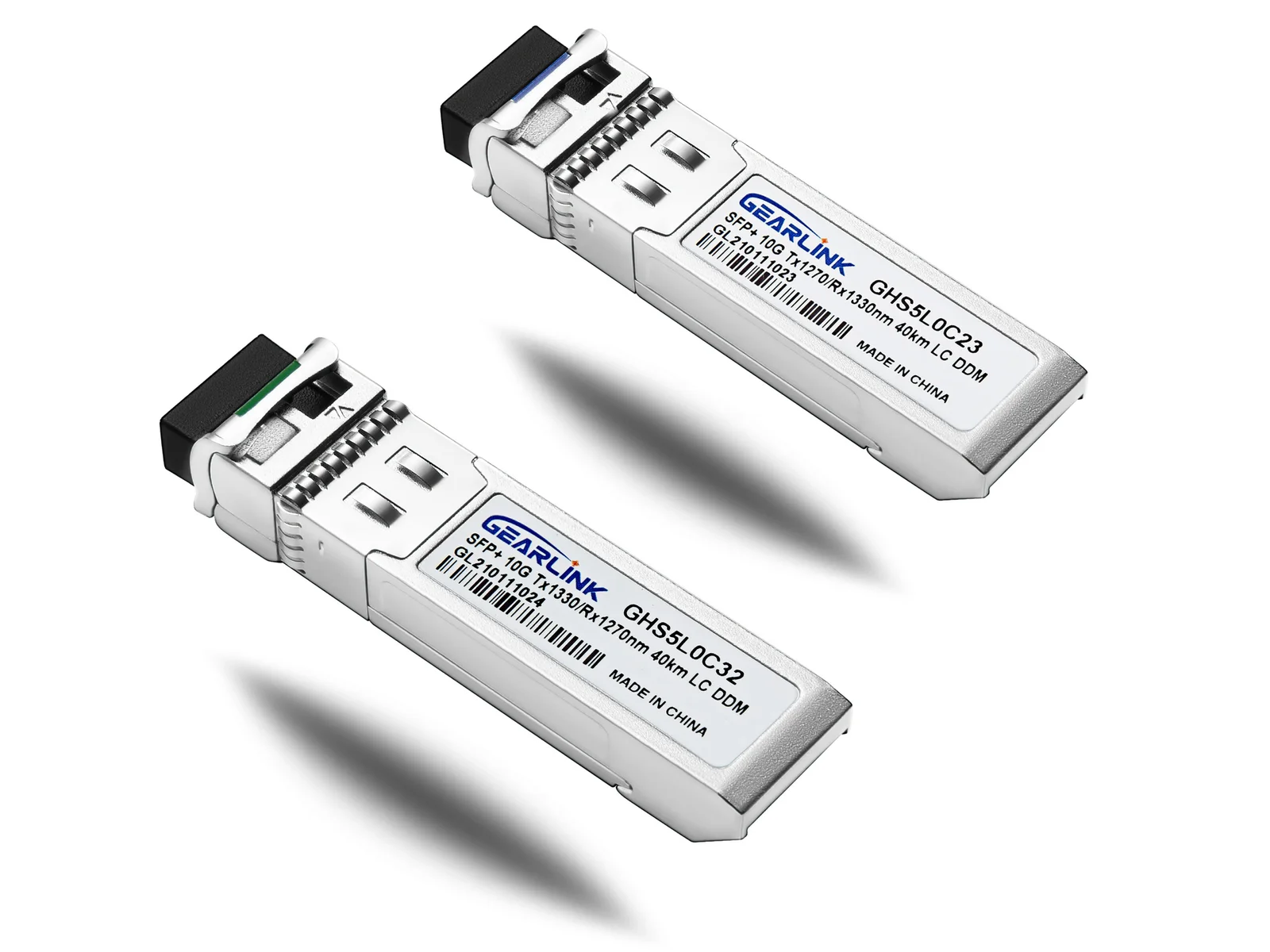
As a network infrastructure specialist, I know that maximizing existing fiber plant is often more critical than laying new cables. The challenge lies in expanding bandwidth without exhausting dark fiber reserves. This is where the bidi optical transceiver becomes an essential tool for enterprise and carrier networks. By utilizing Wavelength Division Multiplexing (WDM) technology, these modules transmit and receive data over a single fiber strand. This effectively doubles your cabling capacity immediately.
How BiDi Technology Reduces Cabling Costs
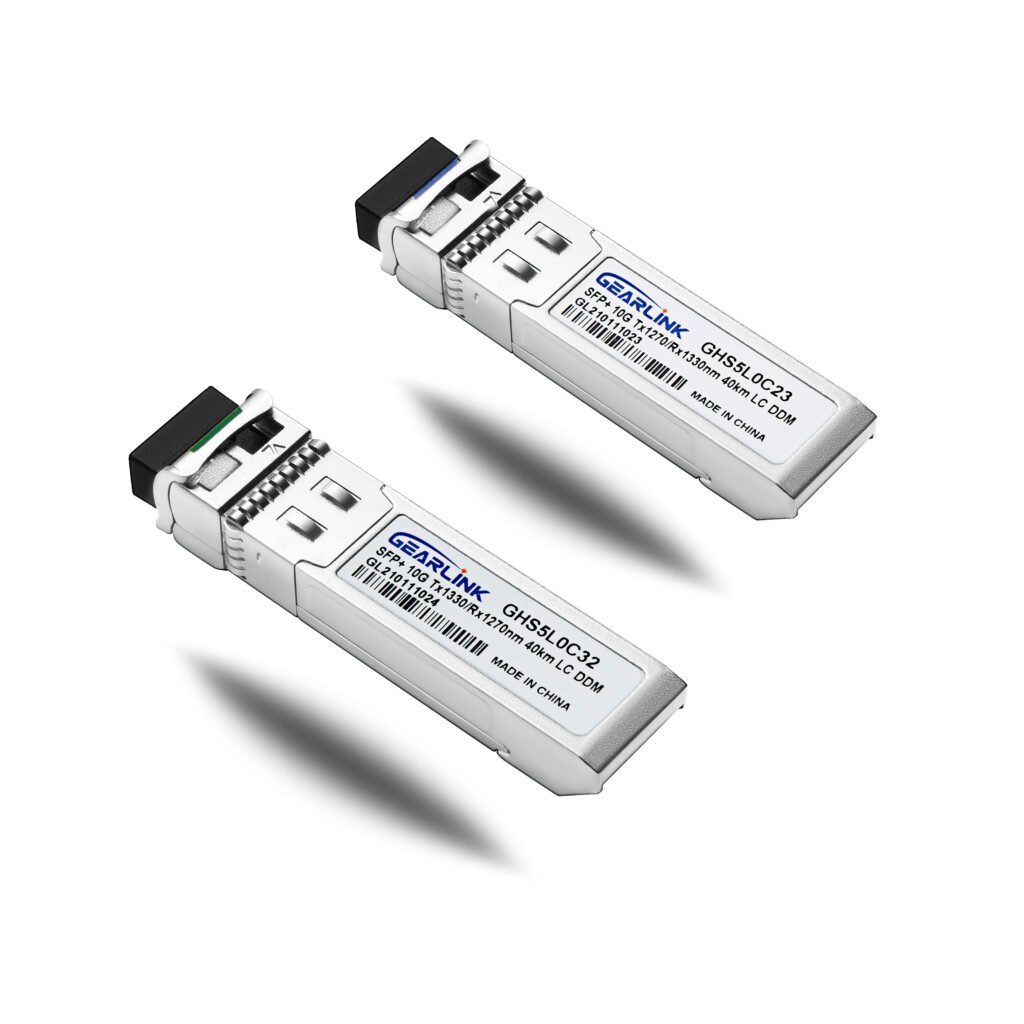
Traditional optical systems rely on two fibers: one for transmission (Tx) and one for reception (Rx). BiDi (Bidirectional) transceivers change this architecture by separating signals based on wavelength rather than physical paths.
This separation relies on standard grids defined by the International Telecommunication Union (ITU). For example, one module transmits at 1270nm while receiving at 1330nm. The mating module at the other end does the reverse.
By implementing this, you reduce the fiber jumper requirement by 50%. In large-scale data centers or metropolitan area networks (MAN), this reduction translates to significant CAPEX savings. You no longer need to lease additional fiber pairs or install new conduit.
Selecting a 10GbE BiDi Optical Transceiver for 40km
Deploying 10 Gigabit Ethernet over longer distances requires precise optical power budgeting. When choosing a 10gbe bidi optical transceiver for 40km, the specific wavelength pairing is crucial.
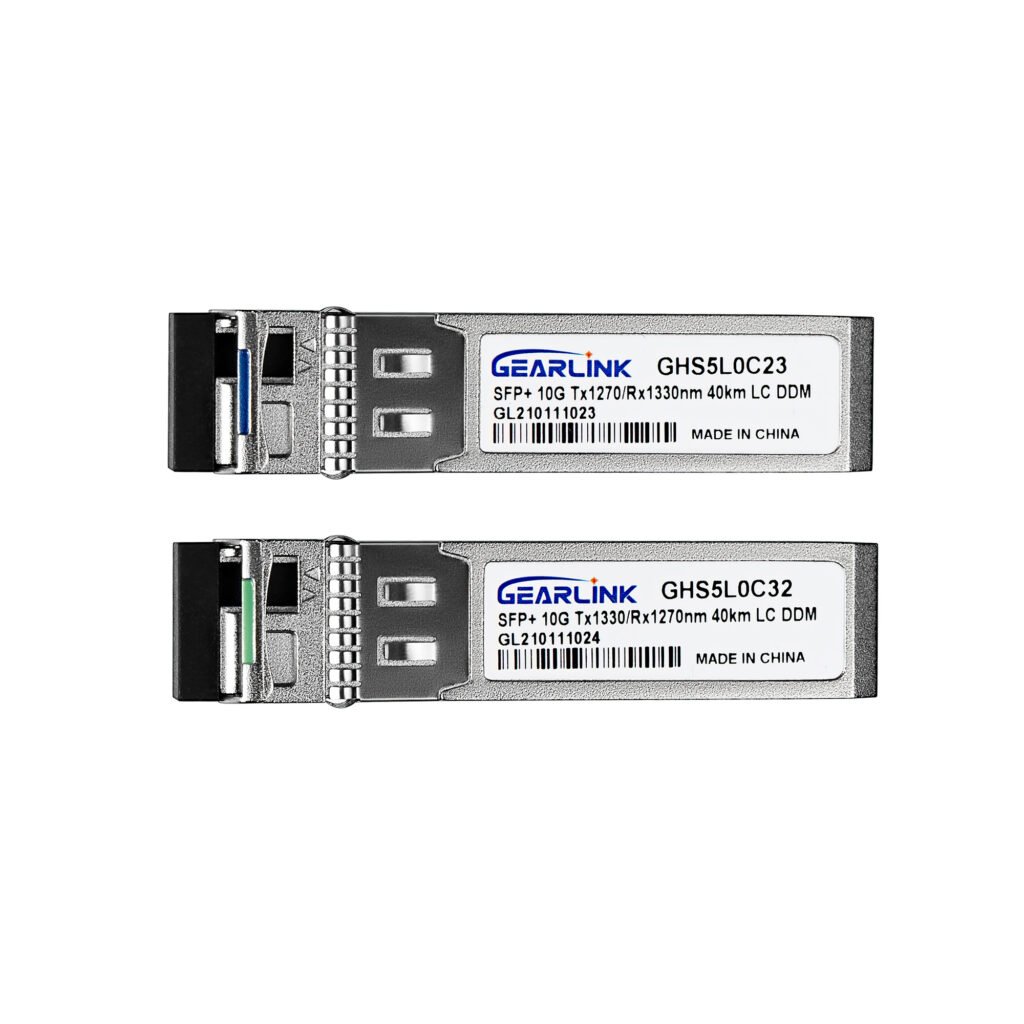
For 40km distances (often labeled as “ER” or Extended Reach), we typically utilize a 1270nm/1330nm combination. This specific pairing minimizes signal attenuation through standard Single Mode Fiber (SMF).
However, you must verify the link budget. A 40km link typically requires a budget of roughly 16dB to 19dB. If your bidi optical transceiver does not meet IEEE 802.3ae standards for signal strength, you risk packet loss. Always calculate total insertion loss from splices and patch panels before installation.
Compatibility of BiDi SFP Optical Transceivers
Hardware compatibility is a common concern when upgrading from standard duplex modules. Fortunately, modern bidi sfp optical transceivers (specifically SFP+) adhere to the SFF Committee’s Multi-Source Agreement (MSA).
This means the physical form factor and electrical interface are standardized. Whether you are using Cisco, Juniper, or generic switches, an MSA-compliant module will fit mechanically.
The distinction lies in the EEPROM coding. The switch must recognize the transceiver type to initialize the link. When sourcing these components, ensure the vendor confirms firmware compatibility with your specific switch model. This prevents the dreaded “unsupported transceiver” error message on your CLI.
Validating Your Optical Supplier
Reliability is non-negotiable in B2B network procurement. When evaluating a supplier, looking beyond price is vital. You need to ensure the bidi gbic optical transceivers supplier or SFP+ vendor conducts rigorous testing.
I recommend looking for evidence of temperature cycling tests. Industrial environments often fluctuate, and a module must maintain wavelength stability between -40°C and +85°C (if industrial) or 0°C to 70°C (commercial).
Furthermore, verify that the supplier offers matched pairs explicitly. BiDi modules cannot function as standalone units; a “Side A” (1270nm Tx) must always connect to a “Side B” (1330nm Tx). Purchasing unmatched lots will result in link failures.
Judging Manufacturing Quality for Long-Haul Links
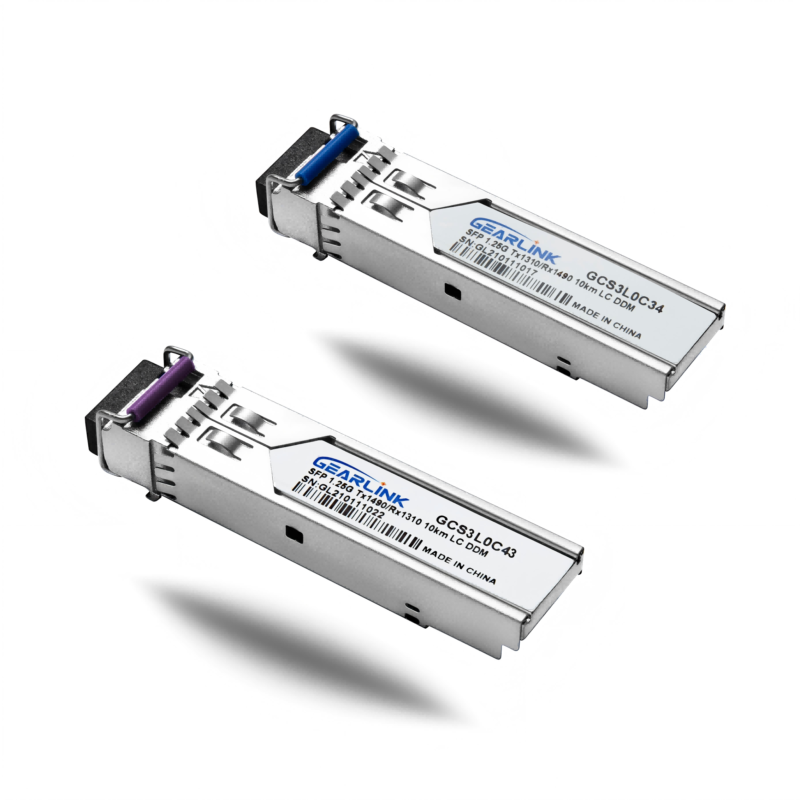
1000BASE-BX SFP BiDi 1310nm-TX/1490nm-RX 10km DOM Simplex LC/UPC SMF Optical Transceiver Module
NT$6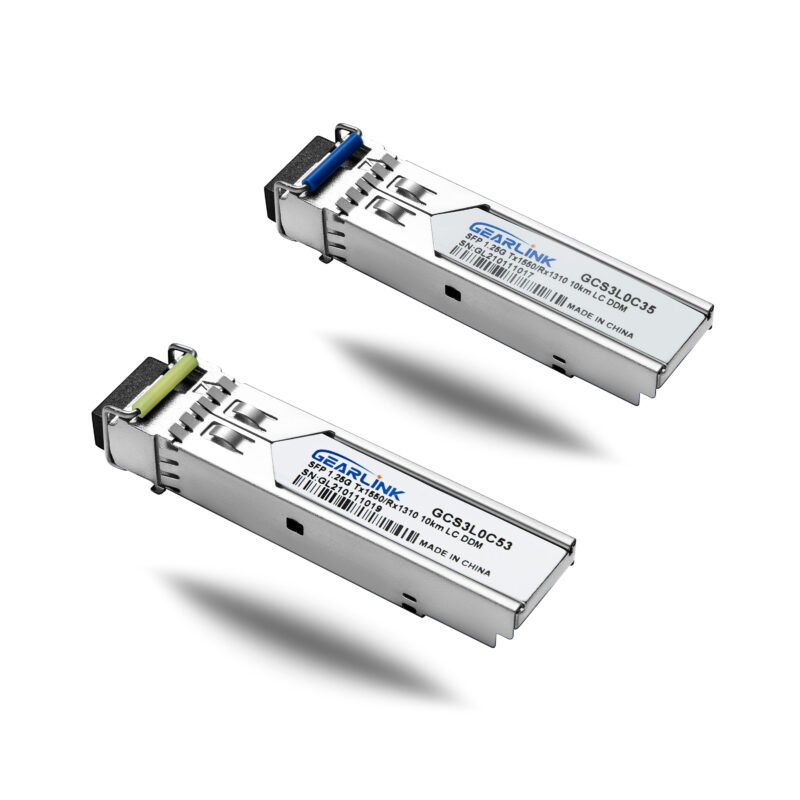
1000BASE-BX SFP BiDi 1310nm-TX/1550nm-RX 10km DOM
Price range: NT$0 through NT$61000BASE-BX SFP BiDi 1310nm-TX/1550nm-RX 10km DOM Simplex LC/UPC SMF Optical Transceiver Module
NT$6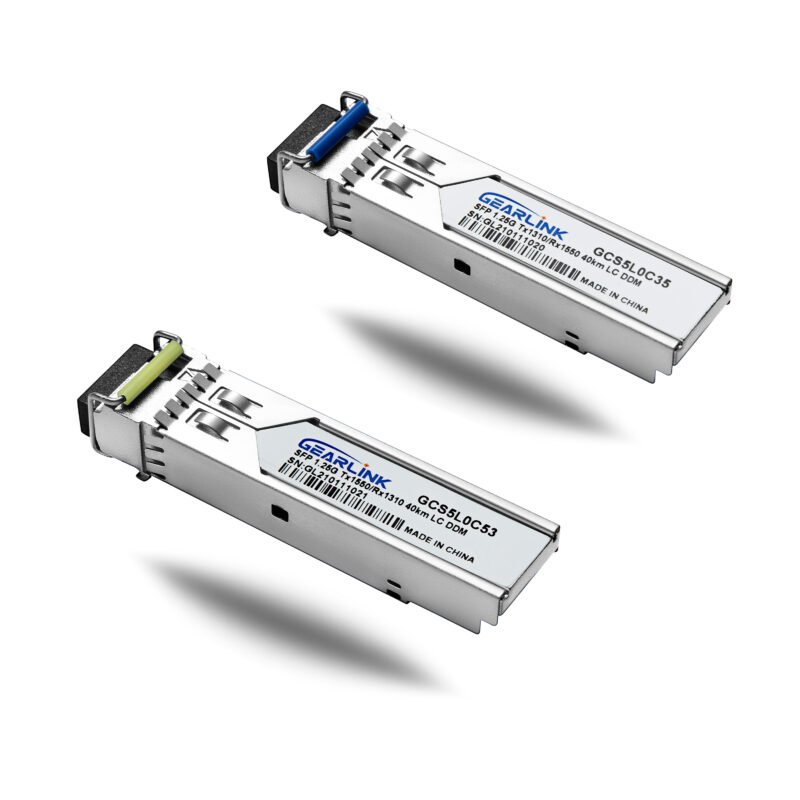
1000BASE-BX SFP BiDi 1310nm-TX/1550nm-RX 40km DOM Simplex LC/UPC SMF Optical Transceiver Module
NT$13
When you are ready to procure 40km modules, you must evaluate the specific build quality. The difference between a generic module and a carrier-grade unit often lies in the laser component.
For a 40km reach, DFB (Distributed Feedback) lasers are preferred over FP (Fabry-Perot) lasers due to their narrower spectral width. This reduces chromatic dispersion, which is the enemy of signal integrity over long distances.
If you are currently assessing specifications for a project, I suggest reviewing the 10GBASE BiDi SFP+ 40km Module. This page details the TX1270nm/RX1330nm pairing specifications necessary for stable long-reach connections. It serves as a solid baseline for comparing optical budgets and wavelength stability in your procurement process.
Conclusion
Deploying a bidi optical transceiver is the most efficient way to double network capacity without laying new fiber. By selecting the correct 10gbe bidi optical transceiver for 40km and verifying MSA compliance, you ensure robust performance. Always prioritize suppliers who provide matched pairs and transparent testing data to guarantee network stability.
FAQ
Q1: What is the difference between a BiDi transceiver and a standard transceiver?
A standard transceiver uses two fibers (one to send, one to receive), while a BiDi transceiver uses WDM technology to send and receive signals on a single fiber strand using different wavelengths.
Q2: Can I connect a BiDi transceiver to a standard duplex transceiver?
No, this will not work. BiDi transceivers must connect to another BiDi transceiver with matching but opposite wavelengths (e.g., Tx 1270nm connects to Rx 1270nm).
Q3: Why do BiDi transceivers always come in pairs?
They operate in matched sets (often called Type A and Type B). If one module transmits at 1270nm and receives at 1330nm, the other end must transmit at 1330nm and receive at 1270nm to complete the circuit.
Q4: Are BiDi SFP+ modules compatible with standard SFP+ ports?
Yes, they fit into standard SFP+ ports on switches and routers because they follow SFF MSA physical standards, provided the switch firmware supports the transceiver.
Q5: What fiber cable type is used for 40km BiDi modules?
You must use Single Mode Fiber (SMF), typically OS2, for 40km links. Multimode fiber cannot support transmission distances of 40km.
Reference Sources
IEEE (Institute of Electrical and Electronics Engineers)
IEEE 802.3 Ethernet Standard
ITU (International Telecommunication Union)
ITU-T G.694.2 (Spectral grids for WDM applications)
SFF Committee (SNIA)
SFF-8431 Specifications for SFP+
https://www.snia.org/sff/specifications
The Fiber Optic Association (FOA)
Guide to Fiber Optics & Premises Cabling