The rapid growth of cloud computing requires faster data transmission across modern networks. Operators now prioritize the 400G QSFP-DD transceiver to meet these massive bandwidth demands. This hardware supports eight lanes of high-speed data at 50Gbps each. It provides a reliable bridge between switches and routers in high-density environments. Understanding this technology is essential for building future-proof infrastructure.
Understanding the Double Density Interface Design
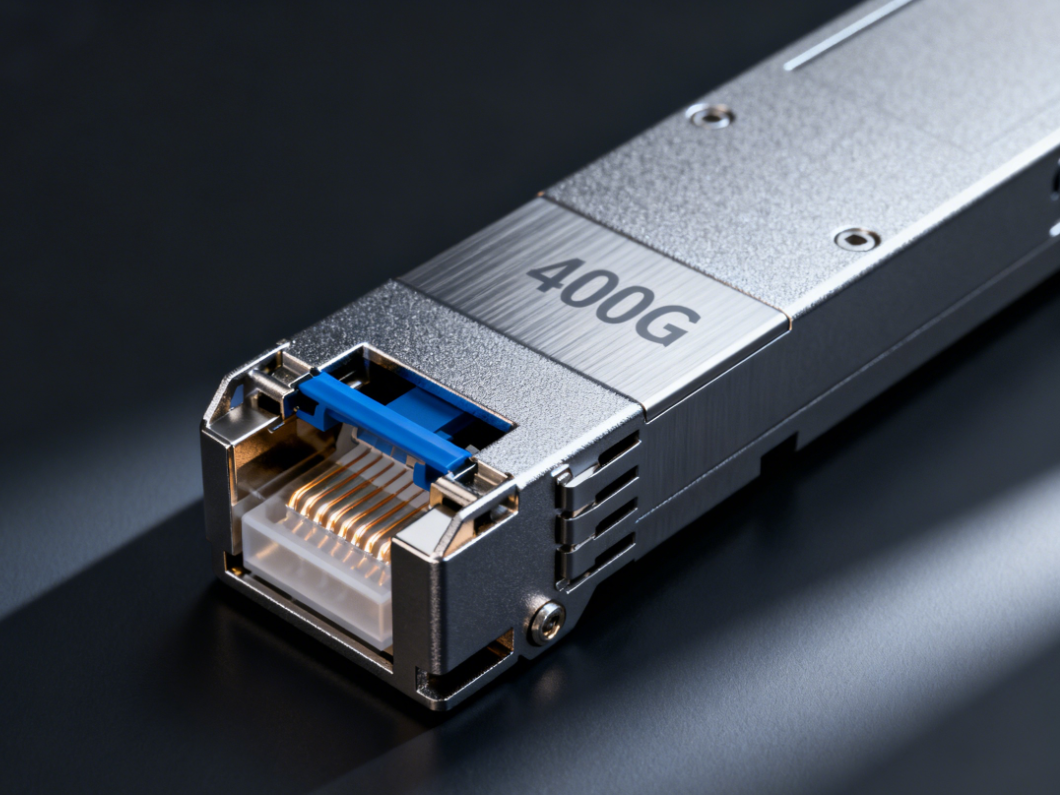
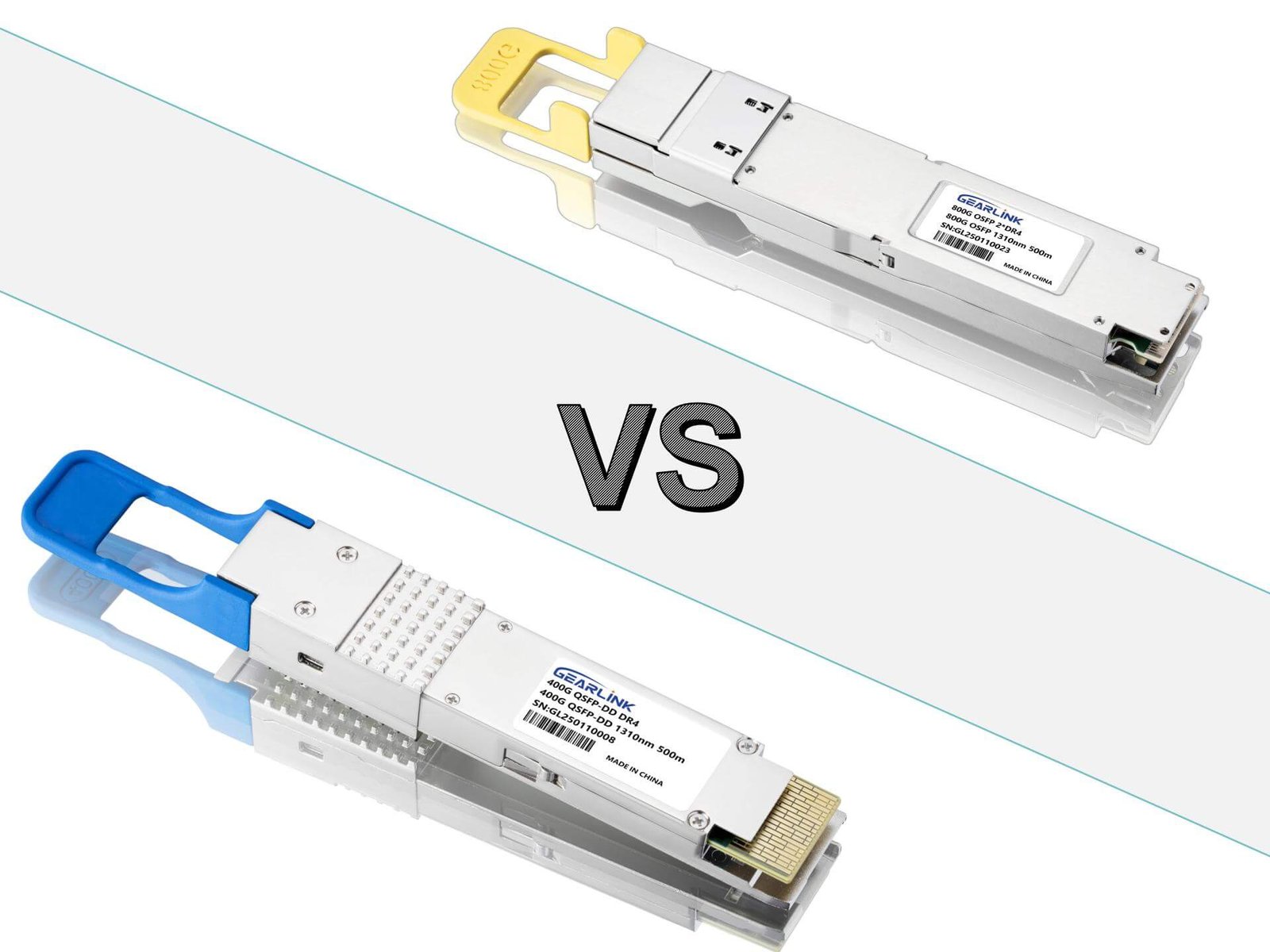
Engineers developed the “Double Density” concept to increase port capacity without changing physical sizes. The 400G QSFP-DD transceiver features an extra row of electrical contacts for higher throughput. This design maintains backward compatibility with older QSFP modules. Such flexibility allows data centers to upgrade their hardware incrementally over time. It effectively doubles the bandwidth compared to standard 200G solutions.
Thermal management remains a critical factor during the design of these small modules. High-speed data processing generates significant heat within the compact metal housing. Manufacturers use advanced cooling fins to dissipate thermal energy during peak operation. This ensures the optical components remain stable under heavy traffic loads. Proper cooling extends the lifespan of the laser diodes significantly.
Optical Connectivity and Transmission Distances
Different networking scenarios require specific fiber types to maintain signal integrity. Short-reach applications often utilize multi-mode fiber for connections under 100 meters. These modules use VCSEL lasers to keep costs low for top-of-rack links. Conversely, long-haul transmission relies on single-mode fiber and silicon photonics. This technology allows data to travel up to 10 kilometers or more.
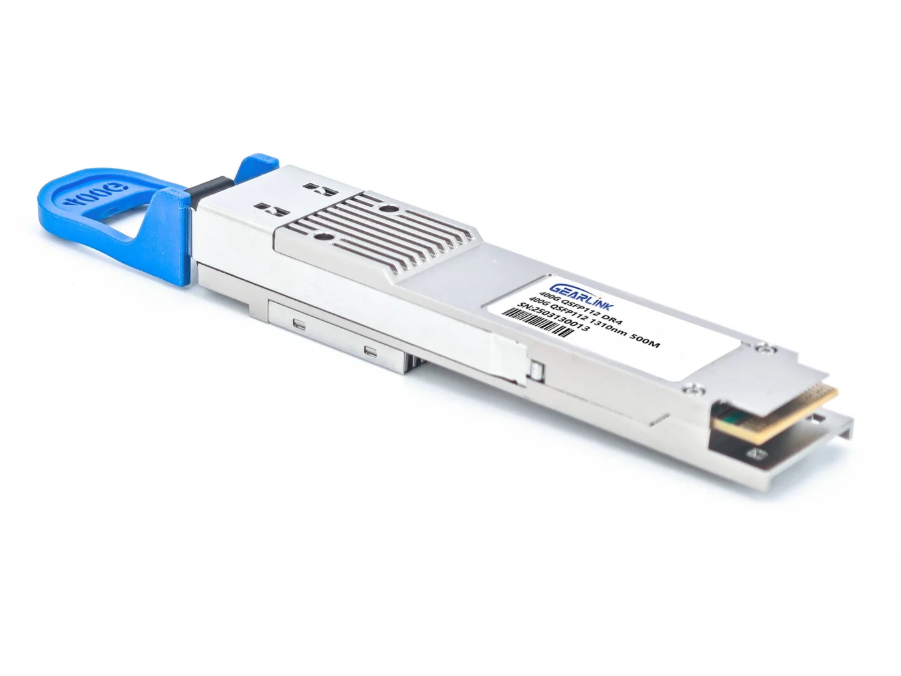
The use of PAM4 modulation is a core breakthrough for this generation. Pulse Amplitude Modulation allows twice the data per clock cycle than older methods. This efficiency is vital for achieving 400Gbps speeds without increasing the fiber count. Consequently, it lowers the cost per bit for large-scale enterprise deployments. Modern transceivers utilize sophisticated digital signal processors to manage this complex modulation.
Power Efficiency and Operational Cost Savings
Power consumption is a major concern for facilities housing thousands of active ports. Modern 400G QSFP-DD transceiver designs focus on reducing wattage per gigabit of data. Most high-quality modules now operate at less than 12 Watts per unit. Reducing power needs lowers the cooling requirements for the entire data center. This leads to significant savings on monthly electricity bills for operators.
Investing in energy-efficient optics also supports corporate sustainability goals globally. Lower energy use translates to a smaller carbon footprint for digital services. Reliable hardware reduces the frequency of manual replacements in the field. This improves the overall uptime of critical banking and healthcare networks. High-quality transceivers ensure consistent performance throughout their operational life cycle.
Selecting Reliable High-Speed Optical Solutions
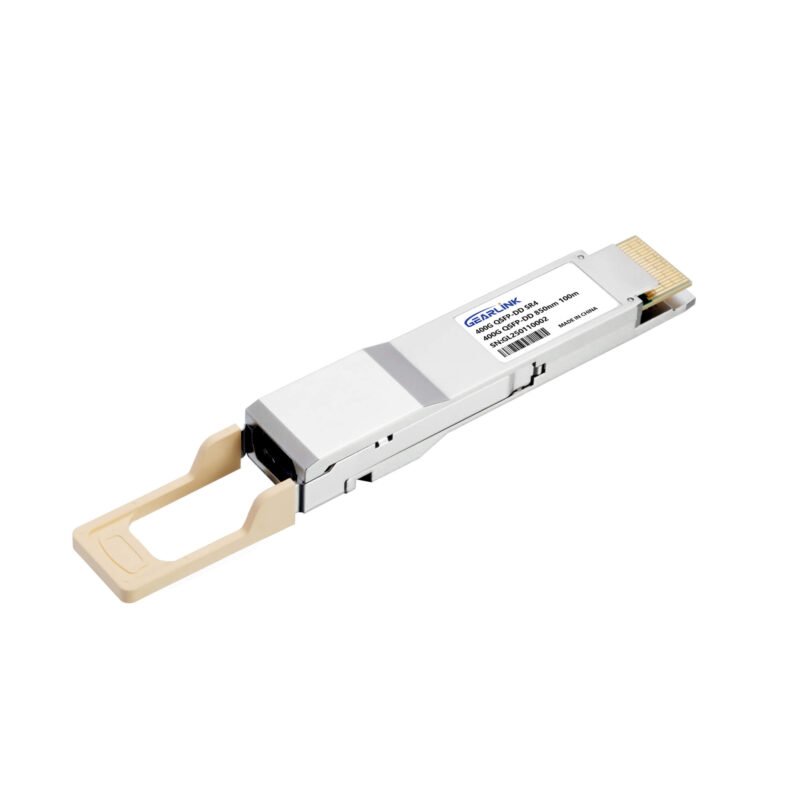
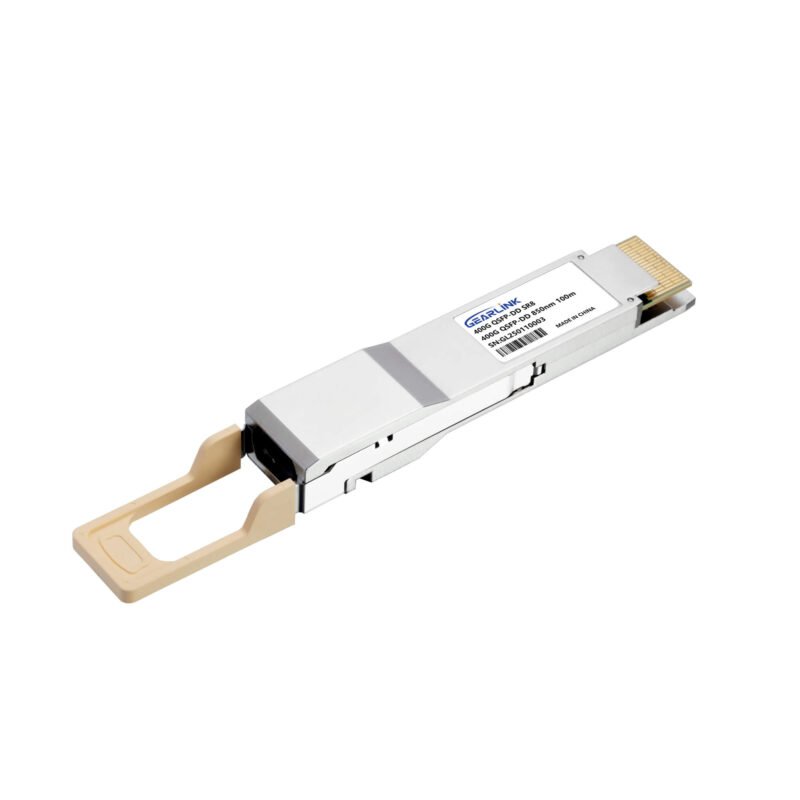
Finding the right hardware partner is crucial for maintaining network stability. Our selection of high-performance optical modules meets the strictest industry standards. We offer a comprehensive range of 400G QSFP-DD transceiver options for every reach. These products undergo rigorous testing to ensure seamless compatibility with major switch brands. You can find specialized modules for both single-mode and multi-mode applications.
Explore our full inventory to find the perfect match for your infrastructure. Our team provides technical support to help you choose the correct fiber interfaces. We focus on delivering durability and high signal quality for professional environments. Visit our 400G QSFP-DD product category to view detailed specifications and boost your network capacity today.
Conclusion on High-Bandwidth Networking Solutions
In conclusion, the 400G QSFP-DD transceiver represents the pinnacle of current optical interconnect technology. It provides the necessary density, backward compatibility, and power efficiency required for modern hyper-scale data centers. By implementing these modules, organizations can successfully scale their bandwidth to 400Gbps while maintaining cost-effective operations and reliable data integrity across their entire fiber optic infrastructure.
FAQ
Q: Is QSFP-DD compatible with standard QSFP28 ports?
A: Yes, the QSFP-DD port is designed to accept older QSFP28 modules. This allows for easy transitions between different generations of networking equipment.
Q: What is the maximum distance for a 400G SR8 module?
A: Standard SR8 modules typically support distances up to 100 meters over OM4 fiber. They are ideal for internal data center connections.
Q: How does PAM4 differ from NRZ modulation?
A: NRZ uses two signal levels, while PAM4 uses four distinct levels. This allows PAM4 to transmit twice as much data in the same bandwidth.
Q: What are the main cooling challenges for these modules?
A: Because they pack 400G into a small space, they require high-quality heat sinks. Ensuring adequate airflow through the switch chassis is essential for stability.
Data Sources:
QSFP-DD MSA Group: Technical Specifications and Hardware Design
IEEE 802.3bs: 200 Gb/s and 400 Gb/s Ethernet Task Force
Cisco: 400G Data Center Optics White Paper