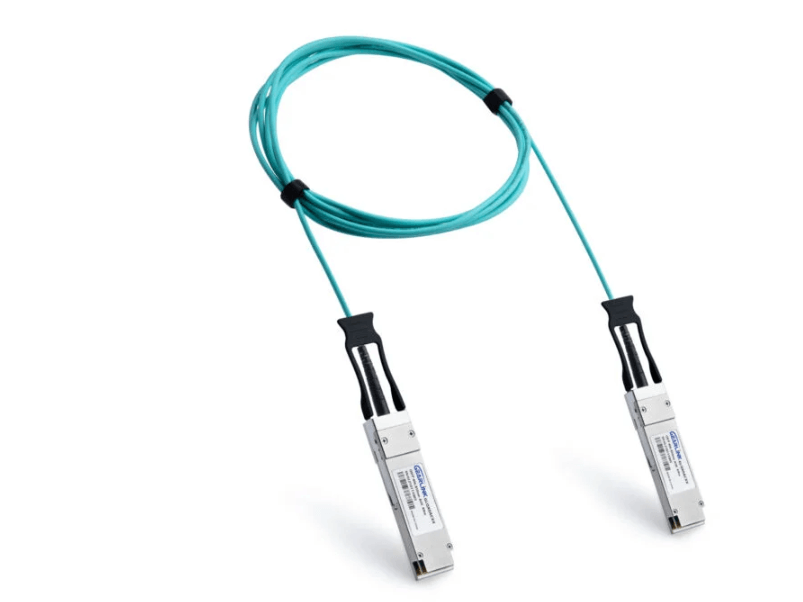
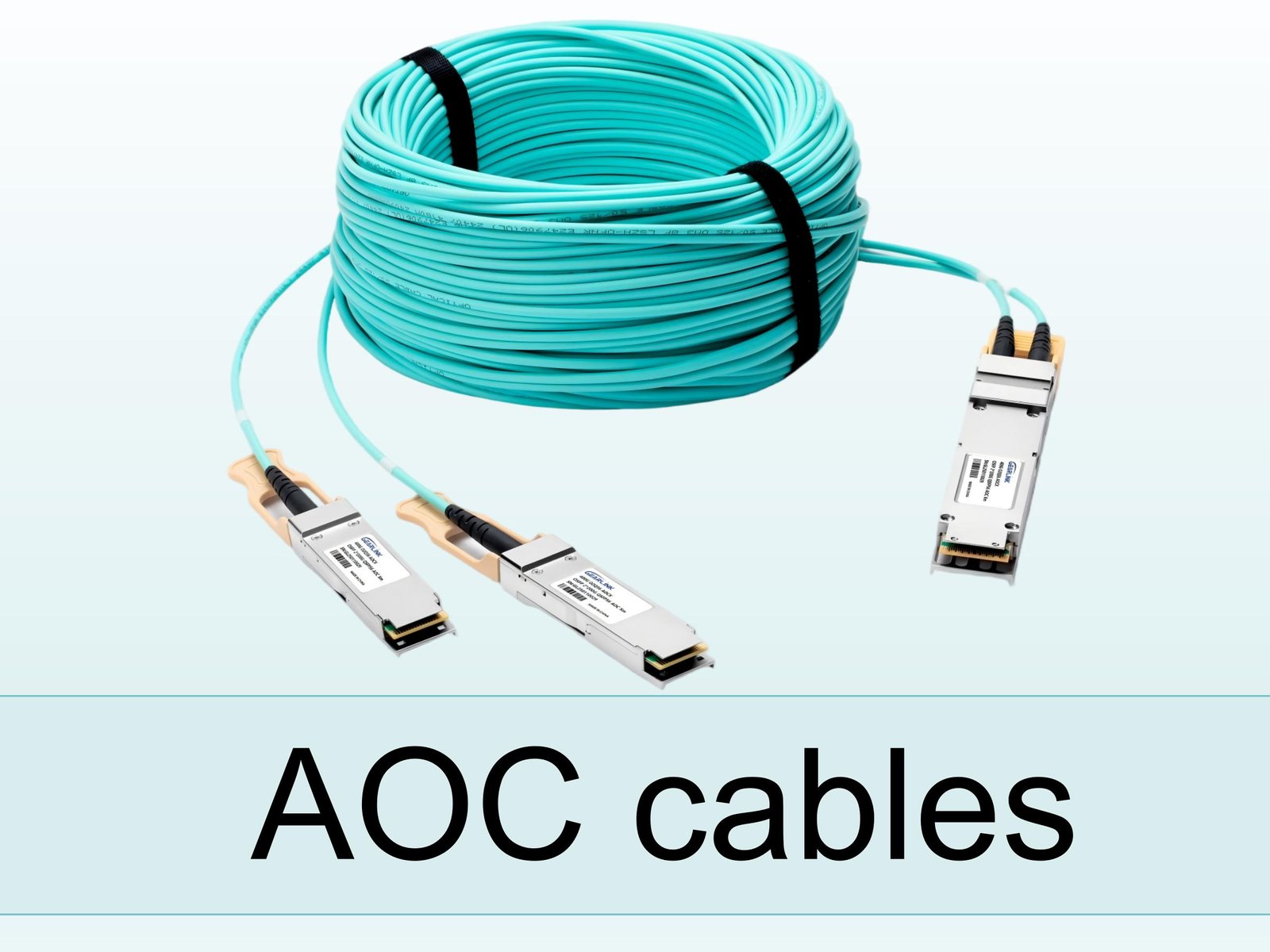
Introduction: Navigating the Interconnect Options in Modern Data Centers
The unrelenting growth of data traffic necessitates constant reevaluation of the connectivity solutions within data center infrastructure. For users of optical transceivers and networking professionals, the decision on cabling for short-reach, high-speed links is critical, impacting both performance and capital expenditure. Amidst the array of fiber optic and traditional copper options, the Direct Attach Cable (DAC) has firmly established itself as a foundational and highly efficient interconnect solution.
The Direct Attach Cable, fundamentally a fixed-length assembly, integrates copper or occasionally fiber optic cable with transceiver-style connectors (like SFP+, QSFP+, or QSFP28) on both ends. This innovative design eliminates the need for separate transceivers and patch cords, simplifying the network architecture significantly. It is precisely this integration that makes DACs so compelling for short-distance, high-bandwidth applications, primarily serving connections within a rack or between adjacent racks. Its inherent simplicity offers immediate benefits in terms of deployment speed, power efficiency, and cost, which are paramount concerns for anyone managing a modern, high-density computing environment.
This comprehensive guide is tailored for professionals utilizing optical modules, aiming to provide a deep understanding of the Direct Attach Cable’s technology, its pronounced features, and its specific applications within the evolving landscape of data center interconnectivity. Furthermore, it will address the fundamental question: does the inherent value proposition of DACs align with the rigorous demands of your current and future network expansion needs?
The Core Technology: Unpacking the Direct Attach Cable Concept

To fully appreciate the value of Direct Attach Cable technology, it is essential to look beyond its simple appearance and understand the engineering that enables high-speed data transmission over a short reach.
Understanding the Two Primary DAC Types

400G QSFP-DD to 2 x 200G QSFP56 Passive Direct Attach Copper Breakout Cable
High-performance 400G DAC cable, QSFP-DD to 2x200G QSFP56. Low-latency breakout DAC solution compatible with QDD-400-AOC1M and short-reach interconnects.
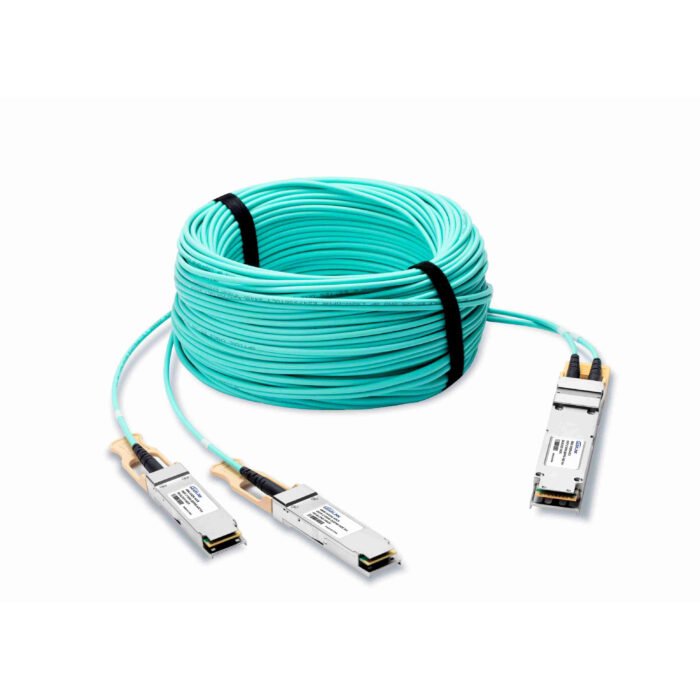
400G OSFP Finned Top to 2 x 200G QSFP56 Active Optical Breakout Cable
High-performance 400G OSFP to 2×200G QSFP56 AOC breakout cable. Low-latency OSFP cable for 200G QSFP56 AOC connections in high-speed networks.
DACs are generally categorized into two main forms: Passive and Active. This distinction is crucial as it dictates the cable’s maximum achievable distance and power consumption.
- Passive Direct Attach Cable (Passive DAC): This is the more straightforward, unpowered version. Passive DACs rely solely on the signal equalization capabilities of the connected host devices (like a switch or a server NIC) to ensure signal integrity. Because they lack internal electronic components, they offer the lowest power consumption and latency, making them an ideal choice for connections up to approximately 5 meters. They are essentially enhanced copper cables designed for robust performance at multi-gigabit speeds.
- Active Direct Attach Cable (Active DAC): For connections ranging typically between 5 and 15 meters (though standards vary), Active DACs incorporate electrical components, often a signal conditioning or retiming chip, directly into the connector shell. These active components compensate for signal degradation and loss over longer lengths of copper cable, effectively extending the reach beyond that of passive cables. While they consume a small amount of power, this consumption is still significantly lower than that of full optical transceivers, preserving a power-efficiency edge.
The Interplay with Optical Modules and Ports
Crucially, Direct Attach Cable assemblies plug directly into the standard ports designed for hot-pluggable optical transceivers, such as SFP, QSFP, and their subsequent high-speed variants. This compatibility is a major design advantage. Network engineers can utilize the same high-density switch fabric for both long-reach fiber links (using conventional optical modules) and short-reach DAC links. The consistency in form factor simplifies inventory management and future-proofs the infrastructure by allowing a seamless transition to optical modules if a longer reach is ever required in that specific port. The technology essentially offers a power- and cost-optimized bypass for the standard optical-electrical-optical conversion cycle over short distances.
Key Advantages and Value Proposition for Optical Module Users
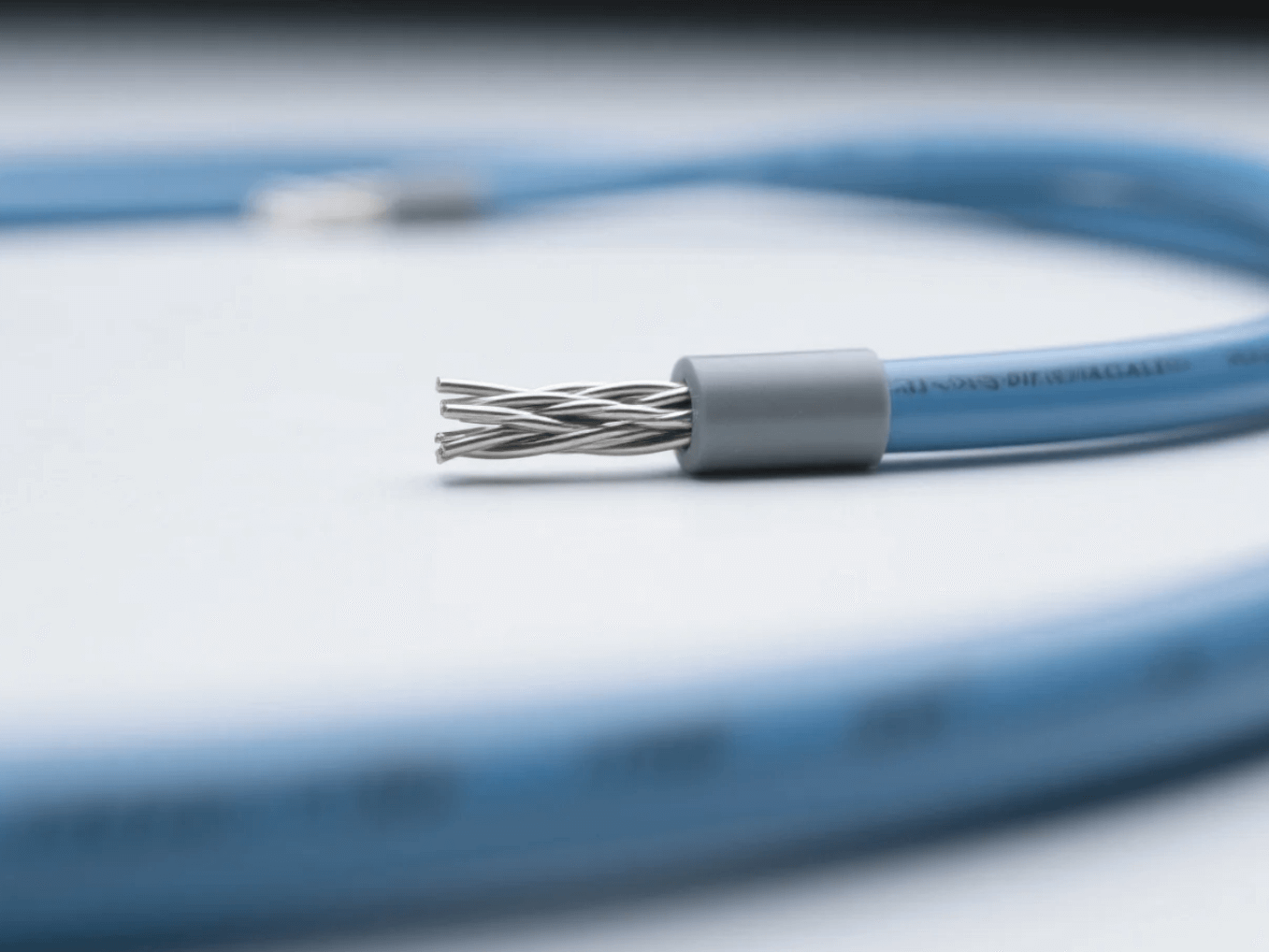
For network operators familiar with the cost and complexity of managing high volumes of optical transceivers, the Direct Attach Cable presents a compelling set of benefits that directly address operational and financial pain points.
Substantial Cost Efficiency
The most immediate benefit of deploying Direct Attach Cable technology is the remarkable reduction in capital expenditure. A single DAC assembly replaces two separate components: two individual transceivers (SFP/QSFP) and one fiber patch cable. This simplification drastically lowers the Bill of Materials (BOM) for short-link connections. In a densely populated data center environment, where thousands of links may be less than five meters, the cumulative savings achieved by opting for DACs over discrete optical transceivers is enormous. Furthermore, the robust nature of copper often results in lower maintenance and replacement costs over the cable’s lifecycle.
Superior Power Consumption and Thermal Management
Energy efficiency is a central theme in modern data center design. Passive Direct Attach Cables consume virtually no power, whereas Active DACs typically consume a fraction of the power required by even the most efficient low-power optical transceivers. This power reduction at the port level translates to lower overall rack power consumption and, consequently, reduced cooling requirements. Less heat generated by interconnects means less strain on the cooling infrastructure, contributing to a lower Power Usage Effectiveness (PUE) ratio, a key metric for data center sustainability.
Enhanced Reliability and Simplified Deployment
By being a factory-assembled, sealed unit, the Direct Attach Cable eliminates potential points of failure associated with separable components, such as dirty or poorly seated fiber connectors, or transceiver-cable compatibility issues. The fixed length and integrated nature ensure optimized, consistent performance and much higher reliability compared to field-terminated fiber patch cables. Installation becomes a simple plug-and-play operation, significantly speeding up deployment and reducing the risk of human error during provisioning. This simplification is highly valued in fast-paced rollout scenarios.
Applications in the High-Speed Optical Networking Domain

While copper-based, the Direct Attach Cable plays a vital and complementary role within an optical-centric networking infrastructure. Its utility is primarily defined by the need for ultra-high-speed, short-distance connectivity.
- ToR (Top-of-Rack) Switching: The most common and impactful application is the connection between a Top-of-Rack switch and the high-density servers and storage devices located within the same rack. DACs, particularly at 10G (SFP+), 25G (SFP28), 40G, and 100G (QSFP+) speeds, are the standard for these high-throughput, latency-sensitive links.
- Inter-Rack Connections: For racks that are immediately adjacent or very close to one another (typically up to 7-10 meters), Active DACs provide a reliable, high-bandwidth connection for spine-leaf architectures or clustered computing nodes, offering a cost advantage over Active Optical Cables (AOCs) or short-reach fiber.
- Testing and Staging: In lab environments or staging areas, the durability and ease of use of Direct Attach Cables make them perfect for repeated connections and disconnections during device testing and configuration, where the delicate nature of fiber patch cords can be a disadvantage.
The DAC provides the perfect economic and thermal bridge for the vast majority of intra-rack connectivity, freeing up the more expensive, power-intensive optical modules for the critical, longer-haul links between racks, zones, or buildings. This strategic deployment demonstrates the true synergy between copper-based DACs and fiber-based optical modules in a layered network design.
The Decision Point: DAC vs. AOC vs. Optical Transceivers
When evaluating interconnects for high-speed ports, the choice often narrows down to three primary solutions, each with its own niche. Understanding this comparison is key for product users.
| Feature | Direct Attach Cable (DAC) | Active Optical Cable (AOC) | Optical Transceiver & Fiber |
| Media Type | Copper (predominantly) | Fiber Optic | Fiber Optic |
| Max Practical Reach | 1m – 15m | Up to 100m+ | Kilometers |
| Power Consumption | Very Low (Passive: None) | Low to Moderate | Moderate to High |
| Cost | Lowest | Moderate | Highest (Two Transceivers + Cable) |
| Target Use Case | Intra-rack, adjacent racks | Inter-rack, short distance paths | Long distance, campus, metro |
For the product user focused on connectivity within the confines of a server rack, the Direct Attach Cable is overwhelmingly the solution of choice due to its unbeatable combination of low cost, minimal power draw, and high reliability over short distances. Only when the distance exceeds the practical limits of copper (typically around 10-15 meters) does the Active Optical Cable (AOC) or the traditional optical transceiver/fiber combination become a necessary, albeit more costly, alternative.
Conclusion: A Foundational Pillar for High-Density Networking
The modern data center and high-performance computing environment demand a strategic approach to connectivity that balances performance, cost, and power efficiency. The Direct Attach Cable is no longer just a viable alternative; it is a foundational component that underpins the economic viability of high-density, scale-out network topologies.
By offering a robust, low-power, and highly cost-effective means of establishing high-speed links within the most constrained physical spaces, the DAC ensures that valuable capital and energy resources are optimally allocated. It allows network architects to reserve the more expensive optical transceivers for long-haul tasks, thereby maximizing the overall efficiency of the infrastructure. For any optical module user planning an upgrade or expansion, a thorough evaluation of the short-link requirements will inevitably lead to the realization that the Direct Attach Cable is, indeed, the most sensible and strategically sound choice for short-reach, high-speed interconnects. It truly embodies the principle of smart, efficient design in the age of exascale data.
Frequently Asked Questions (FAQ)
Q: What is the main difference between an Active DAC and a Passive DAC?
A: The difference lies in the presence of electronic components. A Passive Direct Attach Cable contains no electronics and is suitable for very short links (up to about 5 meters). An Active DAC includes signal-conditioning electronics within the connector head, allowing it to reliably transmit data over longer copper lengths (typically 5 to 15 meters).
Q: Can I use a Direct Attach Cable for my 400G network?
A: Yes, Direct Attach Cable technology is continually evolving and is available in forms like QSFP-DD for 200G and 400G applications, and even OSFP for 800G. They are the preferred short-reach solution for these ultra-high-speed interfaces within a rack environment due to their power and cost benefits.
Q: Is a DAC considered an optical module?
A: Technically, no. A DAC is an assembly that plugs into an optical module port but the copper-based versions transmit electrical signals, not optical. However, Active Optical Cables (AOCs) are sometimes considered part of the “module” family as they utilize fiber and integrated optics, offering a bridge between the two.