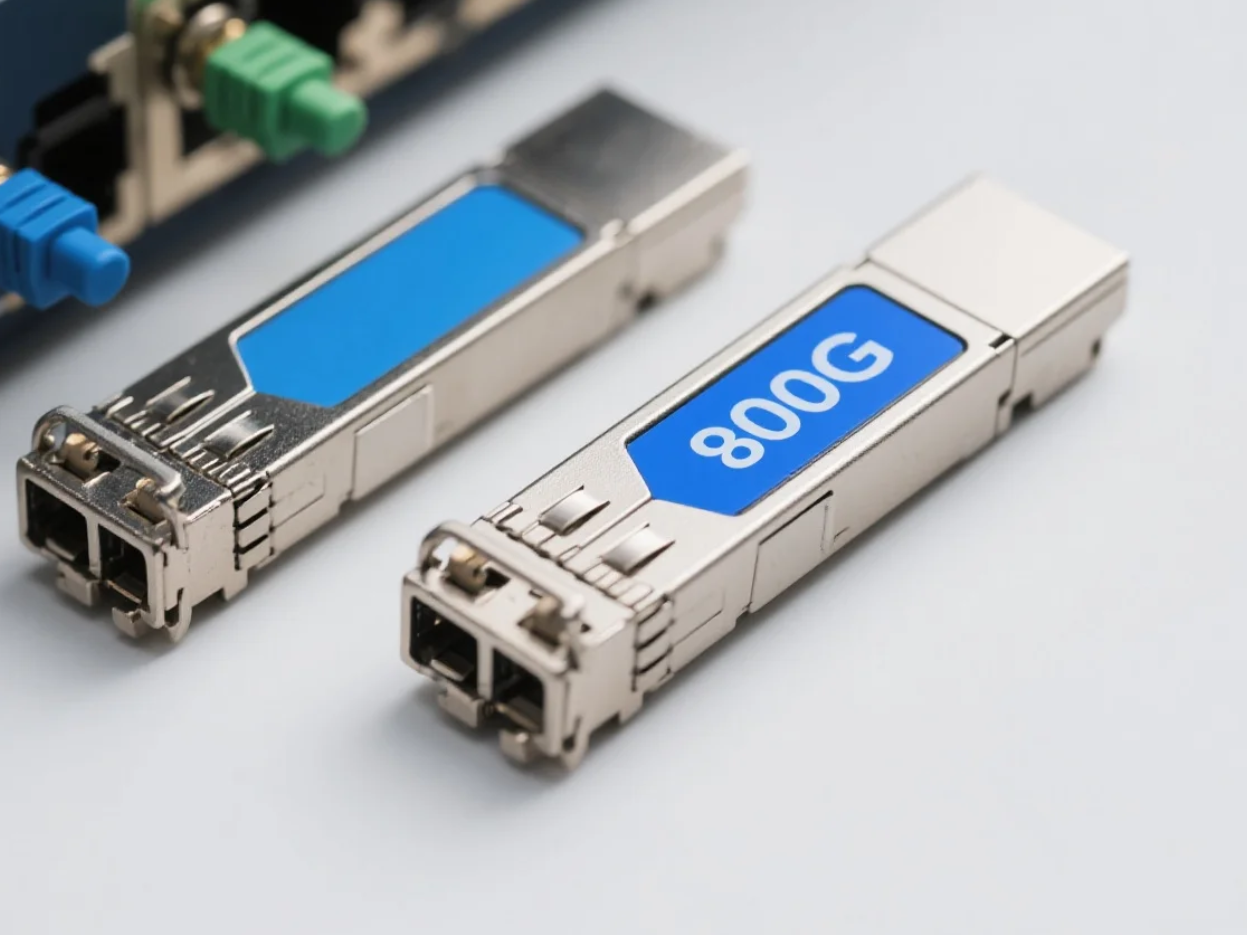
Introduction to the Power of the QSFP Transceiver
In the relentless pursuit of faster and higher-density data transmission, the QSFP transceiver has emerged as a cornerstone technology within the optical networking industry. As data centers and enterprise networks grapple with exponential traffic growth driven by cloud computing, AI, and 5G, the demand for scalable and energy-efficient interconnect solutions has never been greater. This four-channel small form-factor pluggable module is not merely an incremental upgrade; rather, it represents a fundamental shift in how we achieve multi-lane high-speed data links. Crucially, the QSFP transceiver offers a compact, hot-pluggable interface that maximizes port density while minimizing power consumption, delivering tangible and valuable benefits directly to network operators and product users seeking to future-proof their infrastructure. The initial deployment of this form factor has fundamentally transformed the landscape of optical transceivers, establishing a new standard for high-bandwidth applications.
The Technological Core: Understanding the QSFP Family
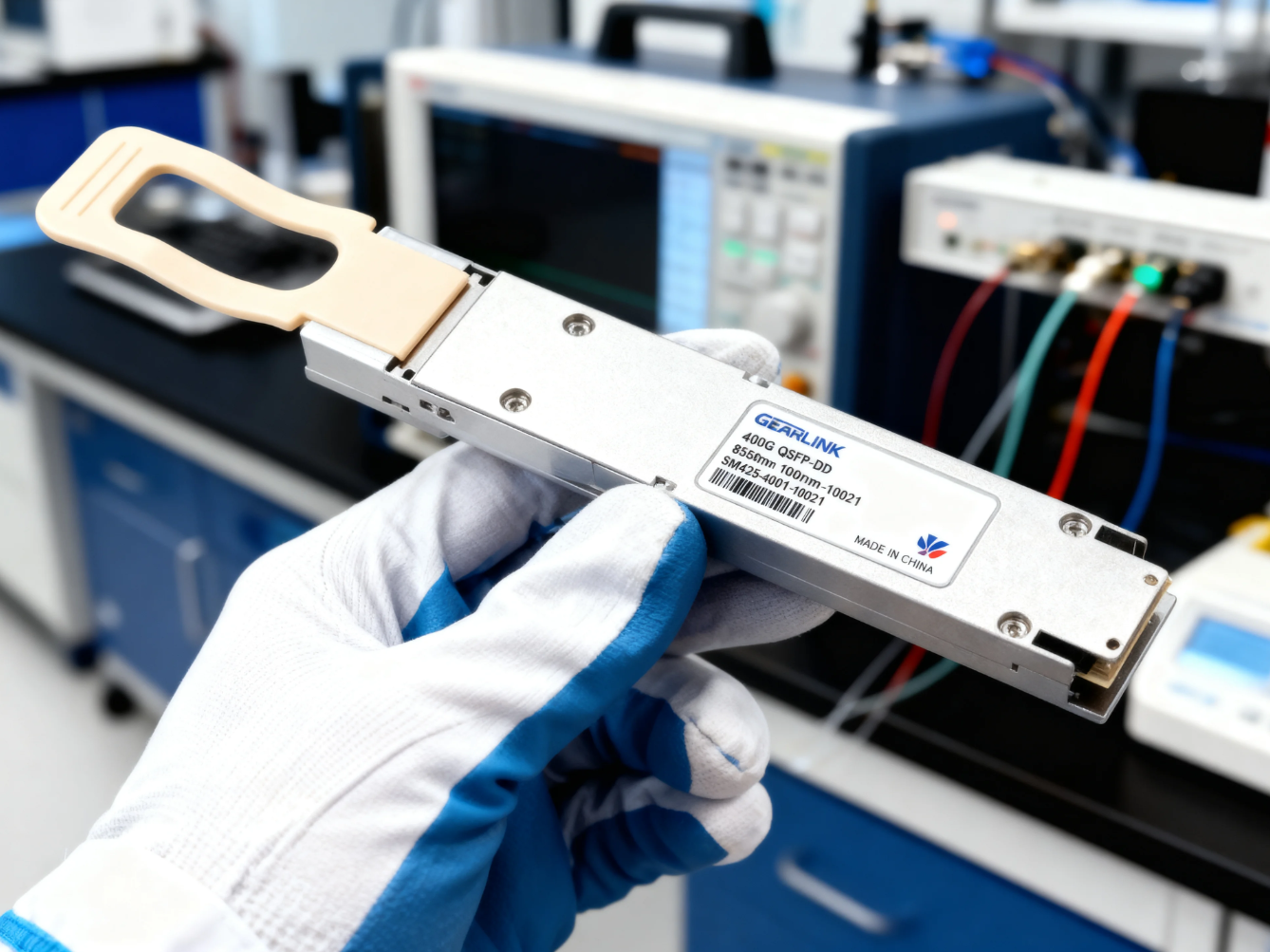
The defining feature of the QSFP transceiver lies in its ability to support four independent transmit and receive channels. This multi-lane architecture is the secret to its massive bandwidth capacity, fundamentally setting it apart from its predecessors. Through continuous innovation, the QSFP family has evolved to meet escalating speed requirements, culminating in a robust product line that spans multiple generations of data rates.
The Evolution of Speed: From QSFP+ to QSFP-DD
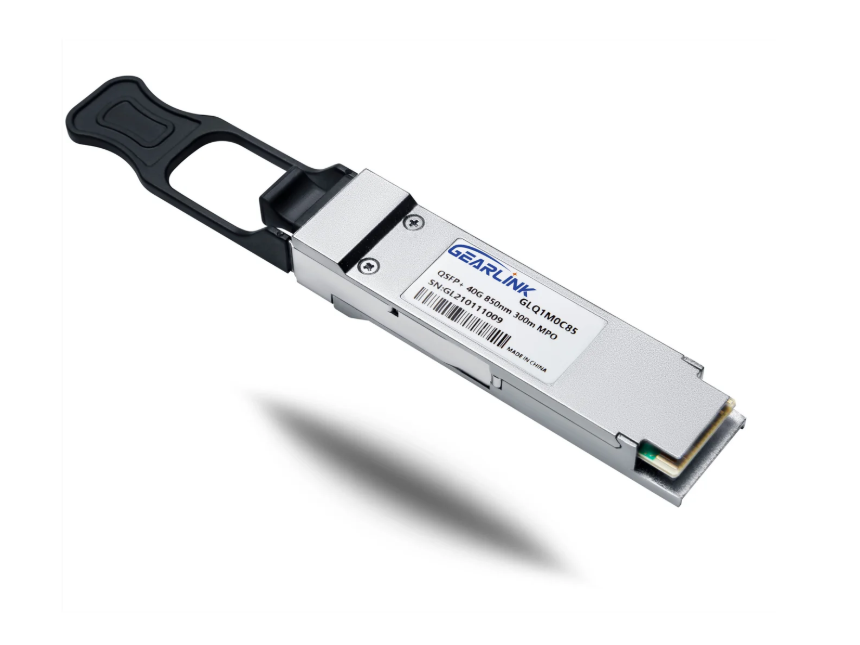
The journey of the QSFP standard demonstrates a rapid and successful adaptation to market needs. Initially, the QSFP+ module was introduced to support 40 Gbps networking by utilizing four 10 Gbps lanes. Building upon this success, the QSFP28 module revolutionized 100 Gbps connectivity by boosting the signaling rate of each of the four lanes to 25 Gbps. This was a critical step in the industry’s transition to higher-speed Ethernet. Subsequently, the QSFP56 arrived, pushing the aggregate data rate to 200 Gbps by employing 50 Gbps signaling per channel, often leveraging PAM4 (Pulse Amplitude Modulation 4-level) technology.
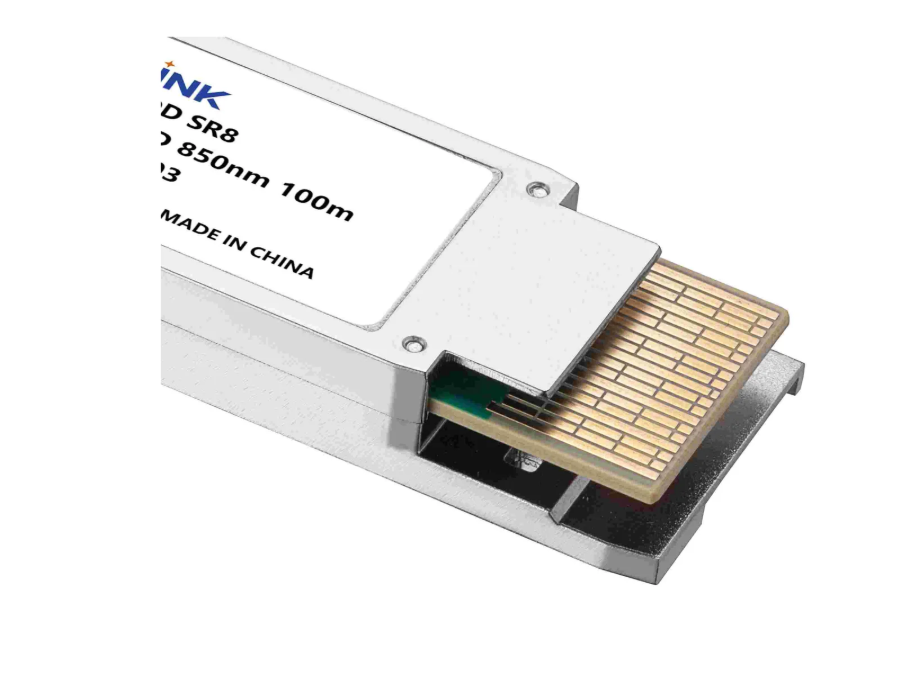
The latest and most significant development in this lineage is the QSFP-DD (Double Density). The QSFP-DD form factor retains the familiar size of the original QSFP while ingeniously doubling the port density by incorporating an eight-lane electrical interface. This crucial innovation effectively supports 200 Gbps (via 4x50G) and 400 Gbps (via 8x50G) and is the foundation for future 800 Gbps connections. QSFP-DD modules, therefore, are pivotal for scaling hyper-scale data centers without requiring a complete overhaul of existing rack infrastructure, offering an excellent return on investment for users.
Key Features and Practical Value for Optical Module Users
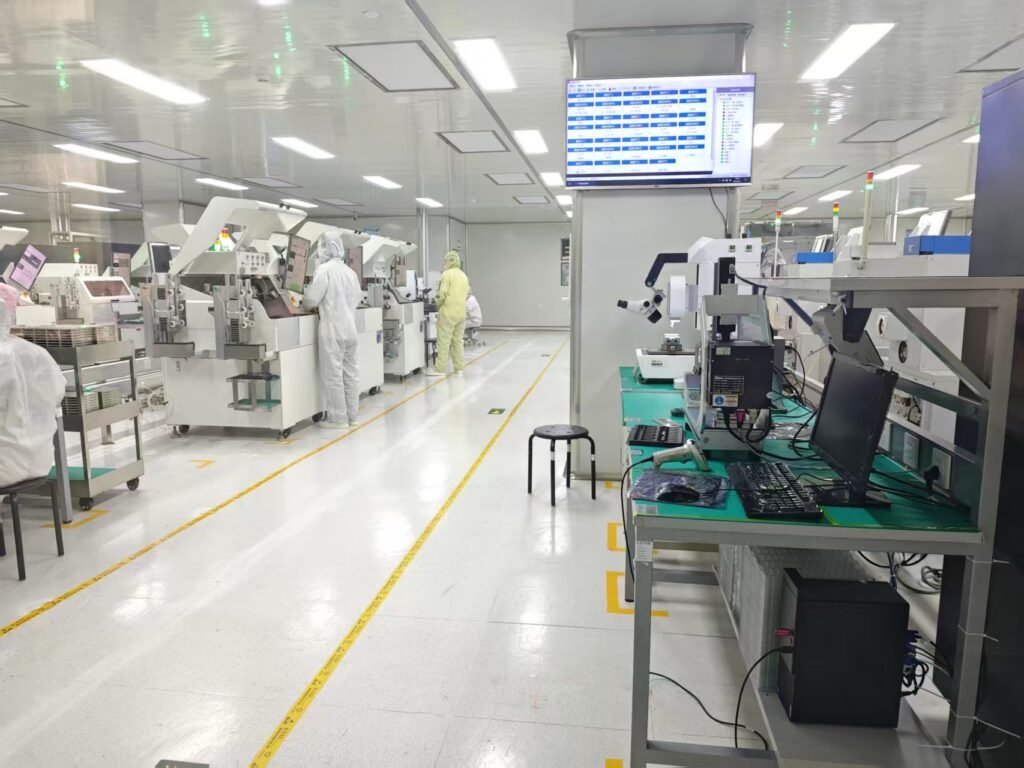
For professional users in the optical networking field, the practical benefits of selecting the QSFP transceiver are clear and substantial. These modules are designed to solve critical operational and engineering challenges in high-speed environments.
Density and Efficiency: Maximizing Rack Space
One of the most compelling features is the exceptional port density achieved by the QSFP transceiver. By combining multiple high-speed lanes into a single, compact unit, equipment manufacturers can drastically increase the number of ports on a switch or router faceplate. This direct physical attribute translates into a significant reduction in the required rack space and, consequently, lower real estate costs within the data center. Furthermore, the inherent design efficiency leads to a reduced power consumption per bit transmitted, which is a major factor in controlling the skyrocketing operational expenses (OpEx) associated with cooling and electricity.
Versatility Across Application Scenarios
The extensive range of QSFP transceiver variants ensures that a suitable product exists for virtually every application in the optical realm. The versatility of these modules allows for seamless connectivity across diverse distances and media types.
- Short-Reach Applications (Data Center Interconnect): For distances up to 100 meters, QSFP transceiver modules are commonly paired with cost-effective multi-mode fiber (MMF) solutions like SR4 (Short Reach).
- Longer-Reach Applications (Metro and Regional Networks): For links spanning several kilometers, single-mode fiber (SMF) modules, such as LR4 (Long Reach), ER4 (Extended Reach), and ZR (Z-rate) are employed, utilizing sophisticated optical components like DWDM (Dense Wavelength Division Multiplexing) to maintain signal integrity over distance.
- Active Optical Cables (AOCs) and Direct Attach Cables (DACs): For very short links within a single rack or adjacent racks, specialized QSFP-compliant copper DACs and fiber-based AOCs provide cost-effective and low-latency alternatives to traditional transceivers.
This comprehensive media support provides network architects with the flexibility to design optimized, multi-tiered networks that meet specific performance and budget targets.
Focusing on Application: The QSFP in Data Center Transformation
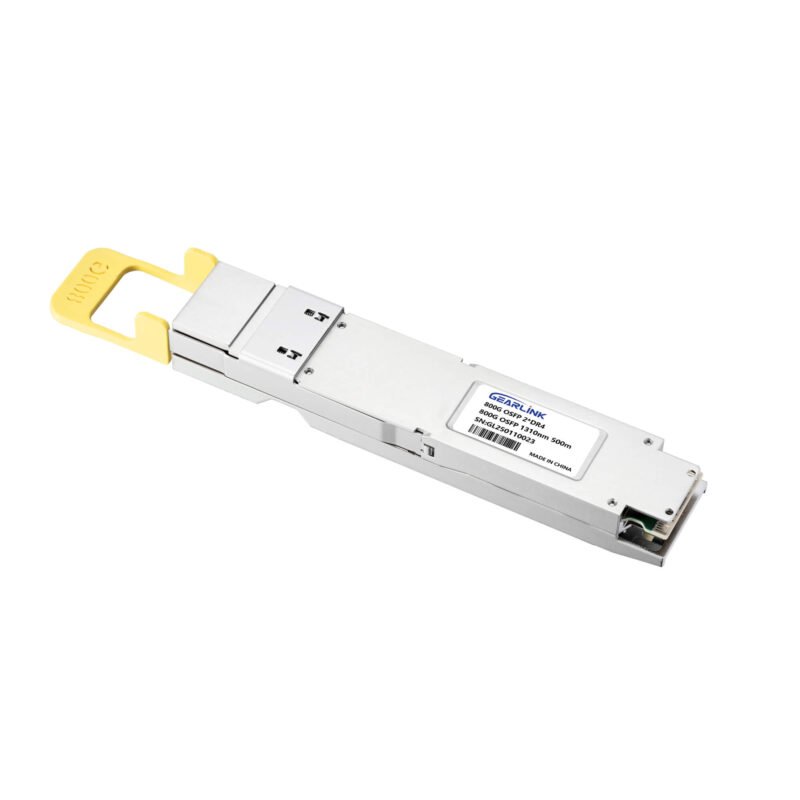
800GBASE 2 x DR4/DR8 OSFP PAM4 1310nm 500m DOM Dual MPO-12/APC SMF Optical Transceiver Module
Price range: NT$1,699 through NT$1,768
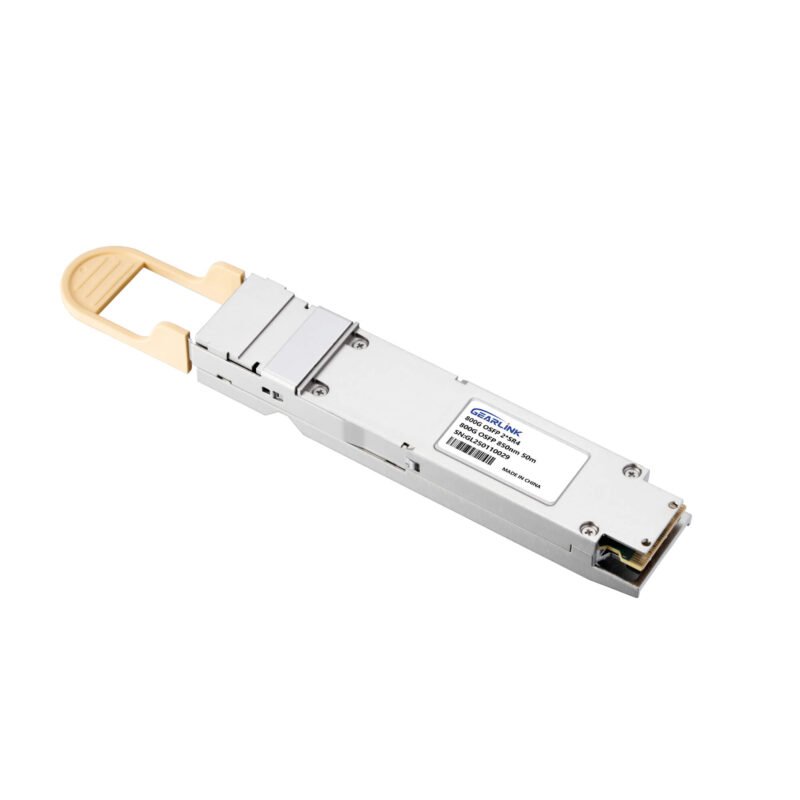
800G OSFP SR8-800GBASE 2 x SR4/SR8 OSFP PAM4 850nm 50m DOM Dual MPO-12/APC MMF InfiniBand NDR Optical Transceiver Module
Price range: NT$539 through NT$808
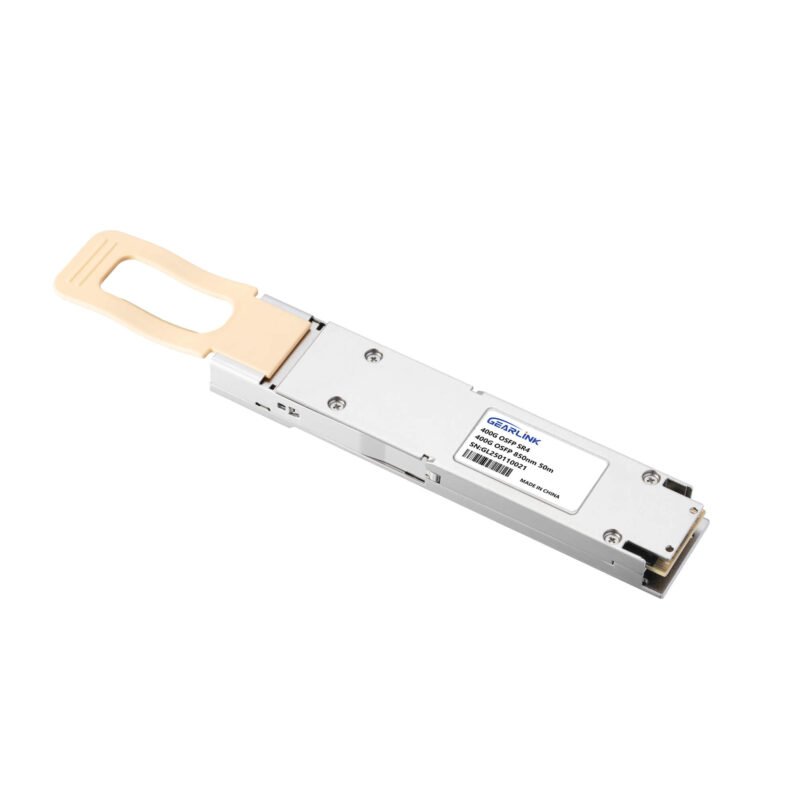
400GBASE-SR4 OSFP 850nm 50m DOM MPO-12/APC MMF Optical Transceiver Module
Price range: NT$499 through NT$898
The massive adoption of the QSFP transceiver is inseparable from the ongoing transformation of data center architectures. It is the core enabler for the high-bandwidth spine-and-leaf topology, which is now the industry standard for modern, non-blocking data center networks.
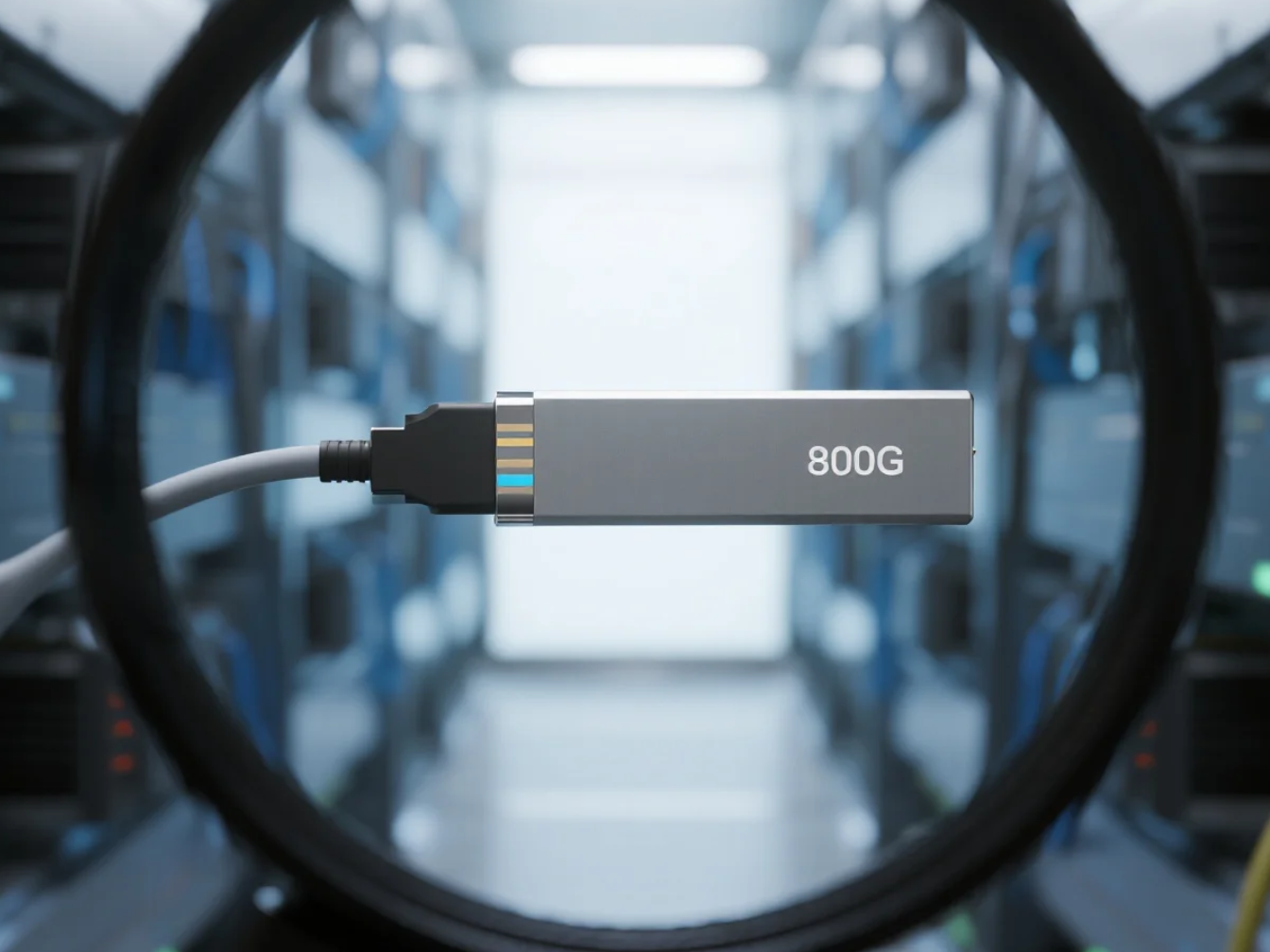
In these networks, high-speed 100G, 200G, and 400G QSFP transceiver modules are deployed en masse to connect the central ‘spine’ switches to the ‘leaf’ switches. This architecture ensures that traffic can move efficiently between any two points with minimal latency. Moreover, the ability of QSFP modules to use breakout cables (e.g., a 100G QSFP28 to 4x25G SFP28) enables a simple and elegant way to connect new high-speed equipment to existing lower-speed infrastructure, facilitating a phased and cost-controlled upgrade path. The continued evolution of the QSFP transceiver into higher densities, such as 800G, solidifies its role as the de facto standard for future data center deployments and interconnects.
Conclusion: A Strong Foundation for Future Bandwidth
In summary, the QSFP transceiver is far more than a simple optical component; it is an indispensable tool driving the speed and density required by the digital age. From the initial 40G QSFP+ to the current 400G QSFP-DD, the form factor has consistently delivered on its promise of high bandwidth, operational efficiency, and scalable design. Its technical advantages—multi-lane architecture, high port density, and low power consumption—address the immediate and long-term needs of optical module users seeking robust solutions for data center, enterprise, and service provider networks. Professionals relying on high-speed optical connectivity can confidently choose the QSFP transceiver family as the foundational element for achieving next-generation network performance.
Frequently Asked Questions (FAQ)
Q: What is the main difference between QSFP28 and QSFP-DD?
A: The key difference is the number of electrical lanes and thus, the maximum achievable speed. The QSFP28 transceiver uses four electrical lanes (4x25G) for a total of 100 Gbps. The QSFP-DD (Double Density) module doubles the capacity by using eight electrical lanes, enabling speeds up to 400 Gbps (8x50G) in the same physical size.
Q: Can a QSFP-DD port accept a QSFP28 module?
A: Yes, the QSFP-DD connector is designed to be backward compatible with all existing QSFP modules, including QSFP28, QSFP56, and QSFP+. This feature is critical for network flexibility, allowing users to upgrade chassis while retaining older, lower-speed modules where 100G is still sufficient.
Q: What does PAM4 mean in the context of QSFP transceivers?
A: PAM4 (Pulse Amplitude Modulation 4-level) is a signaling technology used by modules like the QSFP56 and QSFP-DD. Unlike traditional NRZ (Non-Return-to-Zero), which uses two voltage levels to transmit one bit per symbol, PAM4 uses four voltage levels to transmit two bits per symbol. This effectively doubles the bit rate capacity over the same bandwidth, which is essential for achieving 50G and 100G per lane speeds.