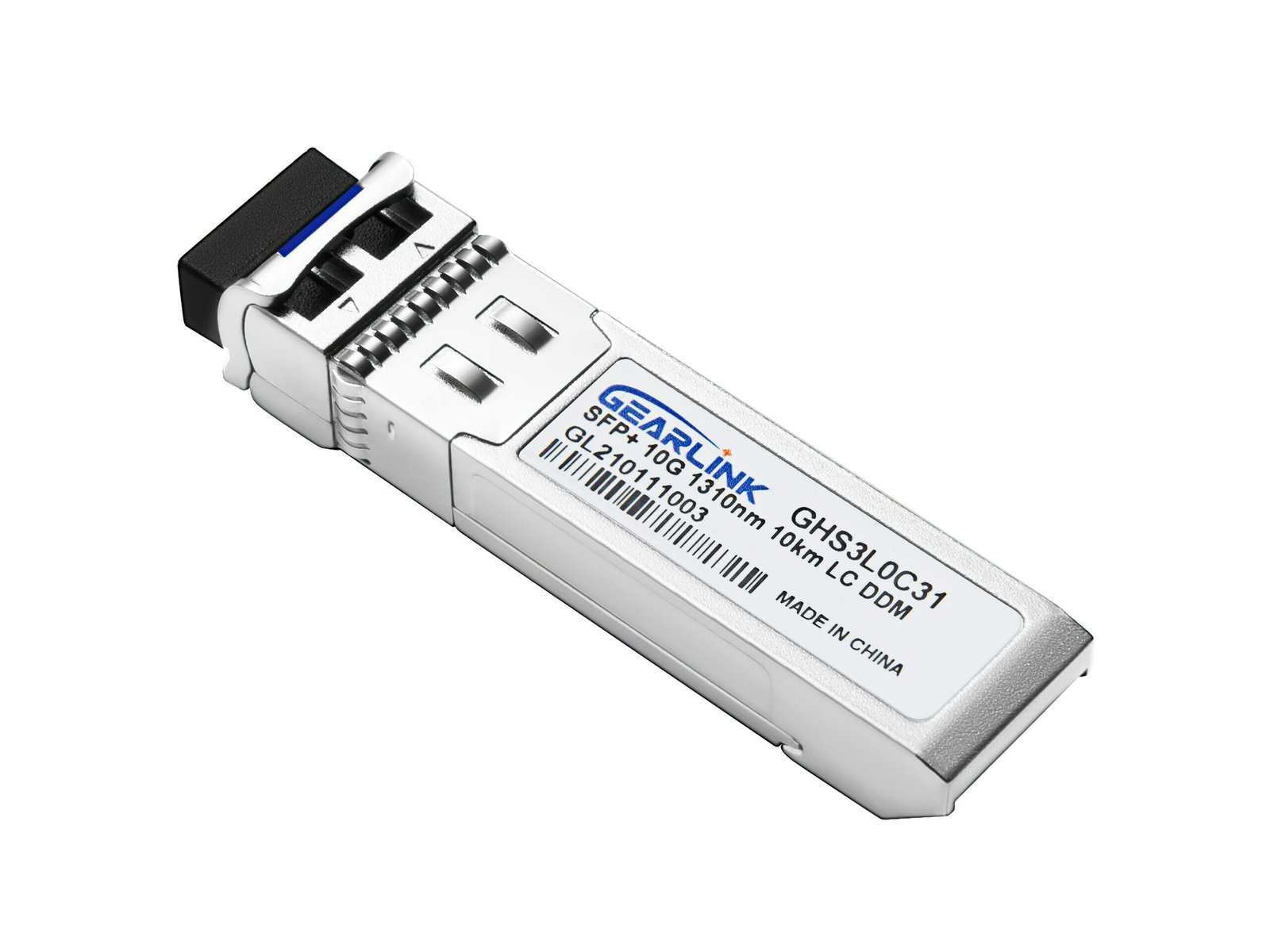
In the persistent drive for faster, more reliable, and cost-efficient data transmission, the 10 Gigabit Ethernet (10GbE) standard remains a critical backbone for enterprise networks, campus connectivity, and data center aggregation layers. The foundational component enabling this connectivity over distance is the optical transceiver. Among the vast array of available modules, the SFP-10G-LR-S has emerged as a cornerstone solution. Its specific designation—Small Form-factor Pluggable (SFP), 10 Gigabit, Long Reach (LR), and often designated as a “Standard” or “Standard-reach” variant (S)—perfectly defines its role: delivering robust 10GbE over single-mode fiber (SMF) for distances up to 10 kilometers.
Network architects and IT procurement specialists frequently confront the challenge of balancing high performance with budget constraints and power efficiency. The choice of transceiver directly impacts these factors. Therefore, the strategic question must be asked: Does the widespread availability and standardized feature set of the SFP-10G-LR-S make it the most cost-effective and functionally robust module for the majority of long-haul 10GbE deployments today? This comprehensive analysis will explore the technical specifications, operational advantages, and strategic deployment scenarios that confirm the indispensable role of the SFP-10G-LR-S in modern optical networks.
Technical Mastery: Decoding the SFP-10G-LR-S Standard
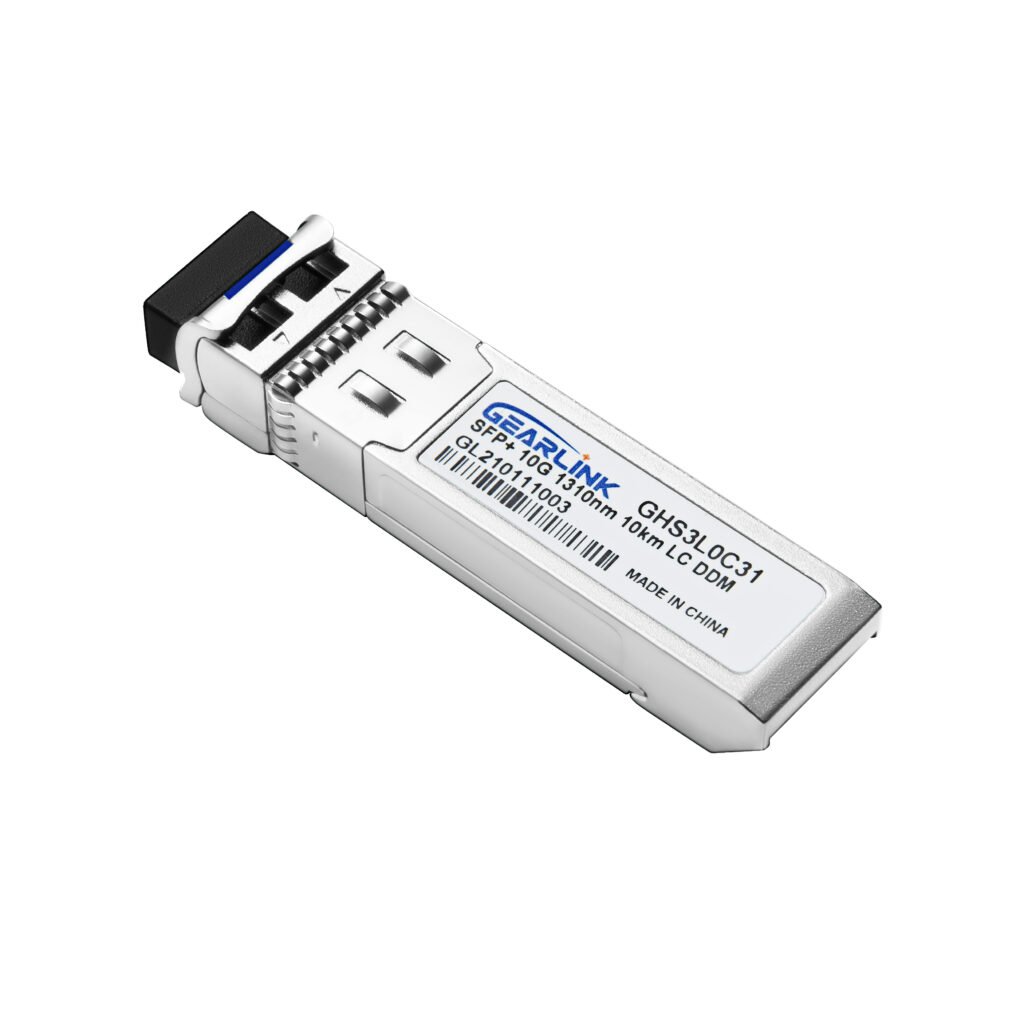
Understanding the value of the SFP-10G-LR-S begins with a clear appreciation of its standardized specifications and core operational technology.
The Role of SFP and 10G-LR Designation
The SFP form factor itself is a major advantage. It is compact and hot-pluggable, allowing modules to be inserted and removed from switches and routers without powering down the host device, minimizing network disruption during upgrades or maintenance. The 10G designation confirms its compliance with the IEEE 802.3ae standard for 10 Gigabit Ethernet. Crucially, the LR (Long Reach) label signifies its capability to transmit 10GbE data up to 10 kilometers (6.2 miles) using standard single-mode fiber (SMF), typically operating at the 1310 nm wavelength. This distance capability is vital for connecting physically separated buildings across a large campus or linking two distant points in a metropolitan area network (MAN). The final ‘S’ often indicates that the module is a standard commercial-grade variant, typically meeting lower temperature or less stringent environmental requirements than an extended temperature or industrial (I) grade module, making it perfectly suited for controlled data center environments.
Laser Technology and Fiber Compatibility
The capability of the SFP-10G-LR-S to achieve 10km distances relies on a precise Distributed Feedback (DFB) laser. DFB lasers maintain a highly stable and narrow spectral width, which minimizes chromatic dispersion over long distances of SMF. Furthermore, the module utilizes a standard duplex LC connector interface. The adoption of single-mode fiber (SMF) is a significant economic benefit in long-reach applications. Although the modules themselves may be slightly more expensive than short-reach (SR) multi-mode modules, SMF has a virtually unlimited bandwidth capacity and is substantially cheaper per meter than the high-bandwidth multi-mode fiber (MMF) required for extended 10G SR links, leading to lower overall deployment costs for longer runs.
Operational Advantages: Why the SFP-10G-LR-S is Preferred

The technical specifications translate directly into tangible operational benefits, solidifying the SFP-10G-LR-S as the go-to choice for specific network topologies.
Seamless Interoperability and Standardization
One of the greatest assurances when deploying the SFP-10G-LR-S is its commitment to open standards. Since the module adheres strictly to the MSA (Multi-Source Agreement) and IEEE standards, it guarantees interoperability across different vendors’ switches, routers, and media converters. This vendor flexibility significantly reduces procurement complexity, prevents vendor lock-in, and allows network operators to optimize pricing without compromising functional compatibility. This standardization is a core reason why the SFP-10G-LR-S remains a low-risk, high-reliability choice for large-scale enterprise deployments.
Cost-Effectiveness in Medium to Long Haul Links
When designing network links between 300 meters and 10 kilometers, the SFP-10G-LR-S provides the optimal balance of performance and cost. For links shorter than 300 meters, cheaper SR modules might suffice, but they require expensive, large-core MMF cable. For links over 10 kilometers, specialized ZR or DWDM (Dense Wavelength Division Multiplexing) modules become necessary, incurring significantly higher costs and complexity. The 10km sweet spot covered by the SFP-10G-LR-S encompasses the vast majority of campus backbones, metropolitan ring networks, and remote data center connections, making it the most cost-effective solution for this pervasive range.
Low Power Consumption and Thermal Management
The SFP form factor is inherently power-efficient. Designed to fit into high-density line cards, the SFP-10G-LR-S consumes relatively low power compared to larger, higher-speed transceivers. Typically operating within the 1-watt range, its thermal footprint is manageable, even in fully populated switching environments. Lower power consumption directly translates into reduced operational expenses related to electricity and data center cooling, which is a major concern for infrastructure managers focused on maximizing power usage effectiveness (PUE).
Strategic Deployment Scenarios in Modern Networks
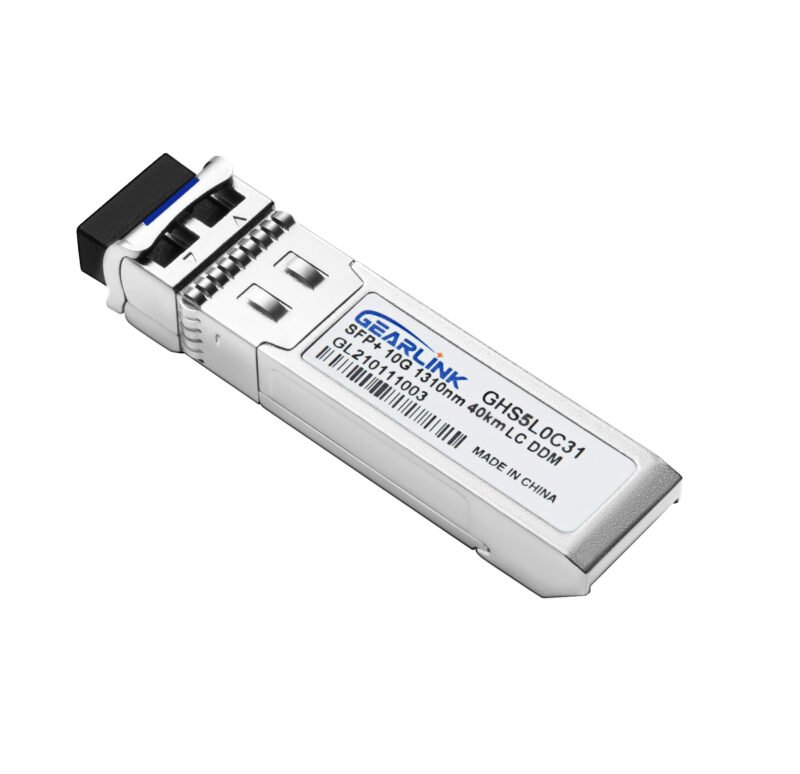
10GBASE-ER SFP+ 1310nm 40km DOM Duplex LC/UPC SMF Optical Transceiver Module
NT$25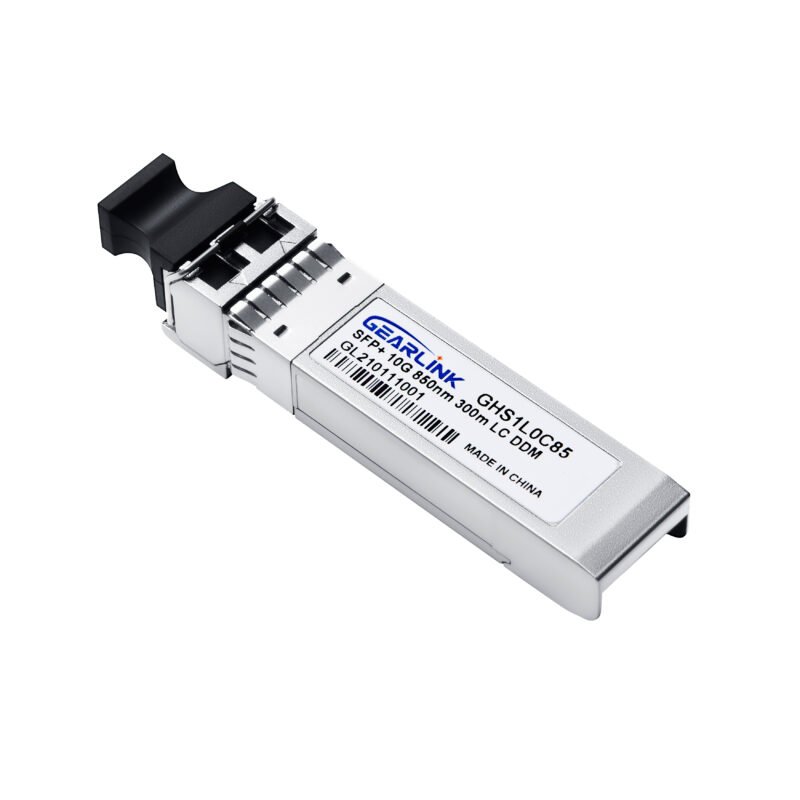
10GBASE-SR SFP+ 850nm 300m DOM Duplex LC/UPC MMF Optical Transceiver Module
NT$9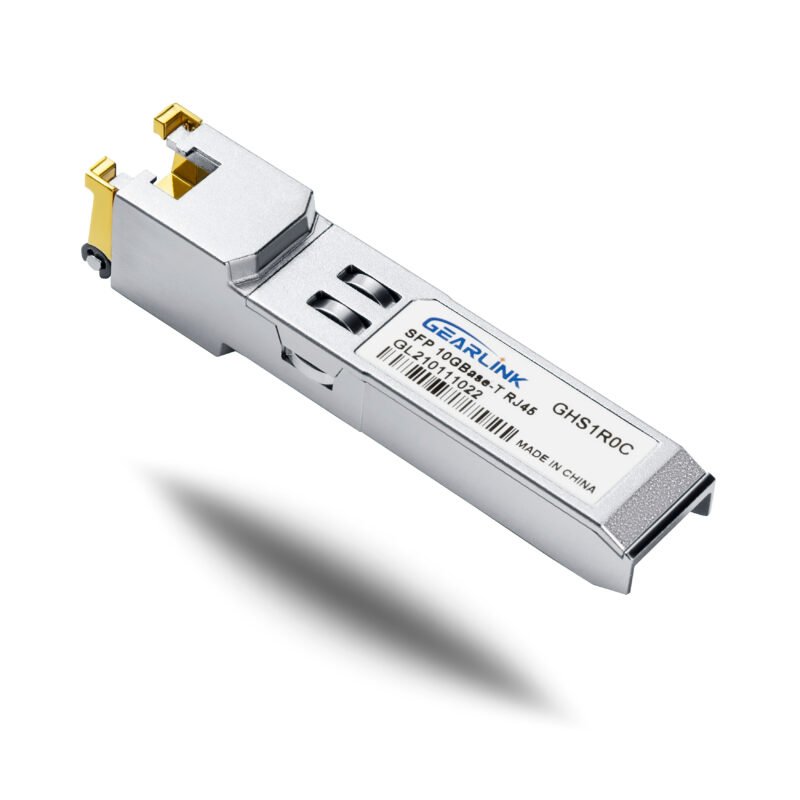
10GBASE-T SFP+ Copper 30m RJ-45 Transceiver Module
NT$45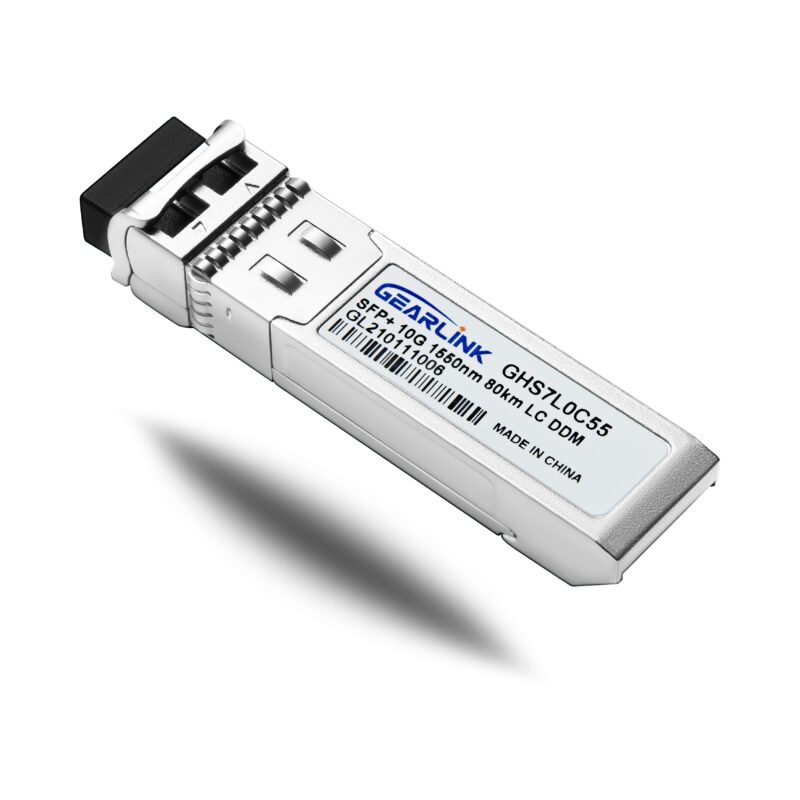
10GBASE-ZR SFP+ 1550nm 80km DOM Duplex LC/UPC SMF Optical Transceiver Module
NT$158
The versatility and performance metrics of the SFP-10G-LR-S make it the indispensable choice for several key architectural applications.
Data Center Interconnect (DCI) and Metro Networks
For smaller-scale DCI links—connecting two enterprise data centers within a 10km radius—the SFP-10G-LR-S provides a simple, direct, and reliable point-to-point connection. It avoids the complexity and cost associated with dedicated DCI equipment required for ultra-long haul or high-capacity links. Similarly, within metropolitan area networks (MANs), where service providers offer dedicated 10GbE services to corporate clients, the LR module is used extensively as the customer-side demarcation point, leveraging existing SMF infrastructure reliably.
Campus and Enterprise Backbone Connectivity
Large corporate or educational campuses often span several buildings, requiring reliable high-speed links over several kilometers. Here, the SFP-10G-LR-S forms the high-speed backbone, connecting core distribution switches in remote buildings back to the central data center. The use of SMF ensures a future-proof physical layer capable of handling upgrades to 40G, 100G, or higher speeds later, simply by changing the transceiver module, rather than replacing the underlying fiber cable.
Conclusion
The SFP-10G-LR-S is not just another optical component; it is a foundational element that ensures the efficiency, reliability, and economic viability of 10 Gigabit Ethernet networks over significant distances. Its adherence to standards, combined with the excellent price-to-performance ratio for links up to 10 kilometers, confirms its status as the most robust and versatile solution for the majority of enterprise, campus, and small-scale DCI backbones. For network professionals seeking a powerful, standardized, and interoperable module that minimizes power consumption and capital expenditure for medium-to-long reach 10GbE links, the SFP-10G-LR-S remains the definitive choice, securing reliable connectivity for years to come.
Frequently Asked Questions (FAQ)
Q1: What does the “LR” in SFP-10G-LR-S specifically stand for?
A: “LR” stands for Long Reach. It indicates the module is capable of transmitting 10 Gigabit Ethernet data over single-mode fiber (SMF) for distances up to 10 kilometers.
Q2: Can the SFP-10G-LR-S be used with multi-mode fiber (MMF)?
A: No, the SFP-10G-LR-S is designed to operate on single-mode fiber (SMF) at the 1310 nm wavelength. Using it on MMF would lead to unacceptable signal loss and link failure due to mode-field diameter mismatch. For MMF, the SFP-10G-SR (Short Reach) module is typically used.
Q3: Is the SFP-10G-LR-S compatible with equipment from different vendors (e.g., Cisco, Juniper)?
A: Yes, assuming the module is MSA-compliant (Multi-Source Agreement) and correctly coded for the host device, it ensures high interoperability. The goal of the MSA is precisely to allow transceivers from different manufacturers to function seamlessly in compliant equipment.