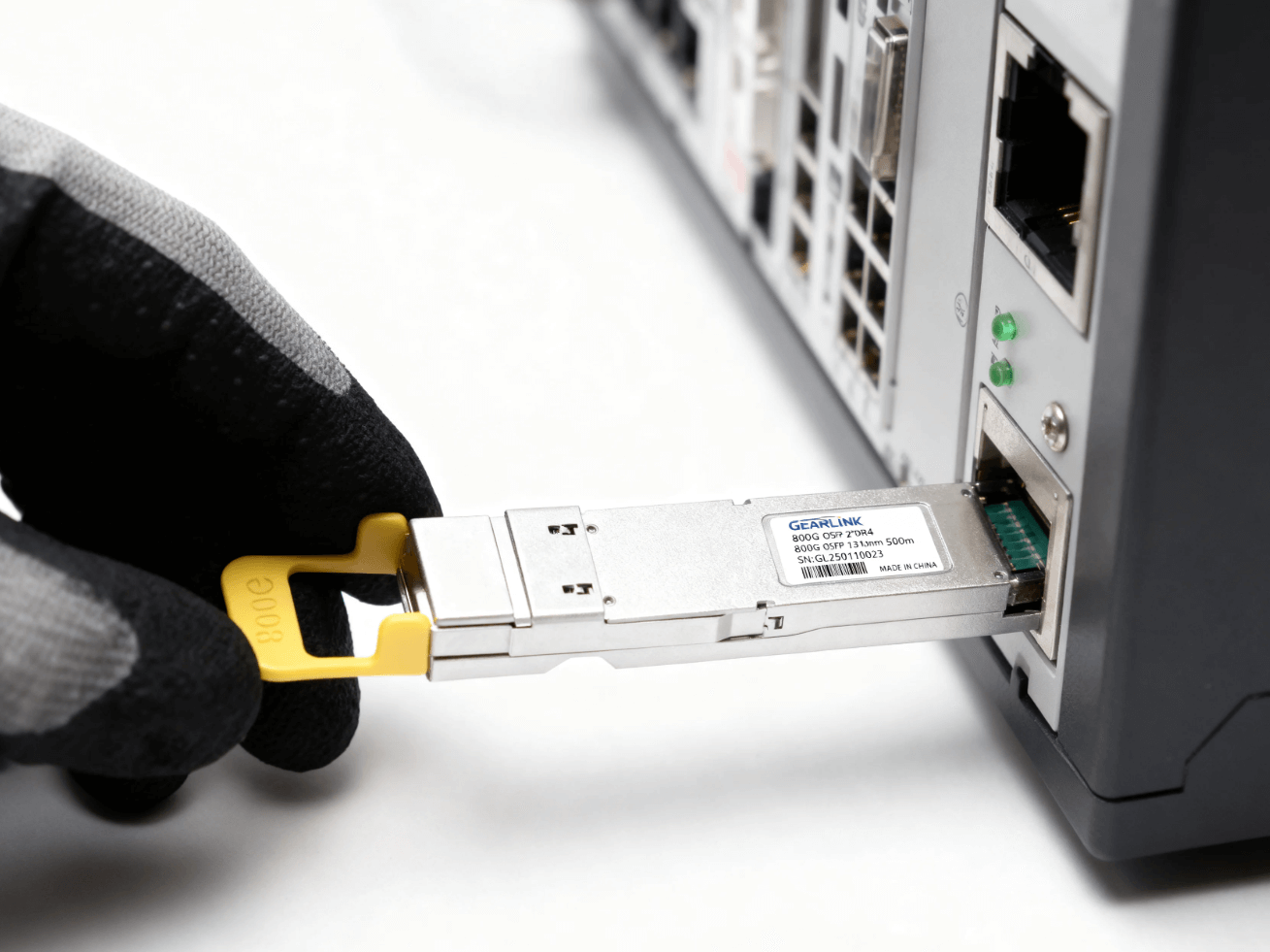
Network downtime is not an option for enterprise infrastructure. As a network strategist, I understand that selecting the right hardware is about more than just matching part numbers. You need components that ensure data integrity and long-term stability.Fiber optic transceivers are the critical bridge between your electronic equipment and the optical fiber plant. A poor choice here can lead to packet loss, latency, or total link failure. This guide helps you navigate specifications to make informed procurement decisions.
What Is an Optical Transceiver in a Commercial Context?
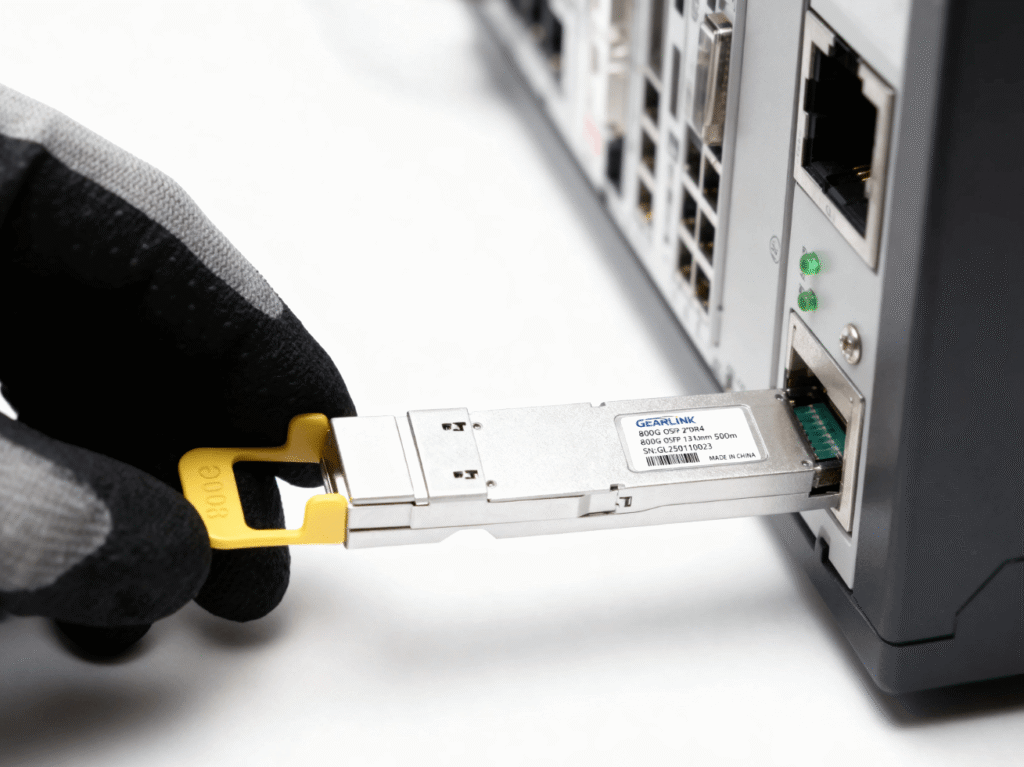
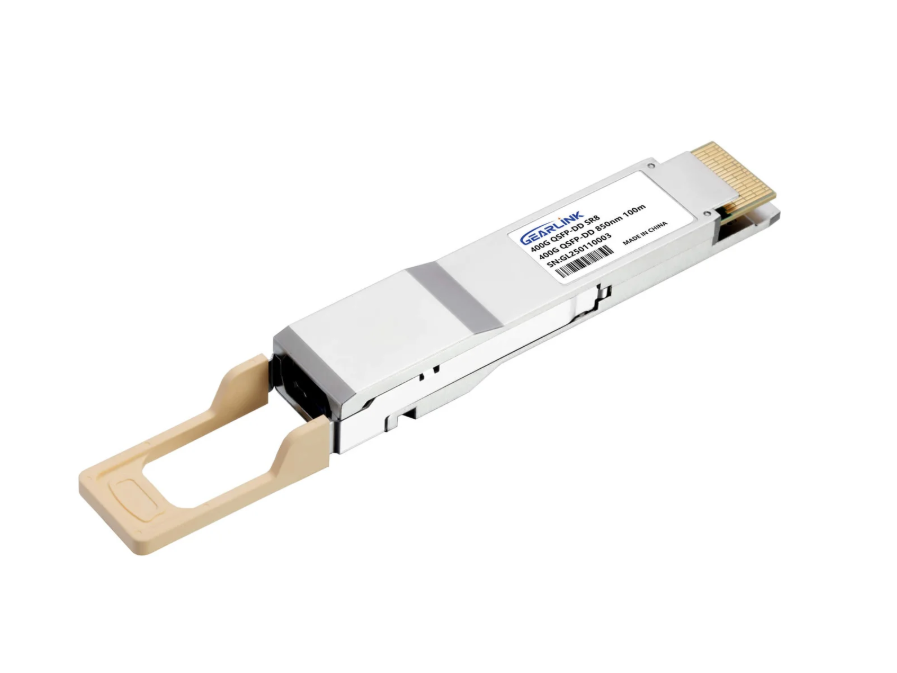
Many buyers ask, what is an optical transceiver beyond a simple plug-in device? Technically, it is a hot-swappable module that converts electrical signals into optical signals and vice versa. However, for a B2B buyer, it represents a standardization protocol.
The most critical aspect of these modules is the Multi-Source Agreement (MSA). MSAs are strict agreements between manufacturers to standardize form factors and electrical interfaces. This ensures that a module from one vendor fits physically and functions electrically in a switch from another.
I always advise clients to prioritize MSA compliance over proprietary branding. The Storage Networking Industry Association (SNIA) maintains these SFF (Small Form Factor) specifications. Adhering to these standards ensures your network remains flexible and vendor-neutral.
Analyzing the Optical Transceiver Market and Form Factors
The optical transceiver market has evolved rapidly to meet the demand for higher bandwidth. Understanding the form factor evolution is essential for compatibility with your existing switches and routers.
Common form factors include:
- SFP (Small Form-factor Pluggable): Typically used for 1G speeds.
- SFP+: An enhanced version supporting up to 10G.
- QSFP (Quad SFP): Aggregates four channels, often used for 40G.
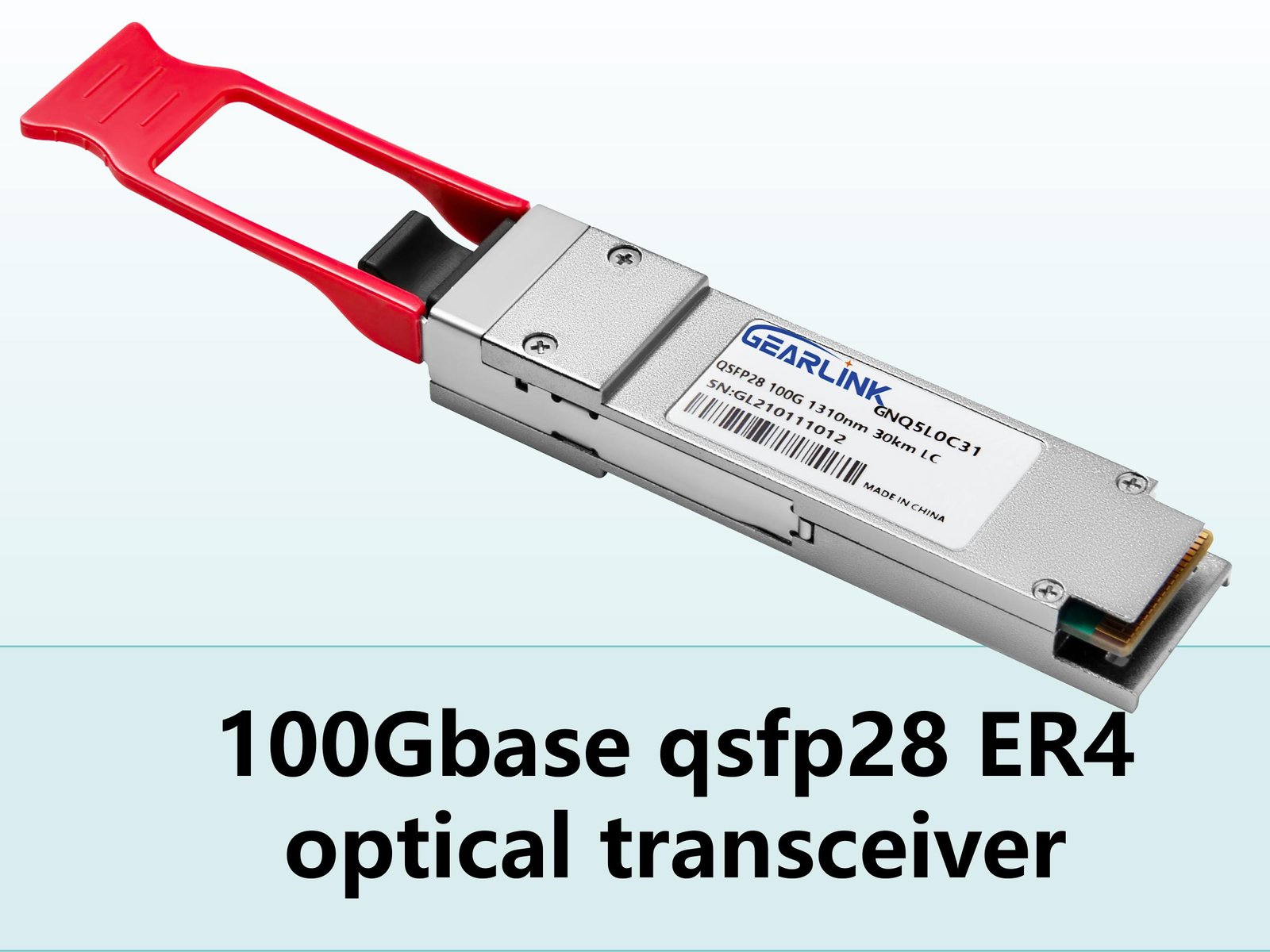
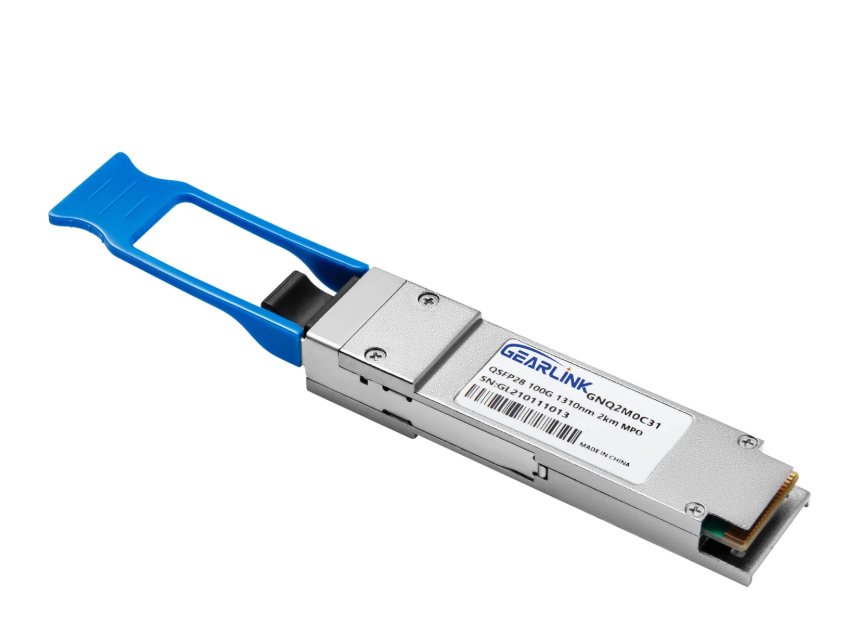
- QSFP28: The current standard for 100G enterprise backbones.
According to IEEE 802.3 standards, each form factor supports specific data rates and protocols. You must verify that your switch port supports the specific generation of the transceiver you intend to buy. Backward compatibility is not always guaranteed without manual configuration.
Key Specs for the Optical Transceiver Module
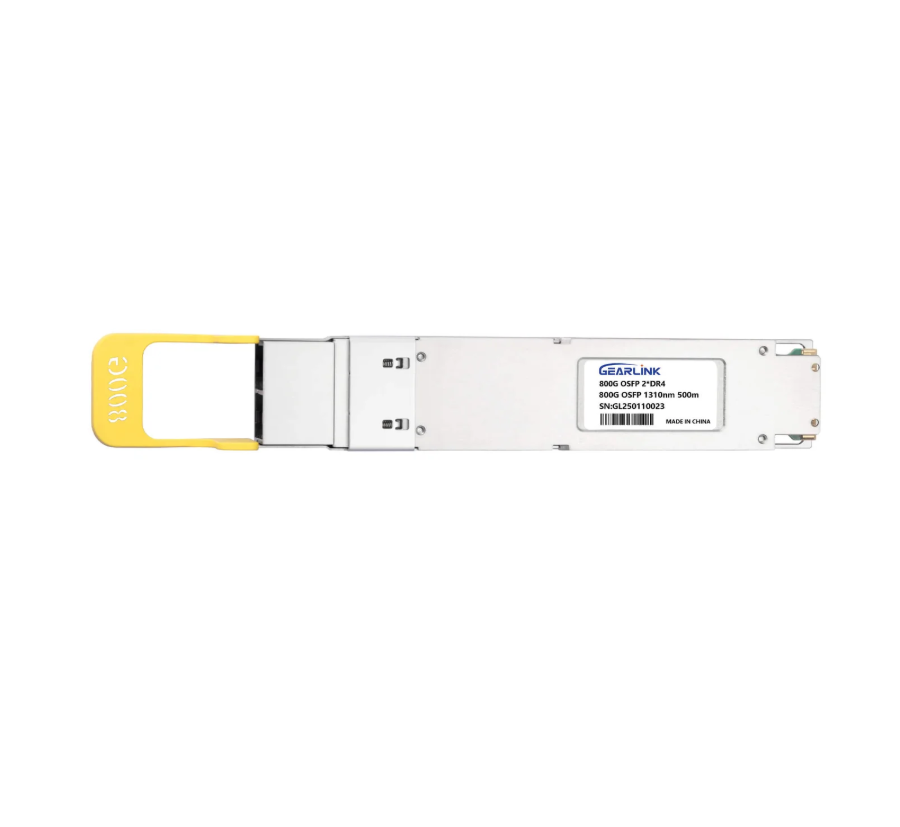
Selecting the correct optical transceiver module requires matching three physical variables: wavelength, distance, and fiber type. A mismatch in any of these will result in a “dark fiber” scenario where no link is established.
First, identify the fiber type defined by the Fiber Optic Association (FOA). Multimode fiber (OM3/OM4) generally pairs with 850nm transceivers for short distances (SR). Single-mode fiber (OS2) pairs with 1310nm or 1550nm transceivers for long ranges (LR/ER).
Second, consider the transmission distance. Standard “SR” modules reach up to 300-400 meters. “LR” modules can reach 10 kilometers, while specialized “ZR” modules can span 80 kilometers or more. Over-specifying distance can burn out receivers, so precision is key.
Ensuring Manufacturing Quality and Safety
In the B2B sector, reliability is paramount. High-quality modules undergo rigorous testing protocols, including temperature cycling and eye-diagram testing. These tests ensure the signal remains stable under varying environmental conditions.
Laser safety is another non-negotiable factor. The International Electrotechnical Commission (IEC) sets standards for laser product safety. Most enterprise transceivers should be Class 1 laser products, meaning they are safe under normal operating conditions.
Beware of generic modules that lack Digital Diagnostic Monitoring (DDM). DDM allows you to monitor real-time parameters like temperature, voltage, and laser bias current. This feature is vital for predictive maintenance and preventing sudden network outages.
Assessing Supplier Reliability for Network Upgrades
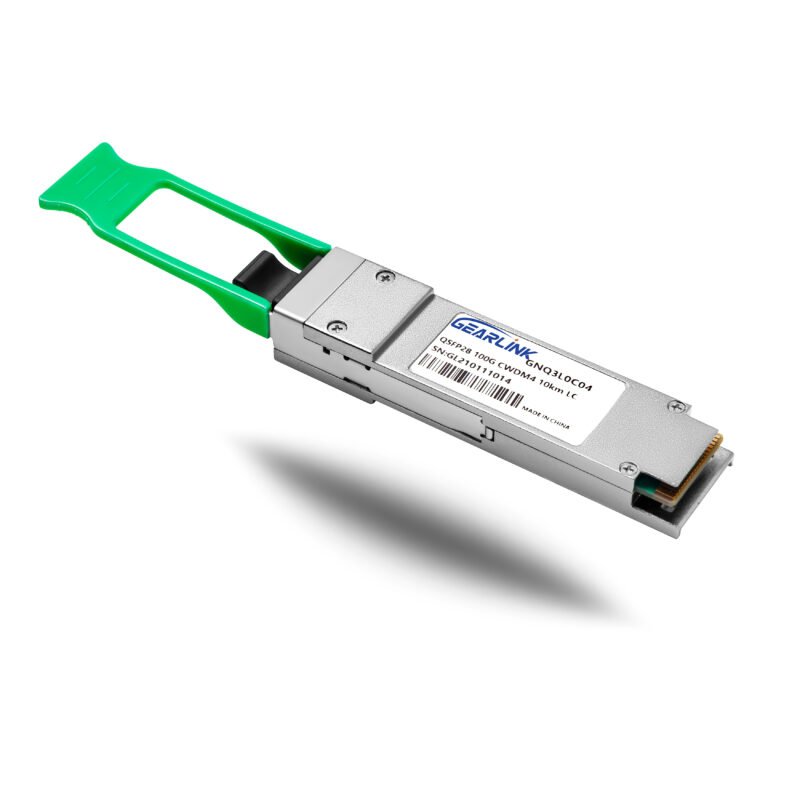
100GBASE-CWDM4 QSFP28 1310nm 2km DOM Duplex LC/UPC SMF Optical Transceiver Module
NT$99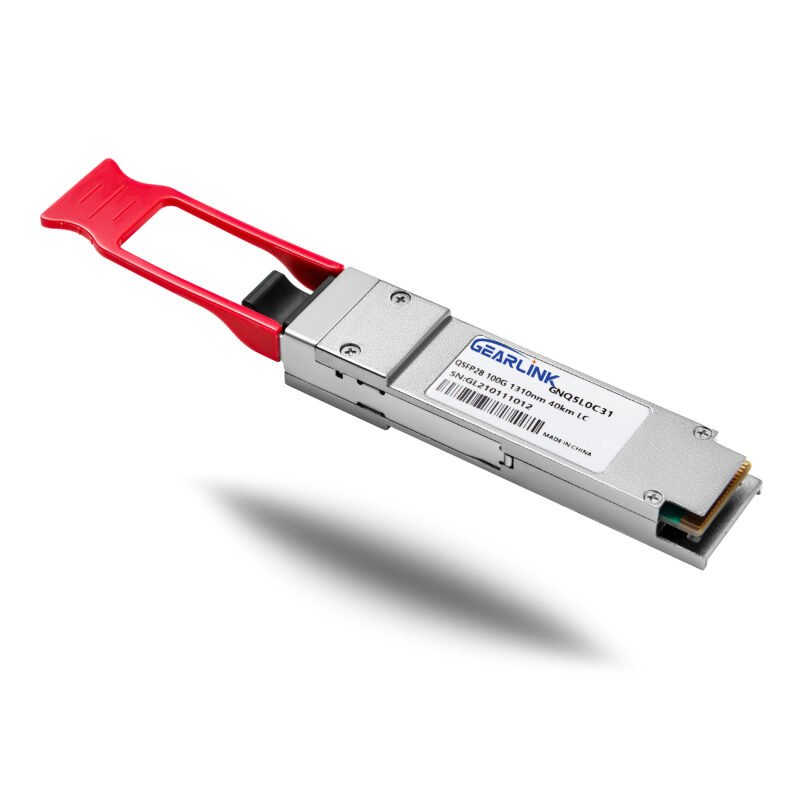
100GBASE-ER4 QSFP28 1310nm 40km DOM Duplex LC/UPC SMF Optical Transceiver Module
NT$800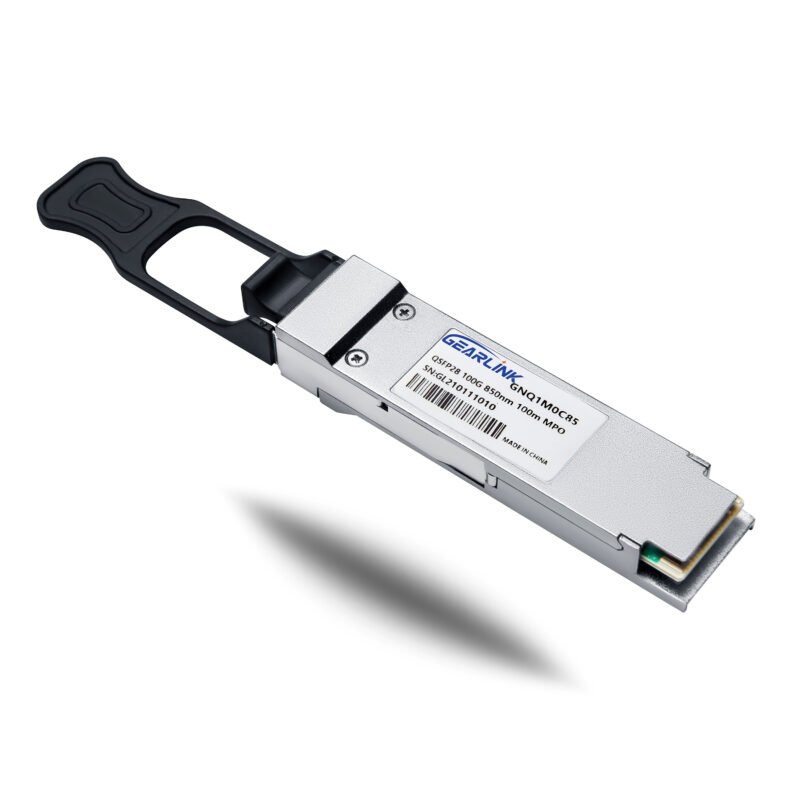
100GBASE-SR4 QSFP28 850nm 100m DOM MPO-12 MMF Optical Transceiver Module
NT$38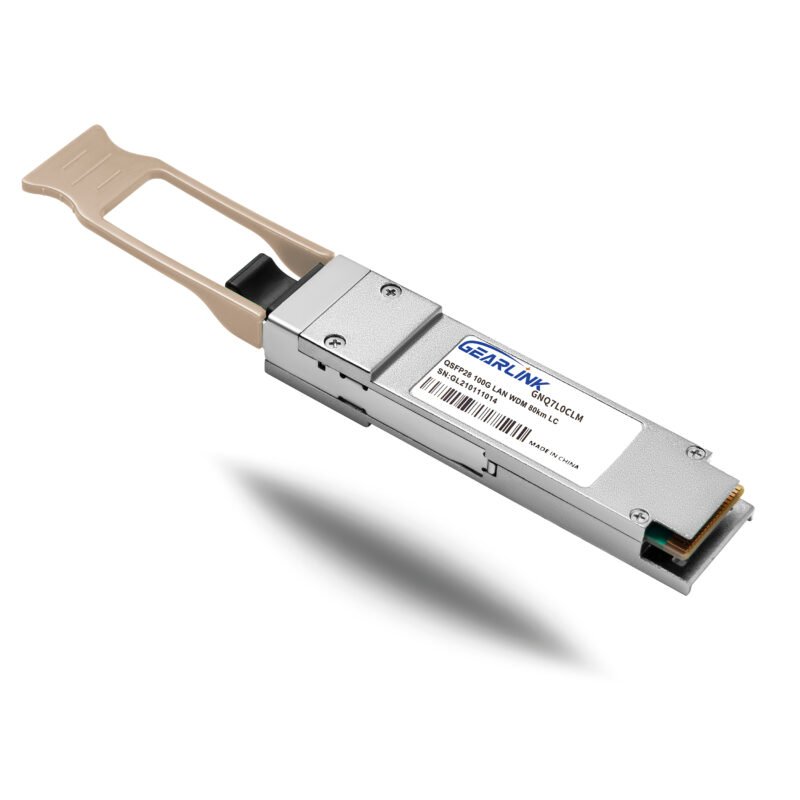
100GBASE-ZR4 QSFP28 1310nm 80km DOM Duplex LC/UPC SMF Optical Transceiver Module
NT$1,500
When evaluating where to source components, the technical specifications are only half the battle. You must also judge the supplier’s ability to guarantee compatibility across diverse hardware brands. I recommend looking for vendors who explicitly state their coding and testing methodologies.
A reliable supplier should offer clear categorization based on form factors and intended switch compatibility. They should provide transparent data regarding wavelength and distance capabilities. This transparency reduces the risk of ordering incompatible hardware for your specific network architecture.
Conclusion
Selecting the right fiber optic transceivers dictates the reliability of your entire network. By focusing on MSA compliance, correct form factors, and standard wavelengths, you ensure seamless integration. Prioritize verifiable specifications over branding to achieve a robust, high-performance infrastructure.
FAQ
1. What is the difference between SFP and SFP+ transceivers?
SFP modules typically support speeds up to 1Gbps, while SFP+ modules support up to 10Gbps. Although they share the same physical size, SFP+ is required for 10 Gigabit Ethernet applications.
2. Can I use a Single-mode transceiver with Multimode fiber?
No, this generally results in significant signal loss and link failure. You must match the optical transceiver module wavelength and laser type to the specific cable infrastructure (OS2 vs. OM3/OM4).
3. Why is MSA compliance important for the optical transceiver market?
MSA (Multi-Source Agreement) ensures that transceivers from different manufacturers are physically and electrically compatible. It prevents vendor lock-in and allows B2B buyers to source high-quality third-party modules safely.
4. How do I know if a transceiver is failing?
Modern transceivers feature DDM (Digital Diagnostic Monitoring). This allows network administrators to view real-time data like optical output power and temperature to identify potential failures before they occur.
Reference Sources
Storage Networking Industry Association (SNIA) – SFF Specifications
Institute of Electrical and Electronics Engineers (IEEE) – IEEE 802.3 Ethernet Standards
The Fiber Optic Association (FOA) – Reference Guide to Fiber Optics