The Paradigm Shift: Why Active Optical Cable (AOC) is Redefining High-Speed Connectivity
The relentless demand for faster data processing, driven by cloud computing, AI, and Big Data, has stretched the capabilities of traditional copper cabling to its limit. Data centers and high-performance computing (HPC) environments are now confronting critical bottlenecks in long-reach, high-bandwidth interconnections. It is in this high-stakes arena that the Active Optical Cable (AOC) emerges not merely as an alternative, but as a technological necessity poised to redefine connectivity standards. For engineers and product managers deeply involved in optical module applications, understanding the fundamental mechanics and superior attributes of AOC is crucial for future-proofing network architectures.
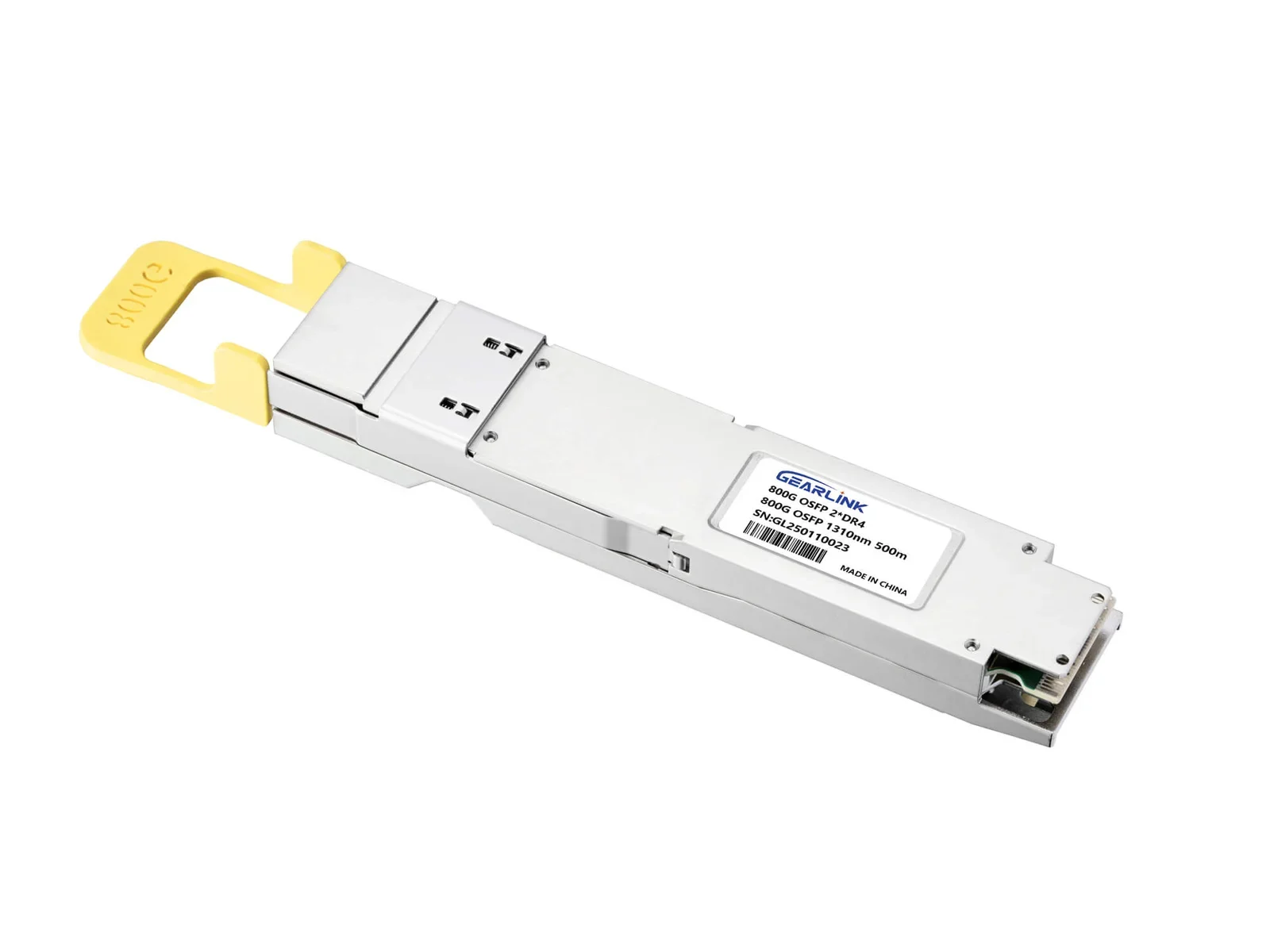
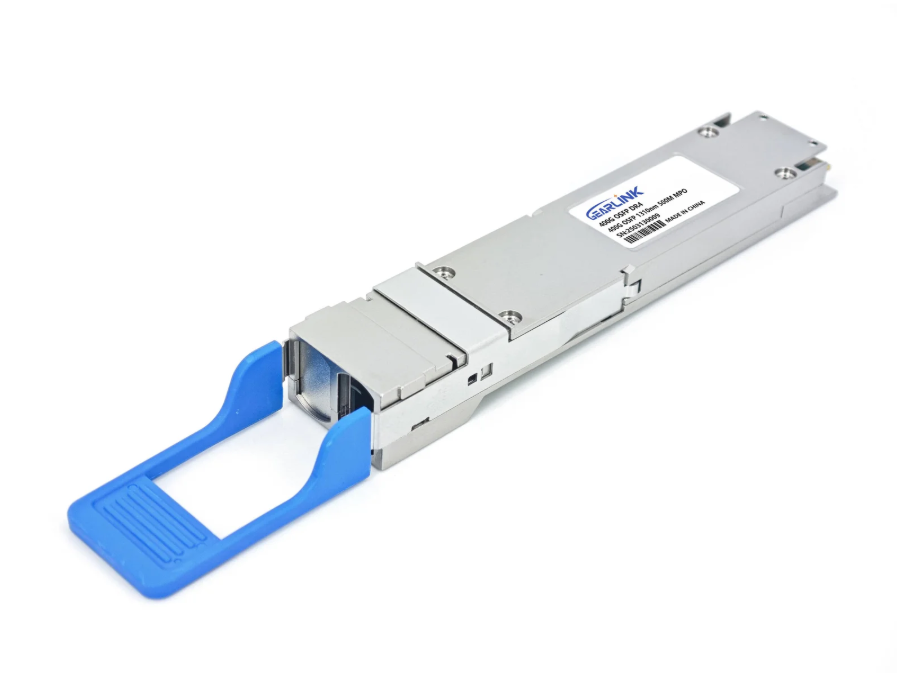
Active Optical Cable (AOC) is, at its core, a direct-attach cable assembly integrated with optical transceivers on both ends. This innovative design converts electrical signals into optical signals for transmission over a fiber optic cable, and then converts them back to electrical signals at the receiving end. This integration is what makes the cable “active,” fundamentally differentiating it from passive copper cables. While passive direct-attach copper (DAC) cables have long been the economical choice for short-reach links, their performance rapidly degrades with increasing distance and data rate. Consequently, as the industry standard shifts towards 40G, 100G, 200G, and even 400G data rates, the intrinsic limitations of copper become glaringly apparent, solidifying the strategic importance of adopting Active Optical Cable (AOC) solutions.
Unpacking the Core Advantages of Active Optical Cable (AOC)
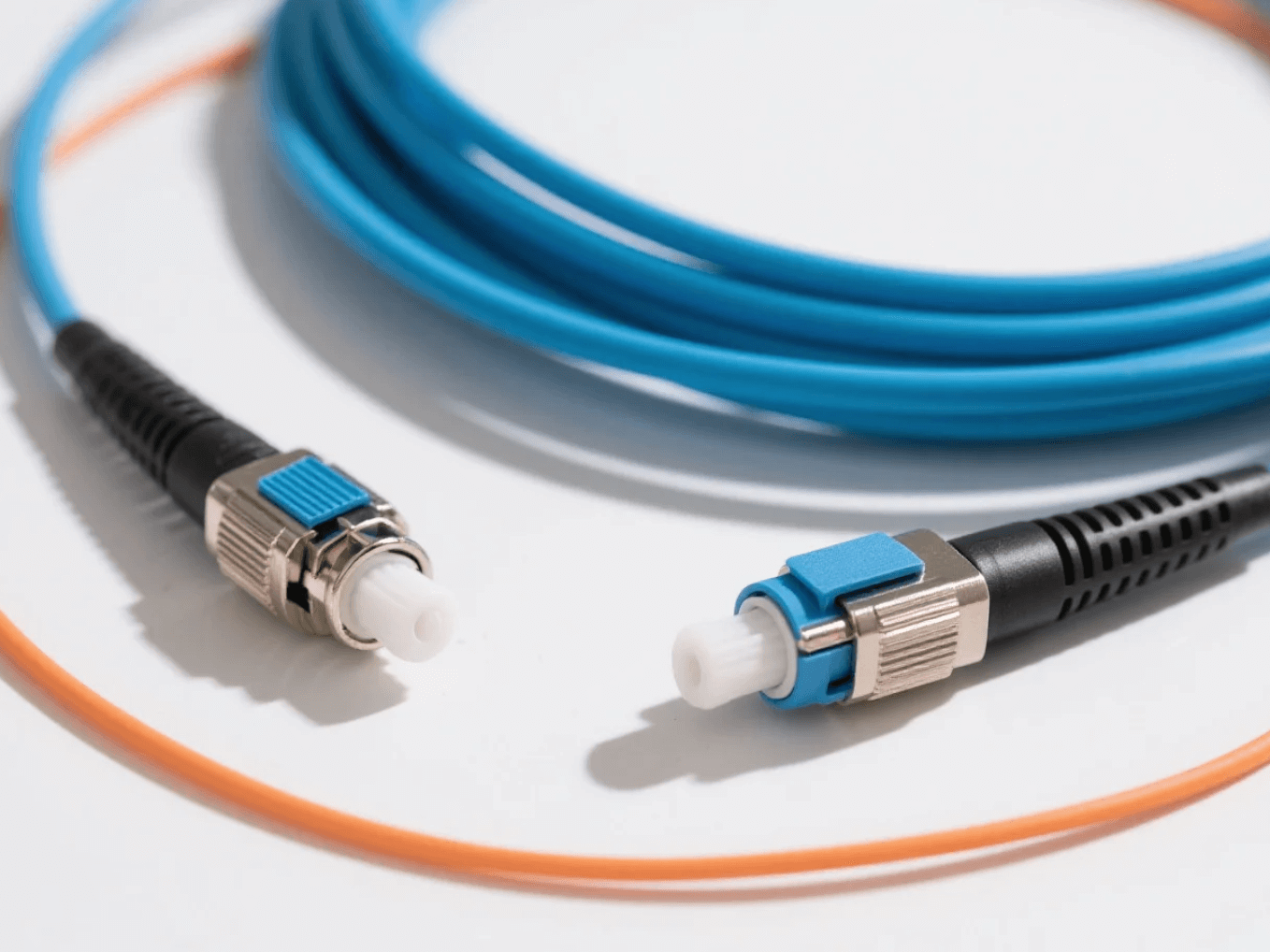
The adoption of Active Optical Cable (AOC) is not based on a single factor, but rather a compelling combination of performance and operational benefits that directly address the pain points of modern high-density networks.
Superior Reach and Signal Integrity
Perhaps the most significant advantage of Active Optical Cable (AOC) is its ability to transmit high-speed data over significantly longer distances than DAC. Whereas copper DACs typically begin to fail or require complex signal conditioning beyond 7 meters, AOCs can reliably span distances up to 100 meters, and sometimes even more, depending on the implementation. This extended reach is vital for connecting physically separated racks, cross-connecting rows within a massive data center, or linking equipment in different rooms. Furthermore, because data is transmitted as light, AOC is inherently immune to electromagnetic interference (EMI), a common issue that causes bit errors and data corruption in copper systems, thus guaranteeing superior signal integrity.
Optimized Physical Characteristics: Weight, Size, and Airflow
In the context of densely packed data center racks, the physical attributes of connectivity solutions are incredibly important for operational efficiency. Active Optical Cable (AOC) assemblies are dramatically thinner and lighter than their copper counterparts. This reduced bulk leads to several direct benefits:
- Easier Cable Management: The flexibility and reduced diameter of fiber cables make routing and managing hundreds of links in a single rack far simpler and less labor-intensive.
- Improved Airflow and Cooling: Thicker copper cables act as physical barriers to airflow, trapping heat. The slim profile of AOCs allows air to circulate more freely, contributing to lower operating temperatures and reduced cooling costs—a non-trivial factor in large-scale operations.
- Reduced Stress on Equipment Ports: The lightweight nature of AOC puts less physical strain on the sensitive ports of switches, routers, and servers, potentially improving long-term equipment reliability.
Lower Power Consumption at High Speeds
While the “active” component of Active Optical Cable (AOC) requires power for the electrical-to-optical conversion, this power consumption is highly efficient, particularly when scaled up and compared to the alternatives. To achieve the same long-reach performance as AOC, an equivalent copper solution would require bulky and power-hungry retimers and sophisticated signal equalization on the host equipment. By integrating the necessary signal processing logic directly into the cable heads, Active Optical Cable (AOC) can actually result in a net lower power draw across the entire network fabric, aligning perfectly with the industry’s push for greener, more sustainable data center operations.
Active Optical Cable (AOC) in the Optical Module Ecosystem
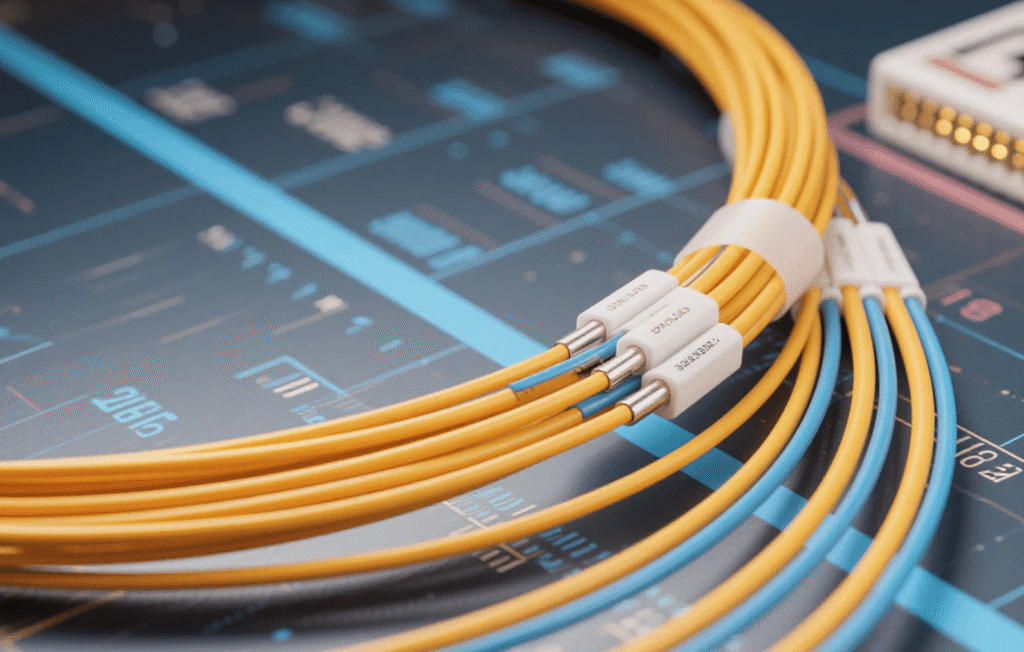
From the perspective of an optical module user, Active Optical Cable (AOC) is a strategic extension of the traditional transceiver. It is not designed to replace standard pluggable transceivers (like QSFP28 or SFP56-DD), but rather to offer a streamlined, factory-terminated, and highly reliable alternative for specific use cases.
The key benefit for the module user is guaranteed interoperability and performance. When a standard pluggable module is paired with a separate fiber patch cord, there are multiple points of potential failure: dirty or misaligned connectors, poor-quality fiber, or incorrect fiber type (e.g., OS2 vs OM4). Conversely, an Active Optical Cable (AOC) is a single, sealed, and tested unit. The transceivers and the fiber are perfectly matched and permanently terminated, eliminating installation-related errors and simplifying troubleshooting dramatically. This “plug-and-play” reliability is invaluable in mission-critical environments where downtime is unacceptable.
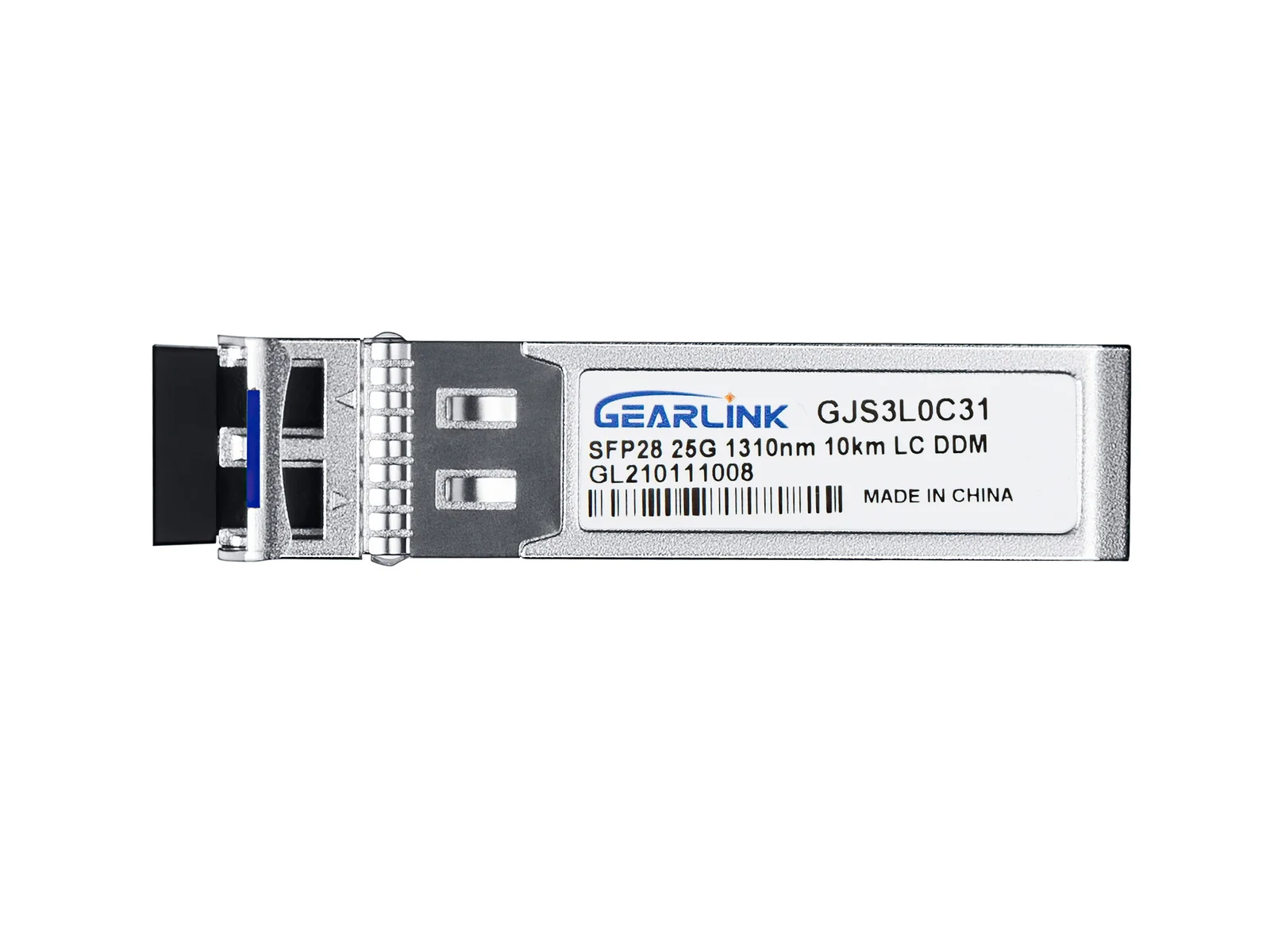
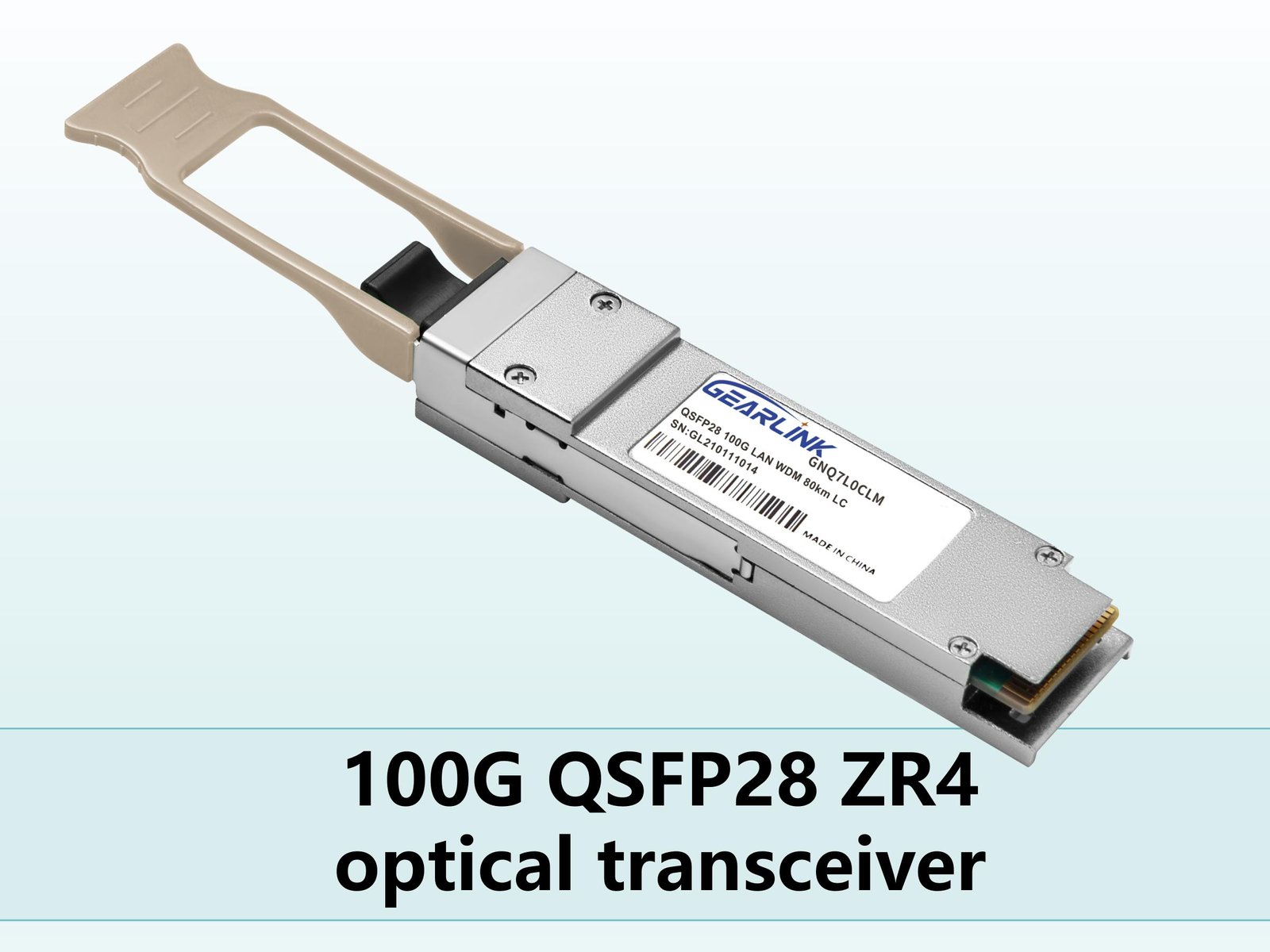
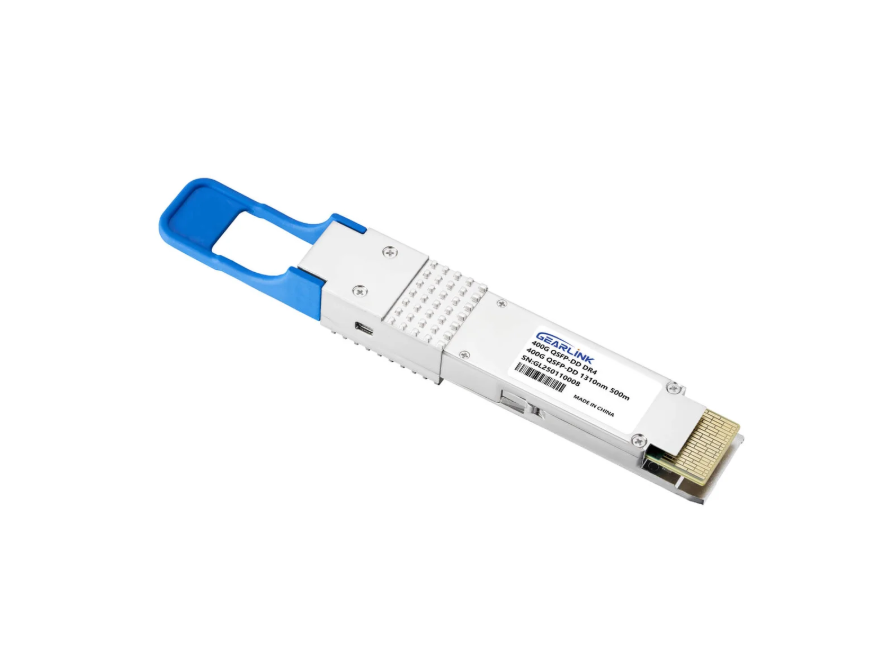
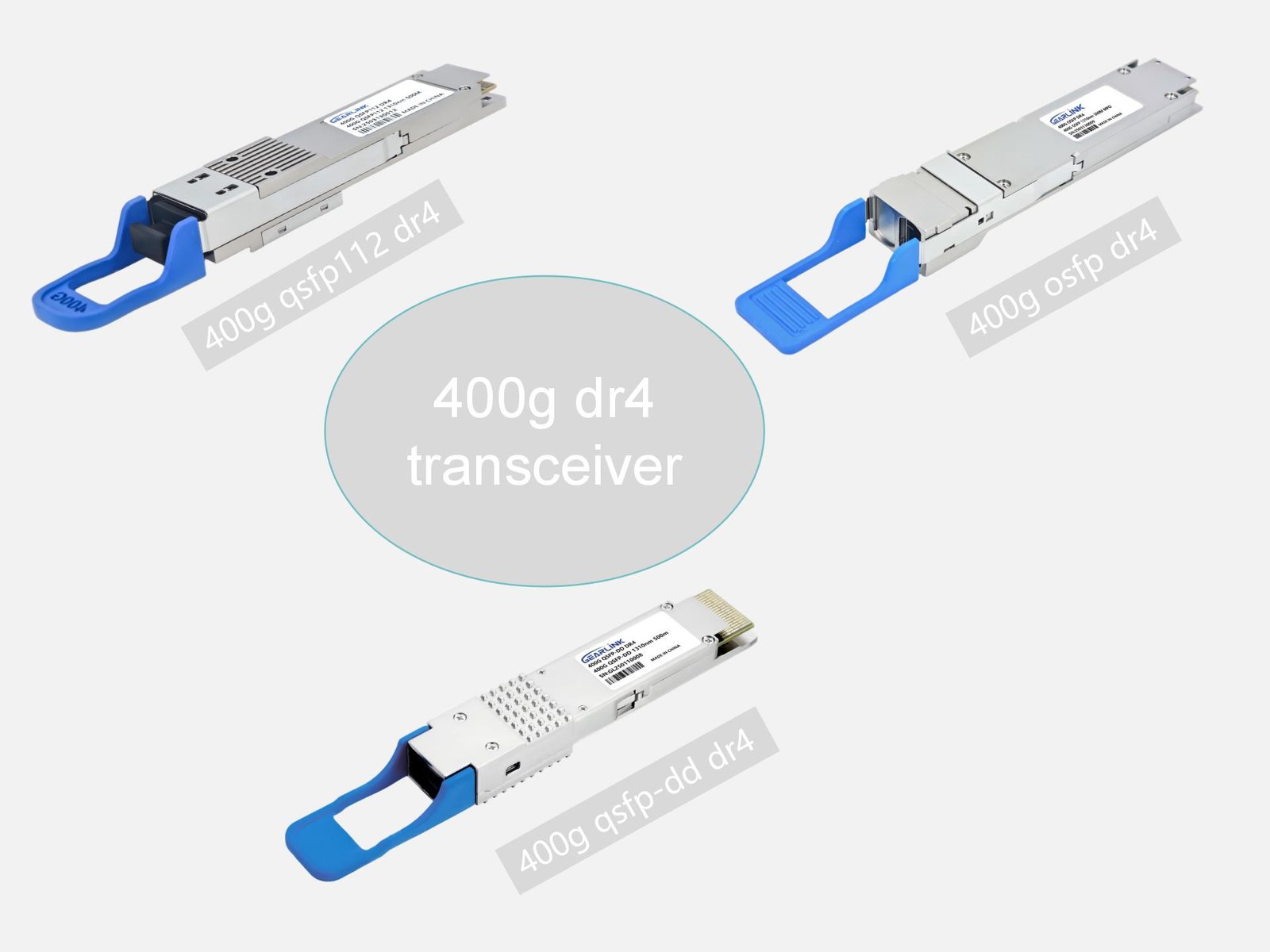
Moreover, the form factors for AOCs directly mirror those of standard pluggable modules, such as QSFP-DD AOC, QSFP28 AOC, and SFP28 AOC, making them drop-in replacements for their copper or discrete optical counterparts. This commonality ensures an easy integration path into existing switch and server infrastructure without requiring hardware modifications. As the industry moves toward higher density switch ports, the integrated nature of Active Optical Cable (AOC) becomes increasingly appealing for managing the sheer volume of links required.
Strategic Selection: AOC vs. DAC vs. Transceivers
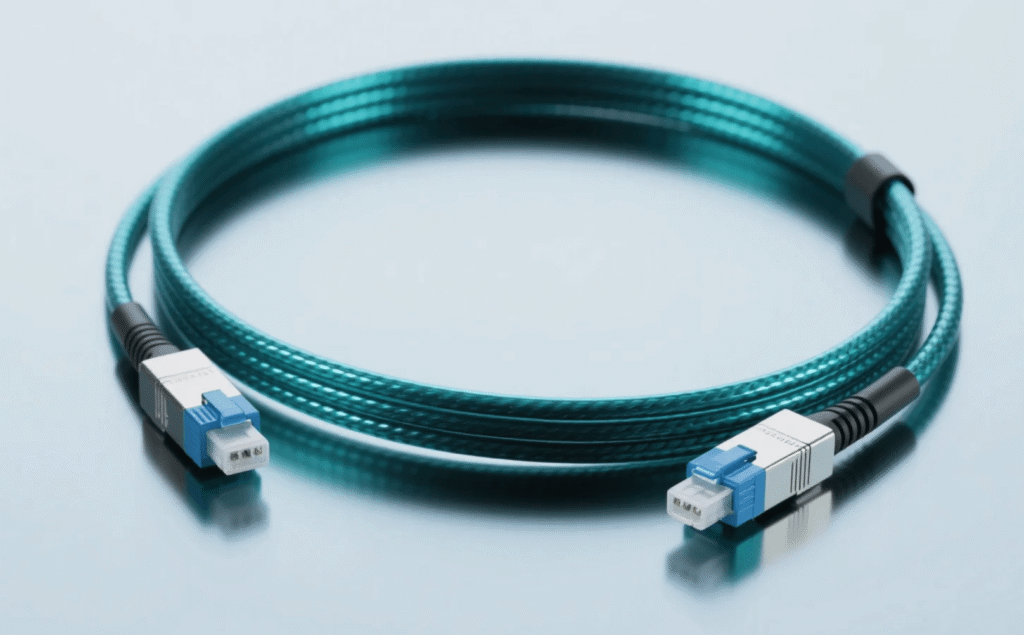
Choosing the right interconnect technology often boils down to a clear understanding of the application’s distance and budget requirements.
| Interconnect Type | Ideal Distance Range | Key Advantage | Typical Use Case |
| Passive Direct Attach Copper (DAC) | < 5 meters | Lowest initial cost and power | Adjacent server to Top-of-Rack (ToR) switch |
| Active Optical Cable (AOC) | 5 meters to 100 meters | Excellent balance of reach, performance, and simplicity | Middle-of-Row (MoR) or End-of-Row (EoR) aggregation |
| Pluggable Transceiver + Fiber | > 100 meters | Maximum flexibility and longest reach | Data center to data center (DCI) or core network spine links |
In essence, Active Optical Cable (AOC) fills the critical performance gap between the short-reach limitations of DAC and the high-cost, long-reach solutions involving separate transceivers and patch cables. It provides a sweet spot for the majority of in-rack and adjacent-rack connections, particularly in mega-scale 40G/100G/200G deployments where efficiency and reliability are paramount. The continued refinement of VCSEL technology and integration techniques promises even lower power consumption and higher data rates, cementing the long-term viability of Active Optical Cable (AOC) as a foundational element in next-generation networks. For companies like optictran.com, specializing in this domain allows them to offer solutions that directly enable the massive scalability and performance that the cloud demands.
Frequently Asked Questions (FAQ)
What is the main difference between an Active Optical Cable (AOC) and a Direct Attach Copper (DAC) cable?
The main difference is the transmission medium and the components within the connector. DAC uses copper wiring and transmits electrical signals, limiting its reliable reach to about 7 meters. Active Optical Cable (AOC) uses fiber optic strands and contains integrated transceivers to convert electrical signals to light for transmission, allowing for reliable reach up to 100 meters and superior EMI immunity.
Are Active Optical Cables (AOCs) generally more expensive than DACs?
Yes, Active Optical Cable (AOC) is generally more expensive than passive DAC due to the integrated active components (lasers, photo-diodes, and control chips). However, when factoring in the cost of separate retimers or the performance degradation of DAC at longer distances, AOC often proves to be the most cost-effective and reliable solution for intermediate reaches (> 7 meters).
Can I use an Active Optical Cable (AOC) to connect two different types of equipment, such as SFP28 to QSFP28?
Yes, specialized Active Optical Cable (AOC) assemblies, known as “breakout cables” or “hybrid cables,” are commonly available. For example, a QSFP28 to 4x SFP28 AOC allows a high-speed 100G port (QSFP28) to be broken out into four 25G links SFP28, offering crucial flexibility in network architecture.