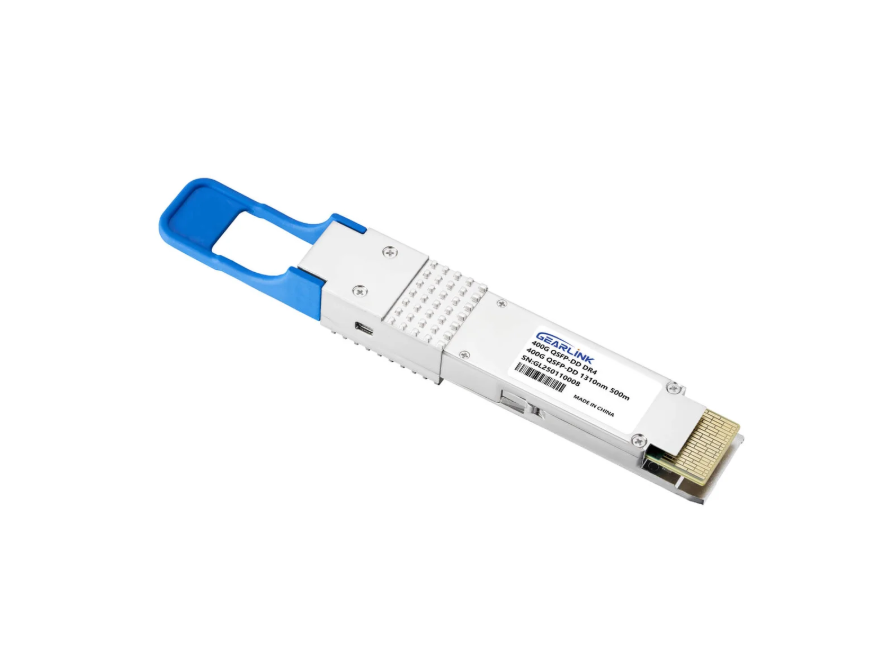
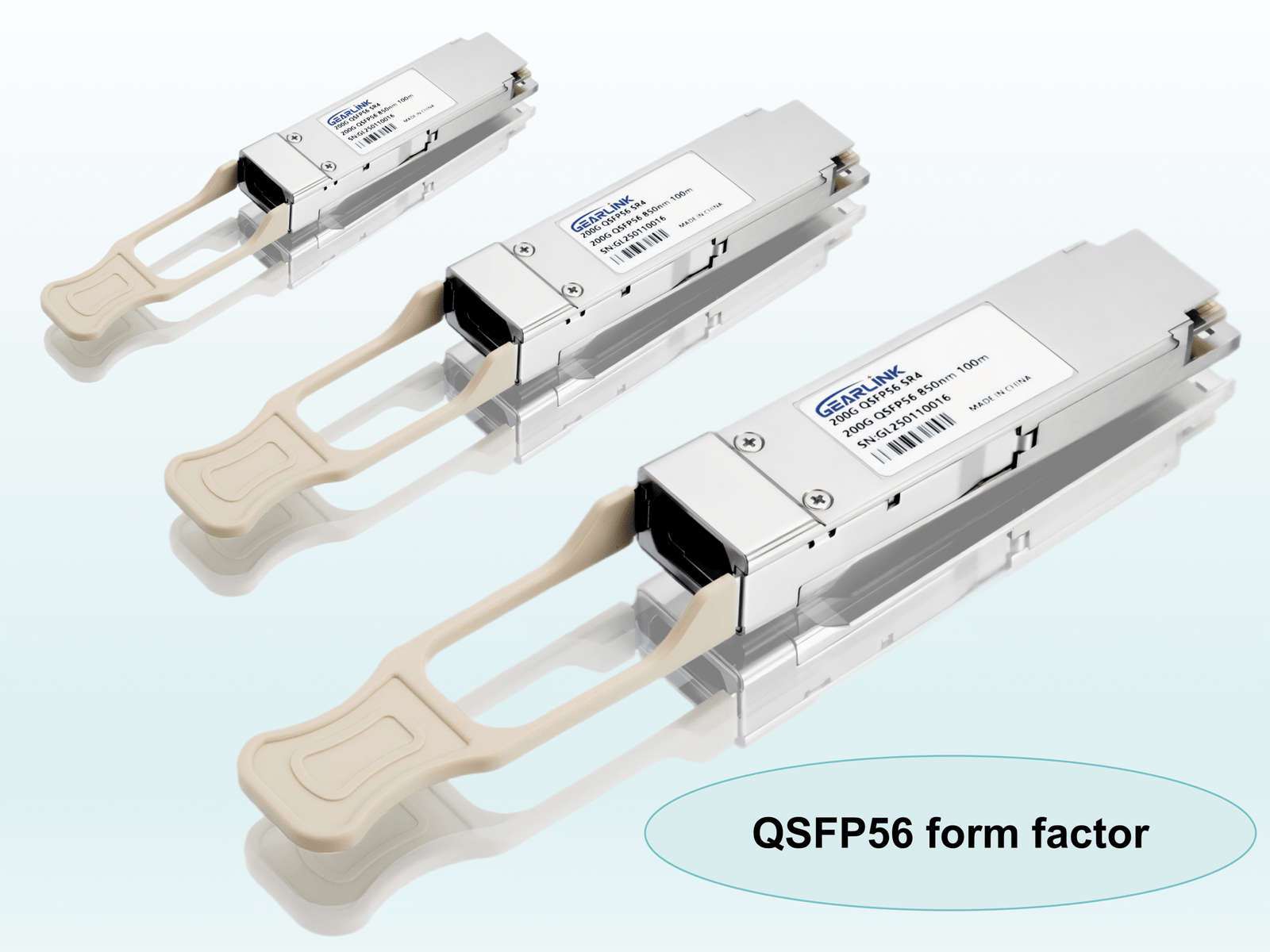
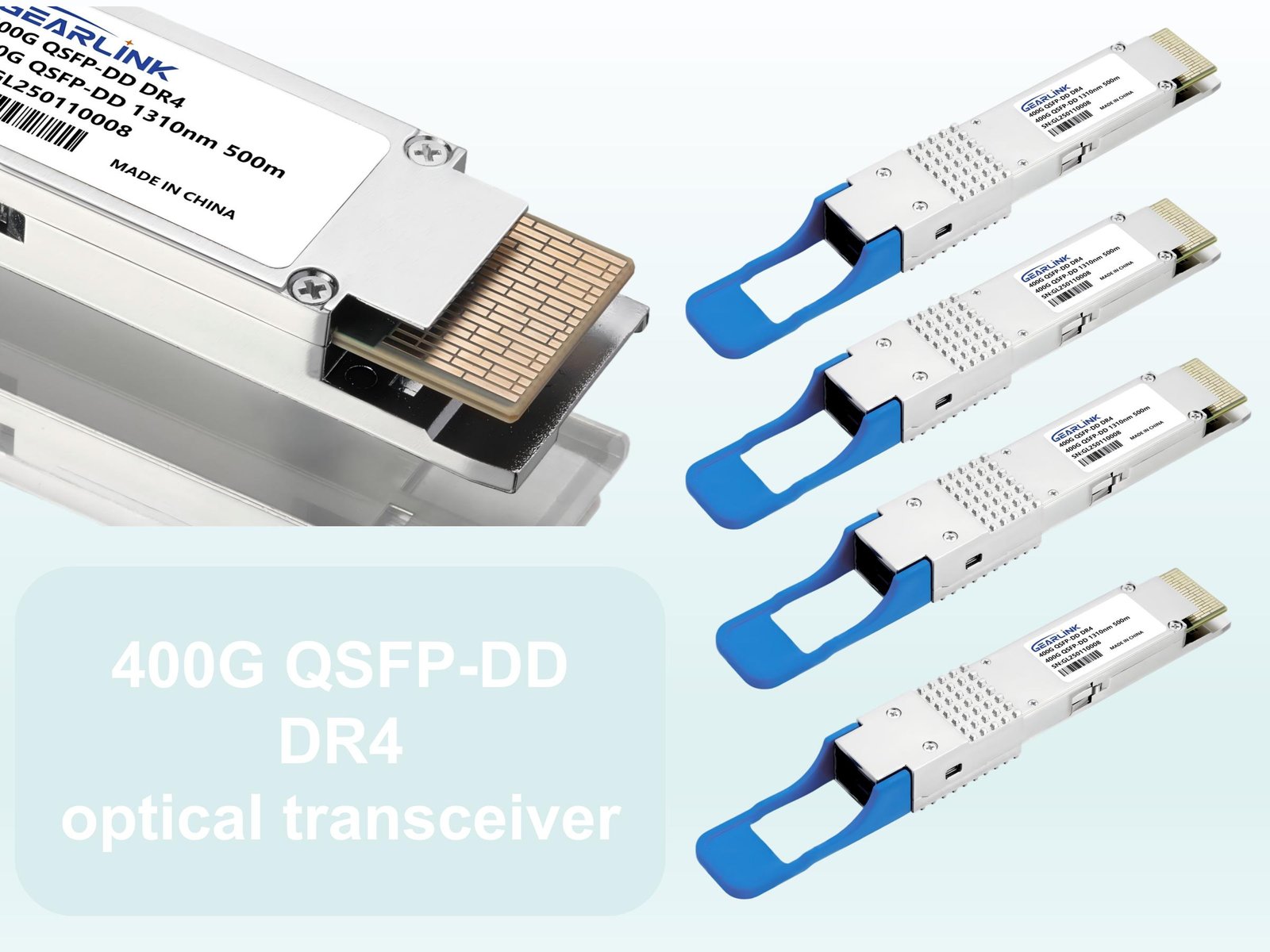
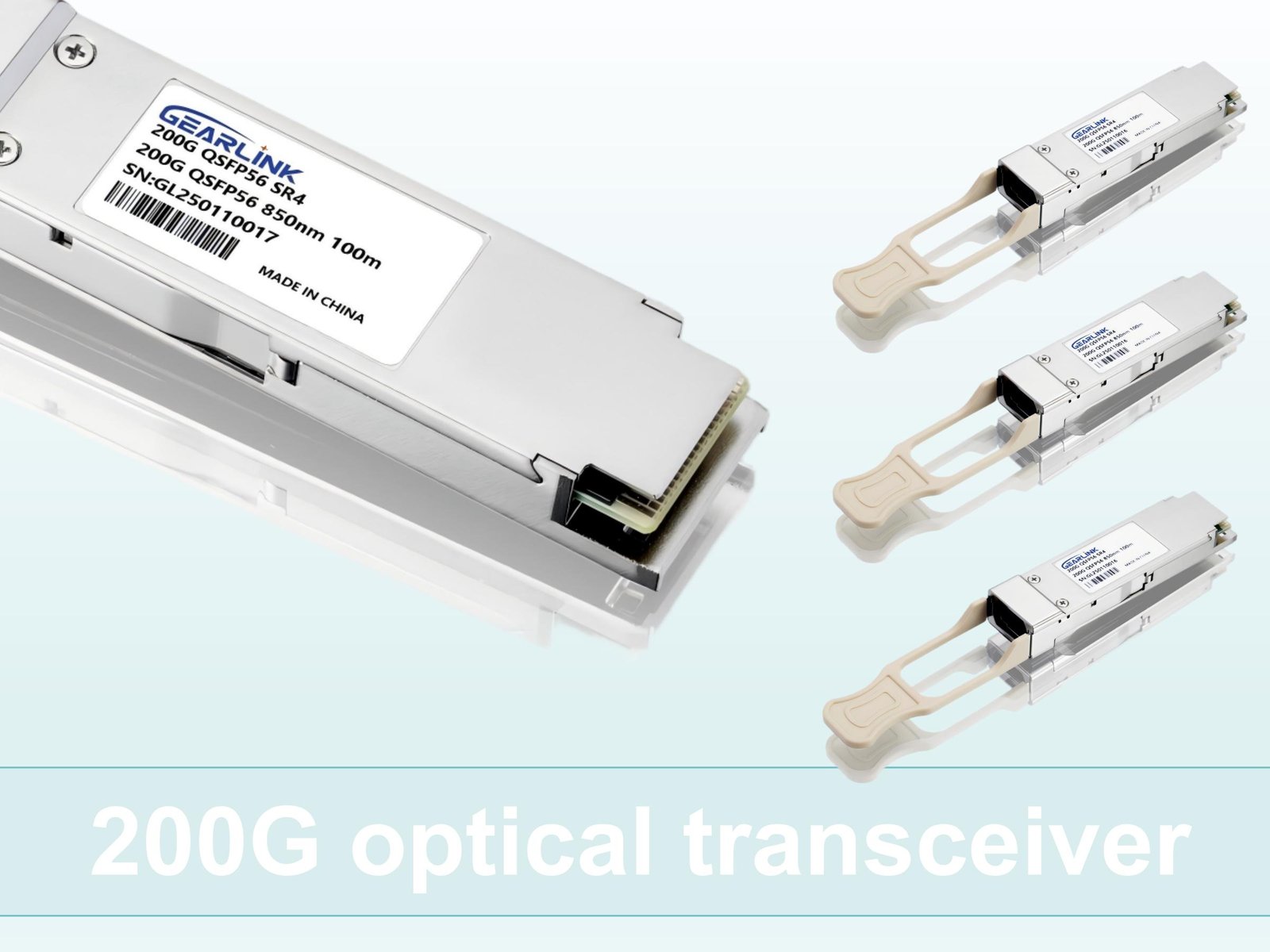
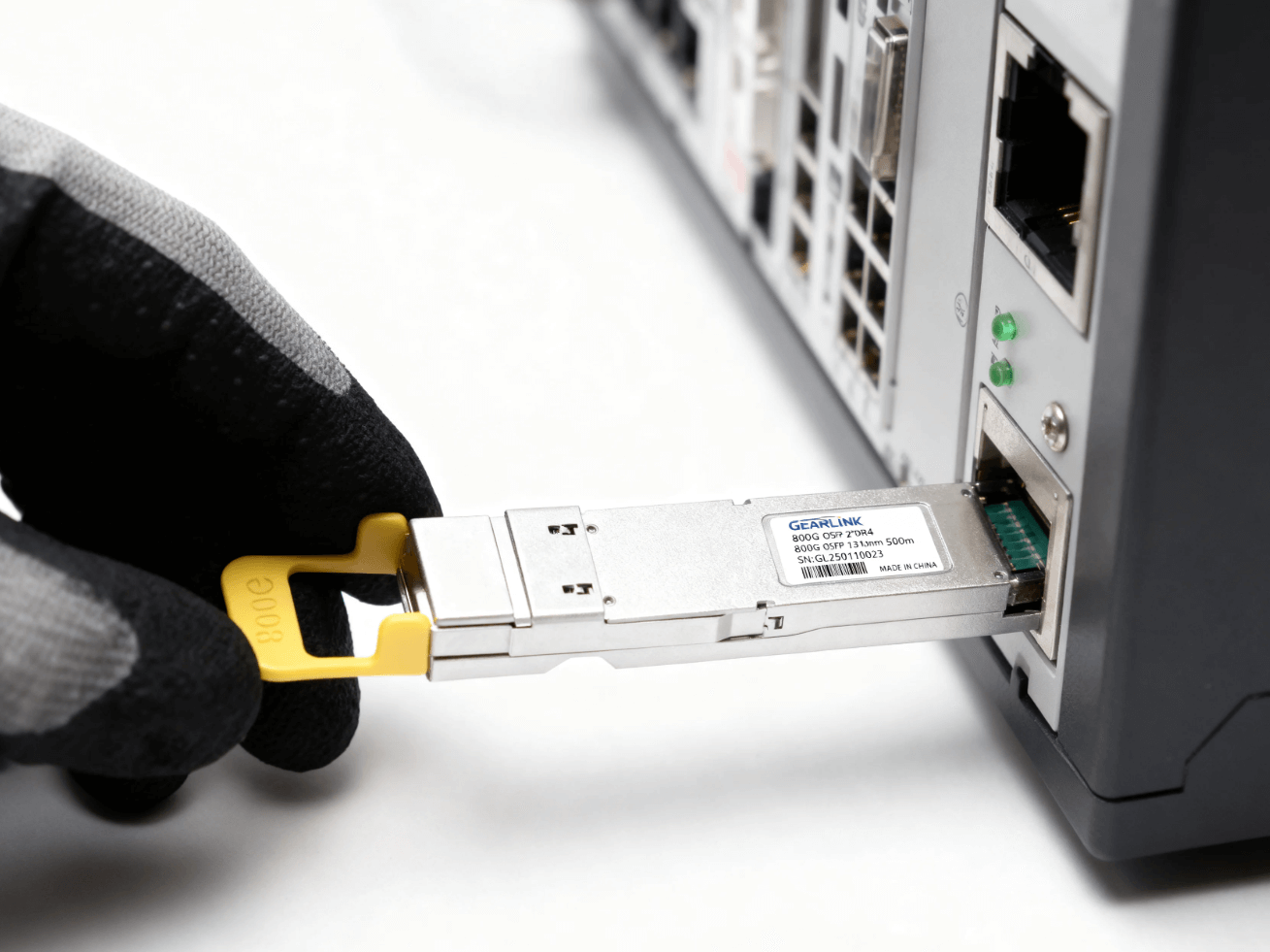
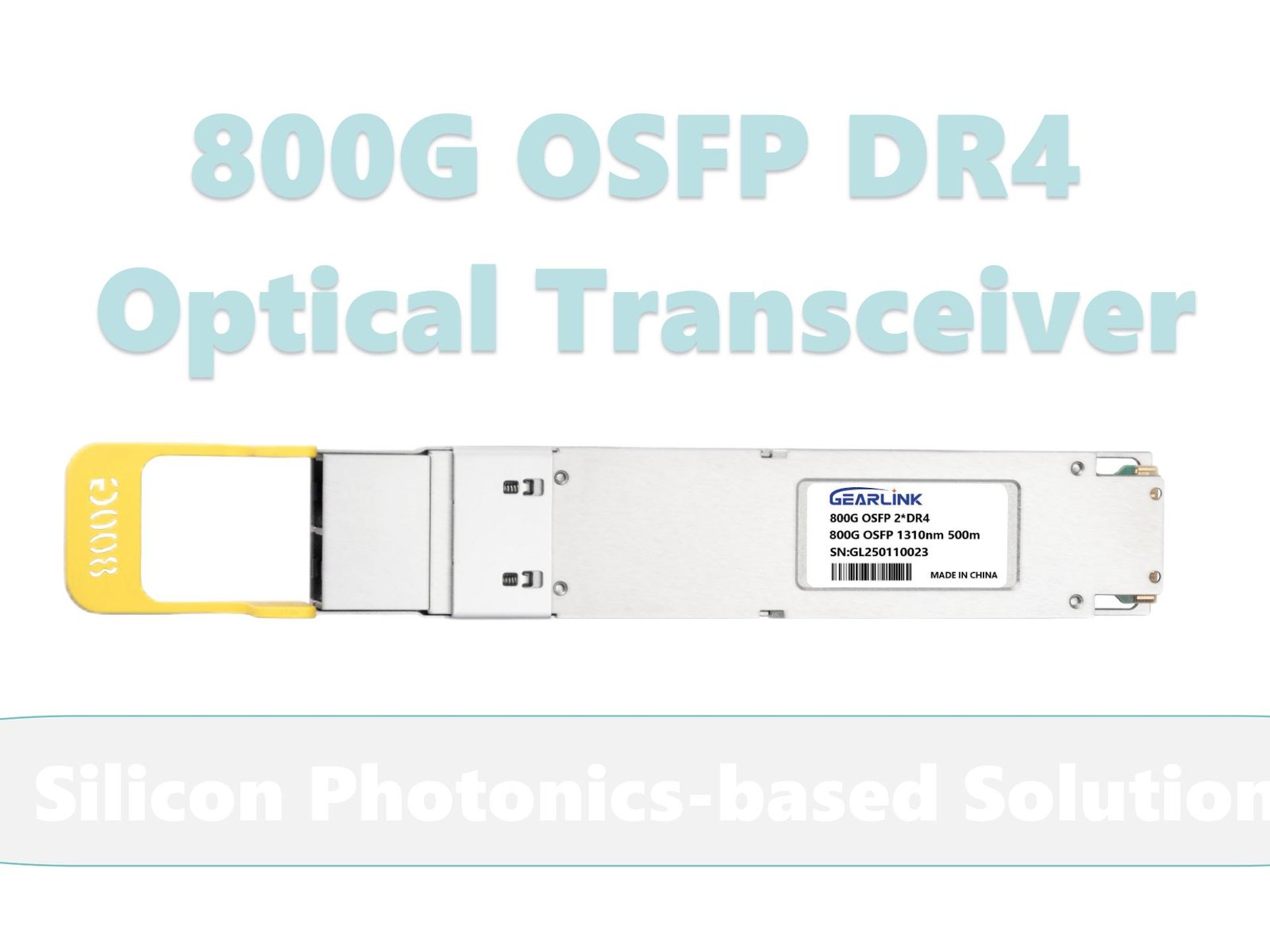
In today’s fastpaced digital world, network infrastructure must handle enormous amounts of data without slowing down. QSFP 100G FR S has emerged as a gamechanging solution for organizations seeking highbandwidth, costeffective connectivity over moderate distances. This comprehensive guide will walk you through everything you need to know about this powerful optical transceiver. From its core specifications to realworld deployment tips, you will discover why the QSFP 100G FR S is quickly becoming a favorite among data center engineers.
What Exactly Is a QSFP 100G FR S Module?
To put it simply, a QSFP 100G FR S is a hotpluggable optical transceiver that supports 100 Gigabit Ethernet (100GbE) over a single duplex singlemode fiber (SMF) cable. The term “QSFP” stands for Quad Small Formfactor Pluggable, while “100G” indicates its maximum data rate. “FR” refers to “100GBASEFR” – a standard defined by IEEE 802.3cu for 2km reach. The “S” in QSFP 100G FR S typically denotes a specific variant optimized for lower power and enhanced signal integrity. Many manufacturers use this suffix to highlight superior thermal performance or extended reliability.
First and foremost, this module operates on a single wavelength at 1310 nm using PAM4 (Pulse Amplitude Modulation 4level) encoding. This technology allows it to transmit 100 Gbps over just one optical lane, unlike older 100G modules that needed four separate lanes. Consequently, the QSFP 100G FR S simplifies fiber plant design and reduces overall system cost.
Key Technical Specifications for QSFP 100G FR S
The following table summarizes the most important parameters of the QSFP 100G FR S. Notice how these numbers directly impact your network planning.
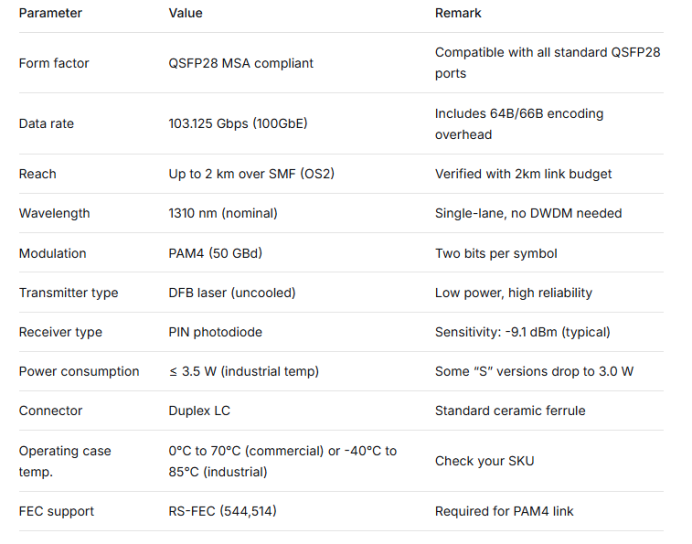
As you can see, the QSFP 100G FR S strikes a brilliant balance between reach and power efficiency. Moreover, its low power consumption (often below 3.5W) makes it an ideal candidate for highdensity switching platforms where heat dissipation is a major concern.
Why Choose QSFP 100G FR S Over Other 100G Optical Modules?
Network engineers are frequently overwhelmed by the many 100G transceiver options available today. For instance, you might have heard of QSFP 100G SR4 (100m over multimode fiber), QSFP 100G LR4 (10km), or QSFP 100G ER4 (40km). So what makes the QSFP 100G FR S stand out? The answer lies in its unique position – it fits perfectly for “middledistance” applications that are too long for SR4 but too short to justify the higher cost of LR4.
Comparison Table – QSFP 100G FR S vs. SR4 vs. LR4
To make this comparison easier, examine the table below. It contrasts the QSFP 100G FR S with its most common alternatives.
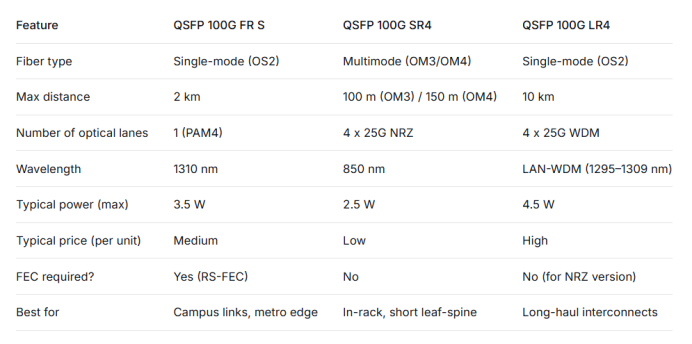
From the table, one can easily see that the QSFP 100G FR S offers a “golden zone” of 2km reach at a moderate cost. While SR4 is cheaper, it cannot reach beyond 150 meters. On the other hand, LR4 provides 10km but costs nearly double and consumes more power. Therefore, for most data center interconnect (DCI) within the same campus or between two buildings, the QSFP 100G FR S is simply the most sensible choice.
RealWorld Applications Where QSFP 100G FR S Excels
After understanding its specifications, you might wonder where to actually deploy the QSFP 100G FR S. Below are five typical scenarios where this module shines. Each example highlights why the QSFP 100G FR S is the preferred solution.
1. Data Center Interconnects (DCI) Within a Campus
First, consider a large enterprise campus with three data centers separated by 500 meters to 1.5 km. Using QSFP 100G FR S modules on spine switches, you can create a 100G backbone without expensive LR4 optics. This setup not only saves upfront capital expenses but also lowers ongoing cooling costs due to reduced power draw.
2. Metro Edge Aggregation
Second, many telecom operators use QSFP 100G FR S for cell site backhaul aggregation. Because 5G base stations demand ultralow latency and high throughput, a 2km reach perfectly covers dense urban areas. Additionally, the singlelane PAM4 design simplifies inventory management – you only stock one type of module for all shortreach fiber links.
3. HighPerformance Computing (HPC) Clusters
Third, research institutions running HPC clusters often have nodes distributed across multiple floors or adjacent buildings. The QSFP 100G FR S provides a costeffective way to interconnect InfiniBand or RoCE (RDMA over Converged Ethernet) fabrics at 100G. Many HPC architects have reported 2030% lower total cost of ownership when switching from LR4 to FR modules for links under 2km.
4. Cloud Provider LeafSpine Networks
Fourth, modern cloud networks use leafspine topologies. While spinetoleaf connections within the same rack can use DAC cables or SR4, spinetosuperspine links often exceed 300 meters. Here, the QSFP 100G FR S becomes indispensable. It allows network architects to standardize on singlemode fiber throughout the entire facility, reducing complexity.
5. Video Broadcasting and Media Production
Finally, live broadcasting trucks and production studios frequently need to transport uncompressed 4K/8K video streams over fiber. The QSFP 100G FR S can carry multiple SMPTE ST 2110 streams over a single fiber pair up to 2km. This capability is particularly valuable for outdoor events where the OB van must park far from the camera positions.
Installation and Best Practices for QSFP 100G FR S
Deploying the QSFP 100G FR S is straightforward, but following certain guidelines will ensure maximum reliability. Below are six essential tips.
StepbyStep Installation Guide
1. Before handling any optical module, always ground yourself using an ESD wrist strap. Even though the QSFP 100G FR S is designed with some ESD protection, static discharge can still damage the laser diode.
2. Remove the dust plug from the module’s optical bore only when you are ready to insert the fiber. Keep the plug for future use.
3. Align the QSFP 100G FR S with the cage on your switch or NIC. Gently slide it until you hear a click – the latch should lock automatically.
4. Clean the fiber connector using a oneclick cleaner or isopropyl alcohol wipes. Contamination is the leading cause of link errors.
5. Insert the duplex LC patch cord into the module. Ensure the orientation matches (TX to RX). A good practice is to use colorcoded fibers (yellow for OS2 singlemode).
6. Power on the device and verify the link status via CLI or management GUI. Look for “100G FR” or “100GBASEFR” among the interface capabilities.
Many modern switches automatically recognize a QSFP 100G FR S and configure the appropriate FEC (Forward Error Correction) settings. However, some older platforms might require manual FEC enablement. Always check your vendor’s compatibility matrix before deployment.
Cleaning and Maintenance Tips
Optical modules like the QSFP 100G FR S need periodic inspection. As a rule of thumb, inspect the ferrule endface every 6 months using a fiber microscope. If you spot dust or oil, clean gently with a dry cassette cleaner. Never use canned air directly on the module, as the force can misalign internal components.
Advantages and Potential Drawbacks of QSFP 100G FR S
No networking solution is perfect, so it’s only fair to discuss both sides. For most users, the strengths of the QSFP 100G FR S far outweigh its limitations.
Strengths of QSFP 100G FR S
Excellent pricetoperformance ratio – Delivers 2km reach at roughly 60% the cost of LR4.
Lower power consumption (≤3.5W) – Enables higher port density in switches with limited power budgets.
Simplified fiber management – Uses standard duplex SMF without coarse wavelength division multiplexing (CWDM) mux/demux.
Futureproof – PAM4 technology is the baseline for 200G and 400G modules, so skills learned on QSFP 100G FR S transfer easily.
Wide ecosystem support – Major vendors like Cisco, Arista, Juniper, and Mellanox offer validated QSFP 100G FR S compatibility.
Limitations to Consider
Reach capped at 2km – Not suitable for longer links; for distances beyond 2km, upgrade to LR4 or use amplifiers.
Requires RSFEC – Older switches without FEC support cannot use this module. Always verify hardware revision.
PAM4 signal integrity – At 50 GBd, the electrical interface is more sensitive to poor PCB layout. Use highquality host boards.
Despite these minor drawbacks, the QSFP 100G FR S remains a fantastic option for the vast majority of 2kmorless 100G applications.
Frequently Asked Questions About QSFP 100G FR S
To further assist you, here are five common questions that users ask about the QSFP 100G FR S. (Note that these are separate from the SEO Q&A section above.)
Q1: Is the QSFP 100G FR S backward compatible with 40G switches?
No. A 40G QSFP+ port does not support 100G signaling. You would need a 100Gcapable QSFP28 port.
Q2: Can I use a QSFP 100G FR S on existing OS1 singlemode fiber?
Yes. OS1 fiber (used in indoor/backbone) is fully compatible. The difference between OS1 and OS2 is mainly attenuation spec; both work at 2km.
Q3: Do I need special cleaning tools for the QSFP 100G FR S?
Standard LC cleaning tools work perfectly. The module uses a standard ferrule endface (UPC type).
Q4: How many QSFP 100G FR S modules can I place side by side in a switch?
Typically, you can populate all ports because the module’s low power consumption (3.5W) stays within most switch thermal budgets. However, check the switch’s maximum power per row.
Q5: Is there a difference between “QSFP 100G FR S” and “QSFP28 100G FR”?
In most cases, the “S” suffix indicates a second source or enhanced version. Functionally they are identical. Always confirm with the datasheet.
Future Outlook – Why QSFP 100G FR S Will Remain Relevant
With the rapid adoption of 200G and 400G Ethernet, you might think 100G modules will become obsolete. However, the reality is quite different. Many enterprise networks will continue to use 100G as their spine or leaf layer for the next five to seven years. The QSFP 100G FR S specifically addresses a huge installed base of singlemode fiber that was originally deployed for 10G and 40G. Upgrading to 100G using these modules is often as simple as swapping optics – no recabling required.
Furthermore, the “S” variant often includes diagnostic monitoring enhancements (DDM) that provide realtime temperature, voltage, and optical power readings. These features are invaluable for proactive maintenance in softwaredefined data centers. As AIdriven network management becomes mainstream, the QSFP 100G FR S with advanced telemetry will be a cornerstone of selfhealing infrastructures.
Conclusion: The Smart Choice for 100G at 2km
To sum up, the QSFP 100G FR S offers an unbeatable combination of reach, cost, and power efficiency. Whether you run a small campus network or a hyperscale cloud data center, this module will serve your 100GbE needs reliably. By choosing the QSFP 100G FR S, you are not only optimizing today’s operations but also laying a solid foundation for future upgrades to 200G/400G – because the same singlemode fiber can carry higher speeds with new optics. Do not hesitate to evaluate this versatile transceiver for your next infrastructure project.
Now that you have learned all about the QSFP 100G FR S, it’s time to take action. Review your existing fiber links under 2km, calculate the potential savings, and reach out to trusted suppliers. Your network – and your budget – will thank you.