Introduction: Why 400G DR4 Matters More Than Ever
In today’s rapidly evolving data center landscape, 400G DR4 has become a critical technology that is reshaping how high-speed networks are designed and deployed. As cloud computing, artificial intelligence, and big data workloads continue to grow, the demand for faster and more efficient interconnects has significantly increased. Consequently, 400G DR4 solutions are being widely adopted to meet these performance requirements.
At its core, 400G DR4 is designed to deliver 400Gbps transmission over single-mode fiber using four parallel lanes. More importantly, it provides an optimal balance between performance, cost, and scalability. Therefore, it is often considered a practical choice for modern hyperscale data centers.
What Is 400G DR4? A Clear and Simple Explanation
Understanding 400G DR4 Technology
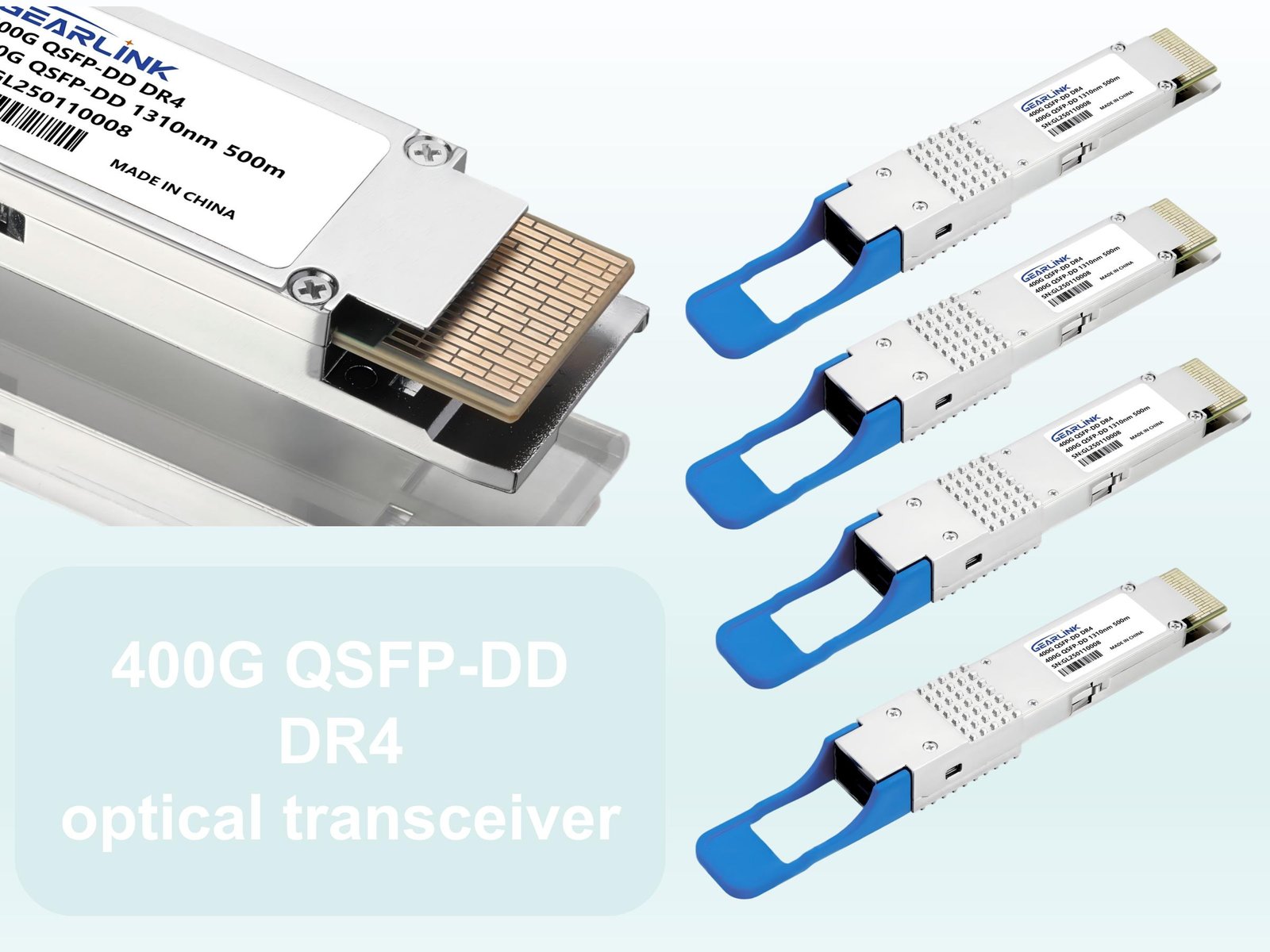
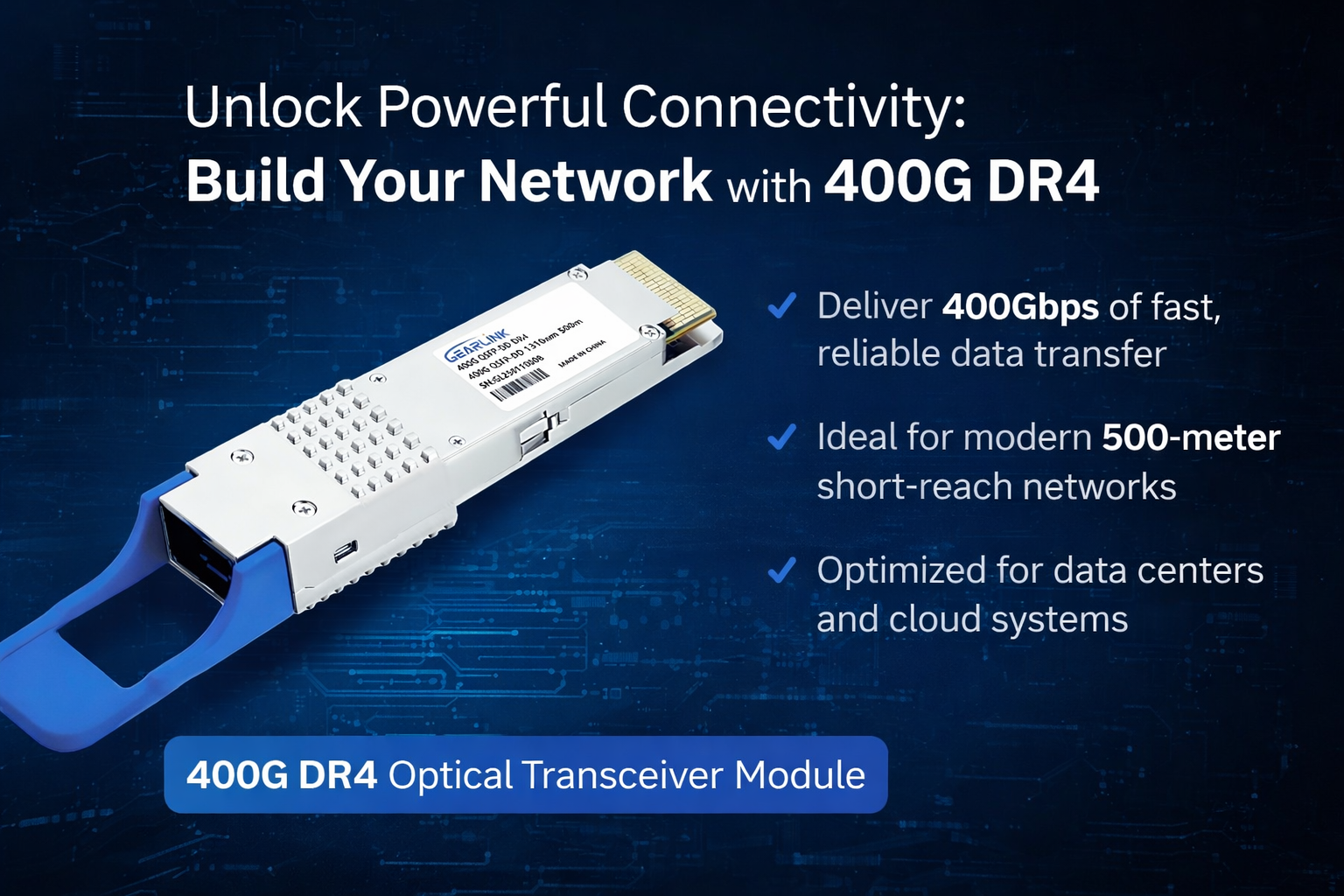
400G DR4 refers to a 400G optical transceiver standard defined for short-reach data transmission, typically up to 500 meters over single-mode fiber (SMF). It uses PAM4 modulation and parallel optics to achieve high data rates efficiently.
In simpler terms, 400G DR4 splits the total bandwidth into four lanes, each carrying 100Gbps. As a result, high-speed communication can be achieved without requiring extremely complex single-lane technology.
Key Features of 400G DR4
4 × 100G PAM4 optical lanes
Transmission distance up to 500m
MPO-12 connector interface
Single-mode fiber support
Lower power consumption compared to longer-reach modules
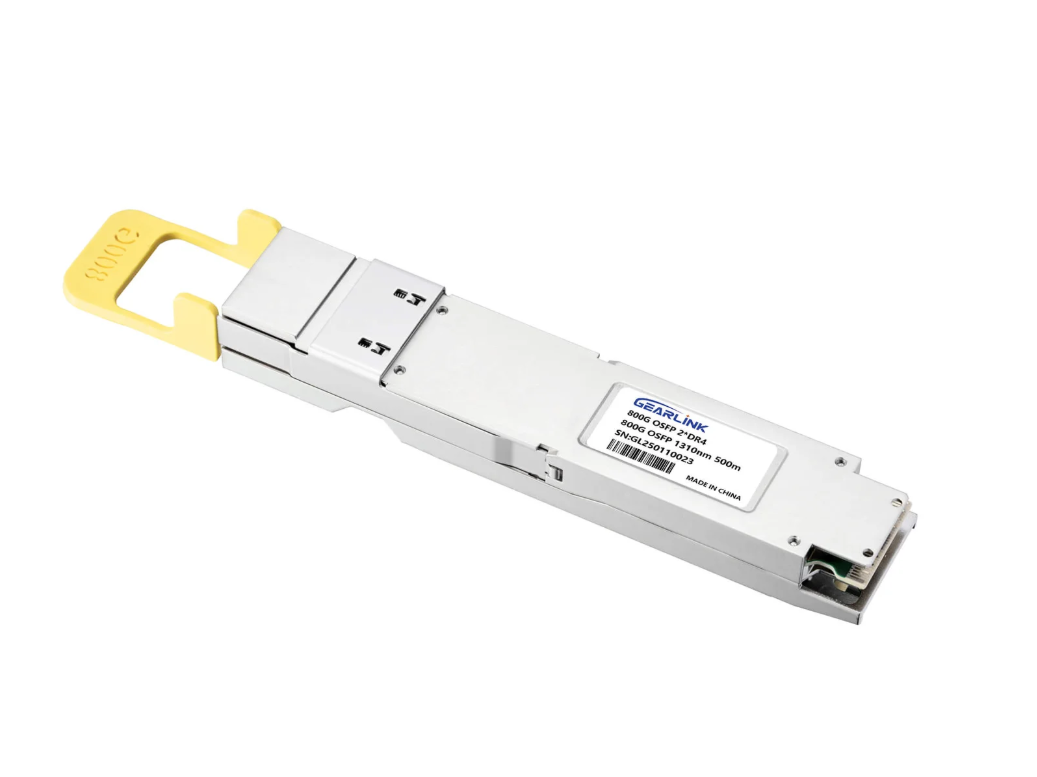
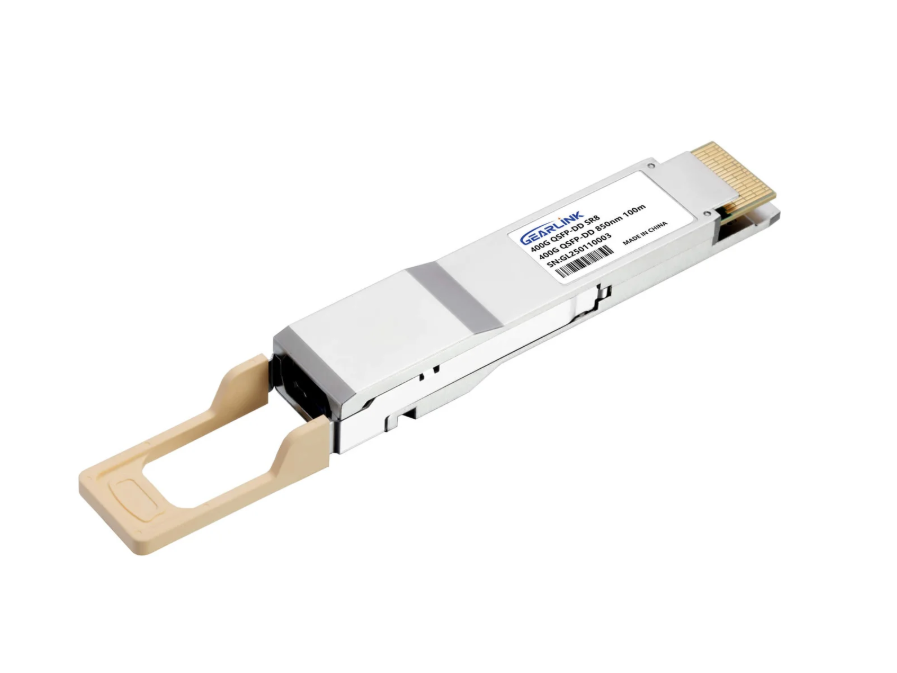
Furthermore, the compact form factors such as QSFP-DD and OSFP make 400G DR4 suitable for high-density deployments.
How 400G DR4 Works in Real Applications
Architecture of 400G DR4 Modules
The working principle of 400G DR4 is based on parallel transmission. Each lane operates independently, and data is distributed evenly across all four lanes.
| Component | Function Description |
| Laser Array | Generates optical signals |
| Modulator | Encodes electrical data into optical signals |
| Fiber Interface | Transmits signals via MPO connector |
| DSP Chip | Processes PAM4 signals |
In addition, advanced DSP technologies are used to ensure signal integrity. As a result, stable performance can be maintained even at high speeds.
Advantages of 400G DR4 in Modern Networks
1. High Efficiency and Performance
First of all, 400G DR4 provides exceptional bandwidth capacity. Compared with lower-speed modules, it significantly improves data throughput.
2. Cost-Effective Deployment
Although high-speed solutions are often expensive, 400G DR4 offers a balanced cost-performance ratio. Therefore, it is widely used in large-scale deployments.
3. Simplified Cabling
Because it uses MPO connectors and parallel fibers, cabling complexity is reduced. Consequently, installation and maintenance become easier.
4. Energy Efficiency
In addition, power consumption is optimized. This is particularly important in hyperscale data centers where energy costs are a major concern.
400G DR4 vs Other 400G Optical Standards
To better understand 400G DR4, it is helpful to compare it with other common 400G standards.
| Feature | 400G DR4 | 400G FR4 | 400G LR4 |
| Distance | 500m | 2km | 10km |
| Fiber Type | SMF | SMF | SMF |
| Connector | MPO-12 | LC | LC |
| Cost | Lower | Medium | Higher |
| Power Usage | Lower | Medium | Higher |
From the table above, it can be seen that 400G DR4 is ideal for short-reach, high-density environments.
Key Use Cases of 400G DR4
Data Centers
Most importantly, 400G DR4 is heavily used in hyperscale data centers. It enables fast communication between switches and servers.
Cloud Computing Infrastructure
With the rise of cloud platforms, massive data transfers are required. Therefore, 400G DR4 plays a crucial role in ensuring seamless connectivity.
AI and Machine Learning Clusters
AI workloads require extremely high bandwidth. As a result, 400G DR4 is often deployed in GPU clusters and training environments.
Deployment Considerations for 400G DR4
Fiber Infrastructure
Before deploying 400G DR4, it is important to ensure that single-mode fiber is available. Additionally, MPO connectors must be properly aligned.
Compatibility
Not all switches support 400G DR4. Therefore, compatibility should be verified in advance.
Thermal Management
Because high-speed modules generate heat, proper cooling systems are required. Otherwise, performance may be affected.
Common Challenges and How to Solve Them
Signal Loss
Signal degradation can occur over distance. However, this can be minimized by using high-quality fibers.
Installation Complexity
Although MPO cabling simplifies structure, improper installation may cause issues. Therefore, trained technicians are recommended.
Cost Concerns
While 400G DR4 is cost-effective compared to long-reach modules, initial investment may still be high. Nevertheless, long-term benefits often outweigh the cost.
Future Trends of 400G DR4 Technology
Looking ahead, 400G DR4 is expected to remain a dominant solution for short-reach 400G connectivity. Meanwhile, the transition to 800G is already underway. However, due to its maturity and cost advantages, 400G DR4 will continue to be widely deployed.
In addition, innovations in silicon photonics and DSP technologies are likely to further improve performance and reduce power consumption.
Conclusion: Is 400G DR4 the Right Choice?
To sum up, 400G DR4 offers a powerful, reliable, and cost-effective solution for modern data centers. It combines high performance with practical deployment advantages. Therefore, it is an excellent choice for organizations looking to upgrade their network infrastructure.
FAQs About 400G DR4
1. What is 400G DR4 used for?
400G DR4 is mainly used for high-speed data transmission in data centers, especially for connections between switches and servers.
2. How far can 400G DR4 transmit data?
Typically, 400G DR4 supports transmission distances up to 500 meters over single-mode fiber.
3. What is the difference between 400G DR4 and 400G FR4?
400G DR4 is designed for short distances (500m), while FR4 supports up to 2km and uses different optical technologies.
4. Is 400G DR4 cost-effective?
Yes, 400G DR4 is considered cost-effective for short-reach applications compared to other 400G modules.
5. What connector does 400G DR4 use?
Most 400G DR4 modules use MPO-12 connectors for parallel fiber transmission.