Introduction to QSFP 100G DR S
In today’s rapidly evolving data center landscape, high-speed connectivity is no longer optional—it is essential. Among the many solutions available, qsfp 100g dr s has emerged as a powerful and efficient option for modern network architectures. Whether you are upgrading an existing infrastructure or designing a new hyperscale environment, understanding how this module works can significantly improve deployment efficiency and performance.
To begin with, qsfp 100g dr s is designed for 100G Ethernet transmission over single-mode fiber. It enables reliable data transfer across medium distances, making it ideal for interconnects within large-scale data centers. More importantly, it balances cost, performance, and power consumption, which makes it a preferred choice for many global B2B buyers.
In this guide, you will discover everything about qsfp 100g dr s—from technical specifications and advantages to real-world deployment strategies. Additionally, practical comparisons and tables will be provided to make complex concepts easier to understand.
What Is QSFP 100G DR S?
Definition and Core Features of QSFP 100G DR S
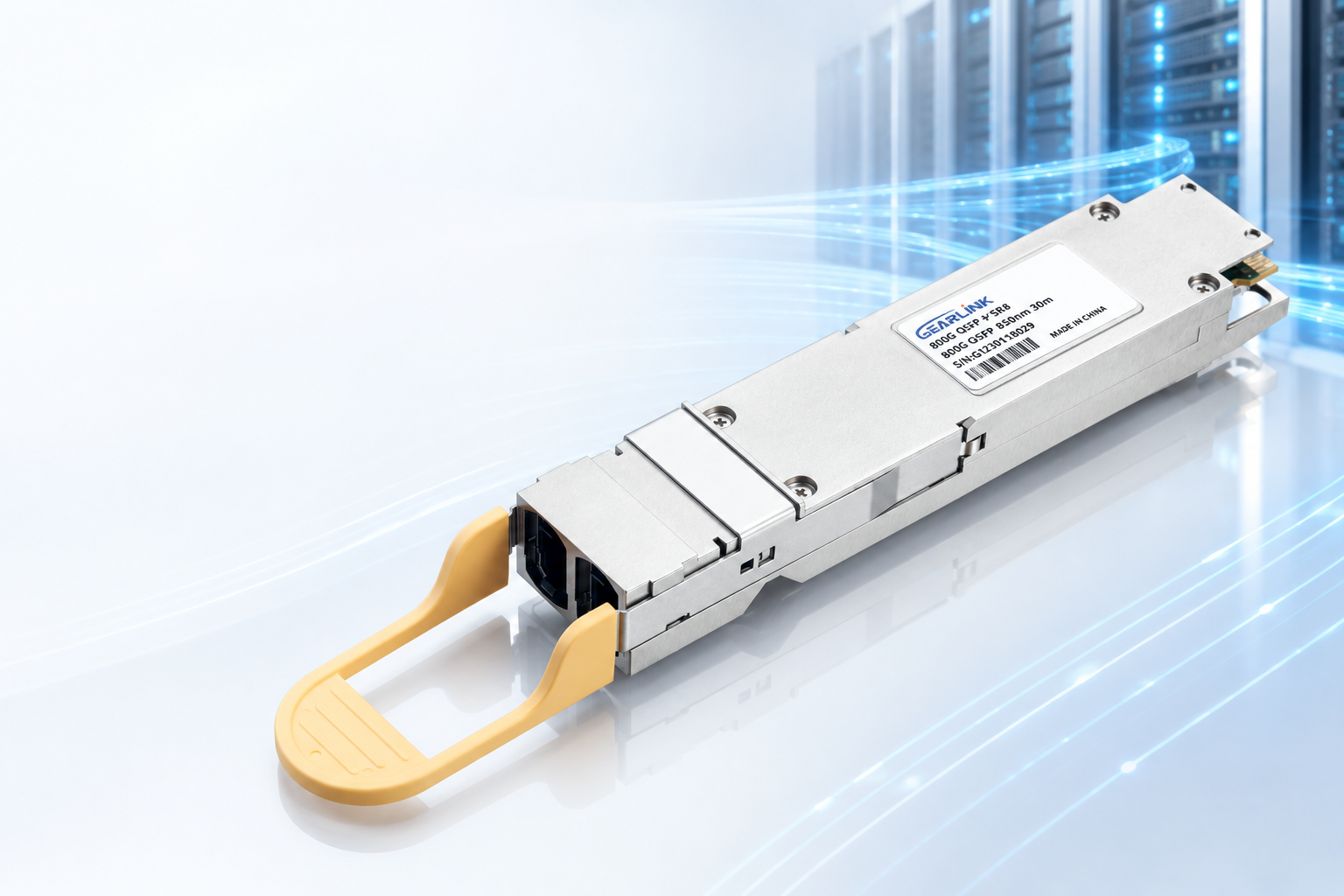
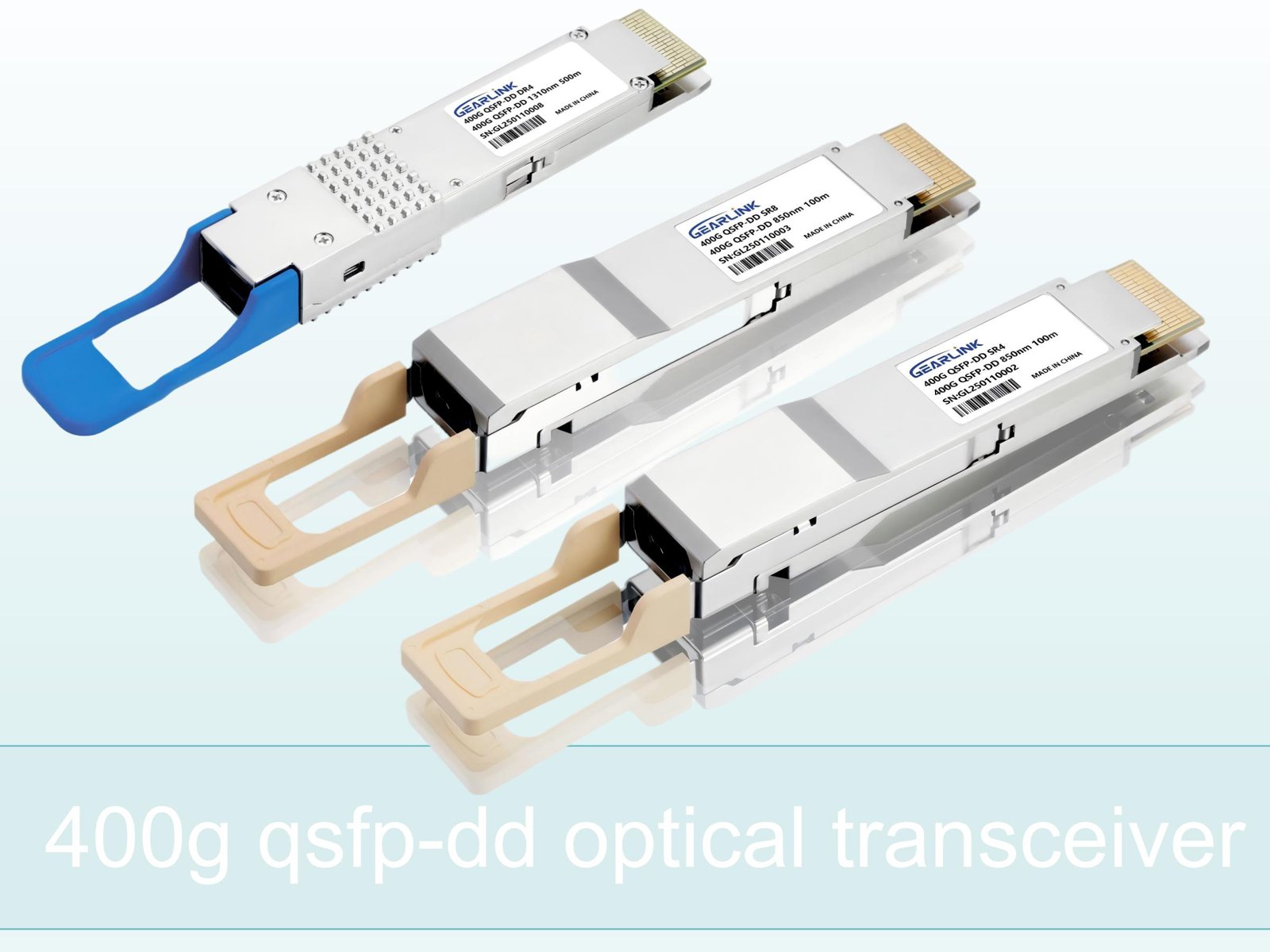
The module is a hot-pluggable optical transceiver module based on the QSFP28 form factor. It supports 100 Gigabit Ethernet and typically operates over single-mode fiber using parallel optics technology.
Key characteristics include:
Transmission speed: 100Gbps
Fiber type: Single-mode fiber (SMF)
Connector: MPO-12
Reach: Up to 500 meters
Modulation: PAM4 or NRZ (depending on implementation)
Furthermore, modules are engineered to deliver high density and low latency. As a result, they are widely used in spine-leaf architectures.
How QSFP 100G DR S Works
To better understand this transceiver, it is helpful to look at its working principle. The module transmits data using four parallel optical lanes. Each lane carries 25Gbps, combining to achieve a total of 100Gbps.
In addition, signals are transmitted over single-mode fiber, ensuring minimal attenuation and improved signal integrity. Because of this, this transceiver is particularly suitable for medium-range data center connections.
Key Advantages of QSFP 100G DR S
High Efficiency and Performance
First and foremost, this transceiver offers exceptional performance. Data is transmitted with low latency, which is critical for cloud computing and AI workloads. Moreover, the module is optimized for high-density environments.
Cost-Effective Deployment
Compared to long-range solutions like LR4, this transceiver provides a more economical option for short-to-medium distances. Therefore, it is often selected for intra-data center links.
Strong Compatibility
Another advantage is its broad compatibility. Most transceiver modules are designed to be compatible with leading networking brands such as Cisco, Juniper, and Arista, etc. This flexibility ensures easy integration into existing systems.
QSFP 100G DR S Technical Specifications
Below is a detailed table summarizing the typical specifications of this transceiver:
| Parameter | Specification |
| Form Factor | QSFP28 |
| Data Rate | 100Gbps |
| Wavelength | 1310nm |
| Fiber Type | Single-mode fiber |
| Connector | MPO-12 |
| Max Distance | 500m |
| Power Consumption | < 3.5W |
| Operating Temperature | 0°C to 70°C |
As shown above, this transceiver delivers a balanced combination of performance and efficiency.
QSFP 100G DR S vs Other 100G Modules
Comparison Table
To better evaluate this transceiver, let’s compare it with other common 100G transceivers:
| Feature | QSFP 100G DR S | QSFP 100G LR4 | QSFP 100G SR4 |
| Fiber Type | SMF | SMF | MMF |
| Distance | 500m | 10km | 100m |
| Connector | MPO | LC Duplex | MPO |
| Cost | Medium | High | Low |
| Use Case | Data center | Metro/long | Short links |
From the comparison above, it becomes clear that this transceiver fills the gap between short-range and long-range solutions.
Application Scenarios for QSFP 100G DR S
Data Center Interconnects
One of the primary uses of this transceiver is in data center interconnects. It enables efficient communication between switches in a spine-leaf topology.
Cloud Computing Environments
Additionally, this transceiver is widely used in cloud environments. High bandwidth and low latency ensure seamless data processing.
Enterprise Networks
For enterprises that require scalable and reliable connectivity, this transceiver provides an excellent solution.
Deployment Best Practices
Fiber Infrastructure Considerations
When deploying this transceiver, proper fiber management is essential. Single-mode fiber should be used to ensure optimal performance.
Power and Cooling
Although this transceiver is energy-efficient, adequate cooling should still be ensured. This helps maintain stable operation over time.
Compatibility Testing
Before deployment, compatibility testing is recommended. This ensures that the this transceiver module works seamlessly with your networking equipment.
Future Trends of QSFP 100G DR S
As data demands continue to grow, qsfp 100g dr s will remain relevant in many scenarios. However, newer technologies such as 400G and 800G are gradually emerging.
Nevertheless, due to its cost-effectiveness and reliability, this transceiver is expected to maintain a strong presence in mid-range applications.
Conclusion
In summary, qsfp 100g dr s is a powerful and versatile optical transceiver that plays a crucial role in modern data centers. It offers a perfect balance between performance, cost, and scalability.
Whether you are building a new infrastructure or upgrading an existing one, qsfp 100g dr s provides a reliable and efficient solution.
FAQs
1. What is qsfp 100g dr s used for?
this transceiver is mainly used for 100G data center interconnects over single-mode fiber, supporting up to 500m transmission.
2. How far can qsfp 100g dr s transmit?
Typically, qsfp 100g dr s supports transmission distances up to 500 meters on single-mode fiber.
3. Is qsfp 100g dr s compatible with major brands?
Yes, this transceiver modules are generally compatible with Cisco, Juniper, Arista, etc.
4. What is the difference between qsfp 100g dr s and lr4?
qsfp 100g dr s supports shorter distances (500m), while LR4 supports up to 10km, making LR4 suitable for long-range links.
5. Why choose qsfp 100g dr s?
this transceiver offers a balance of cost, performance, and efficiency, making it ideal for modern data center deployments.